
The world of ultra-luxury cruising is an exquisite tapestry woven with threads of unparalleled service, breathtaking destinations, gourmet dining, and lavish accommodations. For the discerning traveler, the question isn’t just “what is the most expensive cruise line?” but rather, “what financial investment delivers the most profound, exclusive, and memorable experience?” This article delves into the rarefied realm of high-end seafaring, dissecting the economics of opulence to help you understand the true cost, value, and financial implications of embarking on the world’s most luxurious voyages. We’ll explore the factors that drive these significant price tags, identify the key players commanding them, and provide insights into how to navigate this market as a savvy financial consumer.
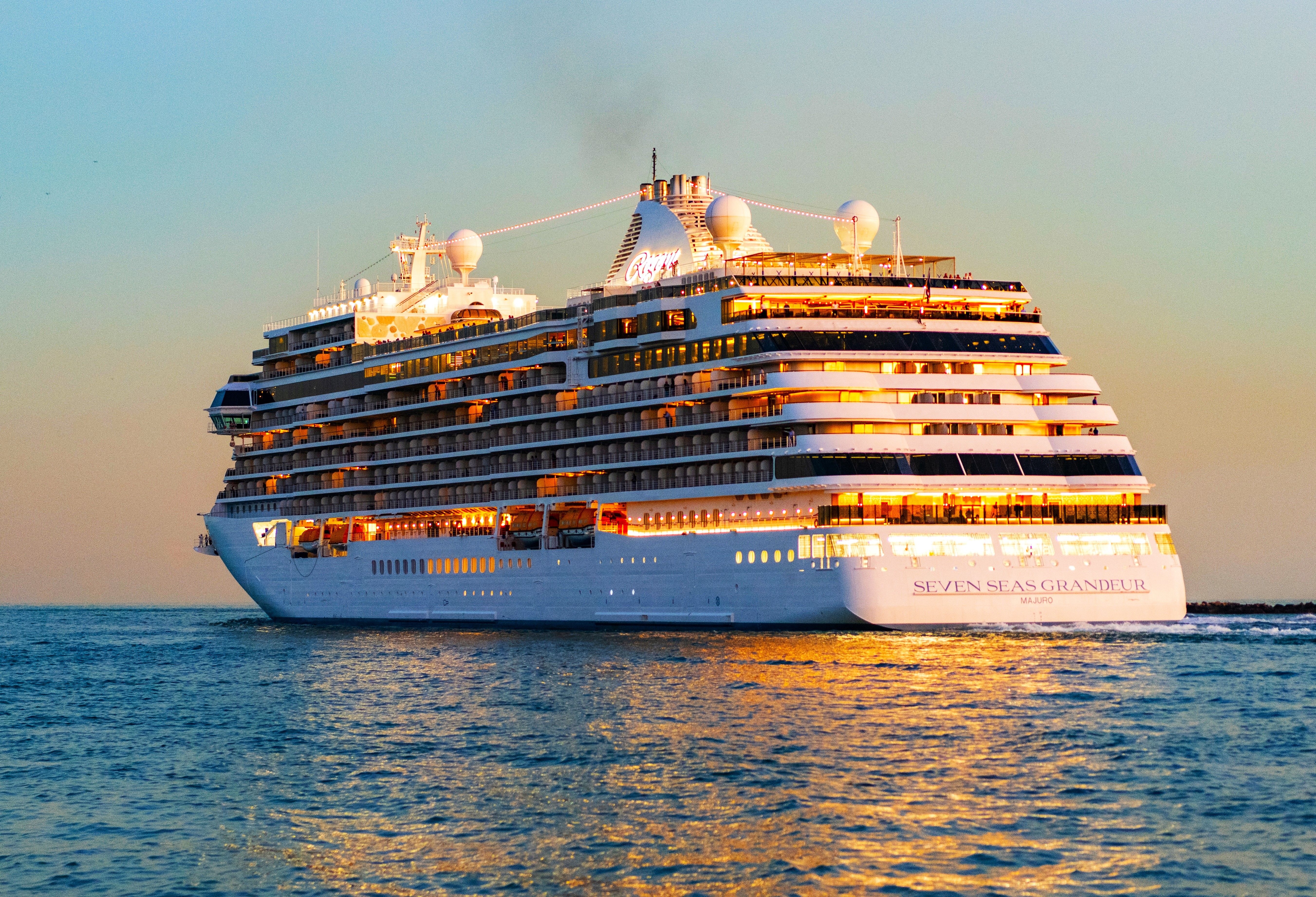
The Allure of Ultra-Luxury Cruising: Decoding the Financial Investment
The concept of “most expensive” in the cruise industry is dynamic, influenced by myriad factors ranging from itinerary and ship size to inclusions and bespoke services. It’s less about a single, immutable titleholder and more about a tier of cruise lines that consistently offer experiences at the pinnacle of cost and luxury. Understanding this landscape requires moving beyond surface-level sticker shock and appreciating the financial proposition these lines present.
Beyond Basic Amenities: What Justifies the Cost?
Unlike mainstream cruises, ultra-luxury lines operate on a fundamentally different financial model. Their elevated pricing stems from a commitment to an all-encompassing, nearly cashless experience onboard. This typically includes:
- Exceptional Space Ratios: Fewer guests per square foot of ship, leading to more expansive suites, larger public areas, and an overall sense of uncrowded serenity. This directly impacts construction and operational costs per guest.
- Unrivalled Service Levels: High crew-to-guest ratios (often 1:1 or better) ensure highly personalized attention, including dedicated butler service for every suite. Investing in this level of staffing, training, and retention is a significant operational expense.
- Gourmet Culinary Experiences: Michelin-star level dining, often overseen by celebrity chefs, with premium ingredients sourced globally. This extends to complimentary specialty restaurants, fine wines, and top-shelf spirits included in the fare. The cost of such provisions and culinary talent is astronomical compared to standard cruise dining.
- Exquisite Inclusions: Fares generally cover round-trip airfare (often business class), pre- and post-cruise hotel stays, shore excursions, gratuities, unlimited beverages (including premium alcohol), Wi-Fi, and sometimes even laundry services or personal fitness classes. These “hidden costs” on other lines are folded into the upfront price, offering financial predictability.
- Exclusive Itineraries and Port Access: Ultra-luxury lines often visit smaller, less-trafficked ports, offer longer stays, and craft unique itineraries, including exotic expeditions to the Arctic or Antarctic. The logistics and permits for such routes are often more complex and expensive.
For the affluent traveler, the justification for these costs lies in the unparalleled convenience, exclusivity, and quality, effectively transforming a vacation into a seamless, worry-free investment in leisure and personal enrichment.
The Elusive “Most Expensive”: A Dynamic Landscape
Pinpointing the single most expensive cruise line is akin to trying to catch smoke. While some lines consistently command the highest average per-diem rates, the ultimate price tag for a specific voyage depends heavily on the itinerary, suite category, time of year, and any bespoke arrangements. Lines like Regent Seven Seas Cruises, Silversea, Seabourn, and The Ritz-Carlton Yacht Collection frequently contend for the top spots. However, a specific world cruise on a Seabourn or Silversea ship, or a highly exclusive expedition to a remote destination, could easily eclipse a standard luxury voyage on another. The market is also influenced by new entrants, such as the burgeoning superyacht expedition segment, which can offer even higher price points for hyper-personalized experiences. Therefore, “most expensive” is better understood as a top tier of lines operating at the zenith of the financial spectrum, with individual voyages reaching stratospheric sums.
Value vs. Price: Decoding Luxury Travel Investments
In personal finance, we often distinguish between price (what you pay) and value (what you get). For ultra-luxury cruising, the value proposition is paramount. While the initial price is high, the “all-inclusive” nature means the marginal cost of enjoyment once onboard is virtually zero. There’s no constant calculation of bar tabs, excursion fees, or tipping. This financial transparency and freedom from nickel-and-diming can represent significant value, especially for those who prioritize seamlessness and budget predictability. Furthermore, the intangible value derived from unique experiences, unparalleled service, and the sheer luxury of time and space can be considered a profound investment in one’s well-being and life memories, an “experiential ROI” that transcends monetary metrics for many.
Key Players in the Pinnacle of Luxury Cruising
To understand where the most significant financial outlays occur, it’s essential to examine the cruise lines that consistently define the upper echelons of cost and luxury. Each offers a distinct philosophy, catering to nuanced preferences within the high-net-worth segment.
Regent Seven Seas Cruises: All-Inclusive Opulence
Often cited as a leader in all-inclusive luxury, Regent Seven Seas Cruises makes a strong financial argument for its pricing. Their fares famously include everything: unlimited shore excursions, round-trip airfare, unlimited beverages (including fine wines and spirits), open bars and lounges, specialty restaurants, pre-paid gratuities, unlimited Wi-Fi, and often a complimentary pre-cruise hotel package. This comprehensive bundling translates into a higher upfront cost but virtually no additional expenses once onboard. Their ships, with their opulent decor and spacious suites (many with balconies), emphasize grandeur and comfort. For those seeking absolute financial predictability and a truly “nothing-else-to-pay” experience, Regent often represents a top-tier investment.
Silversea Cruises: Intimate Elegance and Expedition
Silversea offers a bifurcated luxury experience: classic ocean voyages on intimate, elegant ships, and pioneering expedition cruises to remote corners of the globe. Both segments command premium pricing due to their highly personalized service, fine dining, and all-inclusive model (though expedition voyages may have more optional paid excursions due to their specialized nature). Their expedition arm, in particular, often leads to higher per-diem rates due to the specialized equipment (Zodiacs, kayaks, scientific experts), smaller ship sizes, and complex logistical requirements of exploring places like Antarctica or the Galápagos. The financial outlay here is an investment in unparalleled access to untouched nature and expert-led adventure.
Seabourn: Yacht-Like Sophistication
Seabourn prides itself on offering a “yacht-like” experience, characterized by smaller ships, open-seating dining, and an emphasis on personal connection between guests and crew. While their all-inclusive features are comprehensive—including gratuities, open bars, and often complimentary caviar service—they project a slightly more understated, sophisticated elegance compared to some of their flashier competitors. Their pricing reflects the high crew-to-guest ratio, the quality of their culinary program, and their ability to access smaller ports. For those who value discreet luxury and a more intimate social atmosphere, Seabourn represents a premium financial choice.
The Ritz-Carlton Yacht Collection: Bespoke Coastal Exploration
A relatively new entrant, The Ritz-Carlton Yacht Collection aims to redefine luxury cruising by blending the legendary service of The Ritz-Carlton hotels with the freedom of yachting. Operating bespoke superyachts, their voyages focus on intimate, curated itineraries to both iconic and undiscovered destinations. The pricing for The Ritz-Carlton Yacht Collection is inherently high, reflecting the brand’s reputation for exceptional service, the custom-built nature of their vessels, and the highly individualized experiences they offer. With fewer than 300 guests per vessel, large suites, and Michelin-inspired dining, this collection positions itself at the very apex of luxury, commanding prices that reflect its exclusive, hotel-at-sea model. This often results in some of the highest per-diem costs in the industry for their targeted audience.
Other Contenders and Niche Offerings
While these four are often at the forefront, other lines like Crystal Cruises (currently undergoing a revival), Viking Expeditions (especially for their more exotic and extensive itineraries), and even private yacht charters (which can easily be the most expensive option on a per-person basis depending on the duration and level of luxury) also contribute to the highest-cost segment. For the truly bespoke and ultra-high-net-worth individual, a custom-designed private charter will invariably be the most expensive “cruise” one can take, with costs soaring into hundreds of thousands or even millions for extended voyages.
Deconstructing the Financial Aspects of a Luxury Cruise

Understanding the price of an ultra-luxury cruise goes beyond comparing headline figures. It requires a detailed analysis of what exactly is covered, potential hidden costs, and how to financially plan for such a significant expenditure.
What’s Included (and What’s Not) in the Premium Price
The major financial advantage of ultra-luxury cruises is their extensive “all-inclusive” model. As discussed, this typically covers airfare, transfers, unlimited drinks, gratuities, specialty dining, and often a selection of shore excursions. This predictability is a key financial benefit, as it significantly reduces or eliminates onboard spending. However, “all-inclusive” doesn’t always mean everything. Exclusions might still include:
- Premium Shore Excursions: While a selection of basic excursions is usually included, ultra-premium or highly specialized excursions (e.g., helicopter tours, private culinary experiences) might incur additional costs.
- Spa Treatments and Salon Services: These are almost universally extra, even on the most luxurious lines.
- Boutique Shopping: Onboard shops with high-end brands will, of course, be additional expenses.
- Gambling: Casino play is always extra.
- Laundry Service (beyond basic pressing/dry cleaning): While some lines include basic laundry, extensive services or dry cleaning might be extra.
- Travel Insurance: This crucial financial protection is almost always an additional cost and a highly recommended investment for any high-value trip.
A thorough review of the cruise line’s specific inclusions and exclusions is vital for accurate financial planning.
Hidden Costs and How to Budget Effectively
Even with the most inclusive fares, savvy financial planning requires anticipating potential “hidden” costs or discretionary spending.
- Pre and Post-Cruise Expenses: While airfare and a hotel night might be included, you might choose to extend your stay in the embarkation or disembarkation city. Budget for additional hotel nights, meals, sightseeing, and local transportation.
- Souvenirs and Shopping: Whether on an included excursion or during free time, impulse purchases can add up.
- Communication: While basic Wi-Fi is often included, high-bandwidth or satellite phone calls can be extra.
- Special Dietary Requests or Customizations: While most lines accommodate dietary needs, highly specialized requests might incur a surcharge.
- Emergency Funds: Always budget for unexpected medical expenses, travel delays, or other unforeseen circumstances. A robust travel insurance policy can mitigate many of these risks.
An effective budget should allocate 10-15% of the total cruise fare for these discretionary and unforeseen expenses, even on an all-inclusive voyage.
Understanding Value Propositions: Per-Diem Costs vs. Total Experience
When comparing luxury cruises, it’s easy to focus solely on the total price. However, a more insightful financial metric is the “per-diem” cost—the total cost divided by the number of days. This allows for a more equitable comparison between voyages of different lengths. For example, a 7-day cruise costing $10,000 has a per-diem of ~$1,428, while a 14-day cruise at $15,000 has a per-diem of ~$1,071. The longer cruise, despite a higher total price, offers a lower daily cost, suggesting better value on a day-to-day basis.
However, even the per-diem must be weighed against the “total experience.” A shorter, more expensive expedition cruise to a remote destination might offer a higher per-diem but an unparalleled, once-in-a-lifetime experience that justifies the premium financial outlay. Conversely, a longer, less expensive per-diem cruise might offer luxurious relaxation but less unique adventure. The “value” lies in aligning the financial investment with your personal priorities and desired experiential return.
Financial Planning for Your Dream Voyage
Embarking on an ultra-luxury cruise often represents a significant financial commitment. Effective planning is crucial:
- Start Early: Luxury cruises book up well in advance, and early booking often secures better rates, specific suite categories, and sometimes even additional perks.
- Leverage Travel Advisors: Experienced luxury travel advisors often have access to exclusive amenities, preferred rates, or package deals that aren’t publicly advertised, effectively lowering your out-of-pocket costs or adding significant value. Their expertise can be a financial asset.
- Consider Off-Peak Seasons: Traveling during shoulder seasons (e.g., late spring/early fall) or immediately after a ship repositioning can sometimes yield lower fares compared to peak holiday periods or prime summer months.
- Utilize Loyalty Programs: If you’re a repeat cruiser, loyalty programs can offer discounts, onboard credits, or complimentary upgrades, enhancing your financial return on previous investments.
- Savings Strategy: Treat the cruise as a significant financial goal. Set up a dedicated savings account and make regular contributions to avoid dipping into other financial reserves or incurring debt.
- Payment Plans: Many cruise lines offer payment schedules, allowing you to spread the cost over several months leading up to your departure. Ensure you understand all payment deadlines and cancellation policies.
Is an Ultra-Luxury Cruise a Worthwhile Financial Investment?
The question of whether an ultra-luxury cruise is a “worthwhile financial investment” is deeply personal, but from a financial perspective, it boils down to assessing the return on experience against the monetary outlay.
The ROI of Experiences: Memories Over Material Goods
In personal finance, the concept of “return on investment” (ROI) is typically applied to assets like stocks, real estate, or businesses. However, a growing philosophy emphasizes the ROI of experiences. For many, the joy, relaxation, cultural enrichment, and lasting memories gained from a luxury cruise far outweigh the fleeting satisfaction of acquiring material goods of equivalent value. The financial investment in an experience that reduces stress, broadens horizons, and fosters connections can yield significant dividends in terms of personal well-being and life satisfaction. This intangible, yet profound, return can make the substantial financial outlay feel completely justified.
Comparing Luxury Cruises to Other High-End Travel Options
When considering an ultra-luxury cruise, it’s useful to compare its financial profile to other high-end travel options. A land-based luxury vacation, for instance, might involve equally high costs for five-star hotels, gourmet dining, private transfers, and bespoke tours. However, these expenses are often incurred piecemeal, making the total cost less transparent and potentially higher once all incidentals are accounted for. Private jet travel or luxury resort stays in exotic locations can easily match or exceed the per-diem costs of the most expensive cruise lines.
The cruise’s financial advantage often lies in its bundled value: one price covers transportation, accommodation, dining, entertainment, and often a substantial portion of activities. This makes it a comparatively structured and often more predictable financial investment for a multi-destination, high-end travel experience.

When to Splurge: Identifying Your Financial Readiness
Deciding to invest in an ultra-luxury cruise requires a solid foundation in personal finance. It’s a “splurge” that should be undertaken when:
- All essential financial obligations are met: Mortgage, bills, debt payments, and emergency funds are secure.
- Retirement savings are on track: You’re not sacrificing long-term financial security for short-term gratification.
- Disposable income allows for it: The expense doesn’t create undue financial strain or necessitate dipping into savings meant for other crucial goals.
- It aligns with your values: You genuinely value experiential luxury and the unique benefits an ultra-luxury cruise offers over other forms of leisure or investment.
Ultimately, the “most expensive cruise line” isn’t a fixed entity but rather a tier of exceptional brands that offer unparalleled value for a significant financial investment. By understanding the inclusions, discerning true value from mere price, and engaging in diligent financial planning, you can navigate this exclusive market and decide if an ultra-luxury voyage is the perfect experiential investment for you.
aViewFromTheCave is a participant in the Amazon Services LLC Associates Program, an affiliate advertising program designed to provide a means for sites to earn advertising fees by advertising and linking to Amazon.com. Amazon, the Amazon logo, AmazonSupply, and the AmazonSupply logo are trademarks of Amazon.com, Inc. or its affiliates. As an Amazon Associate we earn affiliate commissions from qualifying purchases.