
Cruising has long captivated the imagination of travelers, promising a unique blend of adventure, relaxation, and discovery across the world’s oceans. From the serene blue waters of the Caribbean to the majestic fjords of Norway, the allure is undeniable. However, beneath the glossy brochures and enticing advertisements lies a common question that often sparks confusion: “How much does a cruise really cost?” Many first-time cruisers, and even some seasoned travelers, can be surprised by the actual total expenditure once all the layers of pricing are peeled back. It’s rarely just the base fare advertised. Understanding the multifaceted financial landscape of a cruise vacation is crucial for effective budgeting and ensuring that your dream voyage doesn’t turn into a financial headache. This comprehensive guide will dissect all potential costs, offering insights to help you plan a truly enjoyable and financially transparent journey.
The Base Fare: What’s Included and What’s Not?
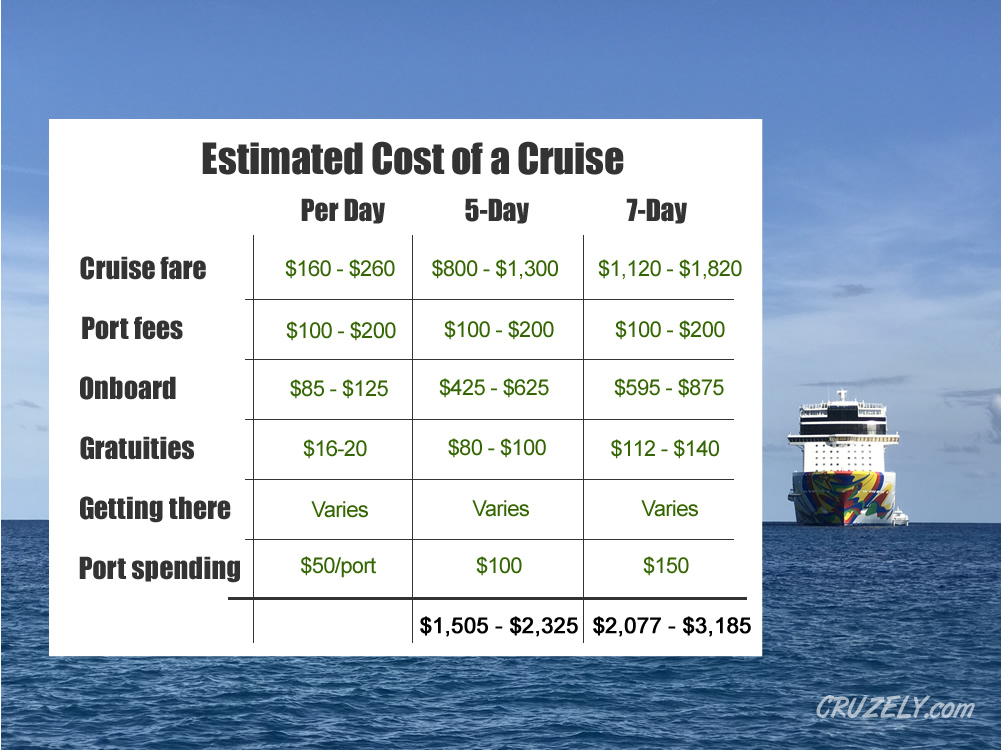
The advertised price of a cruise, often referred to as the base fare, is merely the starting point. While it covers a significant portion of your experience, it seldom encompasses everything. Understanding what this initial cost truly entails – and, more importantly, what it excludes – is paramount for accurate financial planning.
Understanding Cruise Line Tiers and Inclusions
Cruise lines operate across a spectrum of tiers, each offering different levels of service, amenities, and inclusions within their base fare.
- Mainstream/Contemporary Lines (e.g., Carnival, Royal Caribbean, Norwegian): These are typically the most budget-friendly options. Their base fares usually include your cabin, standard dining (main dining rooms, buffets, some casual eateries), basic entertainment (shows, live music, onboard activities), and access to most public spaces (pools, gyms). However, specialty restaurants, premium beverages, Wi-Fi, and many activities will be extra.
- Premium Lines (e.g., Celebrity, Holland America, Princess): These lines offer a step up in service, dining quality, and overall ambiance. Their base fares often include similar items to mainstream lines but with a generally more refined experience. Some might occasionally include a perk like a drink package or specialty dining credit as part of a promotional offer.
- Luxury Lines (e.g., Regent Seven Seas, Seabourn, Silversea): These are often considered all-inclusive. Their base fares typically cover almost everything: spacious suites, gourmet dining (including specialty restaurants), unlimited premium beverages, gratuities, Wi-Fi, and often even shore excursions and pre-paid airfare. The upfront cost is significantly higher, but the out-of-pocket expenses onboard are minimal.
- Expedition/River Cruises (e.g., Viking, Lindblad Expeditions): These focus on destination immersion. Their base fares are generally more inclusive, covering expert guides, lectures, and many excursions unique to their itineraries. Pricing can vary widely based on the remoteness and duration of the expedition.
Cabin Categories and Their Price Impact
The choice of your cabin dramatically influences the base fare. Cruising offers a range of accommodation options, each priced differently:
- Interior Cabins: These are the most economical option, located on the inside of the ship with no windows or natural light. Ideal for budget-conscious travelers who plan to spend most of their time exploring the ship or ports.
- Oceanview Cabins: Slightly more expensive, these cabins feature a window or porthole offering a view of the outside, but usually not a private balcony.
- Balcony Cabins: A significant jump in price, balcony cabins provide a private outdoor space, allowing you to enjoy fresh air and views from your room. These are highly popular and often considered a worthwhile upgrade for many cruisers.
- Suites: The most luxurious and expensive option, suites offer significantly more space, often separate living and sleeping areas, enhanced amenities, and exclusive perks like butler service or access to private lounges.
The price difference between an interior cabin and a suite on the same sailing can be thousands of dollars, fundamentally altering your overall cruise budget.
Itinerary, Duration, and Seasonality
Where and when you cruise, along with how long you sail, are major cost determinants:
- Itinerary: Popular destinations like the Caribbean or Mexico often have more competitive pricing due to higher demand and more available ships. Exotic itineraries (e.g., Alaska, Northern Europe, Antarctica, Transatlantic crossings) or those visiting less-frequented ports tend to be more expensive.
- Duration: Shorter cruises (3-5 nights) are generally cheaper per trip but can be more expensive on a per-day basis compared to longer voyages (7+ nights).
- Seasonality: Peak seasons (summer, holidays like Christmas/New Year’s, spring break) command the highest prices due to demand. Shoulder seasons (late spring, early fall) or off-peak seasons (winter in the Caribbean, hurricane season) often offer the best value. Flexibility with your travel dates can lead to substantial savings.
Port Fees, Taxes, and Gratuities
These are often the “hidden” or overlooked costs that inflate the base fare. While some cruise lines bundle them, they are typically added on top of the advertised price.
- Port Fees and Taxes: These mandatory charges are imposed by governments and port authorities. They cover things like docking fees, customs, immigration, and environmental regulations. These can range from tens to hundreds of dollars per person, depending on the itinerary and number of ports. They are non-negotiable.
- Gratuities (Service Charges): Most mainstream cruise lines automatically charge a daily gratuity per person, typically ranging from $14-$20 per day. This amount is distributed among the crew members who provide service throughout your voyage (dining staff, cabin stewards, etc.). While you can usually adjust or remove these charges, it’s generally frowned upon unless service was genuinely substandard, as it forms a significant portion of the crew’s income. Budgeting for these upfront avoids a surprise bill at the end of your trip.
Beyond the Base Fare: Essential Onboard Expenses
While the base fare covers your passage, accommodation, and basic amenities, a significant portion of your total cruise cost will come from optional onboard spending. These expenses can quickly accumulate if not managed properly.
Dining Upgrades and Specialty Restaurants
Most cruises include main dining rooms and buffet options in the base fare. However, nearly all ships now feature a variety of specialty restaurants that offer elevated dining experiences for an additional charge. These can range from $25 to $75+ per person for a single meal, or some lines offer dining packages that provide access to multiple specialty venues at a slightly reduced rate. While not strictly necessary, these often provide a more intimate atmosphere and unique culinary offerings.
Beverage Packages vs. À La Carte
Drinks are a significant source of additional revenue for cruise lines.
- Alcoholic Beverages: Expect prices comparable to a land-based restaurant or bar – cocktails from $10-$15, beer from $7-$10, wine by the glass from $8-$18.
- Non-Alcoholic Beverages: Soda, premium coffee, fresh juices, and bottled water are often extra. Tap water, basic coffee, tea, and some juices are typically free in the main dining areas.
- Beverage Packages: Most lines offer various packages, from soda-only to comprehensive alcoholic packages that include premium coffees, bottled water, and often a wide selection of wines, beers, and spirits. These typically range from $60-$100+ per person, per day, for alcohol packages. The value depends entirely on your consumption habits; they are often only cost-effective if you plan to have 5-7 alcoholic drinks a day, plus other premium non-alcoholic options. If only one person in a cabin wants a package, sometimes the other person is also required to purchase one, adding to the cost.
Wi-Fi and Connectivity Costs
Staying connected at sea can be expensive. Cruise ship Wi-Fi relies on satellite technology, which is costly to operate. Packages are typically sold by the day or for the entire voyage, often with different tiers for basic browsing, social media, or streaming. Prices can range from $15-$30+ per day. If you need to stay connected for work or personal reasons, factor this significant cost into your budget.
Shore Excursions and Activities
While in port, you have the option to explore independently or book organized shore excursions.
- Cruise Line Excursions: These are convenient, guaranteed to get you back to the ship on time, and often led by experienced guides. However, they come at a premium, typically ranging from $50-$200+ per person, per excursion.
- Independent Exploration: You can save money by arranging your own tours, using local transportation, or simply exploring ports on foot. This requires more research and planning but offers greater flexibility and cost savings.
Many ships also offer unique onboard activities like thermal suites in the spa, cooking classes, escape rooms, or high-thrill attractions (zip lines, go-karts) that may carry an additional fee.
Spa, Fitness Classes, and Personal Services
The ship’s spa and salon offer a tempting array of services, including massages, facials, hair styling, and manicures. These are comparable to luxury spas on land, with treatments often ranging from $100-$300+. Fitness classes (e.g., yoga, Pilates) may also incur an extra charge, though access to the gym and basic fitness equipment is usually free.
Retail Therapy: Onboard Shopping and Souvenirs
Cruise ships feature duty-free shops selling jewelry, clothing, perfume, and souvenirs. While potentially offering some savings on certain items, impulse purchases can quickly add up. Budgeting for souvenirs and any desired retail items is wise.
Pre- and Post-Cruise Expenses: The Full Travel Budget
The cost of a cruise isn’t confined to the ship itself. Significant expenses can arise before and after your voyage, often overlooked in the initial budgeting phase. A comprehensive travel budget must account for these crucial components.
Airfare and Ground Transportation
Getting to and from your embarkation/disembarkation port can be a substantial cost, especially if you’re flying internationally or across a continent.
- Airfare: Research flights well in advance. Consider booking flexible flights or arriving a day early to avoid potential delays that could cause you to miss your ship. Sometimes cruise lines offer air-inclusive packages, which can be convenient but may not always be the cheapest option.
- Ground Transportation: You’ll need to arrange transport from the airport to the cruise port (and vice versa). Options include cruise line transfers (convenient but often pricey), taxis, rideshares, or public transportation. Factor in these costs for each leg of your journey.
Pre- and Post-Cruise Hotel Stays
Many seasoned cruisers recommend arriving at least a day before your cruise departs, especially if you have a significant flight. This mitigates risks from flight delays, lost luggage, or bad weather. Similarly, you might need a post-cruise hotel stay if your flight home is not until late in the day. These hotel nights, particularly in popular port cities, can add hundreds of dollars to your trip.
Travel Insurance
While an optional expense, travel insurance is highly recommended for cruises. It protects your financial investment against unforeseen circumstances such as trip cancellation, interruption, medical emergencies at sea (which can be very costly), lost luggage, or missed connections. Policies vary in price based on your age, the cost of your trip, and the level of coverage, typically ranging from 4-10% of your total trip cost. This small upfront expense can save you thousands in a crisis.
Passport and Visa Fees
Ensure your passport is valid for at least six months beyond your return date. If you need to apply for or renew a passport, factor in the application fees and processing time. Some international itineraries may also require specific visas, which come with their own application fees and processes. Research these requirements well in advance.
Parking at the Port
If you plan to drive to your embarkation port, long-term parking at or near the cruise terminal can be expensive, often ranging from $15-$30+ per day. For a 7-day cruise, this can add $100-$200+ to your total. Explore options like off-site parking with shuttle services or public transportation alternatives.
Strategies for Managing and Reducing Cruise Costs
Cruising doesn’t have to break the bank. With strategic planning and smart choices, you can significantly manage and even reduce your overall cruise expenditure.
Booking Smart: Early Bird vs. Last-Minute Deals
- Early Bird: Booking 6-12 months in advance often secures the best cabin selection, desired itineraries, and can sometimes come with early booking incentives like free upgrades, onboard credit, or included perks. This is ideal for popular sailings or specific cabin types.
- Last-Minute Deals: If you’re flexible with dates, destinations, and cabin types, booking within 90 days of departure can sometimes yield significant discounts as cruise lines try to fill unsold cabins. However, choice will be limited, and airfare might be more expensive.
Loyalty Programs and Promotions
If you cruise frequently with the same line, joining their loyalty program can unlock benefits such as discounts on future cruises, complimentary upgrades, onboard credit, priority boarding, and exclusive events. Also, keep an eye out for promotional offers like “kids sail free,” “free drink packages,” or “onboard credit” when booking. Often, these promotions are bundled, making them attractive value propositions.
Budgeting for Onboard Spending
Set a daily or weekly budget for discretionary spending onboard and stick to it. Utilize the cruise line’s app or your cabin TV to monitor your onboard account regularly. Consider purchasing onboard credit in advance, sometimes at a slight discount, or using gift cards to control spending.
DIY Shore Excursions
Instead of always booking through the cruise line, research and plan your own activities in port. This can involve hiring a local taxi for a private tour, utilizing public transport, or simply walking around a charming port town. Not only is this often cheaper, but it also allows for greater flexibility and a more authentic experience. Always ensure you allocate ample time to return to the ship before its scheduled departure.
Considering All-Inclusive Cruises
While luxury lines inherently offer all-inclusive pricing, some mainstream and premium lines now offer “all-inclusive” packages or upgrades (e.g., Norwegian’s “Free at Sea” perks, Celebrity’s “Always Included”). While the upfront cost is higher, these packages can include gratuities, drink packages, Wi-Fi, and sometimes specialty dining or shore excursion credits. For those who typically spend heavily on these extras, an all-inclusive option might actually save money overall and provide peace of mind.
Choosing the Right Time and Itinerary
As discussed, cruising during the shoulder or off-peak seasons can lead to significant savings on both the cruise fare and potentially airfare. Opting for less exotic or shorter itineraries can also reduce costs. Be flexible with your travel dates and destination to find the best value.
Is a Cruise Worth the Investment?
After meticulously breaking down all the potential costs associated with a cruise, the question remains: is it a worthwhile investment for your vacation dollar?
Value Proposition Compared to Land Vacations
When comparing a cruise to a land-based vacation of similar duration, the value proposition often becomes clearer. A cruise fare typically includes:
- Accommodation: Your cabin, which doubles as your transportation.
- Food: Multiple dining options, from casual buffets to elegant main dining rooms.
- Entertainment: Broadway-style shows, live music, comedy clubs, casinos, and various onboard activities.
- Transportation: Your floating hotel takes you to multiple destinations without the hassle of packing/unpacking or navigating airports/train stations between cities.
For a land vacation, you’d separately pay for hotels, meals, entertainment, and transportation between destinations, which can quickly add up, often exceeding the cost of an equivalent cruise experience. The convenience and consolidated pricing of a cruise are strong financial arguments for many travelers.
Understanding Your Travel Priorities
Ultimately, whether a cruise is a financially sound choice depends on your personal travel priorities and preferences.
- If you prioritize convenience, value, and the ability to visit multiple destinations without logistical headaches, a cruise can be an excellent investment.
- If you prefer deep immersion in a single culture, extensive independent exploration, or a completely unstructured itinerary, a land-based trip might offer better value for your specific desires.
- For families, cruises often represent exceptional value due to included kids’ clubs, entertainment, and food, making budgeting simpler.
In conclusion, the question “how much does a cruise cost?” has no single, simple answer. It’s a complex equation with numerous variables, ranging from the base fare and cabin choice to essential onboard spending, pre- and post-cruise logistics, and personal consumption habits. However, by understanding each component of the cost, leveraging smart booking strategies, and diligently budgeting, travelers can unlock the immense value and unforgettable experiences that a cruise vacation offers. With careful planning, your dream voyage can be both magical and financially manageable.
aViewFromTheCave is a participant in the Amazon Services LLC Associates Program, an affiliate advertising program designed to provide a means for sites to earn advertising fees by advertising and linking to Amazon.com. Amazon, the Amazon logo, AmazonSupply, and the AmazonSupply logo are trademarks of Amazon.com, Inc. or its affiliates. As an Amazon Associate we earn affiliate commissions from qualifying purchases.