
The allure of a cruise is undeniable: waking up to a new horizon each day, all-inclusive dining, dazzling entertainment, and a seemingly effortless journey to multiple destinations. For many, it represents the ultimate stress-free vacation. However, the initial “starting from” price tag can often be a tempting but incomplete picture of the actual cost per person. Understanding the full financial commitment required for a cruise is crucial for budgeting effectively and avoiding unwelcome surprises once you’re onboard. This comprehensive guide will dissect the various components of cruise pricing, from the fundamental fare to the myriad optional extras, empowering you to plan your maritime adventure with financial clarity.
Deconstructing the Base Fare: What’s Included (and What’s Not)?
The cornerstone of your cruise budget is the base fare, the advertised price that initially catches your eye. While often presented as an all-encompassing figure, it’s essential to understand precisely what this foundational cost covers and what it typically omits.
The “Starting From” Price: An Initial Lure
When you see a cruise advertised for “$599 per person,” this is usually the lowest possible fare for a specific itinerary, duration, and cabin type, often an interior cabin during the off-peak season. This price generally includes your accommodation in the chosen cabin, three meals a day (typically in the main dining rooms and buffet), basic non-alcoholic beverages (water, iced tea, coffee, juice at breakfast), access to many onboard entertainment options (shows, live music, some activities), and transportation between your ports of call.
However, this introductory price rarely includes government taxes, port fees, or gratuities, which can add a significant percentage to the initial figure. It also typically excludes a host of popular amenities and services that many cruisers consider essential for a complete experience. The initial quote is merely the foundation upon which your total cruise cost will be built, influenced by several critical variables.
Cabin Categories: A Significant Price Driver
One of the most substantial factors dicturing your base fare is your choice of cabin. Cruise ships offer a spectrum of accommodation options, each with a corresponding price point:
- Inside Cabins: These are the most economical choice, offering no window or balcony to the outside world. They are ideal for budget-conscious travelers who plan to spend most of their time exploring the ship or ashore and only need a place to sleep and freshen up. Their lower price allows for potential reallocation of funds to other onboard experiences.
- Oceanview Cabins: These cabins provide a window overlooking the sea, offering natural light and a view, albeit usually non-opening. They are a step up in price and desirability from inside cabins, providing a sense of connection to the outside without the added expense of a private balcony.
- Balcony Cabins: Arguably the most popular category, balcony cabins feature a private veranda where you can enjoy fresh air, stunning views, and a quiet space to relax. They offer a significant upgrade in experience and comfort, often preferred for scenic itineraries like Alaska or the Norwegian Fjords. The premium for a balcony cabin can be substantial, but many cruisers find the added privacy and personal outdoor space well worth the investment.
- Suites: At the pinnacle of cruise luxury, suites offer larger living spaces, separate sleeping and sitting areas, enhanced amenities, and often exclusive perks like concierge service, priority boarding, and access to private lounges or dining venues. The price for a suite can be several times that of an inside cabin, appealing to those seeking an indulgent and pampered experience.
The difference in price between an inside cabin and a suite on the same sailing can easily be thousands of dollars per person, highlighting the profound impact of cabin choice on your overall cruise budget.
Itinerary, Duration, and Seasonality: The Time-Based Factors
Beyond the cabin, the specifics of your chosen voyage play a crucial role in pricing:
- Itinerary: Popular destinations like the Caribbean, Bahamas, and Mediterranean generally offer a wide range of price points due to high competition and frequent sailings. More exotic or niche itineraries, such as expeditions to Antarctica, Galapagos, or extended world cruises, command significantly higher prices due to their unique nature, specialized ships, and longer durations.
- Duration: Shorter cruises (3-5 nights) are typically more affordable per person in total, making them attractive for weekend getaways or first-time cruisers. Longer cruises (7+ nights) naturally incur a higher overall cost but can sometimes offer a lower per-day rate.
- Seasonality: This is a major factor. Cruising during peak season—think summer in Europe, winter holidays in the Caribbean, or spring break—will almost always be more expensive due to increased demand. Conversely, traveling during the “shoulder seasons” (e.g., late spring/early fall) or the off-peak season can yield substantial savings while still offering pleasant weather and fewer crowds. Booking well in advance or looking for last-minute deals (though these come with risks) can also impact the final cost.
Beyond the Base: Essential Add-Ons and Hidden Fees
While the base fare provides a foundation, it’s the mandatory and near-mandatory additional costs that often surprise first-time cruisers. These elements are non-negotiable for most voyages and must be factored into your per-person budget from the outset.
Port Fees, Taxes, and Gratuities: Non-Negotiable Necessities
These are the “hidden” costs that are almost never included in the advertised base fare but are mandatory:
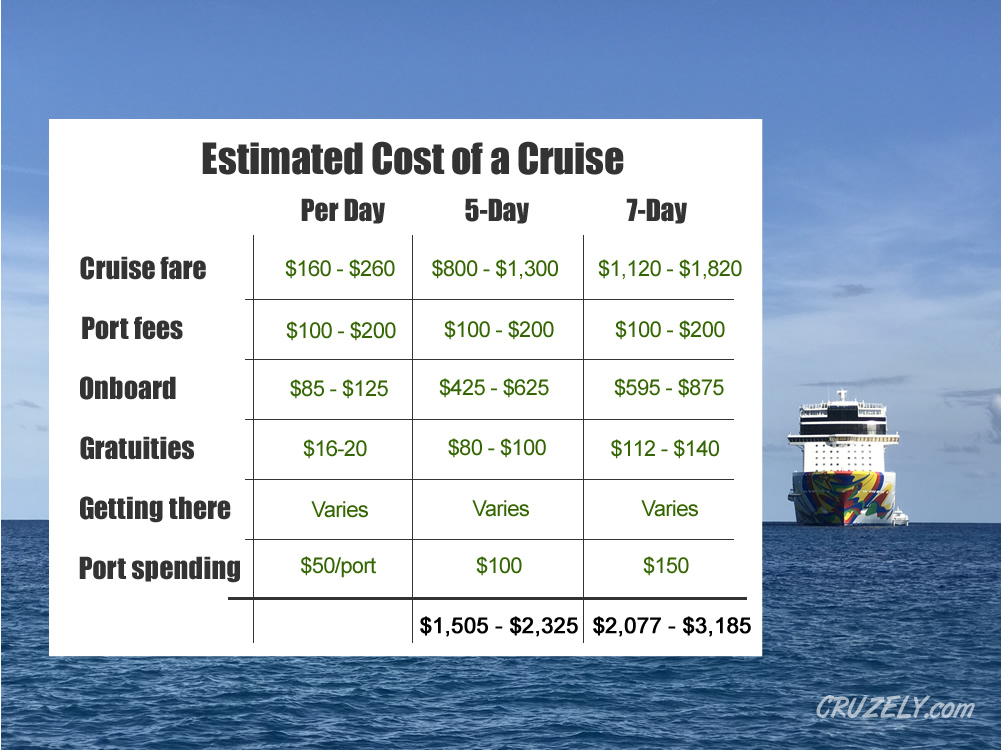
- Port Fees and Government Taxes: These charges are levied by the various ports of call and governments along your itinerary. They cover the cost of docking, local services, and various governmental duties. These can easily add hundreds of dollars per person to your total cost, varying by itinerary and cruise length. They are usually itemized separately when you book.
- Gratuities (Crew Appreciation): Most cruise lines automatically add a daily gratuity charge to your onboard account for each passenger. This covers the hard work of dining staff, cabin stewards, and other behind-the-scenes personnel. While you typically have the option to adjust or remove these charges, it’s generally frowned upon unless there’s a significant service issue. Budgeting $15-20 per person per day for gratuities is a reasonable estimate, which quickly adds up over a week-long cruise. Some luxury cruise lines include gratuities in their base fare.
Travel to and From the Port: The Pre-Cruise Expense
The journey to your embarkation port and from your disembarkation port is a critical, often overlooked, part of the overall vacation budget.
- Flights: For cruises departing from non-local ports, airfare can be a significant expense. Prices vary widely based on origin, destination, time of year, and how far in advance you book. Consider flying in at least a day before your cruise departs to mitigate the risk of travel delays causing you to miss your ship.
- Accommodation: If you fly in early, you’ll need a hotel stay. This adds another night or two of accommodation costs.
- Transfers/Parking: Getting to the cruise terminal from the airport or hotel requires transportation. Options include cruise line transfers (convenient but often pricey), taxis, ride-shares, or shuttle services. If driving, long-term parking at or near the port can also be a considerable expense.
These pre- and post-cruise logistics can easily add several hundred to over a thousand dollars per person, depending on your distance from the port.
Travel Insurance: A Prudent Investment
While technically optional, comprehensive travel insurance is a highly recommended financial safeguard for any cruise.
- Medical Emergencies: Standard health insurance may not cover you adequately outside your home country or on a ship. Travel insurance can cover emergency medical treatment, evacuation, and repatriation.
- Trip Interruption/Cancellation: If you need to cancel your cruise due to unforeseen circumstances (illness, family emergency) or if your trip is interrupted, insurance can reimburse non-refundable expenses.
- Lost Luggage/Delays: Coverage for lost or delayed baggage, as well as compensation for significant travel delays, provides peace of mind.
The cost of travel insurance varies based on your age, the total cost of your trip, and the level of coverage, but it’s a small percentage of your overall vacation budget that can save you from substantial financial loss in an emergency.
Onboard Expenses: Customizing Your Cruise Experience
Once onboard, a world of tempting extras awaits. These aren’t mandatory, but they significantly enhance the cruise experience for many and can inflate your per-person spending if not managed carefully.
Drinks Packages: Thirsty Work for Your Wallet
For many cruisers, a drinks package is a major consideration. While basic beverages are included, anything beyond that typically comes at an additional cost:
- Specialty Coffees and Teas: Your morning latte or afternoon chai will usually incur a charge.
- Sodas: Canned sodas are almost always extra.
- Alcoholic Beverages: Cocktails, wine, beer, and spirits are a significant source of revenue for cruise lines.
- Premium Bottled Water: While tap water is safe to drink, many prefer bottled water, which costs extra.
Drinks packages, which offer unlimited (or near-unlimited) beverages for a flat daily fee, can range from $50 to $100+ per person per day. Before purchasing, calculate whether your typical daily consumption justifies the cost, as unused package benefits are not refundable.
Specialty Dining: Culinary Upgrades
While the main dining rooms and buffets offer excellent food, most cruise lines feature specialty restaurants with unique themes, elevated cuisine, and a more intimate atmosphere.
- Cover Charges: These restaurants typically have a per-person cover charge, ranging from $25 to $75+, depending on the venue and cruise line.
- À la Carte Pricing: Some specialty restaurants price dishes individually, similar to land-based restaurants.
These dining experiences can be a highlight of the cruise, but indulging frequently can quickly add up.
Shore Excursions: Exploring Beyond the Ship
When your ship docks, you have the opportunity to explore the port city or surrounding attractions.
- Cruise Line Excursions: Conveniently organized by the cruise line, these tours guarantee you’ll return to the ship on time but are often more expensive. Costs vary wildly from $40 for a simple city tour to several hundred dollars for an all-day adventure or unique experience.
- Independent Tours: Booking with local operators or exploring on your own can often be more budget-friendly and offer greater flexibility, but require more planning and carry the risk of missing the ship if delays occur.
Budgeting for at least one or two excursions per port of call is a common practice for many cruisers.
Wi-Fi and Communications: Staying Connected at Sea
Internet access at sea is a premium service due to satellite technology.
- Package Pricing: Cruise lines typically offer Wi-Fi packages based on data usage or time, ranging from basic social media access to streaming-capable speeds. Costs can be anywhere from $10-$30 per day, or bundled into packages for the entire cruise.
- Cell Service: While some ships offer “at sea” cellular roaming, it’s notoriously expensive. Many choose to disconnect or rely on Wi-Fi in port.
Spa, Fitness Classes, and Retail Therapy
- Spa Treatments: Massages, facials, and other spa services are priced similarly to high-end land-based spas.
- Fitness Classes: While basic gym access is free, specialized classes like yoga, Pilates, or personal training sessions often incur an extra charge.
- Shopping: Onboard boutiques, duty-free shops, and souvenir outlets offer tempting purchases.
These optional extras represent opportunities to customize your experience, but also potential traps for an unmanaged budget.
Strategies for Budgeting and Saving on Your Cruise
Navigating the various costs of a cruise requires a strategic approach. With careful planning, you can significantly influence your per-person expenditure without sacrificing the quality of your vacation.
Timing Your Booking: Early Bird vs. Last-Minute
- Booking Far in Advance: Often yields the best selection of cabins and itineraries, and sometimes attractive “early bird” promotions or onboard credit. This is ideal for those with specific preferences.
- Last-Minute Deals: For spontaneous travelers with flexible dates and itineraries, booking within 90 days of sailing can sometimes uncover significant discounts, especially if a ship isn’t fully booked. However, cabin choices might be limited, and airfare might be more expensive.
Choosing the Right Cruise Line and Ship
Cruise lines cater to different budgets and demographics:
- Budget-Friendly: Lines like Carnival, MSC Cruises, and Norwegian Cruise Line often offer competitive base fares and value-oriented options, ideal for families or first-time cruisers.
- Premium: Celebrity Cruises, Holland America Line, and Princess Cruises offer a more refined experience with slightly higher prices.
- Luxury: Regent Seven Seas Cruises, Silversea, and Seabourn include almost everything in their base fare (drinks, gratuities, specialty dining, excursions, flights) but come with a much higher upfront cost.
Researching cruise lines and specific ships helps align your budget with your desired experience. Newer, larger ships often have more amenities but can be pricier.
Leveraging Promotions and Bundles
Keep an eye out for cruise line promotions:
- “Free at Sea” Offers: Many lines bundle perks like free drinks packages, specialty dining credits, Wi-Fi, or shore excursion credits into the base fare during promotional periods. These can offer substantial savings compared to purchasing each item separately.
- Onboard Credit: Often offered as a booking incentive, onboard credit can be used for various expenses, effectively reducing your out-of-pocket costs once on the ship.
- Travel Agent Expertise: A good travel agent can often access exclusive deals, group rates, or added perks that aren’t available directly to the public, potentially saving you money and hassle.
Mindful Spending Onboard and Ashore
Once on your cruise, conscious choices can keep your budget in check:
- Set a Daily Budget: Track your spending on extras using the cruise line’s app or by regularly checking your onboard account statement.
- Pack Essentials: Bring your own sunscreen, toiletries, and over-the-counter medications to avoid paying premium prices in the ship’s shops.
- Water Bottles: Bring a reusable water bottle and refill it at water stations to avoid purchasing bottled water.
- Port Exploration: Instead of always booking cruise line excursions, research independent local tours, utilize public transport, or simply enjoy wandering around the port town.
- Loyalty Programs: If you cruise frequently with the same line, their loyalty programs can offer discounts, onboard credits, or complimentary perks.
The True Cost vs. Value: Is a Cruise Worth It?
After dissecting all the potential costs, the question remains: is a cruise a good value for your money?
Comparing Apples to Oranges: Cruise vs. Land-Based Vacations
When comparing the “all-in” cost of a cruise to a land-based vacation, particularly an all-inclusive resort, cruises often hold their own financially. Consider what’s included in a cruise: accommodation, transportation between multiple destinations, most meals, and a wide array of entertainment. To replicate this experience independently—booking flights, hotels in several cities, ground transportation, meals, and entertainment in each location—would often be significantly more expensive and require far more logistical planning.
The value proposition of a cruise lies in its convenience and the unique experience of visiting multiple destinations without the hassle of constant packing and unpacking. For many, the ability to relax and have most elements of their vacation seamlessly handled offers unparalleled value.

Defining Your “Dream Cruise”
Ultimately, the “true” cost of a cruise per person isn’t just a number; it’s about the value you derive from the experience. Are you seeking an ultra-luxury, pampering escape where every whim is catered to, or a lively, budget-friendly adventure focused on destination exploration?
By understanding all the potential expenditures and employing smart budgeting strategies, you can tailor your cruise experience to align with both your financial comfort zone and your vacation aspirations. The goal isn’t necessarily to find the absolute cheapest cruise, but to ensure that the final price tag reflects a vacation experience that delivers exceptional value and lasting memories.
Cruising offers an incredible way to see the world, and with a transparent understanding of the costs involved, you can confidently set sail on your next financially savvy adventure.
aViewFromTheCave is a participant in the Amazon Services LLC Associates Program, an affiliate advertising program designed to provide a means for sites to earn advertising fees by advertising and linking to Amazon.com. Amazon, the Amazon logo, AmazonSupply, and the AmazonSupply logo are trademarks of Amazon.com, Inc. or its affiliates. As an Amazon Associate we earn affiliate commissions from qualifying purchases.