
Microsoft, a titan of the technology industry, is a name synonymous with innovation, widespread adoption, and immense financial power. When we ask “what is Microsoft’s net worth,” we are delving into more than just a single number; we are exploring the culmination of decades of strategic vision, technological breakthroughs, market dominance, and prudent financial management. Understanding the net worth of a company like Microsoft requires a deep dive into its assets, liabilities, revenue streams, and its overall financial health, providing invaluable insights for investors, economists, and anyone interested in the inner workings of a global economic powerhouse.
Understanding Microsoft’s Financial Colossus
To grasp the magnitude of Microsoft’s financial standing, it’s crucial to define what “net worth” signifies for a corporate entity and how it relates to other frequently cited financial metrics.
Defining Corporate Net Worth
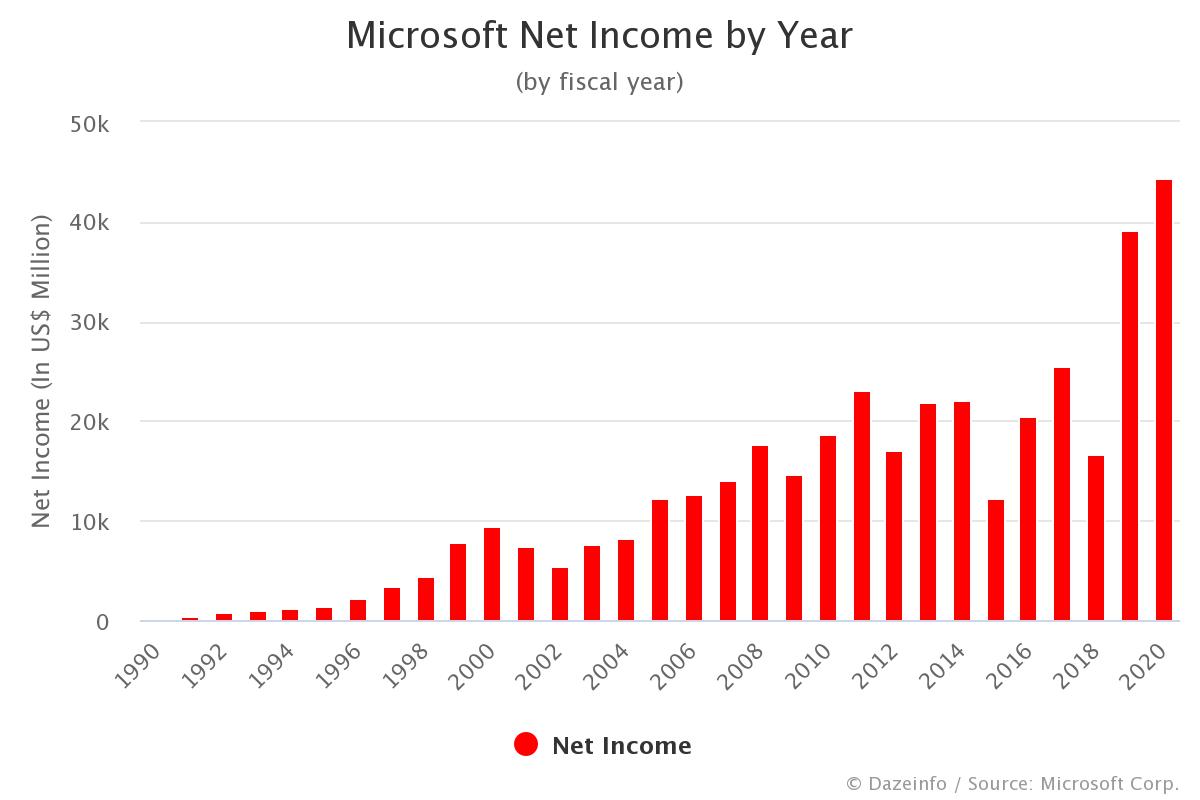
For a company, net worth is often referred to as shareholder equity or owner’s equity. It represents the total value of a company’s assets minus its total liabilities. In simpler terms, if Microsoft were to sell all its assets and pay off all its debts, the remaining value would be its net worth. This figure is a fundamental indicator of a company’s financial health and its intrinsic value to shareholders. It’s a snapshot of the company’s financial position at a given point in time, reflecting accumulated profits, capital contributions, and the value of its resources.
Beyond Market Capitalization: A Holistic View
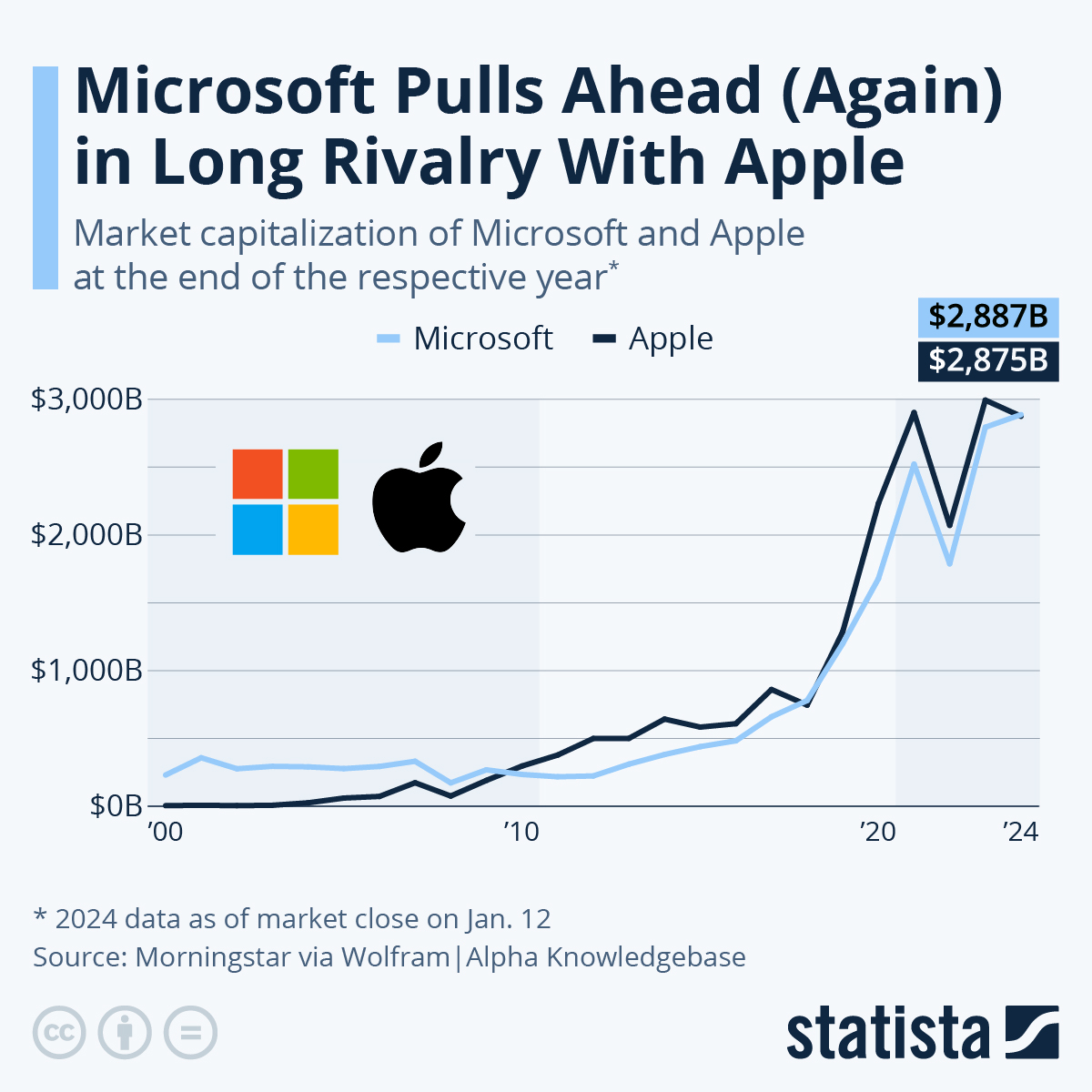
Often, Microsoft’s financial size is discussed in terms of its “market capitalization,” which is the total value of all its outstanding shares (share price multiplied by the number of shares). While market cap provides a real-time, market-driven valuation of the company’s equity, reflecting investor sentiment and future expectations, it differs from net worth. Net worth (shareholder equity) is derived from the balance sheet, reflecting historical accounting values and tangible assets more directly. While both are critical metrics, net worth provides a foundational, accounting-based view of the company’s residual value, whereas market cap offers a dynamic, forward-looking market appraisal. For a company like Microsoft, with significant intangible assets (intellectual property, brand value), the market capitalization typically far exceeds the reported book value (net worth). However, the underlying net worth still provides a crucial baseline for financial analysis.
The Scale of Microsoft’s Economic Footprint
Microsoft’s financial footprint extends across virtually every sector of the global economy. Its products and services, ranging from operating systems and productivity software to cloud computing and gaming consoles, are indispensable tools for billions of individuals and businesses worldwide. This pervasive influence translates into massive revenue generation, robust cash flows, and a balance sheet that commands respect, making its net worth a barometer for the health of the broader tech industry.
Key Drivers of Microsoft’s Valuation
Microsoft’s financial prowess and, consequently, its net worth are not static. They are the result of continuous innovation, strategic diversification, and adept market positioning across several high-growth sectors.
Cloud Dominance: Azure’s Exponential Growth
Perhaps the most significant driver of Microsoft’s recent growth and valuation is its Intelligent Cloud segment, primarily powered by Azure. As businesses increasingly migrate their operations to the cloud, Azure has emerged as a formidable competitor to Amazon Web Services, offering a comprehensive suite of cloud computing services, including infrastructure, platform, and software as a service (IaaS, PaaS, SaaS). The recurring revenue model, scalability, and high-margin nature of cloud services have not only fortified Microsoft’s financial statements but have also positioned it at the forefront of the digital transformation wave, contributing substantially to its assets and future earnings potential.
Software & Services: The Enduring Power of Windows, Office, and LinkedIn
While cloud computing dominates headlines, Microsoft’s foundational software and services continue to be immense cash cows. Windows remains the most widely used PC operating system globally, and its Office suite (Word, Excel, PowerPoint) — now largely delivered through the subscription-based Microsoft 365 – is an indispensable tool for productivity across individuals and enterprises. LinkedIn, acquired in 2016, has grown into the world’s largest professional network, adding a significant and growing revenue stream through advertising, subscriptions, and talent solutions. These established products and services provide stable, high-margin revenue and immense user bases, acting as crucial pillars supporting Microsoft’s financial edifice.
Gaming & Devices: Xbox and Surface’s Contribution
Microsoft’s More Personal Computing segment, encompassing Xbox gaming consoles, Surface devices, and search advertising (Bing), represents another vital component of its revenue and asset base. The Xbox ecosystem, with its hardware sales, Game Pass subscriptions, and extensive game library, is a major player in the global gaming market. The Surface line of premium laptops and tablets, while a smaller contributor, showcases Microsoft’s commitment to hardware innovation and expands its reach into device manufacturing. These segments diversify Microsoft’s revenue streams and allow it to capture value across the entire technology stack, from software to hardware.
Strategic Acquisitions and Investments
Microsoft has a long history of strategic acquisitions that have bolstered its capabilities, expanded its market reach, and added significant assets to its balance sheet. Beyond LinkedIn, other notable acquisitions like GitHub (the leading platform for software development collaboration), Nuance Communications (AI and speech technology), and the ongoing pursuit of Activision Blizzard (a gaming giant) demonstrate Microsoft’s proactive approach to enhancing its intellectual property, talent pool, and market share. Each successful acquisition not only adds tangible and intangible assets but also reduces competitive threats and opens new avenues for growth, directly impacting the company’s net worth over time.
Analyzing Microsoft’s Balance Sheet and Financial Health
The balance sheet is the primary financial statement for understanding a company’s net worth. It meticulously lists assets, liabilities, and shareholder equity.
Assets: Tangible and Intangible Strengths
Microsoft’s assets are vast and diverse. Tangible assets include cash and cash equivalents, short-term and long-term investments (often in other companies or marketable securities), property, plant, and equipment (data centers, office buildings), and inventory. The sheer scale of its data center infrastructure for Azure alone represents an enormous asset base.
However, for a technology company like Microsoft, intangible assets are equally, if not more, critical. These include patents, copyrights, trademarks (like Windows, Office, Xbox), intellectual property, acquired technologies, customer relationships, and goodwill from acquisitions. The brand value of Microsoft itself is an intangible asset worth billions. These intangible assets, while harder to quantify precisely on a balance sheet, are fundamental to Microsoft’s competitive advantage and future earning potential.
Liabilities: Debt Management and Obligations
On the other side of the ledger are Microsoft’s liabilities. These include accounts payable (what it owes to suppliers), deferred revenue (payments received for services yet to be delivered, like unearned subscriptions), unearned income taxes, and various forms of debt (short-term and long-term borrowings). Microsoft is known for its strong financial management and generally maintains a healthy debt-to-equity ratio. While it does take on debt for strategic purposes (like funding acquisitions or share buybacks), its substantial cash flow generation ensures that these obligations are manageable and do not unduly burden its financial health.
Shareholder Equity and Retained Earnings
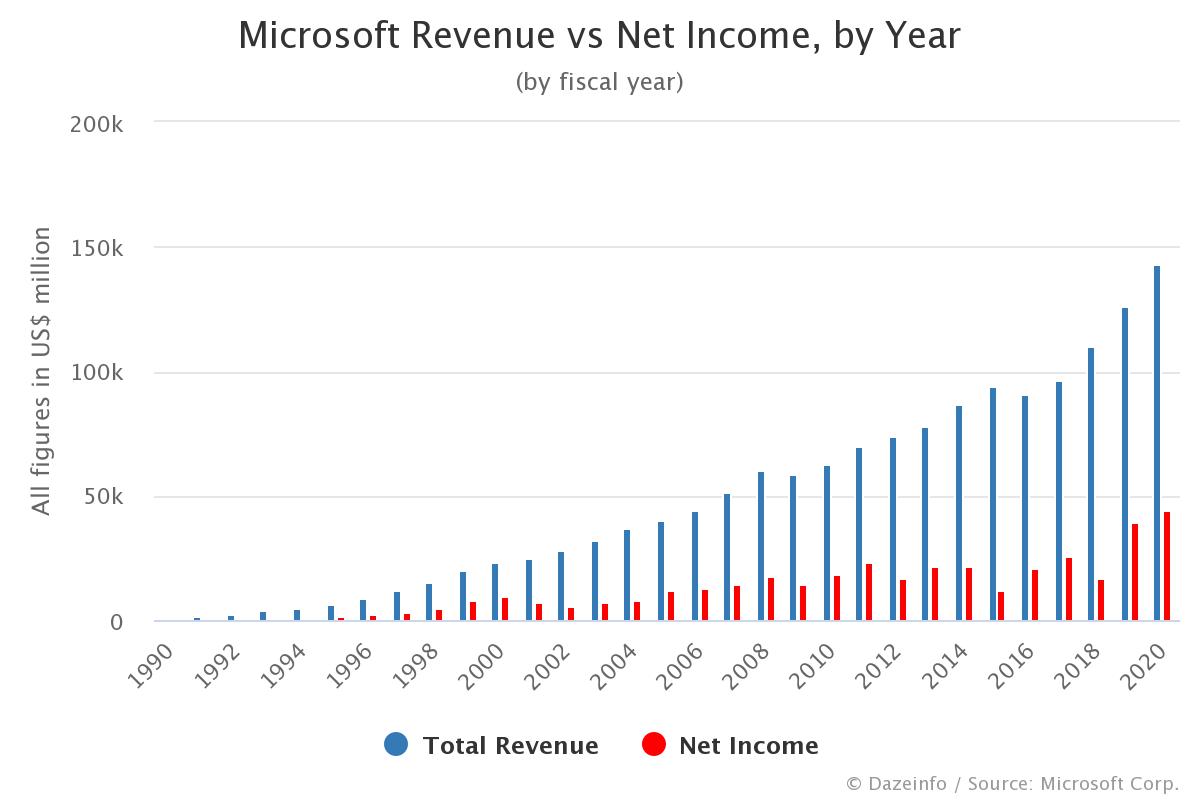
The net worth of Microsoft, as represented by shareholder equity, is the residual value after liabilities are subtracted from assets. This equity is comprised primarily of common stock (the value of shares issued), additional paid-in capital, and, most significantly, retained earnings. Retained earnings are the cumulative net income (profits) that Microsoft has kept in the business rather than distributing as dividends to shareholders. The consistently high profitability of Microsoft over decades has led to a substantial accumulation of retained earnings, making it a powerful component of its net worth and a source of funding for future growth initiatives.
Cash Flow Generation and Profitability
Beyond the static view of the balance sheet, Microsoft’s ability to consistently generate massive amounts of free cash flow is a testament to its operational efficiency and market power. Strong cash flows enable the company to invest in research and development, fund acquisitions, repurchase shares (boosting earnings per share and reducing outstanding share count, indirectly impacting equity), and pay dividends. High profitability and robust cash flow generation are critical for growing net worth and ensuring long-term financial stability.
The Impact of Global Economic Factors and Future Outlook
Microsoft’s net worth is not immune to external forces. Global economic trends, technological shifts, and competitive landscapes all play a role in its ongoing valuation.
Macroeconomic Headwinds and Tailwinds
Economic downturns can impact corporate spending on software and cloud services, potentially slowing revenue growth. Conversely, periods of economic expansion and digital acceleration act as tailwinds. Interest rate changes can affect borrowing costs and the attractiveness of investments. Currency fluctuations, given Microsoft’s global operations, also impact reported earnings. Microsoft’s diversified portfolio and resilient business model, however, tend to provide a degree of insulation against severe downturns, making it a relatively stable investment during turbulent times.
Innovation, AI, and Future Growth Vectors
The future outlook for Microsoft’s net worth is strongly tied to its continued leadership in innovation, particularly in emerging fields like Artificial Intelligence (AI). Investments in OpenAI (the creator of ChatGPT), the integration of AI capabilities across its product suite (Microsoft 365 Copilot, Azure AI), and its ongoing R&D efforts position Microsoft to capitalize on the next wave of technological transformation. These advancements promise new revenue streams, enhanced product value, and sustained market relevance, all of which contribute to future asset growth and, consequently, net worth.
Investor Sentiment and Market Perception
While net worth is an accounting measure, investor sentiment and market perception heavily influence Microsoft’s market capitalization, which often overshadows the book value in public discourse. Perceptions of Microsoft’s leadership, its competitive position, its ethical practices, and its ability to execute on strategic initiatives all play a role in how the market values its shares. Positive sentiment can drive up demand for its stock, while negative sentiment can depress it, indicating the market’s expectation of future profitability which ultimately influences the long-term growth of its underlying net worth.
Why Microsoft’s Net Worth Matters
Microsoft’s net worth is far more than an abstract financial figure; it carries profound implications for various stakeholders and the broader economic landscape.
Indicator for Investors and Stakeholders
For investors, a company’s net worth (or shareholder equity) provides a foundational measure of its intrinsic value. A growing net worth, especially when driven by retained earnings, signifies a financially healthy and profitable company that is accumulating wealth for its owners. It’s a key metric used in conjunction with other financial statements to assess investment viability, risk, and long-term growth potential. Lenders also look at net worth as an indicator of a company’s ability to meet its obligations.
Benchmark for Industry Competitors
Microsoft’s financial scale and net worth serve as a significant benchmark for competitors within the technology sector. Its robust balance sheet allows for aggressive investments in R&D, strategic acquisitions, and market expansion, making it a formidable force. Smaller tech companies and even other giants often compare their financial health and growth trajectories against Microsoft’s impressive figures.
Influence on Global Technology and Economy
Ultimately, the immense net worth of Microsoft reflects its significant influence on global technology and the economy. Its financial strength enables it to shape industry standards, drive innovation, create vast numbers of jobs, and exert considerable economic power. As Microsoft continues to evolve, its net worth will remain a critical metric, reflecting not only its financial health but also its ongoing impact on the digital world we inhabit.
In conclusion, while specific real-time net worth figures fluctuate, Microsoft consistently ranks among the most valuable companies globally. Its net worth is a testament to its robust and diversified business model, its unparalleled ability to innovate and adapt, and its strategic financial management. It underscores the company’s enduring power and its central role in the global economy, making it a subject of continuous interest and analysis within the world of finance.
aViewFromTheCave is a participant in the Amazon Services LLC Associates Program, an affiliate advertising program designed to provide a means for sites to earn advertising fees by advertising and linking to Amazon.com. Amazon, the Amazon logo, AmazonSupply, and the AmazonSupply logo are trademarks of Amazon.com, Inc. or its affiliates. As an Amazon Associate we earn affiliate commissions from qualifying purchases.