
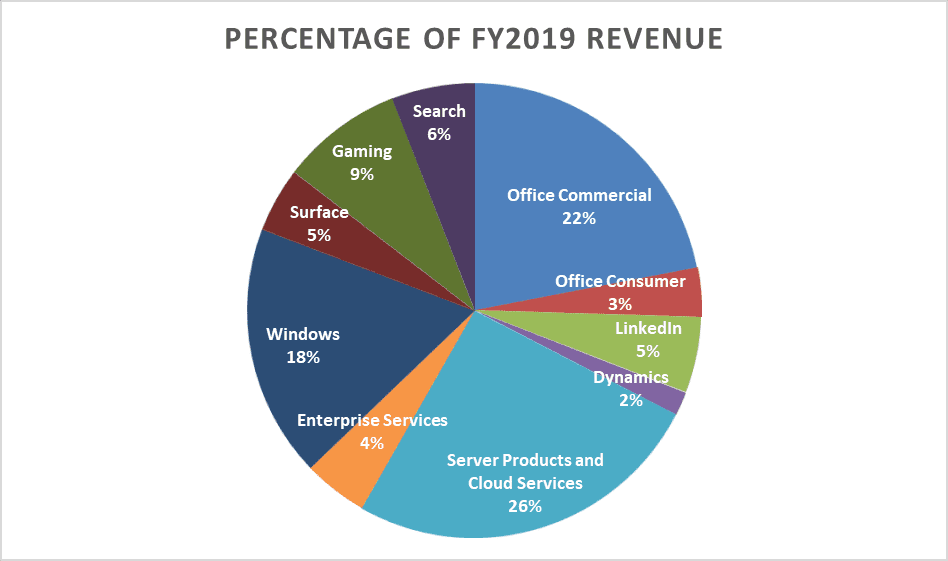
To ask “what industry is Microsoft in?” is to embark on a journey through the very arteries of the global technology landscape. For decades, Microsoft has been more than just a company; it has been a foundational pillar, a relentless innovator, and an omnipresent force shaping how individuals and enterprises interact with the digital world. While often stereotyped as merely a “software company” due to its ubiquitous Windows operating system and Office productivity suite, this perception barely scratches the surface of its vast and increasingly diversified operations. Microsoft today operates across a complex web of interconnected technology sectors, embodying a true tech conglomerate that influences everything from cloud computing and artificial intelligence to gaming and enterprise solutions. Its industry is not singular, but rather a dynamic ecosystem of high-tech domains, constantly evolving and expanding its reach.
The Evolving Core: From Operating Systems to Cloud Dominance
Microsoft’s journey began with a clear focus on empowering individual users and businesses through personal computing. This foundational commitment to software laid the groundwork for its eventual expansion into a multi-faceted technology powerhouse, with its core offerings continually adapting to new paradigms.
Desktop Computing Foundation: The Enduring Legacy of Windows and Office
At its inception, Microsoft’s identity was inextricably linked to the personal computer revolution. The MS-DOS operating system, followed by the groundbreaking graphical user interface of Windows, democratized computing, making it accessible to millions. Windows remains the most widely used desktop operating system globally, forming the backbone for countless personal and professional workflows. Complementing this, the Microsoft Office suite—Word, Excel, PowerPoint, and Outlook—became the gold standard for productivity software. These applications moved beyond simple utilities to become critical tools for information management, creation, and communication. Microsoft’s dominance in this sector is a testament to its early vision and consistent efforts to refine and expand these essential tools, continually integrating new features and security enhancements to maintain their relevance in an ever-changing digital environment. While the PC market has matured, the pervasive presence of Windows and Office continues to serve as a critical entry point for many users into the Microsoft ecosystem.
The Cloud Revolution with Azure: Microsoft’s Strategic Pivot to Enterprise Cloud Services
Perhaps the most significant strategic pivot in Microsoft’s recent history has been its aggressive and highly successful embrace of cloud computing. Microsoft Azure, launched in 2010, has transformed the company from a primarily on-premise software vendor into a leading global provider of cloud services. Azure offers a comprehensive suite of Infrastructure-as-a-Service (IaaS), Platform-as-a-Service (PaaS), and Software-as-a-Service (SaaS) solutions. This encompasses everything from virtual machines, storage, and networking to sophisticated developer tools, data analytics, and machine learning capabilities. Enterprises of all sizes leverage Azure to host their applications, store vast amounts of data, develop new software, and scale their IT infrastructure on demand, moving away from costly and complex on-premise data centers. This strategic shift has not only opened up massive new revenue streams but also cemented Microsoft’s position at the forefront of the digital transformation wave, powering the backend of countless modern businesses and applications across virtually every industry.
Productivity Reinvented: Microsoft 365
Building on the success of its traditional Office suite and Azure’s cloud capabilities, Microsoft reinvented its productivity offering with Microsoft 365. This subscription-based service bundles the familiar Office applications with cloud services like OneDrive for storage, SharePoint for collaboration, Teams for communication and collaboration, and advanced security and device management features. Microsoft 365 represents a move from selling perpetual software licenses to providing an integrated, always-up-to-date, and secure productivity platform delivered as a service. It caters to both individual consumers and large enterprises, offering a seamless and integrated experience across devices and locations. This evolution has transformed how people work, learn, and connect, providing a robust, cloud-powered toolkit that fosters collaboration, enhances security, and ensures continuous access to the latest productivity innovations, firmly positioning Microsoft as a leader in the Software-as-a-Service (SaaS) sector.
Expanding Horizons: Hardware, Gaming, and Enterprise Solutions
Beyond its core software and cloud offerings, Microsoft has strategically diversified its portfolio, extending its technological prowess into consumer hardware, immersive entertainment, and specialized enterprise applications. These ventures showcase a deliberate strategy to build comprehensive ecosystems that complement and enhance its foundational services.
Forging Ahead in Hardware: Surface Devices and Other Innovations
While primarily known for software, Microsoft has made significant strides in the hardware industry, particularly with its Surface line of devices. The Surface family, including tablets, laptops, and all-in-one PCs, represents Microsoft’s vision for premium Windows hardware. These devices are meticulously designed to showcase the full capabilities of the Windows operating system and its associated services, often pushing design and form-factor innovation in the PC market. Beyond Surface, Microsoft has also ventured into other hardware categories, such as accessories (keyboards, mice), HoloLens for mixed reality, and specialized data center hardware. This hardware segment allows Microsoft to directly influence user experience, optimize software-hardware integration, and compete in the lucrative consumer electronics and professional device markets, providing a complete end-to-end technology solution.
Immersive Entertainment: Xbox Ecosystem
Microsoft’s entry into the gaming industry with Xbox was a bold move that has paid off handsomely, establishing the company as a major player in the interactive entertainment sector. The Xbox brand encompasses gaming consoles (Xbox Series X/S), a vast ecosystem of games (both first-party and third-party), online multiplayer services (Xbox Live), and a subscription service (Xbox Game Pass) that offers access to a large library of titles. Through its various game studios, Microsoft is also a significant developer and publisher of video games, contributing to the creative content side of the industry. The Xbox ecosystem extends beyond hardware, integrating cloud gaming capabilities through Xbox Cloud Gaming (xCloud), allowing users to stream games across various devices. This commitment to gaming positions Microsoft not just as a technology provider but as a purveyor of entertainment experiences, leveraging its cloud infrastructure and AI capabilities to enhance gaming interactivity and accessibility.
Powering Businesses: Dynamics 365 and Enterprise Software
Microsoft’s influence extends deeply into the enterprise software market, particularly with its Dynamics 365 suite. This comprehensive platform integrates Customer Relationship Management (CRM) and Enterprise Resource Planning (ERP) functionalities, along with business intelligence tools. Dynamics 365 offers modules for sales, customer service, field service, finance, operations, commerce, and human resources, providing businesses with an integrated solution to manage their core operations. By combining these critical business functions into a unified, cloud-based platform, Microsoft enables organizations to streamline processes, gain deeper insights into their data, and improve overall operational efficiency. This positions Microsoft as a key provider of business-critical software that underpins the daily operations and strategic decision-making of enterprises across diverse industries, from retail to manufacturing.
The Future Frontier: Artificial Intelligence and Innovation
Microsoft is not merely resting on its laurels but is actively shaping the future of technology, with artificial intelligence serving as a central pillar of its long-term strategy. Its investments in R&D and emerging technologies underscore a commitment to continuous innovation.
AI Everywhere: Integrating Intelligence Across Products
Artificial Intelligence (AI) is no longer a niche technology for Microsoft; it is a pervasive force integrated across its entire product portfolio. From enhancing productivity in Microsoft 365 with AI-powered features like Copilot, which assists users in generating content, analyzing data, and automating tasks, to powering intelligent search in Bing, Microsoft is embedding AI into the fabric of user experience. Azure AI services offer a vast array of tools and pre-trained models for developers, enabling them to easily incorporate capabilities such as computer vision, natural language processing, speech recognition, and intelligent bots into their own applications. Microsoft’s significant partnership and investment in OpenAI, the creators of ChatGPT, further solidifies its leadership in generative AI, demonstrating a commitment to democratizing access to cutting-edge AI research and capabilities. This “AI everywhere” approach signifies Microsoft’s intent to make intelligence a fundamental component of all digital interactions and enterprise solutions.
Research and Development Driving Tomorrow: Microsoft Research and Long-Term Tech Investments
A substantial portion of Microsoft’s technological leadership stems from its world-renowned research division, Microsoft Research. This global network of labs focuses on fundamental and applied research across a myriad of disciplines, including quantum computing, mixed reality (e.g., HoloLens), advanced robotics, bio-computing, and human-computer interaction. Microsoft’s long-term investments in these nascent technologies are crucial for identifying the next wave of disruptive innovations. For instance, its efforts in quantum computing aim to develop revolutionary computing paradigms that could solve problems currently intractable for classical computers. Similarly, its work in mixed reality seeks to blend the digital and physical worlds, creating new immersive experiences for work and entertainment. This sustained commitment to deep scientific and technological exploration ensures that Microsoft remains at the cutting edge of technological advancement, often laying the groundwork for products and services that will define future industries.
Cybersecurity as a Foundational Pillar: Protecting the Digital World
In an increasingly interconnected and threat-laden digital landscape, cybersecurity has become a critical industry in itself, and Microsoft is a leading provider of solutions in this domain. Recognizing that trust is paramount, Microsoft integrates robust security features across all its platforms and offers a comprehensive suite of dedicated cybersecurity services. This includes identity and access management (Azure Active Directory), threat protection for endpoints and cloud environments (Microsoft Defender), information protection, and security management. Leveraging its vast global threat intelligence, AI-powered detection capabilities, and a global network of security experts, Microsoft helps organizations protect their digital assets from sophisticated cyberattacks. Its security offerings are essential for enterprises navigating complex regulatory environments and safeguarding sensitive data, positioning Microsoft as a vital partner in maintaining the integrity and resilience of the digital ecosystem.
Strategic Acquisitions and Ecosystem Development
Microsoft’s growth strategy extends beyond internal innovation, heavily relying on strategic acquisitions and the nurturing of a robust developer ecosystem to expand its reach and consolidate its position across various tech sectors.
Growth Through Acquisition: LinkedIn, GitHub, Activision Blizzard, and their Strategic Significance
Microsoft has historically used mergers and acquisitions (M&A) as a powerful tool for growth and strategic diversification. Notable acquisitions like LinkedIn (professional networking), GitHub (developer platform), and Activision Blizzard (gaming content) exemplify this approach. The acquisition of LinkedIn brought Microsoft into the professional social networking space, integrating its vast user base with Microsoft’s enterprise solutions and creating new avenues for professional development and talent acquisition. GitHub solidified Microsoft’s commitment to the developer community and open-source software, making it a central hub for millions of developers worldwide. The recent acquisition of Activision Blizzard, a major video game publisher, represents a significant move to bolster its gaming content library for Xbox and Game Pass, intensifying its competition with other major players in the entertainment industry. These acquisitions are not merely about expanding market share; they are strategic moves to integrate new capabilities, expand ecosystem influence, and unlock synergies that enhance Microsoft’s overall technological offering and market footprint.

Developer Ecosystem and Open Source: Nurturing Communities and Platforms
Microsoft recognizes that a vibrant developer community is crucial for the health and growth of any technology ecosystem. Over the years, the company has made significant efforts to engage and support developers, transitioning from a proprietary-first mindset to a more open and collaborative approach. This is evident in its embrace of open-source software, its stewardship of GitHub, and its provision of powerful developer tools like Visual Studio and .NET. Azure offers a rich set of APIs and SDKs that allow developers to build and deploy applications quickly. By providing robust tools, comprehensive documentation, and platforms for collaboration, Microsoft empowers millions of developers to build innovative solutions on its platforms, ensuring a continuous flow of new applications and services that enrich the entire Microsoft ecosystem, from Windows and Office to Azure and Xbox. This commitment to the developer community fosters innovation and expands the utility and relevance of Microsoft’s technologies across diverse industries.
In conclusion, to categorize Microsoft into a single industry is to misunderstand its profound and multi-layered impact on the global technology landscape. Microsoft’s industry is a dynamic and interconnected web spanning cloud computing, software development (operating systems, productivity suites, enterprise applications), artificial intelligence, cybersecurity, gaming and interactive entertainment, hardware manufacturing (personal computing devices), and professional networking platforms. It is a company that provides foundational infrastructure, empowers individual productivity, drives enterprise digital transformation, and creates immersive entertainment experiences. Microsoft’s strategic evolution, marked by its relentless innovation, aggressive cloud expansion, and synergistic acquisitions, positions it not just within one industry, but as a central orchestrator across virtually all critical sectors of the modern digital economy.
aViewFromTheCave is a participant in the Amazon Services LLC Associates Program, an affiliate advertising program designed to provide a means for sites to earn advertising fees by advertising and linking to Amazon.com. Amazon, the Amazon logo, AmazonSupply, and the AmazonSupply logo are trademarks of Amazon.com, Inc. or its affiliates. As an Amazon Associate we earn affiliate commissions from qualifying purchases.