
In an increasingly digital financial landscape, managing your money and scrutinizing transactions has become a daily routine for millions. With the convenience of mobile banking, platforms like the Navy Federal app empower members to conduct a vast array of financial tasks from the palm of their hand. However, even with the best oversight, discrepancies can arise – unauthorized charges, duplicate billing, incorrect amounts, or services not rendered. Knowing how to effectively dispute these charges is a critical skill for safeguarding your financial well-being. This guide delves into the essential steps and insights required to navigate the charge dispute process seamlessly using the Navy Federal mobile application, ensuring your money remains where it belongs.
Understanding the Need for Charge Disputes
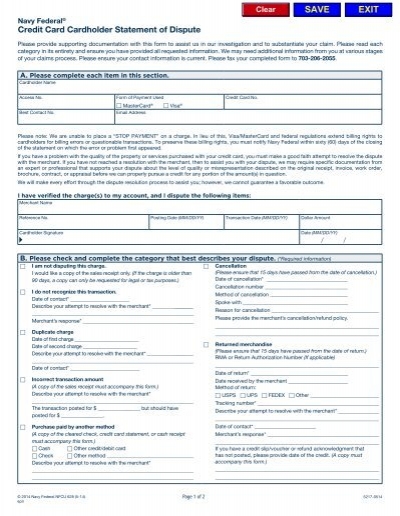
Encountering an unfamiliar or incorrect charge on your statement can be unsettling, but it’s a more common occurrence than many realize. Recognizing when and why to dispute a charge is the first step in protecting your financial interests.
Common Reasons for Disputing a Charge
Charge disputes stem from a variety of situations, each warranting a specific approach. Understanding these common scenarios can help you categorize your particular issue:
- Unauthorized Transactions (Fraud): This is perhaps the most serious reason. If you notice a charge for goods or services you did not authorize, or a transaction you simply do not recognize, it could be a sign of fraudulent activity, such as identity theft or compromised card information.
- Duplicate Charges: Sometimes, due to technical glitches or human error, a merchant might accidentally charge you twice for the same purchase. This is often easily resolved but still requires your attention.
- Incorrect Amounts: You might be charged an amount different from what you agreed upon, either higher or lower. This can happen with tips, miskeyed entries, or promotional pricing not being applied correctly.
- Services Not Rendered/Goods Not Received: You paid for a product or service that was never delivered, or what was delivered was significantly different from what was advertised or agreed upon. This includes non-delivery of online orders, faulty products, or unfulfilled service agreements.
- Subscription Issues: Many people encounter issues with recurring charges for subscriptions they thought they canceled, free trials that automatically converted to paid subscriptions without clear notification, or charges for services they no longer use.
The Importance of Timely Action
Time is often a critical factor when disputing a charge. Consumer protection laws are in place to safeguard your rights, but they often come with deadlines.
- Consumer Protection Laws: For credit card disputes, the Fair Credit Billing Act (FCBA) offers robust protections, requiring you to notify your card issuer within 60 days after the first statement containing the error was mailed. While debit card protections (Reg E) are also strong, they generally have tighter reporting windows for unauthorized transactions (e.g., 2 business days for maximum protection against liability). Acting swiftly significantly strengthens your position and can limit your liability, especially in cases of fraud.
- Maximizing Resolution Chances: The sooner you report a discrepancy, the fresher the details are in your mind, and potentially in the merchant’s records. This can expedite the investigation process and increase the likelihood of a favorable resolution. Delayed reporting might make it harder to gather evidence or for the financial institution to reverse the charge.
Preparing for Your Dispute: Gathering Essential Information
Before you even open the Navy Federal app, a bit of preparatory work can significantly streamline the dispute process and improve your chances of success. A well-documented dispute is a strong dispute.
What Information You’ll Need
Having the right details at your fingertips is paramount. When you initiate a dispute, Navy Federal will ask for specific information to launch their investigation:
- Transaction Date and Amount: The precise date the transaction occurred and the exact monetary value of the charge.
- Merchant Name: The name of the business or entity that charged you. This might appear slightly different on your statement (e.g., a corporate name versus a store name), so be prepared for variations.
- A Clear Explanation of the Discrepancy: This is your narrative. Be concise but thorough. Clearly state why you are disputing the charge (e.g., “This was a duplicate charge for an order placed on [date],” or “I never authorized this purchase from [merchant]”).
- Supporting Documentation: This is where your diligent record-keeping pays off. Examples include:
- Receipts: Digital or physical receipts for authorized purchases.
- Communication with Merchant: Emails, chat logs, or call summaries documenting your attempts to resolve the issue directly with the merchant.
- Screenshots: Of product listings, confirmation emails, shipping notices, or even the merchant’s website terms and conditions if relevant.
- Order Confirmations: For online purchases that were never delivered.
Initial Steps Before Contacting Navy Federal
While the app provides a direct route, sometimes a quick preliminary step can resolve the issue even faster or provide crucial context for your dispute.
- Reviewing Your Own Records: Double-check your own purchase history, emails, and physical receipts. Is it possible you forgot about a recurring subscription, or a family member made a purchase you weren’t aware of? Confirming it’s truly an error saves time for everyone.
- Contacting the Merchant First (When Appropriate): For issues like duplicate charges, incorrect billing amounts, or non-delivery of goods, often the quickest resolution is to contact the merchant directly. Many reputable businesses prefer to resolve these issues themselves to maintain customer satisfaction. If you attempt this and the merchant is uncooperative or unresponsive, document your attempts (dates, names of representatives, what was discussed) as this information will be valuable for Navy Federal. For outright fraud, however, contact Navy Federal immediately.
- Understanding Your Account Type: Be aware of whether the charge is on your Navy Federal debit card or credit card. While Navy Federal provides excellent protection for both, the specific regulations and timelines can differ slightly, particularly regarding provisional credits and liability limits.
Step-by-Step Guide to Disputing via the Navy Federal App
The Navy Federal app is designed for user convenience, including the process for disputing charges. Follow these steps to initiate your dispute directly from your mobile device.
Navigating to the Dispute Feature
Accessing the dispute functionality is intuitive once you know where to look.
- Logging In Securely: Open the Navy Federal app and log in using your credentials. Ensure you’re on a secure, private network to protect your financial information.
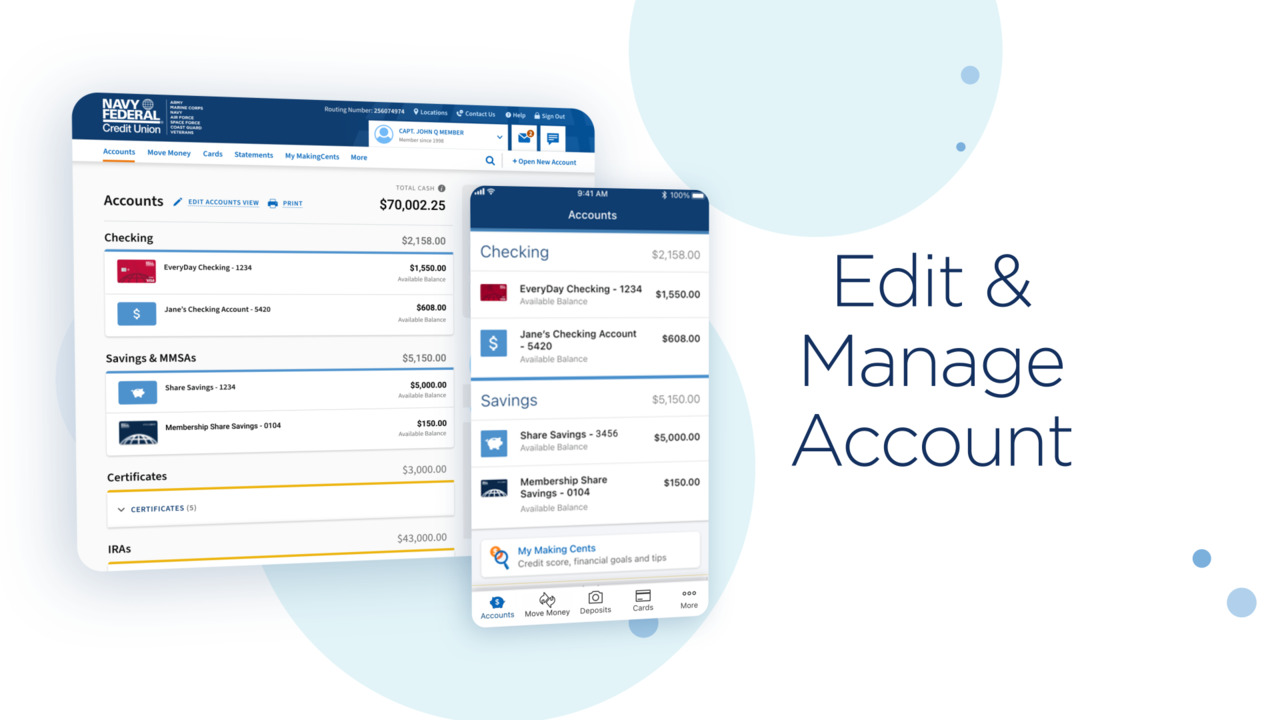
- Locating the Transaction History: From the main dashboard, navigate to your account details (checking, savings, credit card) where the disputed transaction occurred. Select “Transaction History” or a similar option to view recent activity.
- Identifying the Specific Transaction: Scroll through your transactions to find the exact charge you wish to dispute. Tap on the transaction to view its full details.
Initiating the Dispute Process
Once you’ve located the transaction, the app guides you through the necessary steps.
- Selecting “Dispute Transaction” or Similar Option: Within the transaction details screen, look for an option like “Dispute Transaction,” “Report Fraud,” or “Question This Transaction.” Tap this option to begin the dispute wizard.
- Choosing the Reason for Dispute: The app will likely present a list of common reasons for dispute (e.g., “I did not make this purchase,” “Duplicate charge,” “Incorrect amount,” “Goods/services not received”). Select the reason that best describes your situation. Be specific here, as it guides Navy Federal’s investigation.
- Providing Detailed Explanations: You will be prompted to provide a written explanation. This is where you leverage the details you gathered in the preparation phase. Clearly and concisely state what happened, including any dates, names, and prior attempts to resolve with the merchant.
- Uploading Supporting Documents: If the app allows (and it typically does), upload any supporting documents you have, such as screenshots of communications, receipts, or order confirmations. Clear, legible images are best.
Submitting and Tracking Your Dispute
After providing all the necessary information, the final steps involve submission and monitoring.
- Confirmation of Submission: Once you submit your dispute, the app should provide a confirmation message or an email notification, often including a reference number. Keep this number handy for any future inquiries.
- How to Monitor Dispute Status within the App: Navy Federal often provides a dedicated section within the app or online banking portal where you can track the status of your open disputes. Regularly check this section for updates.
- Understanding the Provisional Credit: For credit card disputes, and sometimes for debit card issues, Navy Federal may issue a “provisional credit” to your account while the investigation is ongoing. This credit allows you to access the funds, but it is temporary. If the dispute is resolved in the merchant’s favor, the provisional credit may be reversed.
What Happens After You Submit Your Dispute?
Submitting the dispute isn’t the end of your involvement; it’s the beginning of an investigation phase managed by Navy Federal. Understanding this process will help you know what to expect.
The Investigation Process Explained
Navy Federal acts as an impartial third party, gathering information from both you and the merchant.
- Navy Federal’s Role as Investigator: Once you file a dispute, Navy Federal initiates an investigation. They will contact the merchant, present your claim, and request their version of events and any supporting documentation (e.g., proof of purchase, delivery confirmation, signed agreements).
- Communication with the Merchant: Navy Federal communicates directly with the merchant or their acquiring bank to obtain the necessary information. This back-and-forth can take time, as merchants also have deadlines to respond.
- Timeline for Resolution: The resolution timeframe can vary significantly depending on the complexity of the dispute, the responsiveness of the merchant, and regulatory requirements. While some disputes are resolved within weeks, others might take up to 90 days or even longer for credit card disputes under the FCBA. Navy Federal will keep you informed of the progress.
Potential Outcomes of a Dispute
The investigation will culminate in a decision, which can have several outcomes.
- Charge Reversal (Full or Partial): If Navy Federal finds in your favor, the disputed charge will be permanently removed from your account, or the provisional credit will become permanent. In some cases, only a partial amount may be reversed if only part of the charge was found to be erroneous.
- Dispute Denied (and What to Do Next): If the investigation finds in favor of the merchant (e.g., they provided sufficient proof of the transaction, or you failed to provide adequate evidence), your dispute may be denied. If this happens, Navy Federal will provide you with the reasons for the denial. You may have the option to appeal the decision if you have new evidence, or you might need to pursue other avenues, such as small claims court, though this is rare for most individual disputes.
- Provisional Credit Becoming Permanent/Reversed: As mentioned, if you received a provisional credit, it will either be made permanent if the dispute is resolved in your favor or reversed if the merchant prevails.
Maintaining Communication and Follow-Up
Your involvement doesn’t necessarily end with submission; staying engaged is key.
- Responding to Requests for More Information: Navy Federal may contact you during the investigation for additional details or clarification. Promptly respond to these requests to avoid delays or a negative outcome.
- What to Do if You Disagree with the Outcome: If you believe the dispute was unfairly denied, first review the reasons provided by Navy Federal. If you have new information or believe an error was made in the investigation, contact Navy Federal to discuss your options for appeal.
Beyond the App: Other Ways to Dispute and Prevent Future Issues
While the Navy Federal app is an incredibly convenient tool, it’s good to know alternative dispute methods exist, and proactive measures can significantly reduce the likelihood of needing to dispute charges in the first place.
Alternative Dispute Methods
For situations where the app might not be sufficient or you prefer a different approach, Navy Federal offers other channels.
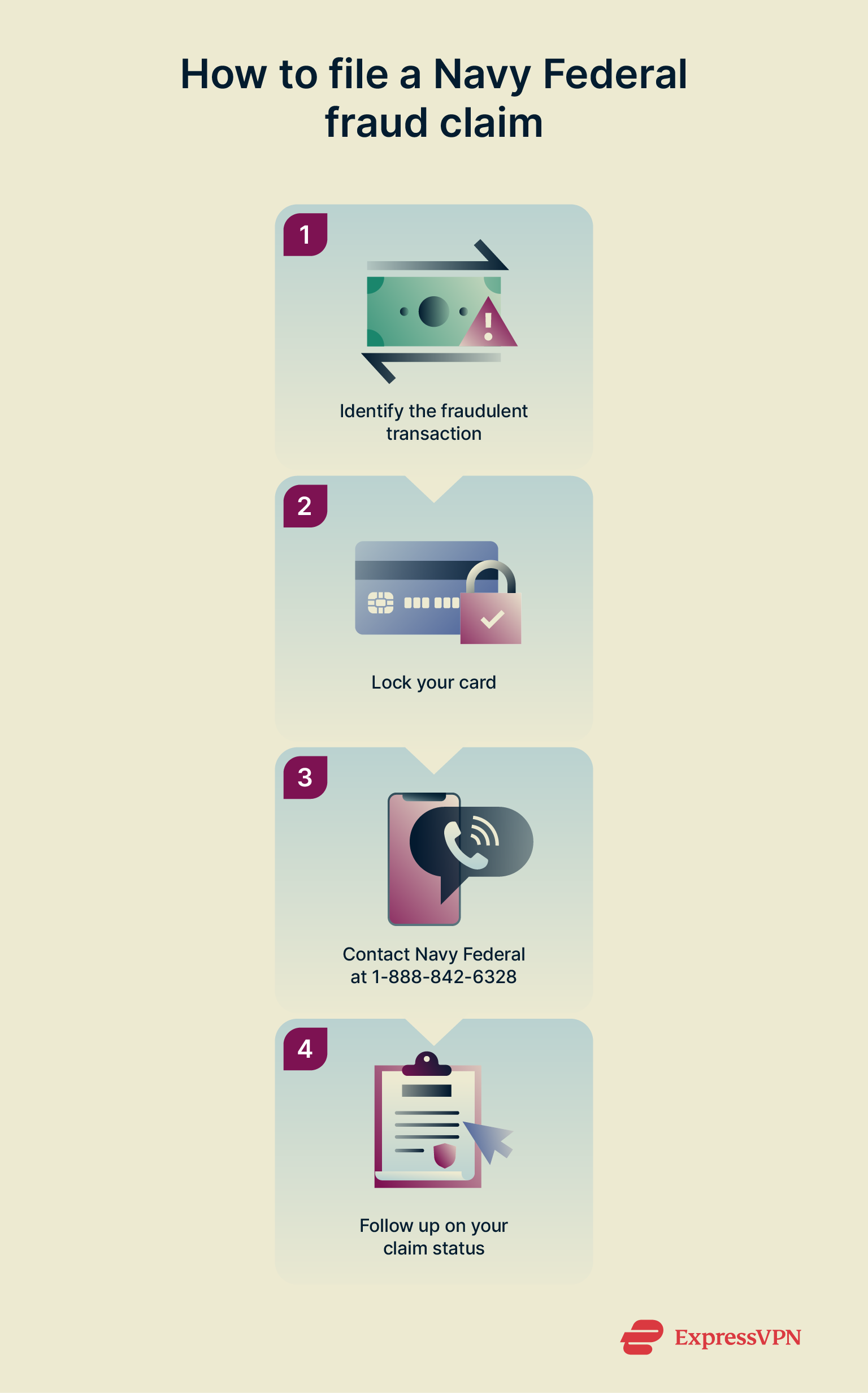
- Phone Support: Calling Navy Federal’s customer service number is often the best option for complex disputes, discussing fraudulent activity immediately, or if you encounter issues using the app. You can speak directly to a representative who can guide you through the process.
- Written Correspondence: For highly detailed or legally sensitive disputes, sending a letter via certified mail can create a formal record of your communication. This is less common for routine disputes but can be useful for extensive documentation.
- Visiting a Branch: For members who prefer in-person assistance, visiting a Navy Federal branch allows you to speak with a representative face-to-face. This can be particularly helpful for understanding complex issues or for those who are less comfortable with digital processes.
Best Practices for Financial Security
Prevention is always better than cure. Adopting sound financial habits can drastically reduce your risk of encountering unauthorized or incorrect charges.
- Regular Account Monitoring: Make it a habit to check your transaction history frequently – daily or every few days via the app. Early detection of discrepancies is your best defense.
- Setting Up Transaction Alerts: Utilize the Navy Federal app’s features to set up alerts for specific types of transactions (e.g., any transaction over a certain amount, international purchases, online purchases). These real-time notifications can alert you to suspicious activity as it happens.
- Protecting Your Account Information: Safeguard your card numbers, PINs, and online banking credentials. Use strong, unique passwords, enable two-factor authentication, and be wary of phishing attempts (emails or texts impersonating Navy Federal or other institutions). Never share your full account details with unsolicited callers or emailers.
- Understanding Merchant Terms and Conditions: Before making a purchase, especially online or for subscriptions, take a moment to review the merchant’s return policy, cancellation terms, and billing practices. This awareness can prevent disputes arising from misunderstandings.
By familiarizing yourself with these steps and embracing proactive financial habits, you can confidently manage your Navy Federal accounts, effectively resolve any charge discrepancies, and maintain peace of mind regarding your financial security. The Navy Federal app serves as a powerful tool in this endeavor, putting control directly into your hands.
aViewFromTheCave is a participant in the Amazon Services LLC Associates Program, an affiliate advertising program designed to provide a means for sites to earn advertising fees by advertising and linking to Amazon.com. Amazon, the Amazon logo, AmazonSupply, and the AmazonSupply logo are trademarks of Amazon.com, Inc. or its affiliates. As an Amazon Associate we earn affiliate commissions from qualifying purchases.