
Navigating the job interview process can feel like deciphering a secret code. While every role and company has its unique flavor, a consistent set of questions frequently appears, designed to assess your skills, experience, and cultural fit. Understanding these common interview queries, and preparing thoughtful answers, is crucial for making a strong impression and landing your dream job. This guide delves into the most prevalent questions, offering insights and strategies tailored to individuals navigating the dynamic landscapes of technology, branding, and finance.
Understanding the Interviewer’s Goals
Before diving into specific questions, it’s essential to grasp why interviewers ask them. Their primary objectives generally fall into a few key categories:
- Assessing Skills and Experience: Do you possess the technical prowess, strategic thinking, and practical know-how required for the role?
- Evaluating Cultural Fit: Will you integrate well with the existing team and contribute positively to the company’s ethos?
- Gauging Motivation and Drive: Are you genuinely enthusiastic about this opportunity, and do you have the ambition to grow within the organization?
- Predicting Future Performance: Based on your past behavior and responses, how likely are you to succeed and remain a valuable employee?
By keeping these underlying goals in mind, you can tailor your answers to directly address the interviewer’s needs and demonstrate your suitability.
Common Questions and How to Approach Them
The questions you’ll encounter can be broadly categorized, allowing for a structured approach to preparation.
Behavioral and Situational Questions: Unpacking Your Past and Future
These questions are designed to understand how you’ve handled specific situations in the past, assuming your past behavior is a good predictor of your future actions. They often start with “Tell me about a time when…” or “Describe a situation where…”.
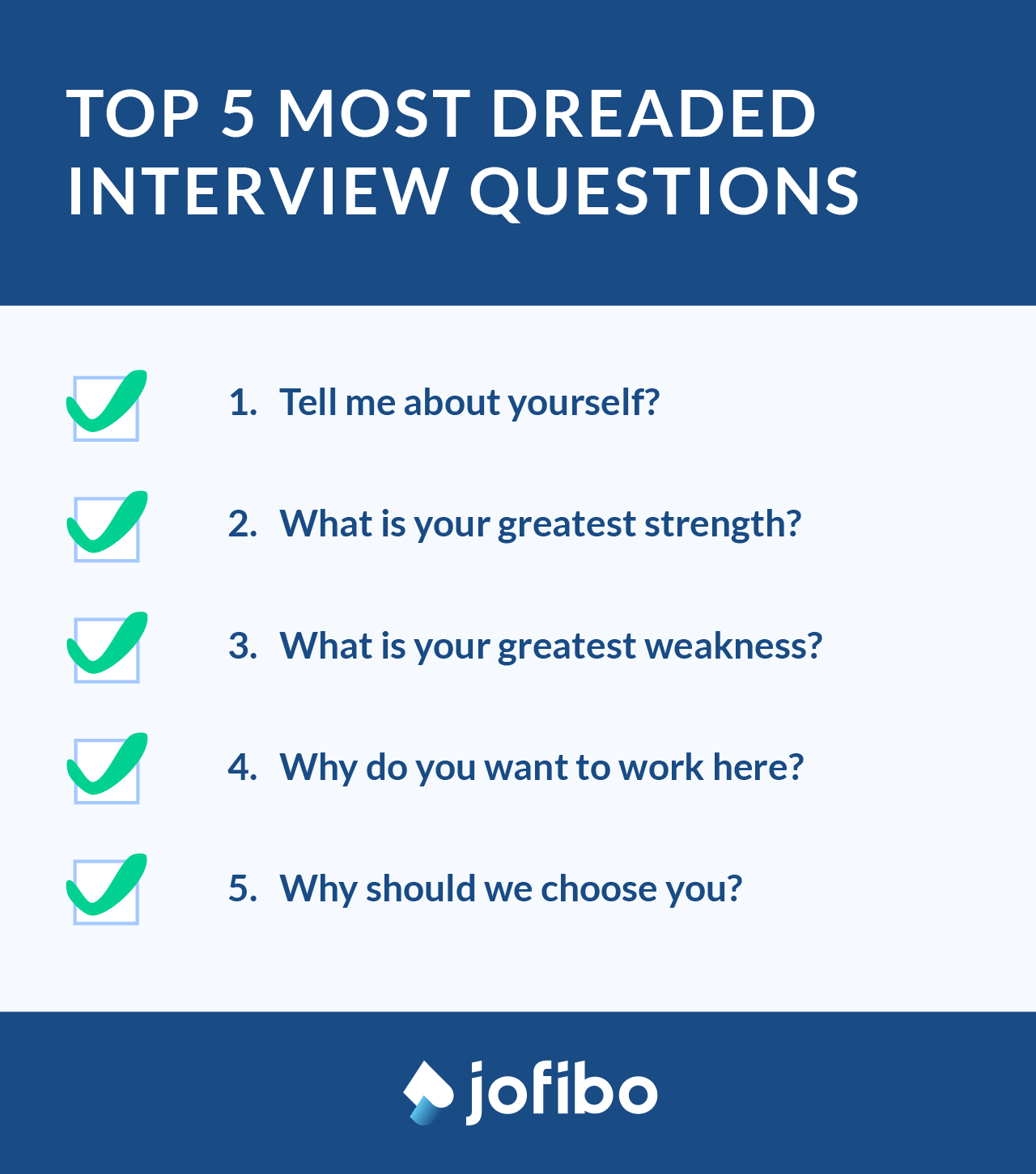
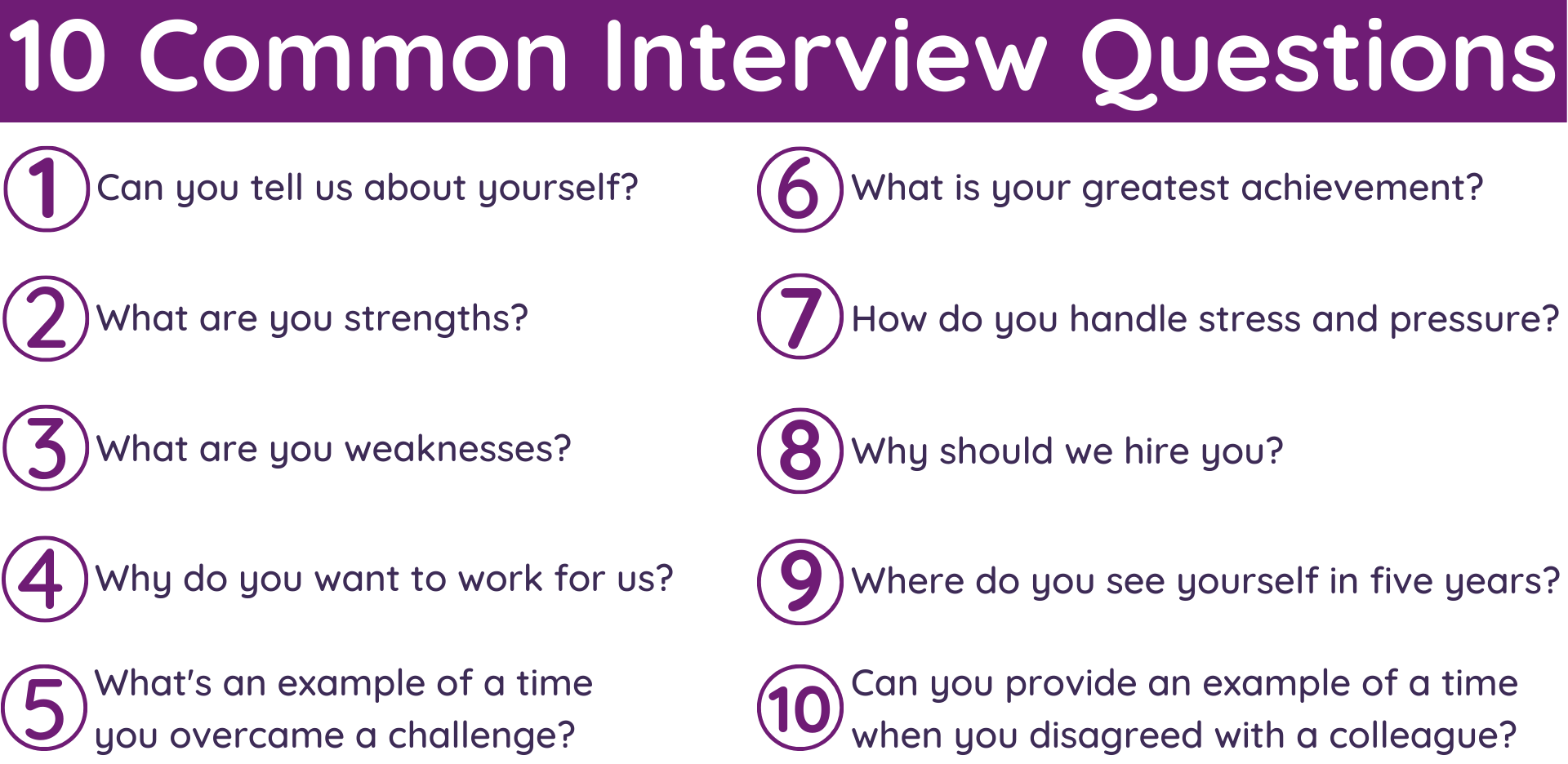
1. “Tell me about yourself.”
This is your elevator pitch. It’s not an invitation to recount your entire life story. Instead, focus on a concise, compelling narrative that highlights your most relevant skills, experiences, and career aspirations, connecting them directly to the job you’re applying for.
- For Tech roles: Emphasize your technical proficiencies, problem-solving abilities, and any innovative projects you’ve worked on. For example: “Throughout my career in software development, I’ve honed my skills in [specific programming languages/frameworks] and have a proven track record of delivering efficient and scalable solutions. In my previous role at [previous company], I led the development of a new [feature/product] that resulted in a [quantifiable positive outcome, e.g., 15% increase in user engagement].”
- For Brand roles: Highlight your understanding of brand strategy, your creative approach, and your ability to connect with target audiences. For instance: “My passion lies in crafting compelling brand narratives that resonate with consumers. With experience in [specific marketing channels/design principles], I’ve successfully launched and revitalized brands like [example brand], focusing on [key branding element, e.g., authentic storytelling/visual identity] to achieve [quantifiable result, e.g., a 20% uplift in brand recall].”
- For Money roles: Showcase your financial acumen, analytical skills, and understanding of market trends. For example: “I’m a results-oriented finance professional with a deep understanding of [specific financial area, e.g., investment analysis/personal finance planning]. In my previous role, I managed a portfolio that [achieved a specific positive outcome, e.g., outperformed the market by 5%], and I’m adept at leveraging financial tools to drive profitability and mitigate risk.”
2. “Why are you interested in this role/company?”
This is your chance to demonstrate genuine enthusiasm and that you’ve done your research. Connect your personal interests and career goals with the company’s mission, values, and the specifics of the role.
- Tech: “I’ve been following [company name]’s work in [specific tech area, e.g., AI-driven customer service] with great interest, particularly your recent advancements in [mention a specific project or product]. My own passion for leveraging technology to [solve a problem/improve an experience] aligns perfectly with your innovative approach, and I’m excited by the opportunity to contribute my skills in [mention relevant tech skill] to your team.”
- Brand: “I’m deeply impressed by [company name]’s commitment to [mention a company value or mission, e.g., sustainable practices/community engagement]. Your brand voice, as seen in [mention a specific campaign or initiative], is incredibly authentic and has a powerful impact. I believe my experience in [mention relevant branding skill, e.g., content marketing/visual design] could further enhance your brand’s reach and resonance with [target audience].”
- Money: “The prospect of contributing to [company name]’s reputation as a leader in [specific financial sector, e.g., fintech innovation/ethical investing] is incredibly appealing. I’m particularly drawn to your focus on [mention a specific aspect of their business or strategy, e.g., empowering individuals with financial literacy/driving responsible growth]. My background in [mention relevant financial skill, e.g., financial modeling/client relationship management] would allow me to make a significant contribution to your team’s objectives.”
3. “Tell me about a time you faced a challenge and how you overcame it.”
This question assesses your problem-solving abilities, resilience, and critical thinking. Use the STAR method (Situation, Task, Action, Result) to structure your answer.
- General Application: “During a critical project deadline, our team encountered an unforeseen technical issue that threatened to derail our progress. My task was to identify the root cause and implement a solution quickly. I initiated a collaborative brainstorming session with the engineering team, analyzed the system logs, and discovered a compatibility conflict. I then developed a workaround and worked with a colleague to implement the patch overnight. As a result, we were able to meet the deadline and deliver a high-quality product.”
4. “Describe a time you failed and what you learned from it.”
Failure is a learning opportunity. Be honest and focus on the lessons learned and how you’ve applied them since. Avoid blaming others.
- General Application: “In a previous project, I underestimated the complexity of integrating a new software module, leading to delays. I learned the importance of thorough upfront planning and risk assessment. Since then, I’ve implemented a more rigorous project scoping process and actively involve stakeholders earlier to identify potential roadblocks. This has significantly improved my project delivery timelines.”
5. “How do you handle working under pressure or tight deadlines?”
This probes your stress management and prioritization skills.
- General Application: “I tend to thrive under pressure. My approach is to break down large tasks into smaller, manageable steps, prioritize them based on urgency and impact, and maintain clear communication with my team about progress and any potential bottlenecks. I also find that staying organized and taking short, focused breaks can help maintain productivity and prevent burnout.”
Competency-Based Questions: Proving Your Skills
These questions directly assess your proficiency in specific areas relevant to the job description.
1. “What are your strengths?”
Highlight strengths that are directly relevant to the role. Provide specific examples to back up your claims.
- For Tech roles: “My key strengths lie in my analytical problem-solving skills and my proficiency in Python and cloud computing platforms like AWS. For instance, in my previous role, I developed an automated data processing pipeline using Python that reduced manual effort by 40% and improved data accuracy.”
- For Brand roles: “I’m highly skilled in strategic communication and possess a keen eye for design. My ability to translate complex brand messaging into engaging content for diverse audiences has been a significant asset. In one project, I conceptualized and executed a social media campaign that increased brand engagement by 25% in just one month.”
- For Money roles: “My core strengths are my meticulous attention to detail and my strong financial modeling capabilities. I excel at identifying trends, forecasting outcomes, and presenting complex financial data in a clear and concise manner. For example, I recently built a comprehensive financial model for a new product launch that projected a 15% ROI within the first year.”
2. “What are your weaknesses?”
This is a classic. Be honest but frame your weakness as something you are actively working on improving. Avoid clichés like “I’m a perfectionist” unless you can genuinely elaborate on how it’s a double-edged sword you’re managing.
- General Application: “One area I’m continuously developing is my public speaking confidence. While I’m comfortable presenting to smaller groups, larger audiences used to make me a bit nervous. To address this, I’ve been actively seeking out opportunities to present at industry meetups and have enrolled in a public speaking workshop, which has significantly boosted my comfort and delivery.”
3. “Describe your experience with [specific software/tool/technology].”
Be specific and honest about your level of expertise. Mention projects where you utilized the tool and the results you achieved.
- For Tech roles: “I have extensive experience with [specific software, e.g., React.js]. I’ve used it to build several complex single-page applications, including [mention a project], where I was responsible for [specific tasks]. I’m also familiar with its integration with [related technologies/libraries].”
- For Brand roles: “I’m proficient in [specific design software, e.g., Adobe Creative Suite], particularly Photoshop and Illustrator. I’ve used these tools to create a wide range of marketing collateral, from social media graphics to website banners, ensuring brand consistency across all touchpoints. I also have experience with [mention relevant branding platforms].”
- For Money roles: “I’m highly adept at using [specific financial software, e.g., Excel for advanced data analysis and financial modeling]. I’ve utilized it to build complex forecasting models, perform variance analysis, and create dashboards for executive reporting. I’m also comfortable with [mention other relevant financial tools].”
Motivational and Career-Oriented Questions: Understanding Your Ambition
These questions aim to understand your long-term goals and how this specific role fits into your career trajectory.
1. “Where do you see yourself in 5 years?”
This is about ambition and alignment. Showcase your desire for growth and how this role can help you achieve it.
- For Tech roles: “In five years, I envision myself as a senior software engineer, leading impactful projects and mentoring junior developers. I’m particularly interested in growing my expertise in [emerging tech trend, e.g., machine learning operations], and I believe this role at [company name] will provide the ideal environment to develop those skills and contribute to cutting-edge innovations.”
- For Brand roles: “My goal is to be a recognized expert in brand strategy, perhaps leading a brand management team. I’m eager to deepen my understanding of consumer behavior and leverage that insight to build even more powerful and resonant brands. I see this position as a crucial stepping stone in that journey, allowing me to hone my strategic planning and creative execution skills.”
- For Money roles: “Within five years, I aim to be in a leadership position within the finance department, taking on more responsibility in strategic decision-making and financial planning. I’m keen to expand my knowledge in [specific financial area, e.g., sustainable finance] and contribute to [company name]’s growth in that domain. This role offers a fantastic opportunity to gain hands-on experience and build the foundational skills necessary for that advancement.”
2. “What are your salary expectations?”
Research the typical salary range for the role and your experience level in that location. Be realistic and prepared to negotiate. You can also deflect by asking for the company’s budgeted range for the position.
3. “Do you have any questions for us?”
This is your final opportunity to impress. Always have questions prepared. They should demonstrate your engagement and thoughtful consideration of the role and company. Avoid questions that can be easily answered by a quick Google search.
- Good Questions:
- “What are the biggest challenges facing this team/department right now?”
- “What does success look like in this role in the first 90 days?”
- “What opportunities are there for professional development and growth within the company?”
- “Can you describe the team culture and how collaboration typically works here?”
- “What are the company’s priorities for the next 1-2 years, and how does this role contribute to them?”
Preparing for Success: Beyond the Questions
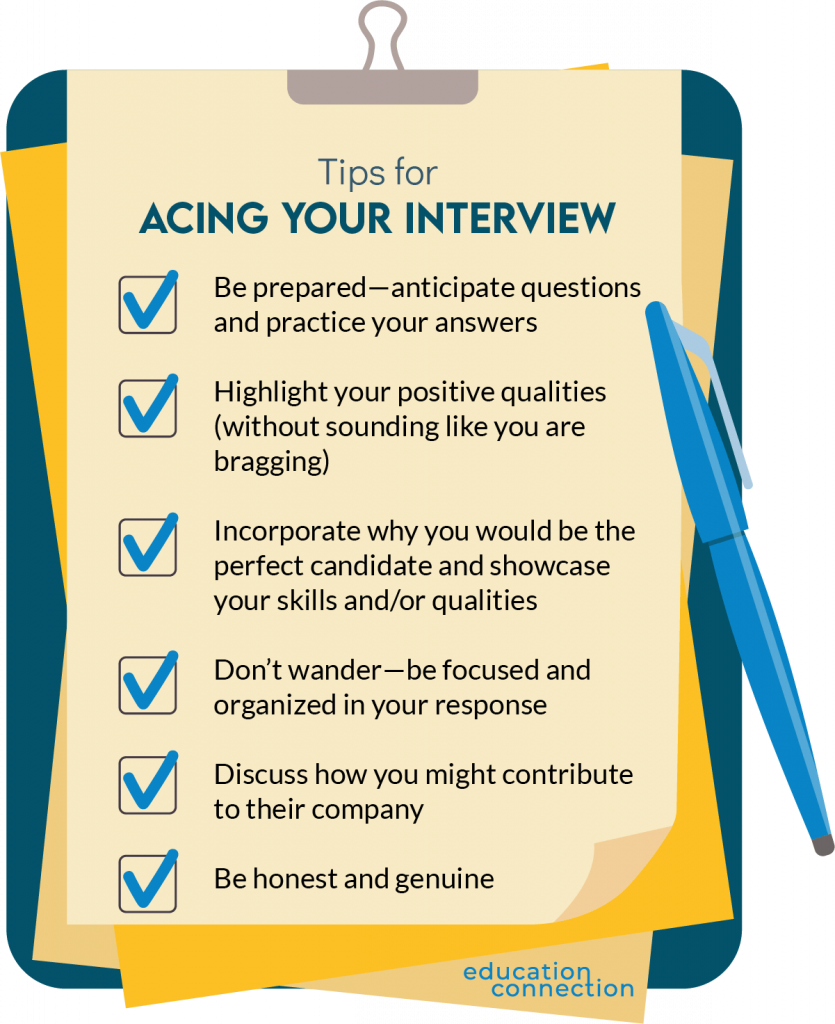
While knowing common questions is vital, your preparation should extend further:
- Research the Company: Understand their mission, values, recent news, and competitors.
- Understand the Role: Analyze the job description and identify the key skills and responsibilities.
- Practice Your Answers: Rehearse your responses, ideally with a friend or mentor, to ensure they are clear, concise, and confident.
- Be Authentic: Let your personality shine through. Interviewers are looking for a person, not just a resume.
- Follow Up: Send a thank-you note or email within 24 hours of the interview, reiterating your interest and highlighting key takeaways from your conversation.
By preparing diligently for these common interview questions, you can approach your next job interview with confidence, articulate your value effectively, and significantly increase your chances of securing the position. Remember, an interview is a two-way street; it’s also your opportunity to assess if the company is the right fit for you.
aViewFromTheCave is a participant in the Amazon Services LLC Associates Program, an affiliate advertising program designed to provide a means for sites to earn advertising fees by advertising and linking to Amazon.com. Amazon, the Amazon logo, AmazonSupply, and the AmazonSupply logo are trademarks of Amazon.com, Inc. or its affiliates. As an Amazon Associate we earn affiliate commissions from qualifying purchases.