
In the vast and often complex world of global finance, the Nasdaq stock market stands out as a beacon of innovation and growth. Renowned as a digital pioneer and a hub for many of the world’s most dynamic and forward-thinking companies, understanding “Nasdaq stocks” is crucial for any investor looking to navigate the modern market landscape. More than just a list of companies, Nasdaq represents a distinct philosophy of investing, characterized by a focus on technology, biotechnology, and other high-growth sectors.
This article delves into the essence of Nasdaq stocks, exploring the unique characteristics of the exchange, the types of companies it hosts, and the fundamental considerations for investors seeking to integrate these powerful assets into their financial portfolios. From its inception as the world’s first electronic stock market to its current status as a global leader, Nasdaq has consistently shaped how we perceive and engage with public markets, offering both unparalleled opportunities and specific challenges that demand a well-informed approach.

The Nasdaq Exchange: A Digital Pioneer in Global Markets
The Nasdaq Stock Market (National Association of Securities Dealers Automated Quotations) isn’t just an exchange; it’s a testament to financial innovation. Born out of a need for greater transparency and efficiency in stock trading, it revolutionized the industry and quickly became synonymous with growth and technological advancement.
A Brief History and Evolution
Launched in 1971, Nasdaq broke the mold of traditional floor-based exchanges by operating entirely through a computer network. This digital-first approach brought unprecedented speed and accessibility to trading, democratizing access to capital for a new breed of companies, many of which were small, innovative ventures that might have struggled to list on more established exchanges. Over decades, Nasdaq evolved from an alternative market into a global powerhouse, attracting some of the largest and most influential corporations worldwide. Its commitment to electronic trading not only streamlined market operations but also laid the groundwork for the highly interconnected and data-driven financial markets we experience today. This pioneering spirit cemented Nasdaq’s reputation as the preferred listing venue for companies focused on the future.
Understanding the Nasdaq Composite vs. Nasdaq 100
When people refer to “Nasdaq stocks,” they often implicitly think of its benchmark indices. The two most prominent are the Nasdaq Composite and the Nasdaq 100. It’s vital for investors to understand the distinction:
- The Nasdaq Composite Index: This is the broadest measure of all common stocks and similar securities listed on the Nasdaq stock market. It’s a market-capitalization-weighted index, meaning companies with larger market values have a greater impact on the index’s performance. The Composite includes well over 3,000 companies, offering a comprehensive snapshot of the entire Nasdaq ecosystem, encompassing everything from small-cap biotech startups to multinational tech giants.
- The Nasdaq 100 Index (NDX): This index is far more selective. It comprises the 100 largest non-financial companies listed on the Nasdaq Stock Market, also weighted by market capitalization. Critically, it excludes financial companies, which means it is heavily skewed towards technology, consumer services, and healthcare sectors. The Nasdaq 100 is often seen as a proxy for the performance of large-cap growth stocks, particularly within the tech space, making it a crucial barometer for investors focused on these sectors.
Understanding which index is being referenced is key to interpreting market commentary and aligning investment strategies. The Nasdaq 100, due to its tech-heavy composition, tends to be more volatile but also offers higher growth potential during periods of strong technological advancement.
Listing Requirements and Prestige
For a company to list its shares on Nasdaq, it must meet rigorous initial and continued listing requirements. These criteria span financial metrics (e.g., minimum shareholder equity, net income, public float market value), liquidity standards (e.g., minimum number of public shares and shareholders), and corporate governance rules (e.g., independent directors, audit committees). Meeting these standards isn’t just a regulatory hurdle; it confers a significant level of prestige and investor confidence. A Nasdaq listing signals to the market that a company has achieved a certain level of maturity, financial health, and commitment to transparency. This prestige attracts institutional investors and retail traders alike, enhancing a company’s visibility, liquidity, and ability to raise further capital.
Characteristics of Nasdaq-Listed Companies and Their Stocks
Nasdaq has carved a niche as the home for companies at the forefront of innovation. This specialization gives its listed stocks distinct characteristics that profoundly influence their investment profiles.
Innovation and Growth Focus
The defining feature of many Nasdaq-listed companies is their relentless pursuit of innovation and growth. Unlike exchanges that might focus more on established, mature industries, Nasdaq attracts companies primarily from:
- Technology: Software, hardware, semiconductors, internet services, cloud computing.
- Biotechnology and Pharmaceuticals: Drug discovery, medical devices, diagnostics.
- Clean Energy and Electric Vehicles: Renewable energy solutions, sustainable technologies.
- Consumer Discretionary: E-commerce, digital entertainment, subscription services.
These companies often prioritize expanding market share, developing revolutionary products, and disrupting traditional industries over immediate profitability or dividend payouts. They reinvest heavily in research and development (R&D), intellectual property, and scaling their operations, aiming for exponential future growth.
Volatility and Risk-Reward Profile
The high-growth, innovation-driven nature of Nasdaq stocks inherently leads to a unique risk-reward dynamic:
- Higher Growth Potential: Successful innovation can lead to explosive revenue growth, expanding profit margins over time, and significant appreciation in share price. Early investors in groundbreaking Nasdaq companies have often seen life-changing returns.
- Elevated Volatility: This potential comes with increased price volatility. Growth stocks are often valued based on future earnings potential rather than current profitability, making them sensitive to shifts in market sentiment, interest rates, economic outlooks, and competitive threats. A slight change in future growth projections or a miss on quarterly earnings can lead to dramatic price swings, both up and down.
- Binary Outcomes: Some biotech or early-stage tech companies on Nasdaq face “binary outcomes,” where a single product approval or a major strategic partnership can either send shares soaring or plummeting. Investors must be prepared for this inherent uncertainty.
The Importance of Fundamentals and Future Outlook
When evaluating Nasdaq stocks, traditional valuation metrics like the price-to-earnings (P/E) ratio may not always tell the full story, especially for companies that are reinvesting heavily or are not yet profitable. Instead, investors often focus on:
- Revenue Growth: A key indicator of a company’s ability to expand its market presence and product adoption.
- Market Share and Total Addressable Market (TAM): Understanding the size of the opportunity and the company’s ability to capture a significant portion.
- Innovation Pipeline: The strength of upcoming products, patents, and R&D efforts.
- Management Team and Vision: The experience and leadership quality are crucial for guiding growth companies.
- Cash Flow and Balance Sheet Strength: While earnings may be low, healthy cash flow and a strong balance sheet provide stability and fuel for continued growth.
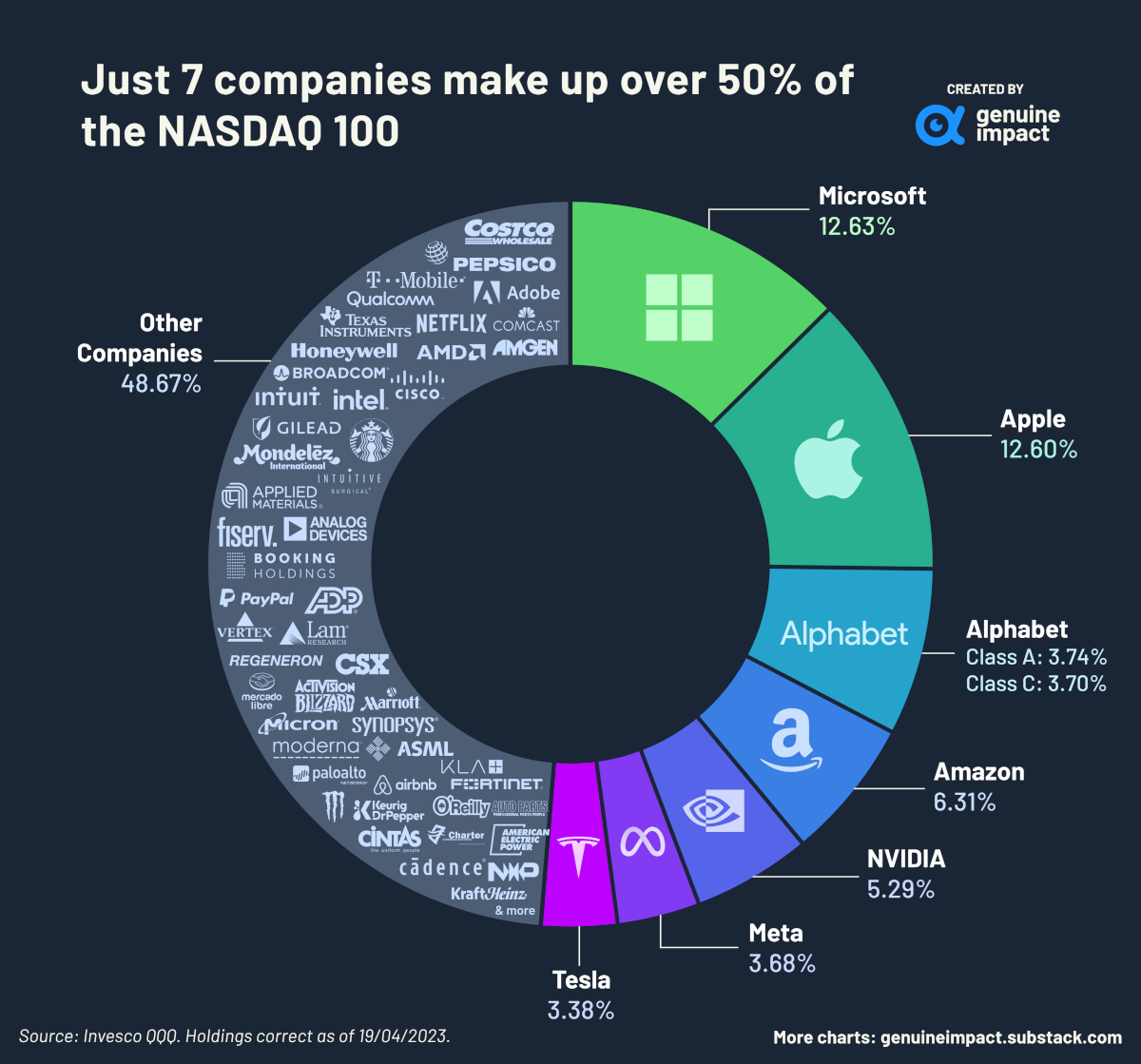
Investors in Nasdaq stocks are often betting on a company’s future potential, requiring a deep understanding of its business model, competitive landscape, and long-term vision.
Investing in Nasdaq Stocks: Strategies and Considerations
Investing in Nasdaq stocks can be a powerful way to tap into economic growth and technological advancement. However, it requires a thoughtful strategy aligned with an investor’s risk tolerance and financial goals.
Direct Stock Ownership
One common approach is to buy individual Nasdaq stocks through a brokerage account. This allows investors to handpick companies they believe in after conducting thorough due diligence. Key steps include:
- Research and Due Diligence: Go beyond headlines. Analyze financial reports, investor presentations, industry trends, competitive positioning, and management quality.
- Sector Understanding: Develop expertise in the specific industries a company operates in.
- Diversification: While individual stock picking offers high potential rewards, it also carries concentrated risk. Diversifying across several Nasdaq stocks and potentially other sectors can mitigate this. Avoid putting all your capital into a single high-growth stock, no matter how promising it seems.
ETFs and Mutual Funds
For investors who prefer a more diversified and less hands-on approach, Exchange Traded Funds (ETFs) and mutual funds offer an excellent alternative:
- Nasdaq-Tracking ETFs: Funds like the Invesco QQQ Trust (QQQ) track the Nasdaq 100 Index. Investing in such an ETF provides instant diversification across the 100 largest non-financial companies on Nasdaq, offering broad exposure to the tech and growth sectors without the need to research individual companies.
- Sector-Specific ETFs/Mutual Funds: There are also funds focused on specific Nasdaq sectors, such as biotechnology (e.g., IBB) or semiconductors (e.g., SOXX), allowing for targeted exposure.
- Benefits: ETFs and mutual funds offer professional management (for actively managed funds), built-in diversification, and typically lower expense ratios compared to individually managing a large portfolio. They are ideal for investors seeking broad market exposure with less individual stock risk.
Risk Management and Long-Term vs. Short-Term Views
Prudent risk management is paramount when investing in Nasdaq stocks:
- Investment Horizon: Nasdaq stocks often reward long-term investors. Holding growth companies for several years allows their innovations to mature and compound returns. Short-term trading in these volatile stocks is highly speculative and best left to experienced traders.
- Dollar-Cost Averaging: Investing a fixed amount regularly, regardless of market fluctuations, can help average out the purchase price over time and reduce the impact of short-term volatility.
- Stop-Loss Orders: For individual stock positions, stop-loss orders can help limit potential losses by automatically selling a security if it drops to a predetermined price.
- Position Sizing: Allocate capital appropriately based on your conviction and risk tolerance. Do not over-concentrate a significant portion of your portfolio into a single high-risk growth stock.
- Understand Your Risk Tolerance: Be honest about how much volatility you can stomach. Nasdaq stocks can experience significant drawdowns, and panic selling during these periods can lock in losses.
The Impact of Nasdaq Stocks on Your Financial Portfolio
Integrating Nasdaq stocks into your investment portfolio can profoundly influence its risk-reward profile and long-term growth trajectory.
Diversification and Sector Exposure
Nasdaq stocks provide crucial exposure to the sectors driving modern economic growth. For a well-rounded portfolio, they can complement investments in more mature or value-oriented industries. By allocating a portion of your portfolio to Nasdaq, you gain access to companies at the forefront of technological advancement, potentially capturing returns that might not be available from traditional blue-chip or dividend-paying stocks. However, over-concentration in any single sector, including technology, can lead to reduced diversification, so it’s essential to balance this exposure with other asset classes and industries.
Wealth Creation Potential
History is replete with examples of individuals who have built substantial wealth by investing early in successful Nasdaq-listed companies like Apple, Amazon, or Microsoft. The power of compounding returns, especially in high-growth companies, can transform modest initial investments into significant sums over extended periods. For long-term investors, Nasdaq offers a fertile ground for identifying and participating in the growth stories of tomorrow’s market leaders. This potential for outsized returns is a primary draw for investors looking to accelerate their wealth accumulation goals.
Staying Informed in a Dynamic Market
The world of Nasdaq stocks is exceptionally dynamic. Technological paradigms shift rapidly, competitive landscapes evolve, and market sentiment can change on a dime. Therefore, continuous learning and staying informed are critical:
- Monitor Market Trends: Keep an eye on broad economic indicators, interest rate policies, and geopolitical events that can impact growth stocks.
- Follow Industry News: Stay updated on technological breakthroughs, regulatory changes, and competitive developments within the sectors where your investments lie.
- Review Company Filings: Regularly check quarterly earnings reports (10-Q), annual reports (10-K), and proxy statements (DEF 14A) for companies you own or are considering.
- Utilize Financial Media and Analyst Reports: Reputable financial news sources and analyst coverage can provide valuable insights, though always cross-reference information and conduct your own critical analysis.
This proactive approach ensures that your investment decisions remain aligned with current market realities and your long-term financial objectives.

Conclusion
Nasdaq stocks represent a vibrant and essential segment of the global financial markets, serving as the primary listing venue for many of the world’s most innovative and growth-oriented companies. From its origins as a digital disruptor to its current status as a vital indicator of technological and economic advancement, Nasdaq offers investors unparalleled opportunities to participate in the future.
While the inherent focus on growth and innovation often comes with increased volatility, understanding the unique characteristics of Nasdaq-listed companies, employing prudent investment strategies, and maintaining a long-term perspective can lead to significant wealth creation. Whether through direct stock ownership or diversified funds, engaging with Nasdaq stocks requires diligence, a commitment to staying informed, and a clear understanding of one’s financial goals and risk tolerance. For those prepared to navigate its dynamic landscape, Nasdaq remains a powerful engine for portfolio growth and a testament to the enduring human spirit of innovation.
aViewFromTheCave is a participant in the Amazon Services LLC Associates Program, an affiliate advertising program designed to provide a means for sites to earn advertising fees by advertising and linking to Amazon.com. Amazon, the Amazon logo, AmazonSupply, and the AmazonSupply logo are trademarks of Amazon.com, Inc. or its affiliates. As an Amazon Associate we earn affiliate commissions from qualifying purchases.