
The journey to homeownership is one of life’s most significant financial milestones, often beginning with the pivotal decision of securing a home loan. For many, a mortgage represents not just a financial product but the key that unlocks the door to their dream home. However, the mortgage landscape can seem daunting, with a myriad of lenders, loan types, and application processes to navigate. Understanding “where to apply for a home loan” is more than just knowing a list of names; it’s about identifying the right financial partner that aligns with your specific needs, financial situation, and long-term aspirations.
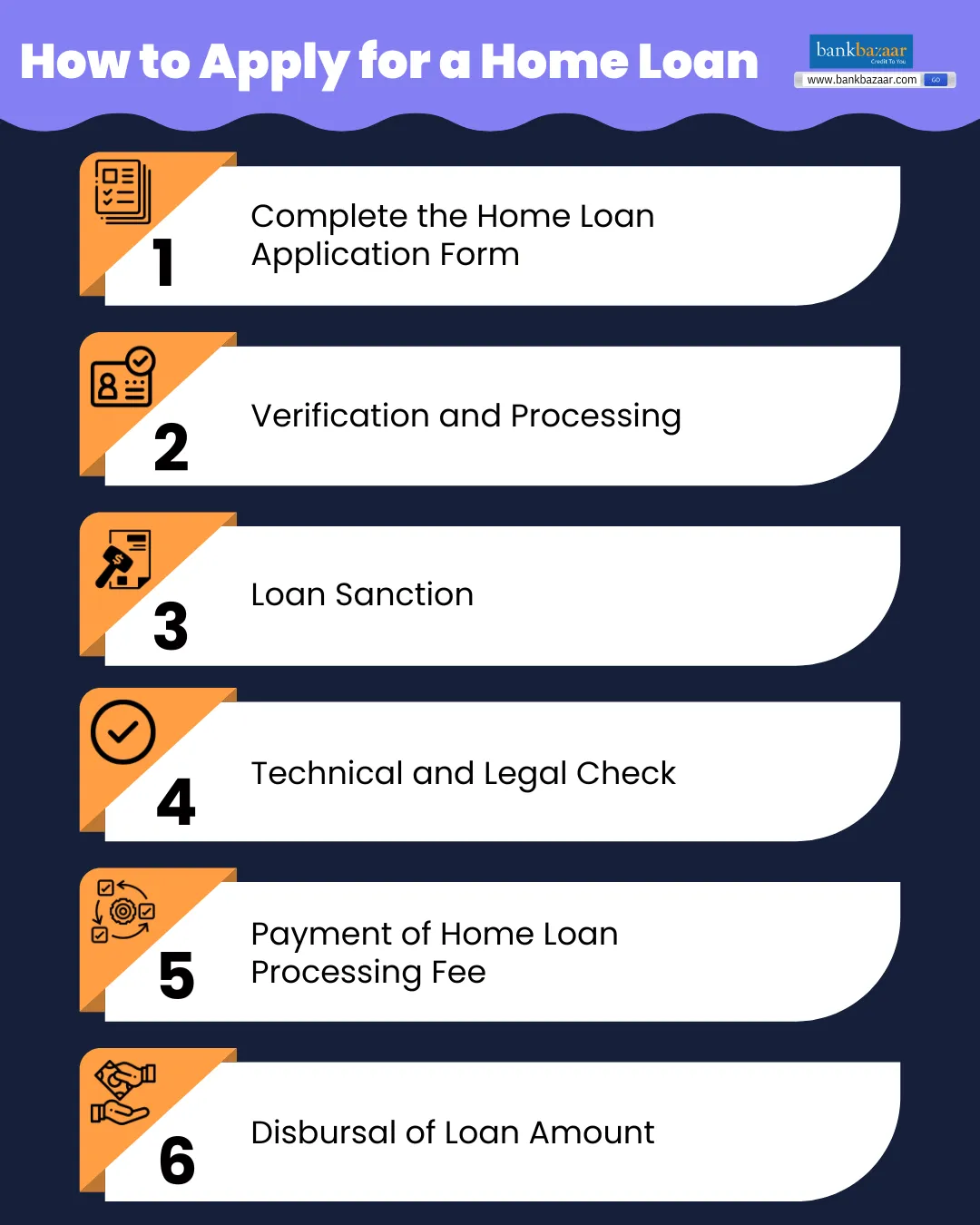
This guide will demystify the various avenues available for obtaining a home loan, offering insights into their unique advantages, potential drawbacks, and what to consider when making your choice. From traditional brick-and-mortar institutions to modern digital platforms and expert intermediaries, we’ll explore the full spectrum of options to empower you with the knowledge to make an informed, confident decision on your path to homeownership.
Laying the Foundation: Understanding Your Needs and the Loan Landscape
Before you even consider approaching a lender, it’s crucial to lay a solid foundation by understanding your own financial standing and the broader context of the home loan market. This preparatory phase is instrumental in streamlining your application process and positioning you for success.
Why a Home Loan Matters
A home loan, or mortgage, is typically the largest financial commitment most individuals will undertake. It’s a long-term debt instrument used to purchase real estate, with the property itself serving as collateral. The terms of your mortgage—interest rate, loan term, and monthly payments—will significantly impact your financial health for decades to come. Beyond facilitating homeownership, a well-chosen mortgage can also be a tool for building equity, accessing tax benefits, and securing a stable living environment. Conversely, a poorly chosen or mismanaged loan can lead to financial strain, making the initial research phase incredibly valuable.
Essential Preparations Before Applying
Successful home loan applications are rarely impulsive. They are the result of diligent preparation. Begin by thoroughly assessing your financial health. This includes:
- Credit Score Review: Your credit score is a primary determinant of your eligibility and the interest rates you’ll be offered. Obtain free copies of your credit report from all three major bureaus (Equifax, Experian, TransUnion) and dispute any errors. Aim to improve your score if necessary by paying down debts and making timely payments.
- Budget Analysis: Understand your monthly income, expenses, and existing debts. This will help you determine how much home you can realistically afford and what your comfortable monthly mortgage payment should be. Remember to factor in potential property taxes, homeowner’s insurance, and HOA fees, which are often added to your mortgage payment (PITI).
- Down Payment Savings: Lenders typically require a down payment, ranging from 3% to 20% or more of the home’s purchase price. A larger down payment can reduce your monthly payments, lower your interest costs over the loan’s life, and potentially eliminate the need for Private Mortgage Insurance (PMI).
- Documentation Gathering: Start collecting essential documents such as pay stubs, W-2s, tax returns (typically two years), bank statements, and investment account statements. Having these readily available will expedite the application process.
Key Factors Lenders Evaluate
When you apply for a home loan, lenders will assess several critical factors to determine your creditworthiness and the level of risk involved. These include:
- Income Stability: Lenders want to see a consistent and reliable income source.
- Debt-to-Income (DTI) Ratio: This ratio compares your total monthly debt payments to your gross monthly income. A lower DTI indicates you have more disposable income to handle mortgage payments. Most lenders prefer a DTI ratio of 43% or less.
- Assets and Reserves: Lenders look at your savings and investments to ensure you have funds for the down payment, closing costs, and a buffer for emergencies after purchasing the home.
- Employment History: A stable employment history, typically two years with the same employer or in the same field, demonstrates reliability.
Understanding these foundational elements will not only guide you to the right type of lender but also help you present yourself as a strong candidate for favorable loan terms.
Traditional Paths: Banks and Credit Unions
For decades, traditional financial institutions like commercial banks and credit unions have been the bedrock of the home loan market. They offer a familiar, often in-person experience, and a comprehensive range of financial services.
Commercial Banks: Stability and Comprehensive Services
Commercial banks are perhaps the most recognized players in the mortgage industry. From large national banks to smaller regional institutions, they offer a wide array of mortgage products, including conventional loans, FHA loans, VA loans, and jumbo loans for higher-priced properties.
- Pros:
- Extensive Branch Networks: Many individuals appreciate the ability to meet with a loan officer in person, discuss options face-to-face, and get personalized advice.
- One-Stop Shop: If you already bank with a particular institution, consolidating your financial services (checking, savings, loans) can sometimes lead to relationship discounts or a more streamlined process.
- Variety of Products: Large banks typically have a broad portfolio of mortgage products to suit various financial situations.
- Cons:
- Bureaucracy: Larger banks can sometimes have slower approval processes and less flexible underwriting standards compared to smaller lenders.
- Customer Service Varies: While some offer excellent service, others might feel impersonal due to the sheer volume of their clientele.
- Potentially Less Competitive Rates: While not always the case, large banks may not always offer the absolute lowest interest rates compared to more specialized lenders.
Credit Unions: Community Focus and Member Benefits
Credit unions are not-for-profit financial cooperatives owned by their members. They often emphasize community, personalized service, and returning profits to members through lower fees and better rates. To obtain a loan from a credit union, you must become a member, which usually involves meeting specific eligibility criteria (e.g., living in a certain area, working for a particular employer, or belonging to an association).
- Pros:
- Personalized Service: Credit unions are renowned for their member-centric approach, often providing a more personal touch and flexible underwriting.
- Potentially Lower Rates and Fees: As non-profits, they can often offer more competitive interest rates and lower fees compared to commercial banks.
- Flexible Underwriting: They might be more willing to work with borrowers who have slightly less-than-perfect credit or unique financial situations.
- Cons:
- Membership Requirements: You must qualify for membership, which can be restrictive.
- Limited Branch Network: Credit unions typically have fewer physical branches than large commercial banks, which might be inconvenient for some.
- Fewer Product Options: While they offer standard mortgage products, their selection might be less diverse than that of larger banks or specialized lenders.
The Traditional Application Experience
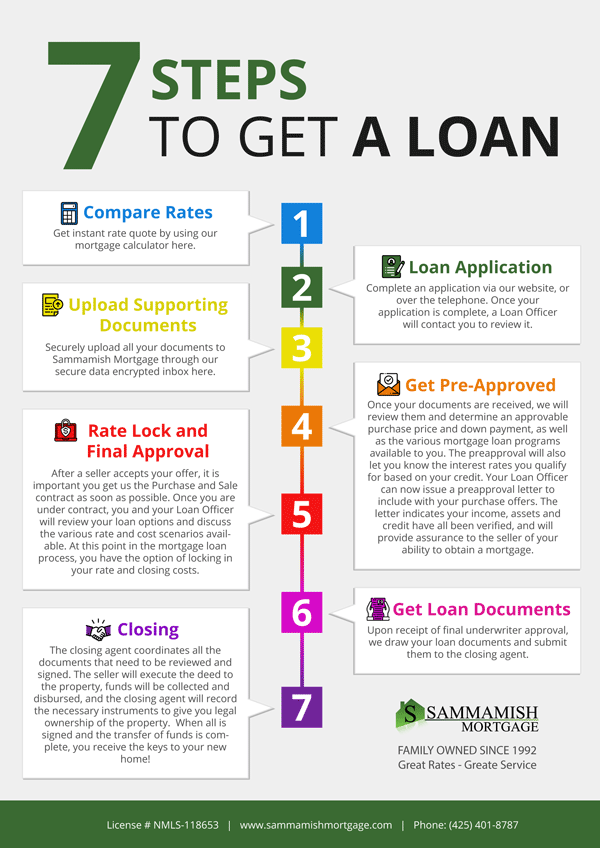
Applying with a traditional bank or credit union often involves initial consultations with a loan officer, followed by a detailed application. You’ll submit all required documentation, and the loan officer will guide you through the process, from pre-qualification to underwriting and closing. While the process can be slower than online alternatives, the in-person interaction can provide reassurance and clarity for complex questions.
Embracing the Digital Age: Online Mortgage Lenders
The rise of technology has fundamentally reshaped the mortgage industry, giving birth to a new breed of lenders: online mortgage lenders. These companies leverage digital platforms to streamline the application process, often offering speed, convenience, and competitive pricing.
Convenience and Speed: The Online Advantage
Online lenders operate primarily, if not exclusively, through their websites and mobile applications. This digital-first approach offers several distinct advantages:
- 24/7 Accessibility: You can research loan options, get quotes, and apply anytime, anywhere, without being restricted by branch hours.
- Streamlined Process: Online platforms are designed for efficiency, often automating document submission, verification, and communication, leading to faster pre-approvals and closings.
- Digital Tools: Many online lenders provide intuitive tools like mortgage calculators, rate trackers, and personalized dashboards to manage your application.
Competitive Rates and Diverse Options
Due to lower overhead costs (no physical branches, fewer staff for in-person service), online lenders can often pass those savings on to consumers in the form of more competitive interest rates and lower fees.
- Rate Shopping Made Easy: Online platforms make it incredibly easy to compare rates from multiple lenders quickly, allowing you to find the best deal without visiting numerous physical locations.
- Wide Range of Products: While known for efficiency, many online lenders offer a comprehensive suite of loan products, including conventional, FHA, VA, and refinancing options.
Navigating Online Platforms Safely
While online lenders offer immense convenience, it’s crucial to approach them with due diligence:
- Research Reputation: Read reviews and check ratings from independent consumer protection agencies.
- Understand the Process: Ensure you understand how communication will occur (email, chat, phone) and how documents are securely exchanged.
- Beware of Scams: Only use reputable and well-established online lenders. Be cautious of unsolicited offers that seem too good to be true.
- Ask for Human Interaction: Even with digital platforms, ensure there’s an option to speak with a loan officer if you have complex questions or need personalized guidance.
Online lenders are an excellent choice for tech-savvy borrowers who value efficiency and competitive pricing, provided they feel comfortable with a less face-to-face interaction and are diligent in their research.
Expert Guidance: Leveraging Mortgage Brokers and Government Programs
Beyond direct lenders, there are valuable resources that can either guide you through the lending labyrinth or provide specialized financing options tailored to unique situations.
The Role of a Mortgage Broker: Your Personal Guide
A mortgage broker acts as an intermediary between you and various lenders. Unlike a direct lender (bank, credit union, or online lender), a broker doesn’t lend their own money. Instead, they work with a network of different lenders to find the best mortgage product and rate for your specific circumstances.
- Pros:
- Extensive Lender Network: Brokers have access to a wide range of lenders, including those that might not be easily found online or are specialized. This increases your chances of finding the most suitable loan at the best rate.
- Expert Guidance: They are knowledgeable about the intricacies of various loan products, lender requirements, and current market conditions. They can help you navigate complex situations and explain the fine print.
- Time-Saving: A broker does the legwork of comparing options, submitting applications, and communicating with lenders on your behalf, saving you significant time and effort.
- Advocacy: They act as your advocate throughout the process, troubleshooting issues and ensuring a smooth transaction.
- Cons:
- Fees: Brokers typically charge a fee for their services, which can be paid by you directly, by the lender, or a combination. Ensure you understand their fee structure upfront.
- Limited Network (potentially): While they have a network, it might not include every lender on the market.
- Quality Varies: The effectiveness of a broker largely depends on their experience, ethics, and network. Choose a reputable broker through referrals and careful vetting.
Mortgage brokers are particularly beneficial for first-time homebuyers, individuals with unique financial profiles, or anyone seeking to simplify the comparison shopping process.
Government-Backed Loans (FHA, VA, USDA): Specialized Support
Certain government agencies offer programs designed to make homeownership more accessible, especially for specific groups of borrowers. These loans are insured or guaranteed by the government, which reduces risk for lenders and allows them to offer more favorable terms.
- FHA Loans (Federal Housing Administration): Ideal for first-time homebuyers or those with lower credit scores and smaller down payments. FHA loans require a minimum down payment of 3.5% and have more flexible credit requirements. However, they mandate mortgage insurance premiums (MIP) for the life of the loan.
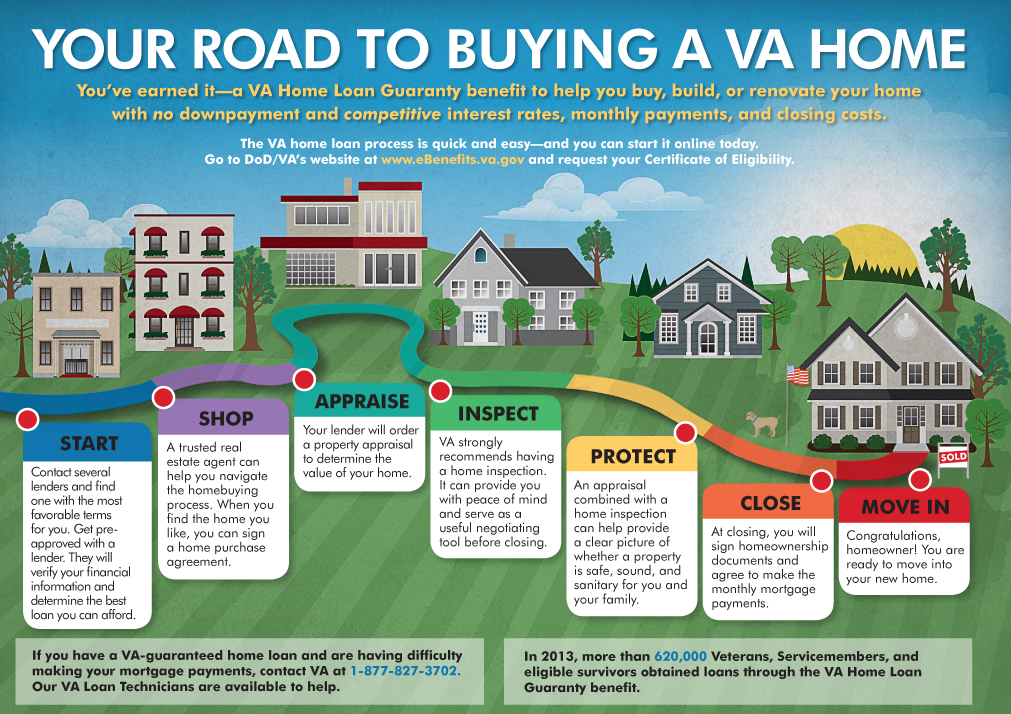
- VA Loans (Department of Veterans Affairs): A fantastic benefit for eligible veterans, active-duty service members, and surviving spouses. VA loans often require no down payment, no private mortgage insurance (PMI), and competitive interest rates.
- USDA Loans (United States Department of Agriculture): Designed for low-to-moderate-income individuals purchasing homes in designated rural areas. USDA loans often require no down payment and offer attractive interest rates, provided the property and borrower meet specific income and location criteria.
These government-backed options are powerful tools for specific demographics but come with their own set of eligibility requirements and terms that differ from conventional loans.
First-Time Homebuyer Initiatives
Beyond the federal programs, many states and local municipalities offer their own first-time homebuyer programs. These can include down payment assistance, closing cost grants, and lower-interest mortgages. Researching initiatives in your specific area can uncover additional financial aid that can significantly reduce the upfront costs of homeownership. These often have income limits and property location restrictions.
Making an Informed Decision: Comparing Your Options
With a clearer understanding of the various places to apply for a home loan, the final step is to strategically compare your options and select the best fit. This isn’t just about the lowest interest rate; it’s about the entire package.
Beyond Interest Rates: Fees, Terms, and Lender Reputation
While interest rates are undeniably crucial, they are not the sole determinant of a “good” loan. Consider the following:
- Annual Percentage Rate (APR): The APR provides a more comprehensive view of the loan’s cost, as it includes the interest rate plus certain fees (like points and administrative charges). It’s a better metric for comparing the true cost of different loans.
- Origination Fees and Closing Costs: These can vary significantly between lenders. Ask for a detailed breakdown of all fees. Closing costs typically range from 2% to 5% of the loan amount.
- Loan Term: The most common terms are 15-year and 30-year mortgages. A shorter term means higher monthly payments but less interest paid over the life of the loan.
- Prepayment Penalties: Check if the loan comes with any penalties for paying off your mortgage early.
- Customer Service and Lender Reputation: Read reviews, ask for referrals, and assess how responsive and helpful a lender’s representatives are. A positive experience throughout the application process can be invaluable.
- Technology and Convenience: If you prefer a digital experience, evaluate the lender’s online platform, mobile app, and communication tools.
The Power of Prequalification and Pre-approval
Before you start seriously house hunting, obtain a pre-qualification and then a pre-approval.
- Prequalification: This is an informal estimate of how much you might be able to borrow, based on a brief review of your finances (often self-reported). It’s a good starting point for setting your budget.
- Pre-approval: This is a much more rigorous process where a lender verifies your financial information (income, assets, credit) and provides a conditional commitment to lend you a specific amount. A pre-approval letter strengthens your offer to sellers, showing you’re a serious and qualified buyer.
A Strategic Approach to Choosing Your Lender
To find the best home loan:
- Shop Around: Get quotes from at least three to five different types of lenders (e.g., a large bank, a local credit union, an online lender, and potentially a mortgage broker).
- Compare Loan Estimates: Once you receive loan estimates, compare them side-by-side. Focus on the APR, interest rate, closing costs, and estimated monthly payments.
- Read the Fine Print: Understand all terms and conditions, especially those related to escrow, mortgage insurance, and potential penalties.
- Ask Questions: Don’t hesitate to ask loan officers or brokers to clarify anything you don’t understand.
Securing a home loan is a significant financial undertaking, but by carefully researching your options, understanding your needs, and comparing offers diligently, you can confidently navigate the process. Whether you choose the stability of a traditional bank, the competitive edge of an online lender, or the personalized guidance of a mortgage broker, remember that the right choice is the one that best serves your financial goals and brings you closer to owning your dream home.
aViewFromTheCave is a participant in the Amazon Services LLC Associates Program, an affiliate advertising program designed to provide a means for sites to earn advertising fees by advertising and linking to Amazon.com. Amazon, the Amazon logo, AmazonSupply, and the AmazonSupply logo are trademarks of Amazon.com, Inc. or its affiliates. As an Amazon Associate we earn affiliate commissions from qualifying purchases.