
The question of where mortgage rates are headed is arguably one of the most critical considerations for anyone involved in the housing market – from prospective first-time homebuyers to seasoned real estate investors and existing homeowners contemplating refinancing. Mortgage rates are not static; they are dynamic, influenced by a complex interplay of economic forces, central bank policies, and global events. Understanding these drivers is paramount to making informed financial decisions in an ever-shifting landscape. The journey of mortgage rates over the past few years has been particularly tumultuous, swinging from historic lows during the pandemic stimulus to multi-decade highs as central banks aggressively combated inflation. This volatility underscores the importance of a nuanced analysis, moving beyond headlines to grasp the underlying mechanisms that dictate the cost of borrowing for one of life’s most significant investments. As we look forward, the path of mortgage rates remains a subject of intense speculation and vital concern, directly impacting affordability, market activity, and the broader economic outlook.
Understanding the Key Drivers of Mortgage Rate Movements
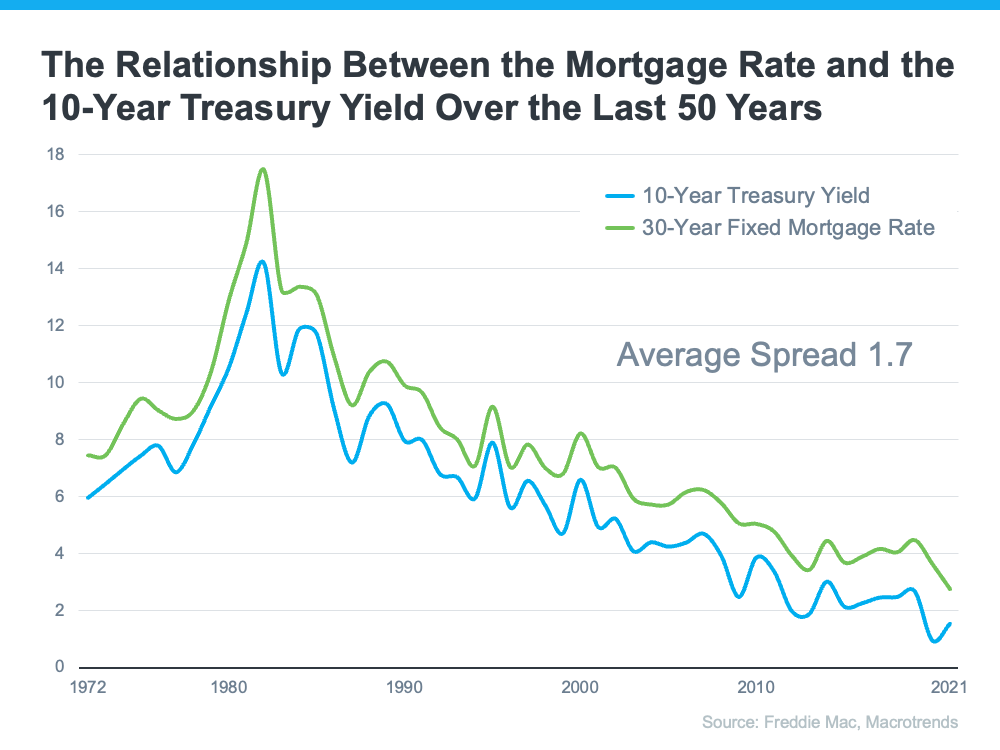
Mortgage rates, particularly those for 30-year fixed-rate loans, are primarily influenced by the bond market, specifically the yield on the 10-year U.S. Treasury bond. However, this benchmark yield itself is a reflection of several deeper economic indicators and policy decisions. Deciphering these underlying forces is the first step toward anticipating future rate movements.
Federal Reserve Policy and Its Indirect Influence
While the Federal Reserve directly controls the federal funds rate – an overnight rate for banks – its actions profoundly impact long-term rates like mortgages. When the Fed raises its benchmark rate to combat inflation, it signals a tighter monetary policy environment. This typically leads to higher yields on government bonds as investors demand greater returns for holding debt in a rising interest rate environment. Consequently, mortgage rates, which track these yields, also tend to rise. Conversely, when the Fed cuts rates to stimulate economic growth, the opposite effect generally occurs. The Fed’s quantitative easing (QE) and quantitative tightening (QT) programs also play a role, with QT (reducing the Fed’s balance sheet) typically pushing bond yields and thus mortgage rates higher by increasing the supply of bonds in the market. The Fed’s forward guidance and public communications are also critical, as they shape market expectations, which in turn influence current bond trading and mortgage pricing.
Inflation Expectations as a Core Determinant
Inflation is a silent erosion of purchasing power, and lenders factor this into the interest rates they charge. If lenders expect inflation to be high in the future, they will demand a higher interest rate today to ensure that the return on their loan adequately compensates them for the diminished value of money over the loan’s term. Thus, sustained inflation or even the expectation of future inflation is a powerful upward driver of mortgage rates. Economic data points like the Consumer Price Index (CPI), Personal Consumption Expenditures (PCE) price index, and various inflation surveys are closely watched by market participants. Any indication that inflation is becoming entrenched or accelerating can quickly translate into higher mortgage rates, regardless of other economic factors. Central banks’ commitment to achieving their inflation targets is therefore a key piece of the puzzle, as their perceived effectiveness in controlling inflation directly impacts long-term rate expectations.
Economic Growth and Labor Market Health
A robust economy, characterized by strong GDP growth, low unemployment, and rising wages, generally creates upward pressure on mortgage rates. In a booming economy, there’s greater demand for credit from businesses and consumers, which can push interest rates higher. A strong labor market, in particular, signals sustained consumer spending power and potential wage-driven inflation, reinforcing the need for potentially higher rates to cool an overheating economy. Conversely, signs of economic slowdown or recession – such as declining GDP, rising unemployment, or reduced consumer confidence – often lead to lower mortgage rates. In such scenarios, investors tend to flock to safer assets like U.S. Treasuries, driving down yields, and central banks may cut rates to stimulate economic activity. Therefore, key economic reports like the monthly jobs report, quarterly GDP figures, and retail sales data provide crucial insights into the direction of mortgage rates.
The Influence of Treasury Yields and the Global Bond Market
The 10-year U.S. Treasury bond yield is often cited as the primary benchmark for 30-year fixed mortgage rates. This is because mortgage lenders typically price their loans at a spread above this yield, reflecting the additional risk and operational costs involved in mortgage lending compared to lending to the U.S. government. The bond market itself is a complex ecosystem where yields fluctuate based on supply and demand, investor sentiment, and global capital flows. When there’s high demand for U.S. Treasuries (e.g., during times of global uncertainty when investors seek safe havens), yields fall, pulling mortgage rates down. Conversely, when the supply of bonds increases or demand wanes, yields rise, pushing mortgage rates up. Geopolitical events, international trade dynamics, and the policies of foreign central banks can all indirectly influence the global demand for U.S. bonds, thereby impacting domestic mortgage rates.
Current Economic Landscape and Future Projections
The present economic environment is marked by significant transition and ongoing debate, shaping the immediate and medium-term outlook for mortgage rates. Understanding the prevailing trends and expert consensus, or lack thereof, is crucial for financial planning.
Navigating Persistent Inflationary Pressures vs. Disinflationary Trends
The post-pandemic era has been dominated by inflation, initially driven by supply chain disruptions and surging demand, and more recently by strong labor markets and wage growth. While headline inflation has retreated from its peak, core inflation (excluding volatile food and energy prices) has proven stickier. This creates a challenging environment for central banks and, consequently, for mortgage rates. If inflationary pressures re-emerge or persist at elevated levels, the Federal Reserve may be compelled to maintain higher interest rates for longer, or even implement further hikes, which would invariably push mortgage rates upward. Conversely, clear and sustained evidence of disinflation – a consistent slowing of the rate of price increases across a broad range of goods and services – could pave the way for central banks to ease monetary policy, potentially leading to a decline in mortgage rates. The “last mile” of disinflation, bringing inflation back to target levels, is proving to be a difficult and uncertain phase.
The Federal Reserve’s Stance and Communication Strategy
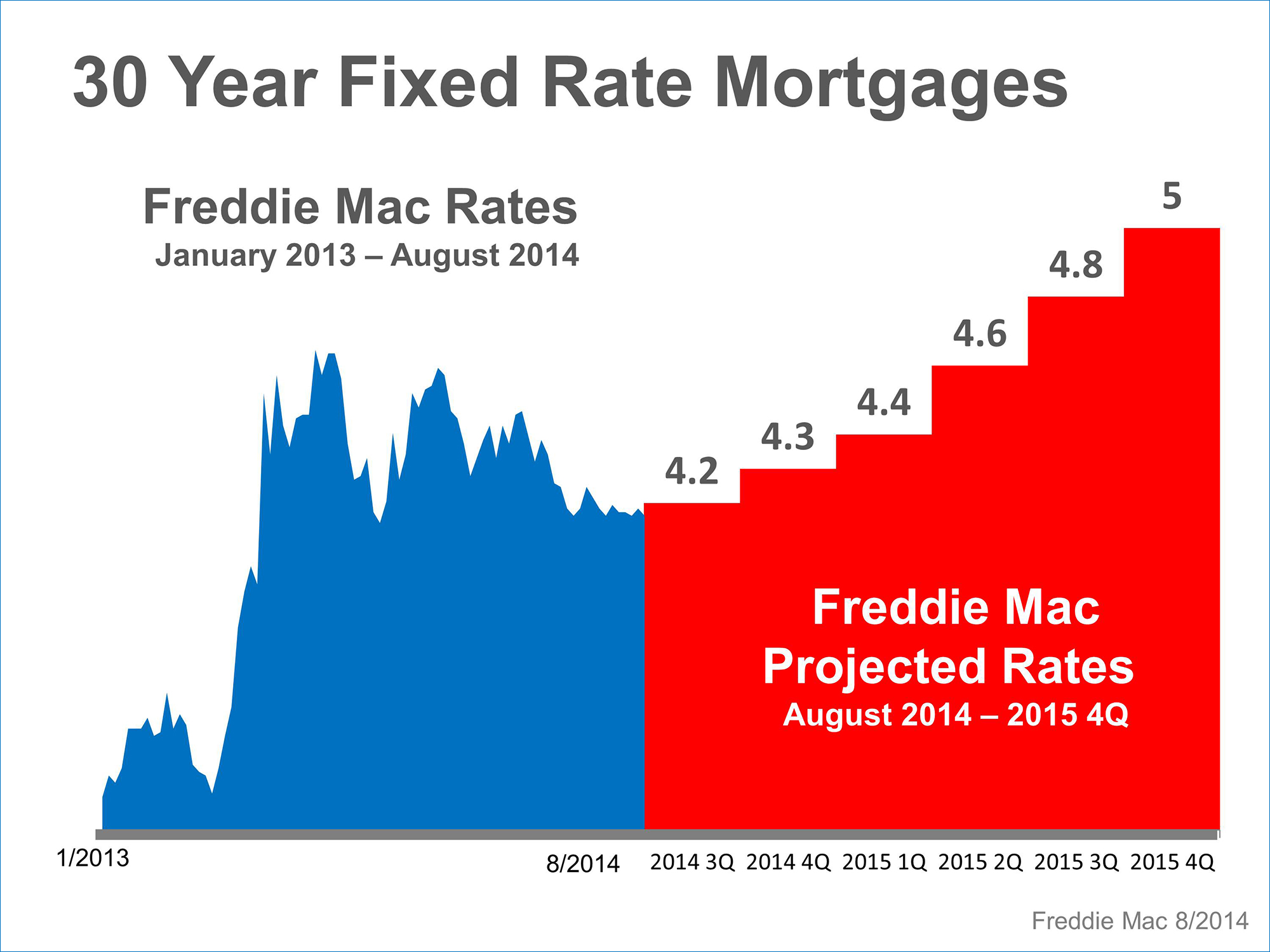
The Federal Reserve’s communication is a powerful tool in shaping market expectations. Their “dot plot” projections for future interest rates, along with statements from Fed officials, provide clues about their likely policy path. The dominant narrative for some time has been “higher for longer,” suggesting that even if rate hikes pause, a rapid return to pre-pandemic low rates is unlikely without significant economic deterioration. However, markets often price in potential rate cuts sooner than the Fed indicates, creating a dynamic tension. The eventual pivot to rate cuts would likely be triggered by a confluence of factors: inflation definitively moving towards the 2% target, a notable weakening in the labor market, or a broader economic slowdown that warrants monetary easing. Any deviation from these expected conditions, either an unexpectedly resilient economy or a resurgence in inflation, could lead to a repricing of expectations, with significant implications for mortgage rates.
Housing Market Dynamics in a High-Rate Environment
High mortgage rates inevitably impact housing market dynamics. Affordability becomes a significant challenge for many potential buyers, leading to reduced transaction volumes and, in some areas, downward pressure on home prices. Existing homeowners with historically low fixed rates are reluctant to sell, contributing to a tight supply of homes for sale. This supply-demand imbalance can create conflicting pressures: high rates reduce demand, but limited supply can prevent significant price drops. The future direction of mortgage rates will play a crucial role in determining whether the housing market experiences a deeper correction, stabilizes at new price levels, or begins to recover. A sustained period of lower rates would likely inject new life into the market by improving affordability and encouraging more transactions, while continued high rates could prolong the current slowdown.
Navigating Volatility: Strategies for Homeowners and Buyers
In an environment where mortgage rates are uncertain and potentially volatile, both prospective buyers and existing homeowners need proactive strategies to protect their financial interests and achieve their goals.
Strategies for Prospective Homebuyers
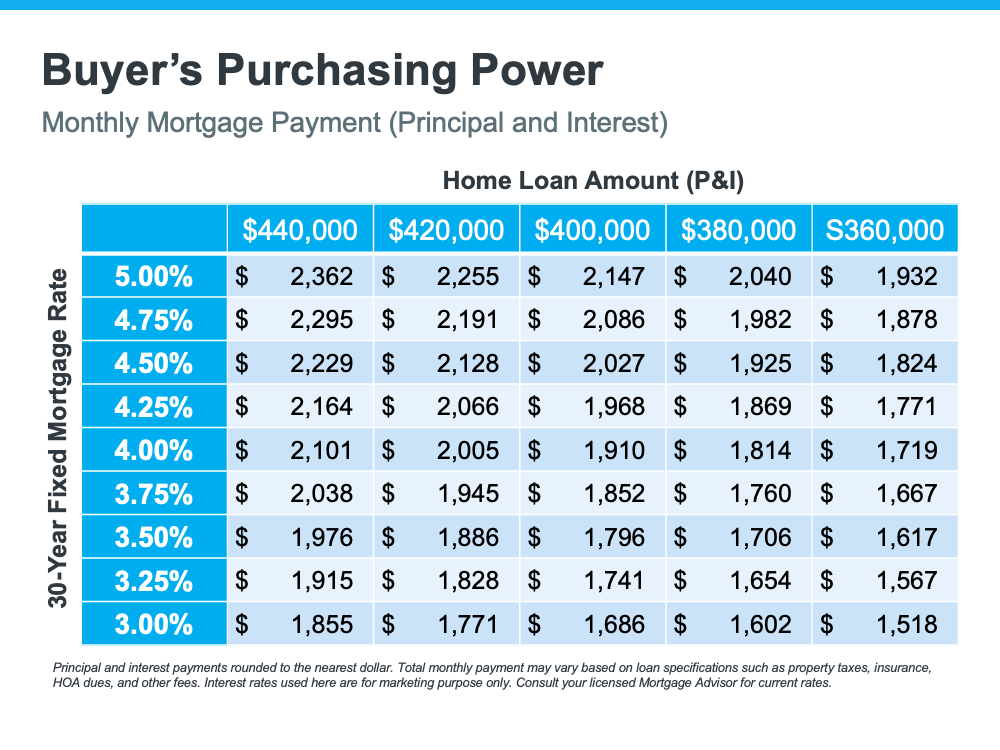
For those looking to purchase a home, vigilance and preparation are key. Getting pre-approved for a mortgage is not just a formality; it allows you to understand your borrowing capacity and, crucially, to lock in an interest rate for a certain period (e.g., 30-60 days). This protects you from rate increases while you search for a home. Some lenders offer “float-down” options, allowing you to secure a lower rate if market rates drop before closing. Improving your credit score before applying can significantly impact the rate you qualify for, potentially saving tens of thousands over the life of the loan. Also, consider the trade-offs between adjustable-rate mortgages (ARMs) and fixed-rate mortgages. While ARMs often start with lower rates, they carry the risk of future payment increases, which can be particularly perilous if rates climb. Saving a larger down payment reduces the amount you need to borrow, thus lessening the impact of higher interest rates on your monthly payment and overall interest paid.
Considerations for Existing Homeowners
Existing homeowners, particularly those with ARMs, need to monitor rate movements closely. If you have an ARM approaching its adjustment period, understanding the potential for increased payments is vital for financial planning and budgeting. For those with fixed-rate mortgages, the decision to refinance becomes attractive only when current market rates are significantly lower than your existing rate, factoring in closing costs. A general rule of thumb used to be a 1-2% rate drop, but individual circumstances and the length of time remaining on your mortgage also matter. If refinancing doesn’t make sense due to high rates, but you need access to funds, consider alternatives like a Home Equity Line of Credit (HELOC) or a Home Equity Loan (HEL). These typically have lower interest rates than personal loans or credit cards and allow you to tap into your home’s equity without disturbing a low primary mortgage rate. Additionally, making extra principal payments can be a prudent strategy to reduce your overall interest burden and build equity faster, regardless of rate movements.
The Role of Financial Tools and Information in Mortgage Decisions
In a complex financial landscape, leveraging technology and reliable data is no longer a luxury but a necessity for making astute mortgage decisions. Within the money niche, these tools empower individuals and enhance transparency.
Online Calculators and Financial Modeling Tools
The internet provides an abundance of online mortgage calculators, which are indispensable for understanding the financial implications of different scenarios. Amortization schedules can show you how much principal and interest you pay over time. Affordability calculators help you determine how much home you can realistically afford based on your income, debts, and current rates. Refinance calculators allow you to compare your existing mortgage with potential new terms, factoring in closing costs and break-even points. These tools enable users to model various interest rates, down payment sizes, and loan terms, providing a clear picture of monthly payments, total interest paid, and long-term costs. This immediate feedback helps in comparing different loan products and making an informed choice tailored to personal financial goals.
Data Analytics for Market Forecasting and Insight
While individual consumers might not have access to the same sophisticated data analytics tools as institutional investors, understanding where to find reliable data is crucial. Economic agencies like the Bureau of Labor Statistics (BLS), the Federal Reserve, and government housing authorities (e.g., Freddie Mac, Fannie Mae) publish a wealth of data on inflation, employment, GDP, and mortgage rate trends. Websites of reputable financial news outlets and real estate portals often aggregate and interpret this data. Learning to interpret these reports – for example, how a strong jobs report might signal continued inflation and higher rates – allows individuals to develop a more informed perspective on market direction. While predicting exact rate movements is impossible, a data-driven approach helps in understanding the probabilities and risks associated with various economic forecasts.
Fintech Innovations in Mortgage Lending
The financial technology (Fintech) sector has significantly transformed the mortgage landscape, offering more streamlined, transparent, and user-friendly experiences. Online lenders have simplified the application process, reducing paperwork and often speeding up approval times. Digital platforms allow borrowers to upload documents securely, track their application progress, and communicate with loan officers more efficiently. While the underlying financial principles of mortgage lending remain, Fintech tools leverage automation and data integration to enhance the customer journey. For example, AI-powered tools may help analyze financial documents more quickly, potentially speeding up underwriting. This convenience and efficiency can be particularly valuable in a fast-moving rate environment, enabling borrowers to secure rates more swiftly and with less friction.
Long-Term Outlook and the Future of Mortgage Lending
Peering into the distant future of mortgage rates involves more speculation, yet it’s essential for long-term financial planning and understanding the evolving nature of the housing market.
Return to “Normal” Rates and Economic Equilibrium
The era of near-zero interest rates post-2008 and during the pandemic was an anomaly. Many economists believe that a “normal” interest rate environment, reflecting a healthy economy, involves rates higher than those lows but potentially lower than the peaks seen during high inflation periods. This equilibrium would likely be influenced by demographic shifts (e.g., aging populations, housing demand from younger generations), productivity growth, and global savings rates. A return to such a “normal” state would mean mortgage rates that are less volatile and more predictable, allowing for more stable housing market dynamics. However, defining “normal” is subjective and constantly evolving based on prevailing economic conditions and global events.
Evolving Lender Practices and Consumer Expectations
As the market adapts to periods of rate volatility, lender practices are also likely to evolve. We might see an increased emphasis on diverse product offerings, flexible rate lock options, and personalized financial advice to help borrowers navigate uncertainty. Consumer expectations are also shifting, with a greater demand for transparency, speed, and digital convenience in the mortgage application and management process. This will continue to drive innovation in the fintech space, with an emphasis on tools that provide clearer insights into the true cost of borrowing and the potential impact of rate changes. The need for clear communication from lenders regarding the implications of various loan types, especially ARMs, will become even more critical.
The Interplay of Global Economics on Domestic Rates
Mortgage rates, while seemingly domestic, are inextricably linked to global economic conditions. International trade agreements, geopolitical conflicts, the economic health of major global economies, and currency fluctuations can all ripple through to U.S. bond markets, affecting Treasury yields and, consequently, mortgage rates. For instance, a flight to safety during international crises can boost demand for U.S. Treasuries, driving yields down, even if domestic conditions might suggest otherwise. Conversely, global inflationary pressures or competition for capital from other strong economies can push U.S. rates higher. Understanding this broader context highlights that domestic mortgage rate predictions cannot be made in isolation but must consider the interconnectedness of the global financial system.
In conclusion, the future trajectory of mortgage rates remains complex and subject to numerous influential factors. While no one can predict exact movements, a comprehensive understanding of Federal Reserve policy, inflation trends, economic health, and the bond market provides a robust framework for anticipation. For both current and aspiring homeowners, staying informed, leveraging financial tools, and engaging in proactive financial planning are the most effective strategies for navigating this evolving landscape and making sound decisions for their personal financial well-being.
aViewFromTheCave is a participant in the Amazon Services LLC Associates Program, an affiliate advertising program designed to provide a means for sites to earn advertising fees by advertising and linking to Amazon.com. Amazon, the Amazon logo, AmazonSupply, and the AmazonSupply logo are trademarks of Amazon.com, Inc. or its affiliates. As an Amazon Associate we earn affiliate commissions from qualifying purchases.