
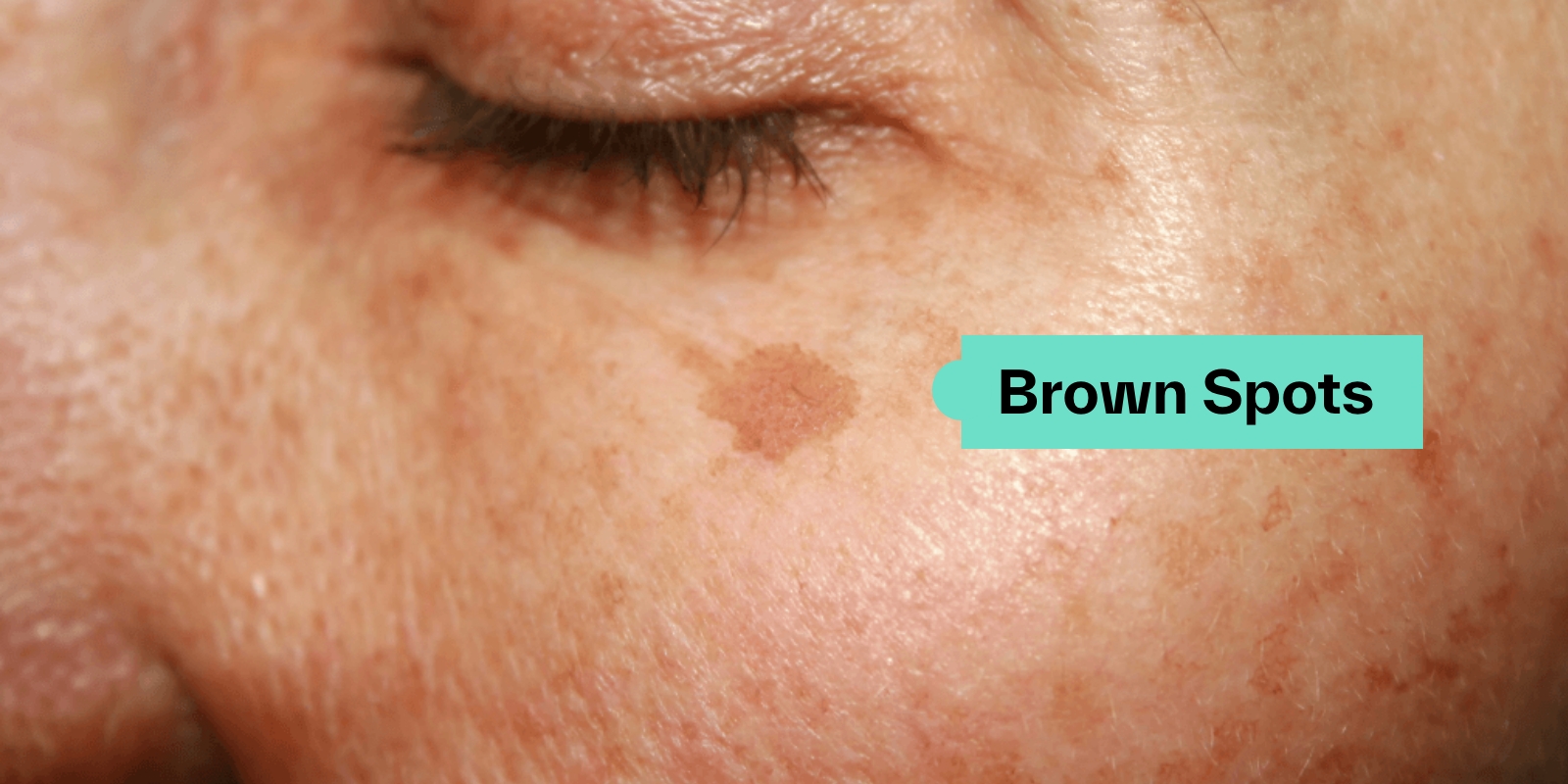
Brown marks on the skin, a common dermatological concern, can range from subtle freckles to more pronounced age spots. While often benign, these marks can sometimes cause aesthetic worry and, in rarer cases, signal underlying health issues. Understanding the causes, types, and potential treatments for hyperpigmentation is crucial for effective management and maintaining healthy, radiant skin. This article delves into the science behind these pigmented lesions, exploring their origins and offering insights relevant to the broader themes of health, wellness, and even personal well-being, which resonate with our focus on technology, brand, and money through a lens of informed self-care.
The Pigment Powerhouse: Melanin and its Role in Skin Tone
At the heart of brown marks on the skin lies melanin, the primary pigment responsible for our skin, hair, and eye color. Produced by specialized cells called melanocytes, melanin plays a vital protective role. Its primary function is to absorb ultraviolet (UV) radiation from the sun, shielding our DNA from damage that could lead to skin cancer. The amount and type of melanin produced, along with its distribution in the skin, determine our individual skin tone.
Understanding Melanin Production: A Delicate Balance
Melanogenesis, the process of melanin synthesis, is a complex biochemical pathway influenced by a variety of factors.
Factors Influencing Melanin Production:
-
Genetics: Our genetic makeup dictates our baseline melanin production. Individuals with darker skin tones have more active melanocytes and produce higher levels of melanin, offering greater natural sun protection. Conversely, those with lighter skin have fewer melanocytes or less active ones, making them more susceptible to sun damage and pigmentation changes. This genetic predisposition is a foundational aspect of our biological “brand.”
-
Sun Exposure (UV Radiation): This is arguably the most significant external trigger for increased melanin production. When skin is exposed to UV rays, melanocytes are stimulated to produce more melanin as a defense mechanism. This is why we tan – our skin’s way of trying to protect itself. Prolonged or intense sun exposure, without adequate protection, can lead to uneven melanin distribution, resulting in darker patches. This aspect of sun exposure also highlights the importance of digital wellness and understanding the impact of screen time on our bodies, even if indirectly through lifestyle choices influenced by technology.
-
Inflammation: Any form of skin injury or inflammation can trigger a post-inflammatory hyperpigmentation (PIH) response. This includes acne, eczema, psoriasis, cuts, burns, or even aggressive skincare treatments. The inflammatory process stimulates melanocytes to produce melanin in the affected area, which can persist long after the initial inflammation has subsided. This connection between skin health and our body’s internal “system” can be viewed metaphorically as a system requiring optimization, much like software or business processes we analyze in technology and brand management.
-
Hormonal Changes: Fluctuations in hormones, particularly during pregnancy or due to the use of oral contraceptives, can lead to a condition known as melasma. This often manifests as symmetrical brown patches on the face. The hormonal influence underscores the intricate biological systems that govern our bodies, akin to the complex interplay of factors in financial markets or technological advancements.
-
Age: As we age, melanocytes can become less uniform in their distribution and function. This can lead to the development of lentigines, commonly known as age spots or liver spots. These are essentially areas where melanin has accumulated more densely over time, often exacerbated by cumulative sun exposure. This aging process relates to personal finance and long-term planning, as understanding the body’s changes requires foresight and management, much like planning for retirement.
-
Medical Conditions and Medications: Certain medical conditions, such as Addison’s disease, can cause widespread skin darkening. Additionally, some medications, including certain antibiotics, antimalarials, and chemotherapy drugs, can have hyperpigmentation as a side effect. This highlights the importance of understanding the “specifications” of our internal systems and how external inputs (like medications) can affect them.
Common Types of Brown Marks on Skin
While all brown marks involve an excess of melanin, they vary in appearance, cause, and location. Identifying the specific type of mark is the first step towards appropriate management.
Freckles (Ephelides)
Freckles are small, typically flat, tan or light brown spots that appear on sun-exposed areas of the skin, particularly on the face and arms. They are more common in individuals with fair skin and red or blond hair. Freckles are genetically predisposed and darken with sun exposure, fading when sun exposure is reduced. They are a classic example of melanin’s response to UV radiation.
Sunspots (Solar Lentigines)
Sunspots, also known as age spots or liver spots, are larger than freckles and appear as flat, round or oval brown to black spots. They typically develop on areas that have received significant sun exposure over many years, such as the face, hands, shoulders, and forearms. Unlike freckles, sunspots are not primarily genetically determined but are a direct result of cumulative sun damage. Their development is a long-term consequence of environmental exposure, much like the accumulated data that informs sophisticated AI models or the build-up of brand equity over time.
Melasma
Melasma, often referred to as the “mask of pregnancy,” is a common skin condition characterized by symmetrical, blotchy, brown or grayish-brown patches on the face. It most commonly appears on the cheeks, forehead, nose, chin, and upper lip. Melasma is primarily triggered by hormonal changes, especially during pregnancy and by oral contraceptives, and is significantly worsened by sun exposure. It’s a condition that underscores the intricate biological systems within us, and managing it requires a multi-faceted approach, much like strategizing a comprehensive brand campaign.
Post-Inflammatory Hyperpigmentation (PIH)
Post-inflammatory hyperpigmentation refers to the darkening of the skin that occurs after an inflammatory skin condition or injury. This can include acne, eczema, psoriasis, bug bites, or even minor cuts and burns. The melanocytes in the affected area become overactive during the healing process, leading to an excess deposition of melanin. The color of PIH can range from light brown to dark brown or even black, depending on the individual’s skin tone and the severity of the inflammation. Understanding PIH is akin to diagnosing and rectifying errors in a complex system, whether it be software or a business process.
Moles (Nevi)
Moles are common skin growths that can appear anywhere on the body. Most moles are benign and are characterized by clusters of melanocytes. They can be flat or raised, smooth or rough, and vary in color from tan to dark brown or even black. While most moles are harmless, it’s important to monitor them for changes in size, shape, color, or texture, as these could be signs of melanoma, a type of skin cancer. This highlights the importance of continuous monitoring and data analysis, much like tracking brand reputation or software performance.
Managing and Treating Brown Marks on Skin
The approach to managing brown marks depends on their type, cause, and the individual’s preferences. A combination of prevention, topical treatments, and professional procedures can often yield significant improvements.

Prevention: The First Line of Defense
The most effective strategy for preventing and managing many types of brown marks, particularly sunspots and melasma, is diligent sun protection.
Key Prevention Strategies:
-
Sunscreen Use: Applying a broad-spectrum sunscreen with an SPF of 30 or higher daily, even on cloudy days, is paramount. Reapplying every two hours when outdoors or after swimming or sweating is crucial. This is a fundamental health “protocol,” analogous to digital security measures we advocate in the tech sphere.
-
Protective Clothing: Wearing wide-brimmed hats, sunglasses, and clothing that covers the skin can provide physical barriers against UV radiation.
-
Seeking Shade: Limiting direct sun exposure, especially during peak hours (10 am to 4 pm), significantly reduces UV damage.
-
Avoiding Tanning Beds: Tanning beds emit harmful UV radiation and should be avoided altogether.
Topical Treatments: At-Home Solutions
Several over-the-counter and prescription topical treatments can help to lighten existing brown marks and prevent new ones from forming. These often work by inhibiting melanin production or increasing skin cell turnover.
Common Topical Ingredients:
-
Hydroquinone: A potent skin-lightening agent that inhibits tyrosinase, an enzyme essential for melanin production. It’s often available by prescription and requires careful use due to potential side effects.
-
Retinoids (Retinol, Tretinoin): These vitamin A derivatives increase skin cell turnover, helping to shed pigmented cells and reveal brighter skin underneath. They can also help to inhibit melanin transfer.
-
Vitamin C (Ascorbic Acid): A powerful antioxidant that helps to brighten the skin, inhibit melanin production, and protect against sun damage.
-
Niacinamide (Vitamin B3): This ingredient can help to reduce the transfer of melanin from melanocytes to skin cells, leading to a reduction in hyperpigmentation.
-
Kojic Acid, Azelaic Acid, and Alpha Hydroxy Acids (AHAs): These ingredients have varying mechanisms for exfoliating the skin and inhibiting melanin production.
The effective use of these topical treatments requires consistent application and patience, much like the iterative development cycles in software or the consistent execution of a brand strategy.
Professional Treatments: Advanced Interventions
For more stubborn or extensive brown marks, professional dermatological treatments can offer more dramatic results. These treatments are performed by trained professionals and require consultation to determine the most suitable option.
Professional Treatment Options:
-
Chemical Peels: These involve applying a chemical solution to the skin to exfoliate the outer layers, revealing fresher, less pigmented skin underneath. Different types of peels (superficial, medium, deep) target varying depths of skin.
-
Laser Therapy: Various laser treatments, such as Q-switched lasers, picosecond lasers, and fractional lasers, can target melanin in the skin, breaking it down and leading to its clearance. The effectiveness and suitability of laser therapy depend on the type of pigmentation and skin tone. This technological approach to skin rejuvenation mirrors the advancements we see in AI and gadgetry, offering targeted solutions.
-
Microdermabrasion: A minimally invasive procedure that uses a device to gently exfoliate the top layer of skin, improving texture and reducing the appearance of superficial pigmentation.
-
Microneedling: This procedure uses fine needles to create microscopic injuries in the skin, stimulating collagen production and encouraging cell renewal, which can help to fade hyperpigmentation over time.
These advanced treatments highlight the intersection of science and technology in modern healthcare, offering precise and effective solutions, not unlike the tailored strategies developed in brand management or the sophisticated algorithms driving AI.

Conclusion: Embracing Healthy Skin Through Informed Choices
Brown marks on skin, while a common occurrence, are a visible reminder of our body’s complex biological processes and its interaction with the environment. From the fundamental role of melanin to the myriad of factors influencing its production, understanding the “why” behind these marks empowers us to make informed choices about our skin health.
By prioritizing sun protection, utilizing effective topical treatments, and exploring professional interventions when necessary, we can manage and reduce the appearance of brown marks, ultimately contributing to healthier, more radiant skin. This journey of understanding and managing our skin health is akin to the continuous learning and adaptation required in the ever-evolving landscapes of technology, brand building, and financial management. Investing in our well-being, including our skin, is a long-term strategy that pays dividends in confidence and overall health, much like a well-executed financial plan or a strong, recognizable brand identity. Ultimately, a proactive and informed approach to skin care is an investment in ourselves, a commitment to maintaining our personal “brand” of health and vitality.
aViewFromTheCave is a participant in the Amazon Services LLC Associates Program, an affiliate advertising program designed to provide a means for sites to earn advertising fees by advertising and linking to Amazon.com. Amazon, the Amazon logo, AmazonSupply, and the AmazonSupply logo are trademarks of Amazon.com, Inc. or its affiliates. As an Amazon Associate we earn affiliate commissions from qualifying purchases.