
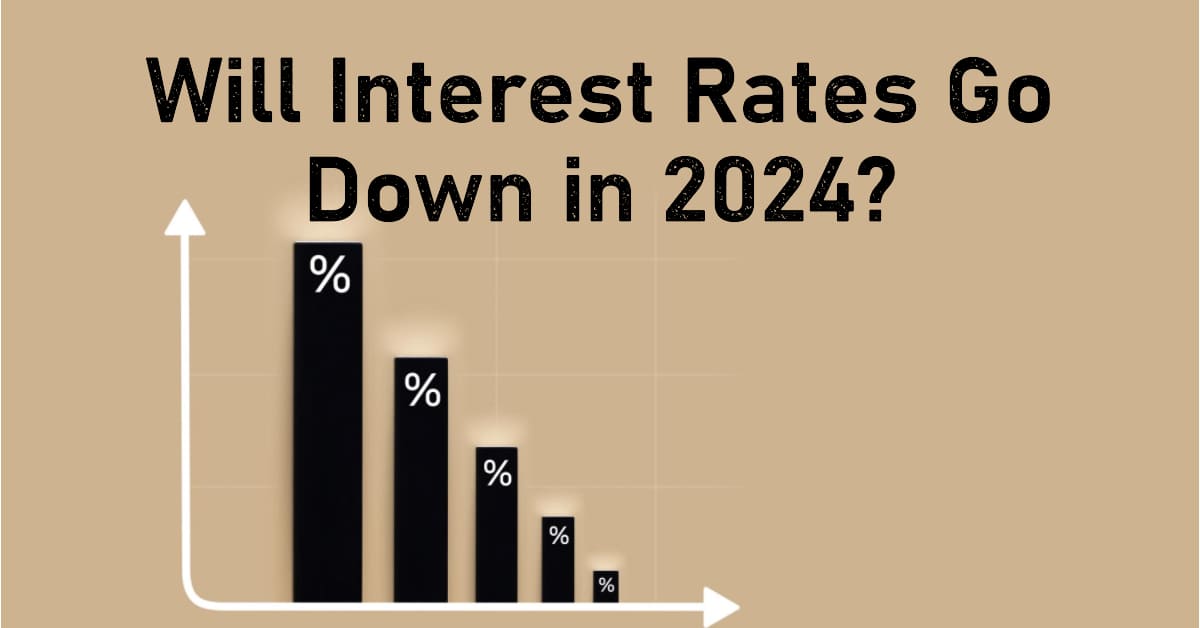
The question “When will interest rates drop again?” echoes through boardrooms, across kitchen tables, and within investment forums worldwide. After a period of aggressive rate hikes by central banks globally, aimed at taming persistent inflation, consumers and businesses are now keenly anticipating a pivot towards monetary easing. This shift holds significant implications for everything from mortgage payments and personal savings to corporate investment and overall economic growth. Understanding the factors that influence these crucial decisions by central banks is paramount for anyone navigating the current financial landscape. This article delves into the intricate web of economic indicators, central bank mandates, and market expectations to shed light on the potential timing and triggers for future interest rate reductions.
Understanding the Central Bank’s Mandate and Current Stance
Central banks, such as the Federal Reserve in the United States, the European Central Bank (ECB), and the Bank of England (BoE), operate with specific mandates that guide their monetary policy decisions. Their primary goal is to foster a stable economic environment, but the exact mechanisms and priorities can vary.
The Dual Mandate: Inflation and Employment
For many central banks, particularly the Federal Reserve, a “dual mandate” drives policy. This means they aim to achieve both maximum sustainable employment and price stability (i.e., controlling inflation, typically targeting an average of 2%). During periods of low inflation and high unemployment, central banks might lower interest rates to stimulate borrowing, spending, and job creation. Conversely, when inflation soars and the labor market is robust, they raise rates to cool down the economy, making borrowing more expensive and thereby reducing demand and inflationary pressures. The delicate balancing act between these two objectives often dictates the pace and direction of monetary policy.
The Recent Rate Hike Cycle
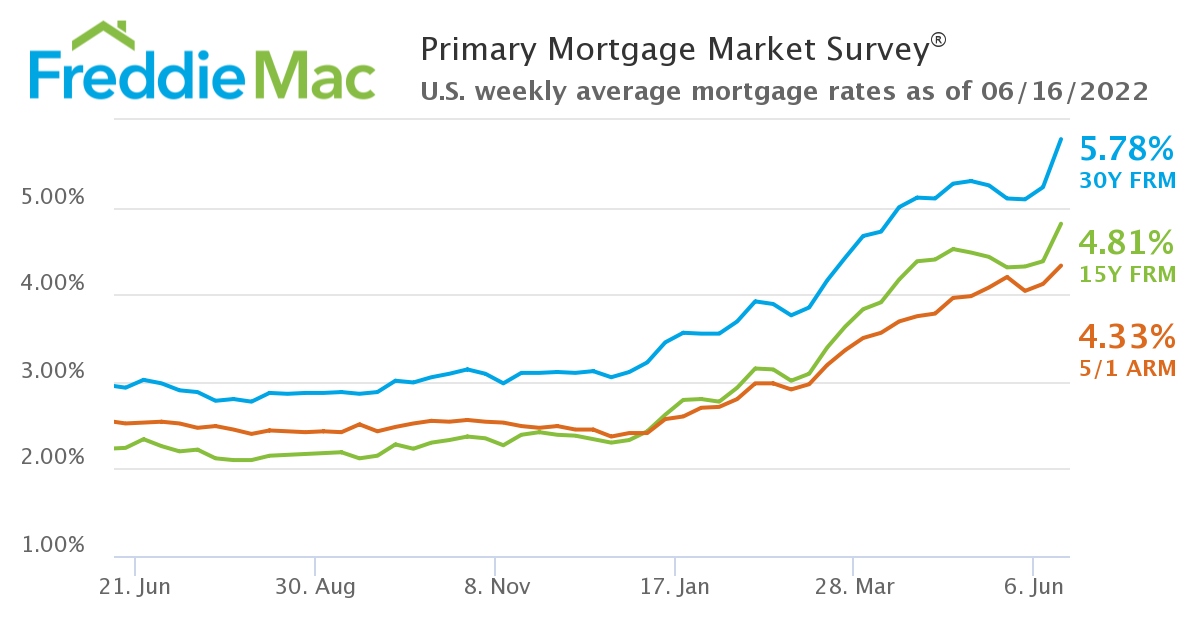
The recent cycle of interest rate hikes, which began in earnest in 2022, was a direct response to the surge in inflation observed globally. Factors such as supply chain disruptions exacerbated by the pandemic, robust consumer demand fueled by fiscal stimulus, and geopolitical events (like the war in Ukraine impacting energy and food prices) pushed inflation rates to multi-decade highs. Central banks, initially slow to react, eventually embarked on an aggressive tightening path, rapidly increasing policy rates to bring inflation back towards their 2% targets. This strategy, while necessary to prevent entrenched inflation, also raised concerns about potential economic slowdowns or even recessions.
Data Dependency: The Guiding Principle
Crucially, central bank decisions are not based on predetermined schedules or political whims; they are “data-dependent.” This means that every policy meeting is preceded by a thorough review of the latest economic statistics. Central bankers meticulously analyze a wide array of indicators related to inflation, employment, economic growth, and financial market conditions. Their forward guidance often emphasizes that future moves will be dictated by how these data points evolve over time. This data-dependent approach underscores the dynamic nature of monetary policy and explains why market expectations can shift rapidly as new economic reports are released.
Key Economic Indicators Influencing Rate Decisions
The path of interest rates is intricately linked to the health of the economy, as measured by a suite of critical indicators. Central banks scrutinize these data points for signs that their policy actions are having the desired effect and to gauge the appropriate next steps.
Inflationary Pressures: CPI, PCE, and Wage Growth
Inflation remains the primary concern for central banks. They monitor several measures, including the Consumer Price Index (CPI) and, in the U.S., the Personal Consumption Expenditures (PCE) price index, which is the Fed’s preferred gauge. Central banks look beyond headline numbers, examining “core” inflation (excluding volatile food and energy prices) to get a clearer picture of underlying price trends. Critically, they also focus on services inflation, which tends to be stickier, and wage growth. If wages grow too quickly without corresponding productivity gains, it can create a wage-price spiral, making inflation harder to control. Consistent, sustained declines in these inflation metrics, particularly core services inflation, are essential preconditions for rate cuts.
Labor Market Health: Unemployment Rate and Job Growth
The state of the labor market is another vital input. A strong labor market, characterized by low unemployment rates, robust job growth, and high wage demands, can signal an economy operating above its potential, potentially fueling inflation. Conversely, a weakening labor market – marked by rising unemployment, declining job openings, and slower wage growth – might prompt central banks to consider rate cuts to prevent a deeper economic downturn. Indicators such as the unemployment rate, non-farm payrolls, average hourly earnings, and initial jobless claims are closely watched for signs of either overheating or cooling. The goal is “maximum sustainable employment,” not necessarily the lowest possible unemployment rate if it comes at the cost of high inflation.
Economic Growth: GDP and Consumer Spending
The overall pace of economic growth, typically measured by Gross Domestic Product (GDP), provides a broader context. A robust and expanding economy might be able to tolerate higher interest rates, whereas a decelerating economy or one teetering on the brink of recession would likely necessitate lower rates to stimulate activity. Consumer spending, which accounts for a significant portion of GDP in many developed economies, is particularly important. Healthy consumer balance sheets and spending habits can keep the economy resilient, while signs of consumer retrenchment could signal trouble ahead. Business investment and manufacturing activity also offer clues about the economy’s momentum.
Global Economic Landscape and Geopolitical Risks
While central banks primarily focus on domestic conditions, they cannot ignore the global economic environment and geopolitical developments. Global supply chain issues, energy price shocks stemming from international conflicts (like the Russia-Ukraine war), and the economic performance of major trading partners can all exert significant influence on domestic inflation and growth. A global slowdown, for instance, might reduce demand for a country’s exports, impacting its economic health. Similarly, renewed geopolitical tensions could trigger fresh inflationary pressures or dampen business confidence, prompting central banks to reconsider their policy trajectories.
The Fed’s (and other Central Banks’) Forward Guidance and Market Expectations
In today’s interconnected financial world, central banks communicate extensively to guide market expectations and ensure their policy messages are understood. This “forward guidance” is a critical tool in managing the economy.
Reading Between the Lines: FOMC Statements and Speeches
After each Federal Open Market Committee (FOMC) meeting (for the U.S. Fed) or similar policy meetings, central banks issue statements outlining their decisions and outlook. These statements are meticulously parsed by analysts and investors for subtle shifts in language, key phrases, or omitted words that might signal a change in future policy direction. Additionally, speeches and testimonies from central bank governors and presidents offer further insights into their thinking. These public communications are crucial for understanding their current assessment of the economy and their inclinations regarding future interest rate adjustments. Understanding the hawkish (favoring higher rates) or dovish (favoring lower rates) leanings of individual committee members can also provide valuable context.
The “Dot Plot” and Projections
The U.S. Federal Reserve, for example, releases a “Summary of Economic Projections” (SEP) four times a year, which includes the infamous “dot plot.” This chart anonymously shows each FOMC member’s projection for the federal funds rate at the end of the current year and for the next few years, as well as in the longer run. While not a commitment, the median of these dots provides a strong indication of the committee’s collective outlook on the future path of interest rates. The SEP also includes projections for GDP growth, unemployment, and inflation, offering a comprehensive view of how central bankers foresee the economy evolving in response to their policies. Shifts in the median dot can significantly impact market expectations for rate cuts or hikes.
Market Pricing vs. Central Bank Messaging
There is often a dynamic interplay, and sometimes a disconnect, between what central banks communicate and what financial markets “price in.” Markets use various instruments, such as federal funds futures contracts or bond yields, to forecast the probability of future rate moves. For example, if futures markets are pricing in multiple rate cuts by a certain date, but the central bank’s forward guidance suggests a “higher for longer” stance, this creates a tension. Central banks sometimes try to “push back” against market expectations if they believe they are misaligned with their own data-dependent outlook, aiming to maintain credibility and prevent unwarranted volatility. The alignment or misalignment between these two forces can signal periods of stability or potential market disruption.
Potential Scenarios and Timelines for Rate Reductions
Predicting the exact timing of interest rate drops is challenging, as it depends on the evolution of myriad economic factors. However, economists typically consider a few key scenarios that could unfold.
The “Soft Landing” Scenario
This is the most desired outcome: inflation returns to the central bank’s target (e.g., 2%) without triggering a significant recession or a sharp increase in unemployment. In this scenario, the economy gradually cools, the labor market rebalances, and supply chains normalize. If inflation data consistently shows a downward trend, and the labor market remains resilient but not excessively tight, central banks can begin to implement gradual interest rate cuts. These cuts would be cautious, aimed at normalizing policy rather than providing aggressive stimulus, and would likely start once policymakers are confident that inflation is durably heading towards their target. Many economists currently hope for, and see a path towards, this outcome, potentially leading to cuts in mid-to-late 2024 or early 2025.
The “Hard Landing” (Recession) Scenario
A “hard landing” occurs if the economy slows much more dramatically than anticipated, potentially tipping into a recession. This could be triggered by overly aggressive monetary policy, an unexpected financial shock, or a severe downturn in a critical sector. In such a scenario, unemployment would rise significantly, and corporate profits would likely decline. Facing a rapidly deteriorating economic outlook, central banks would likely pivot aggressively to rate cuts, possibly even substantial ones, to stimulate borrowing, investment, and consumer spending. In this instance, rate cuts might occur sooner and more sharply than in a soft landing, even if inflation hasn’t fully reached the 2% target, as preventing a deeper recession becomes the more pressing concern.
The “Higher for Longer” Scenario
This scenario suggests that inflation proves stickier than anticipated, or the labor market remains too tight, despite current interest rate levels. If disinflationary progress stalls or reverses, perhaps due to renewed supply shocks or persistent wage pressures, central banks might be compelled to keep interest rates elevated for a longer period than markets expect. This “higher for longer” stance would aim to ensure inflation is definitively brought under control, even if it entails a greater risk of economic slowdown. In this case, significant rate cuts would be delayed, potentially pushing them further into 2025 or even beyond, as policymakers prioritize price stability above all else.
When Could Rates Start to Drop? A Look at Analyst Consensus
While there’s no crystal ball, the prevailing consensus among many financial institutions and economists suggests that rate cuts are more likely to begin once central banks have sufficient evidence that inflation is sustainably trending towards their targets, and the labor market shows signs of cooling without collapsing. The exact timing remains fluid, but many analysts point towards the second half of 2024 as a plausible window for initial rate cuts in major economies, with the pace and magnitude dependent on incoming data. This timeline is subject to continuous reassessment based on geopolitical events, energy prices, and the monthly torrent of economic reports.
Implications of Future Rate Movements for Personal Finance and Business
Regardless of when and how interest rates adjust, their movements have profound implications for individuals and businesses alike, necessitating adaptive financial strategies.
Borrowers: Mortgages, Loans, Credit Cards
For borrowers, lower interest rates are generally welcome news. Mortgage rates, which tend to track long-term bond yields and central bank policy, would likely decline, making homeownership more affordable or reducing monthly payments for those looking to refinance. Similarly, the cost of other loans, such as auto loans, personal loans, and business lines of credit, would decrease. For credit card holders, particularly those with variable-rate cards, lower benchmark rates could eventually lead to reduced interest charges, freeing up disposable income. However, it’s important to remember that credit card rates often have higher fixed components and may not drop as quickly or significantly as other loan types.
Savers and Investors: Savings Accounts, Bonds, Stocks
The impact on savers and investors is more nuanced. Savers would see lower returns on high-yield savings accounts, money market funds, and Certificates of Deposit (CDs), which have benefited from the higher rate environment. Bond investors, however, would generally benefit from falling rates, as existing bonds with higher yields become more attractive, increasing their market value. For stock market investors, lower rates can be a positive catalyst, as they reduce borrowing costs for companies, potentially boosting corporate profits, and make future earnings streams more valuable when discounted at lower rates. This can lead to increased investor confidence and higher equity valuations, especially for growth-oriented companies.
Businesses: Cost of Capital and Investment Decisions
Businesses are highly sensitive to interest rate changes. Lower rates reduce the cost of capital, making it cheaper for companies to borrow money for expansion, research and development, hiring, and other investments. This can stimulate economic activity, increase productivity, and potentially lead to job creation. Conversely, higher rates can stifle investment by making projects less financially viable. Therefore, the prospect of rate cuts can encourage businesses to plan for future growth, secure financing at more favorable terms, and potentially embark on strategic initiatives that were previously deemed too expensive.

Strategic Financial Planning in an Evolving Landscape
Given the dynamic nature of interest rate environments, both individuals and businesses must engage in strategic financial planning. This involves regularly reviewing budgets, debt portfolios, and investment strategies. For individuals, this might mean considering locking in a fixed-rate mortgage if rates appear to be bottoming out, or diversifying investment portfolios to account for potential shifts in asset performance. Businesses should constantly assess their exposure to variable-rate debt, evaluate opportunities for refinancing, and factor potential changes in borrowing costs into their long-term growth plans. Adapting to the evolving landscape, rather than simply reacting, is key to financial resilience and success.
In conclusion, the question of “When will interest rates drop again?” hinges on a complex interplay of inflation trends, labor market dynamics, overall economic growth, and the meticulous assessment by central banks. While no definitive timeline can be provided, understanding the indicators and scenarios at play empowers individuals and businesses to anticipate potential shifts and strategically position themselves for the next phase of the economic cycle. The global economy remains in a state of flux, making vigilance and informed financial decision-making more crucial than ever.
aViewFromTheCave is a participant in the Amazon Services LLC Associates Program, an affiliate advertising program designed to provide a means for sites to earn advertising fees by advertising and linking to Amazon.com. Amazon, the Amazon logo, AmazonSupply, and the AmazonSupply logo are trademarks of Amazon.com, Inc. or its affiliates. As an Amazon Associate we earn affiliate commissions from qualifying purchases.