
A mortgage is arguably the largest financial commitment most individuals undertake in their lifetime. Within the intricate world of real estate finance, one term stands out for its promise of stability and predictability: the fixed mortgage rate. Understanding what this entails, its advantages, and its nuances is paramount for anyone navigating the path to homeownership or considering a refinance.
Understanding the Fundamentals of Fixed-Rate Mortgages
At its core, a fixed-rate mortgage is a home loan where the interest rate remains constant for the entire duration of the loan term. This steadfast rate directly translates into a monthly principal and interest payment that never changes, providing a clear financial roadmap for homeowners over decades.

The Core Concept: Predictability and Stability
The defining characteristic of a fixed-rate mortgage is its unwavering nature. Once the loan is originated, the interest rate you agree to is locked in. This means that whether economic indicators shift, central banks adjust their lending rates, or the broader market experiences volatility, your specific mortgage interest rate remains unaffected. In contrast to an adjustable-rate mortgage (ARM), where the interest rate can fluctuate periodically based on an index, a fixed-rate mortgage offers complete immunity to future interest rate hikes. This predictability is a cornerstone for sound personal financial planning, as homeowners can forecast their housing expenses with absolute certainty, making it easier to budget for other necessities and long-term financial goals.
How the Rate is Determined
While the rate remains fixed throughout the loan’s life, the initial rate offered to a borrower is a dynamic figure influenced by a multitude of economic and personal factors at the time of application. Broad economic conditions play a significant role; the overall interest rate environment, influenced by inflation expectations, the federal funds rate set by central banks, and the yield on long-term Treasury bonds, sets the baseline. Lenders also assess individual borrower characteristics rigorously. A strong credit score signals lower risk, typically resulting in a more favorable interest rate. Similarly, a lower loan-to-value (LTV) ratio, achieved through a larger down payment, can also secure a better rate. The chosen loan term (e.g., 15-year vs. 30-year) also impacts the rate, with shorter terms often carrying slightly lower rates due to reduced long-term risk for the lender. Each lender further incorporates their own operational costs, profit margins, and specific risk assessment models into the final rate offered.
Advantages of Opting for a Fixed-Rate Mortgage
The widespread popularity of fixed-rate mortgages is not accidental; it stems from a suite of compelling advantages that cater to a homeowner’s desire for financial security and simplicity.
Budgetary Certainty
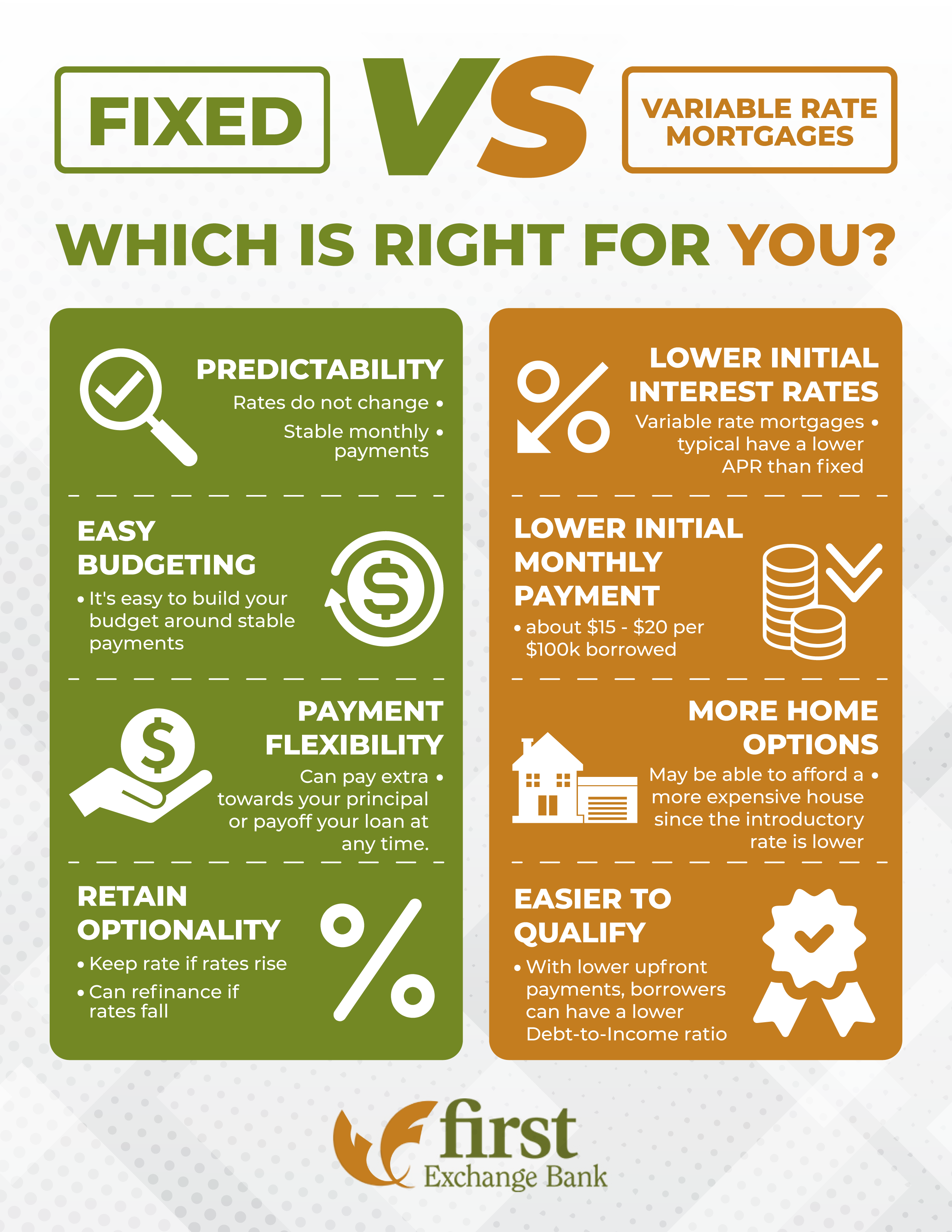
The most prominent benefit of a fixed-rate mortgage is the unparalleled budgetary certainty it provides. With a consistent monthly payment for principal and interest, homeowners can accurately plan their finances years, even decades, into the future. This eliminates the stress and uncertainty associated with fluctuating payments, making it easier to maintain a household budget, save for retirement, invest, or plan for major life events. In an environment of rising interest rates, a fixed-rate mortgage acts as a financial shield, protecting the homeowner from increased housing costs that could strain their budget. This consistency simplifies complex financial calculations, offering a clear understanding of the total cost of the loan over its entire term.
Peace of Mind
Beyond the numbers, a fixed-rate mortgage offers significant psychological benefits. The knowledge that your primary housing expense will not change, regardless of market volatility or economic shifts, provides an invaluable sense of peace of mind. This removes a significant variable from your financial equation, allowing you to focus on other aspects of your life and financial planning without the constant worry of potential payment shocks. For individuals and families prioritizing stability and long-term security in their housing costs, this emotional benefit can be as significant as the financial ones.
Simplicity in Financial Planning
The straightforward nature of a fixed-rate mortgage significantly simplifies personal financial planning. Setting up automated payments becomes effortless, as there’s no need to monitor market indexes or anticipate changes. This allows for a more streamlined approach to managing household finances, contributing to a more organized and stress-free financial life. For those who prefer a “set it and forget it” approach to their major financial commitments, a fixed-rate loan is an ideal solution.
Potential Considerations and Drawbacks
While fixed-rate mortgages offer significant benefits, it’s crucial to acknowledge their potential limitations. No financial product is universally perfect, and understanding the trade-offs is key to making an informed decision.
Missing Out on Falling Rates
The very strength of a fixed-rate mortgage – its immutability – can become a drawback in a declining interest rate environment. If market interest rates drop significantly after you’ve locked in a higher fixed rate, you won’t automatically benefit from these lower rates. To capitalize on a more favorable market, you would typically need to refinance your existing loan, which involves new closing costs, fees, and the effort of a new application process. While refinancing can be advantageous in certain scenarios, it’s not a cost-free or instantaneous solution, and the savings must outweigh the expenses.
Higher Initial Interest Rates

Generally, fixed-rate mortgages often come with a slightly higher initial interest rate compared to the introductory rates of adjustable-rate mortgages (ARMs). This “premium” is essentially the cost of certainty. Lenders take on the risk that market rates might rise significantly over the loan’s term, and they price this risk into the fixed rate. Borrowers are, in essence, paying for the guarantee that their rate will not increase, which sometimes means sacrificing a slightly lower starting rate that an ARM might offer. Over the long term, depending on market movements, this initial difference might or might not result in higher overall costs, but it’s a factor to consider in the short to medium term.
Less Flexibility (Relative to ARMs)
While stability is a virtue, it also implies a certain lack of immediate flexibility. An ARM, particularly in its initial fixed-rate period, might offer a lower payment. If market rates decline significantly, an ARM borrower would automatically see their payments drop when the adjustment period occurs (assuming the index drops), without the need for refinancing. A fixed-rate borrower, however, does not have this automatic benefit. Their fixed payment remains, highlighting the trade-off between absolute certainty and the potential for immediate benefit from favorable market shifts.
Choosing the Right Fixed-Rate Term
Once you decide a fixed-rate mortgage aligns with your financial philosophy, the next critical decision involves selecting the appropriate loan term. This choice profoundly impacts your monthly payments, the total interest paid, and how quickly you build equity in your home.
Common Fixed-Rate Terms
The 30-year fixed-rate mortgage is the most popular choice in the United States. Its primary appeal lies in offering the lowest possible monthly payments, making homeownership more accessible and manageable for a broader range of incomes. However, this extended term typically results in paying significantly more interest over the life of the loan.
The 15-year fixed-rate mortgage is another prominent option. While it demands higher monthly payments due to the shorter repayment period, its advantages are substantial. Borrowers pay considerably less total interest over the loan’s life and build equity at a much faster pace. This option is often favored by those with higher incomes or a desire to be debt-free sooner.
Other terms, such as 20-year or 10-year fixed mortgages, exist and offer a compromise between the monthly payment and total interest paid, catering to specific financial situations and goals.
Factors Influencing Your Decision
Selecting the optimal fixed-rate term requires a thorough assessment of your personal financial situation and future aspirations. Your current income and its stability are paramount; can you comfortably afford the higher payments of a shorter-term loan without jeopardizing other financial obligations or savings goals? Future income projections also play a role; if you anticipate significant career growth, a shorter term might become more feasible down the line.
Your long-term financial goals are equally critical. Are you prioritizing being mortgage-free by a certain age, saving aggressively for retirement, or funding your children’s education? A 15-year mortgage accelerates debt repayment, freeing up capital sooner for other investments or retirement savings. Conversely, a 30-year mortgage offers greater cash flow flexibility, which might be beneficial for those with competing financial priorities or uncertain future income.
Finally, consider how long you realistically plan to stay in the home. If you expect to move within 5-10 years, the benefits of a shorter term, such as lower total interest paid, might not fully materialize before you sell or refinance. Your risk tolerance also comes into play; a longer term typically provides more buffer in monthly payments, reducing financial strain during unexpected events.
Key Takeaways Before Committing
Embarking on a fixed-rate mortgage journey demands diligence and careful consideration. It’s a long-term commitment that warrants thorough preparation.
Shop Around for Lenders
The interest rate offered is not the only variable that defines the cost of your mortgage. Lenders vary widely in their rates, fees, and overall customer service. It is imperative to obtain quotes from multiple lenders – including banks, credit unions, and mortgage brokers – to compare not just the advertised interest rate but also the Annual Percentage Rate (APR), which provides a more comprehensive measure of the loan’s cost by including certain fees. A seemingly small difference in interest rate can translate to tens of thousands of dollars over the life of a 30-year loan.
Understand Closing Costs
Beyond the interest rate, closing costs represent a significant upfront expense that can affect the true affordability of your mortgage. These can include origination fees, appraisal fees, title insurance, recording fees, and other administrative charges. While some of these can be negotiated or rolled into the loan, it’s crucial to understand what you’re paying for and how these costs impact your overall financial outlay at closing. Transparency about all fees is essential to avoid surprises.
Consider Your Financial Horizon
A fixed-rate mortgage is a cornerstone of long-term financial stability for many, but it must align with your individual circumstances and future plans. It is particularly ideal in a rising interest rate environment, offering protection against increasing payments. It also suits those who value budgeting certainty and prefer not to monitor market fluctuations. Before committing, take a holistic view of your financial life, anticipate major life changes, and ensure the fixed-rate mortgage term and payment structure support your broader financial well-being for the foreseeable future.
aViewFromTheCave is a participant in the Amazon Services LLC Associates Program, an affiliate advertising program designed to provide a means for sites to earn advertising fees by advertising and linking to Amazon.com. Amazon, the Amazon logo, AmazonSupply, and the AmazonSupply logo are trademarks of Amazon.com, Inc. or its affiliates. As an Amazon Associate we earn affiliate commissions from qualifying purchases.