
Purchasing a home is one of the most significant financial decisions many individuals will make in their lifetime. Central to this process is securing the right home loan, a complex undertaking that requires careful planning, research, and an understanding of various financial instruments. Approaching the home loan market strategically can save tens of thousands of dollars over the life of the loan and ensure a smoother path to homeownership. This guide demystifies the process, empowering prospective homeowners to shop for a home loan with confidence and insight.
Preparing for the Home Loan Journey
Before even speaking with a lender, meticulous preparation is paramount. Understanding your financial standing and setting realistic expectations will streamline the application process and strengthen your position as a borrower.
Understanding Your Financial Health
The first step involves a thorough assessment of your personal finances. This means evaluating your income, existing debts, and monthly expenses. Lenders will scrutinize your debt-to-income (DTI) ratio, which compares your total monthly debt payments to your gross monthly income. A lower DTI ratio indicates a healthier financial situation and a lower risk to lenders, often translating to more favorable loan terms. Aim for a DTI ratio below 36%, though some lenders may approve borrowers with higher ratios, especially if they have strong compensating factors like significant savings.
Beyond DTI, lenders look at your employment history for stability, typically preferring a minimum of two years in the same job or industry. Documenting consistent income, whether from traditional employment, self-employment, or other verifiable sources, is crucial. Compile recent pay stubs, W-2s, and tax returns to have readily available.
Knowing Your Credit Score
Your credit score is a numerical representation of your creditworthiness and plays a pivotal role in determining the interest rate and terms of your home loan. Lenders use scores from the three major credit bureaus (Experian, Equifax, and TransUnion) to assess risk. A higher credit score (generally 740 and above for conventional loans) signals a responsible borrower and unlocks the most competitive interest rates. Conversely, a lower score may result in higher interest rates or even loan denial.
It is critical to obtain copies of your credit reports from all three bureaus well in advance of applying for a loan. Review them meticulously for any errors or discrepancies that could negatively impact your score. Dispute any inaccuracies promptly, as resolving them can take time. Additionally, consider steps to improve your credit score, such as paying down existing debts, making all payments on time, and avoiding opening new credit accounts in the months leading up to your loan application.
Defining Your Budget and Down Payment
Before falling in love with a dream home, establish a clear budget for what you can realistically afford. This includes not just the mortgage payment but also property taxes, homeowner’s insurance (PITI), potential homeowner association (HOA) fees, and anticipated maintenance costs. A common rule of thumb suggests that your total housing costs should not exceed 28% of your gross monthly income.
Your down payment significantly influences your loan options and monthly payments. While some loans allow for down payments as low as 3-5% (or even 0% for VA and USDA loans), a larger down payment (e.g., 20% or more) can eliminate the need for private mortgage insurance (PMI), reducing your monthly outlay and total cost of the loan. Saving diligently for a substantial down payment demonstrates financial discipline and reduces the principal amount you need to borrow, thus reducing interest paid over the loan’s lifetime. Factor in closing costs, which typically range from 2-5% of the loan amount, as these are paid upfront at closing.
Navigating Loan Types and Lenders
The mortgage market offers a variety of loan products, each with distinct features, advantages, and eligibility requirements. Understanding these options and knowing where to find lenders is key to making an informed choice.
Fixed-Rate vs. Adjustable-Rate Mortgages (ARMs)
- Fixed-Rate Mortgages: These loans maintain the same interest rate for the entire life of the loan, meaning your principal and interest payment remains constant. They offer predictability and stability, making budgeting easier, especially in periods of rising interest rates. The most common terms are 15-year and 30-year fixed-rate mortgages.
- Adjustable-Rate Mortgages (ARMs): ARMs typically offer a lower initial interest rate for a set period (e.g., 5, 7, or 10 years), after which the rate adjusts periodically based on a market index. While the initial payments can be lower, there’s a risk that rates could increase significantly, leading to higher monthly payments. ARMs might be suitable for borrowers who plan to sell or refinance before the fixed-rate period ends, or those comfortable with potential payment fluctuations.
Government-Backed Loans (FHA, VA, USDA)
These loans are insured or guaranteed by a government agency, making them less risky for lenders and thus more accessible to a broader range of borrowers.
- FHA Loans: Insured by the Federal Housing Administration, FHA loans are popular among first-time homebuyers and those with lower credit scores or smaller down payments (as little as 3.5%). They require an upfront mortgage insurance premium and annual mortgage insurance premiums, which add to the total cost.
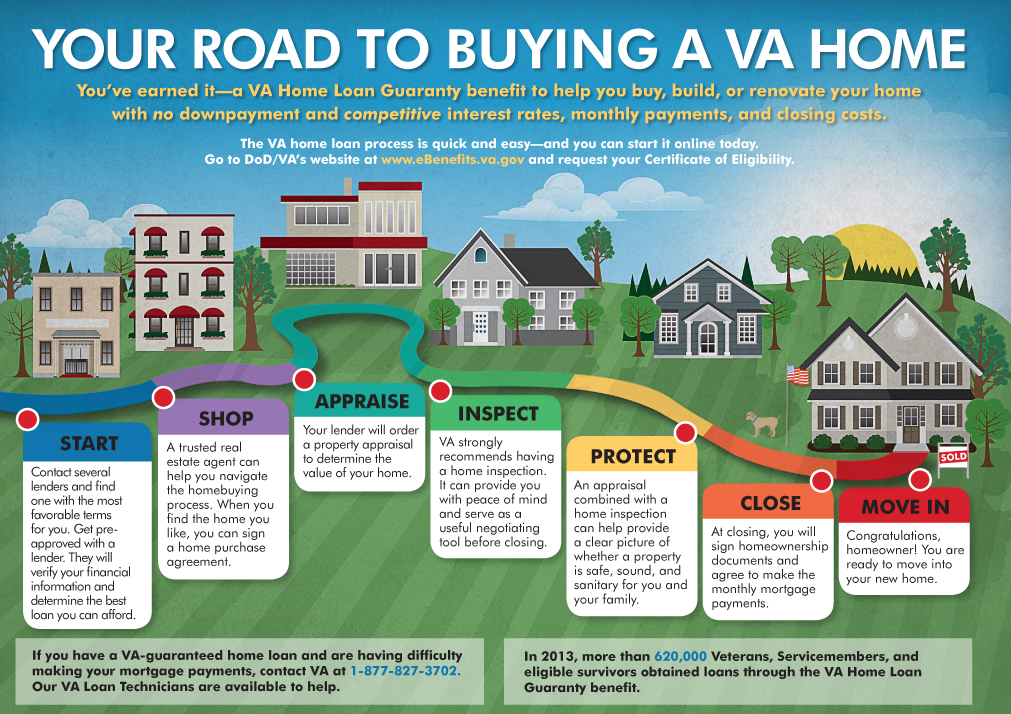
- VA Loans: Guaranteed by the Department of Veterans Affairs, these loans are available to eligible active-duty service members, veterans, and surviving spouses. VA loans offer significant benefits, including no down payment requirement, no private mortgage insurance, and competitive interest rates.
- USDA Loans: Backed by the U.S. Department of Agriculture, USDA loans are designed for low-to-moderate-income individuals purchasing homes in eligible rural areas. They also offer zero-down payment options and lower mortgage insurance costs compared to FHA loans.
Conventional Loans
These are not insured or guaranteed by the government and typically require a higher credit score and a lower DTI ratio than FHA loans. If your down payment is less than 20%, you will generally be required to pay private mortgage insurance (PMI), which protects the lender in case you default. PMI can often be canceled once you reach 20% equity in your home. Conventional loans can be conforming (meeting Fannie Mae and Freddie Mac guidelines) or jumbo (exceeding these limits for high-value properties).
Where to Look for Lenders
Shopping for a lender is as crucial as selecting the right loan type. Different lenders specialize in various loan products and cater to different borrower profiles.
- Traditional Banks: Large national banks and local community banks offer a range of mortgage products. They often have established relationships with customers and may offer competitive rates, especially for existing clients.
- Credit Unions: Member-owned financial cooperatives, credit unions often provide personalized service and may offer lower fees or slightly better rates than traditional banks, particularly to their members.
- Mortgage Brokers: These professionals act as intermediaries, working with multiple lenders to find the best loan products and rates for their clients. They can be particularly helpful for borrowers with unique financial situations or those seeking to compare a wide array of options quickly. Their compensation often comes from the lender or a fee paid by the borrower.
- Online Lenders: Digital mortgage lenders offer a streamlined application process, often with competitive rates due to lower overhead costs. Their platforms are designed for convenience, allowing borrowers to apply, submit documents, and track their loan status entirely online.
It’s advisable to get quotes from at least three to five different lenders across these categories. This broad approach ensures you’re comparing a diverse range of offers and not missing out on potentially better terms.

The Application and Comparison Process
Once you’ve done your preliminary research and identified potential lenders, the next phase involves formalizing your application and meticulously comparing offers. This is where the true “shopping” for a home loan takes center stage.
Gathering Necessary Documentation
Lenders will require a comprehensive set of documents to verify your financial information. Having these prepared in advance will expedite the process. Typically, this includes:
- Proof of income: Pay stubs (last 30 days), W-2s (last two years), tax returns (last two years), and bank statements (last 60 days).
- Proof of assets: Investment account statements, retirement account statements.
- Proof of identity: Driver’s license or other government-issued ID.
- Credit history: Lenders will pull your credit report, but having reviewed yours beforehand helps you understand what they will see.
- Existing debts: Statements for credit cards, auto loans, student loans, and other installment debts.
Obtaining Pre-Approval
A pre-approval letter is a conditional commitment from a lender stating how much money you can borrow based on their review of your finances. This is a critical step before house hunting, as it clarifies your budget, demonstrates to real estate agents and sellers that you are a serious buyer, and can give you an edge in competitive markets. To get pre-approved, you’ll submit a full application and provide the necessary financial documentation for a thorough credit and income check. Be aware that a full pre-approval requires a hard credit inquiry, which may slightly impact your credit score.
Comparing Loan Offers: Beyond Interest Rates
When you receive multiple loan offers, it’s tempting to focus solely on the interest rate. However, a truly insightful comparison involves a deeper dive into all aspects of the loan.
Understanding APR vs. Interest Rate
The interest rate is the cost of borrowing money, expressed as a percentage of the principal. The Annual Percentage Rate (APR), on the other hand, represents the total cost of the loan over its life, including the interest rate plus certain fees, such as origination fees, discount points, and some closing costs. The APR provides a more accurate reflection of the true cost of borrowing and is often a better metric for comparing different loan offers. A loan with a slightly lower interest rate but a significantly higher APR due to fees might end up costing you more in the long run.
Analyzing Closing Costs and Fees
Closing costs are expenses incurred during the home buying process, paid at the closing of the real estate transaction. These can include:
- Origination Fees: Charged by the lender for processing your loan application.
- Discount Points: Upfront payments to the lender in exchange for a lower interest rate. Each point typically costs 1% of the loan amount.
- Appraisal Fees: For an independent valuation of the property.
- Title Insurance: Protects both the lender and the homeowner against future claims to ownership.
- Escrow Fees: Paid to the title company or escrow agent for facilitating the closing.
- Recording Fees: Paid to the local government to record the new deed and mortgage.
- Prepaid Items: Such as property taxes and homeowner’s insurance premiums that are paid in advance.
Request a detailed Loan Estimate from each lender, which provides a standardized summary of the loan terms, projected payments, and estimated closing costs. By comparing these estimates side-by-side, you can identify hidden fees or significant differences in costs that might not be apparent from just the interest rate. Don’t hesitate to ask lenders to explain any charges you don’t understand.
Making the Final Decision and Closing
After careful comparison, you’ll select the best loan for your needs. The final steps involve negotiating, rate locking, and meticulously reviewing closing documents.
Negotiating Terms
While interest rates are often non-negotiable within a certain range based on market conditions and your credit profile, some fees might be. For example, you might be able to negotiate origination fees or have the lender waive certain charges, especially if you have a strong credit history and multiple competitive offers. It never hurts to ask if there’s any flexibility on fees or points. Leveraging competing offers can give you significant bargaining power.
Locking in Your Rate
Once you’ve selected a lender and secured an agreeable rate, it’s crucial to “lock in” your interest rate. A rate lock guarantees that your interest rate will not change between the time you receive the offer and the closing date, provided the closing occurs within a specified period (typically 30-60 days). If interest rates are volatile or trending upward, a rate lock provides peace of mind. Understand any fees associated with extending a rate lock if your closing is delayed.
The Closing Disclosure Review
Three business days before your scheduled closing, your lender is legally required to provide you with a Closing Disclosure (CD). This document is paramount; it details all final loan terms, projected monthly payments, and the exact amount of closing costs. Compare the CD against the last Loan Estimate you received. Look for any significant discrepancies in fees or terms. Question anything that seems different or unclear. This three-day review period is designed to give you ample time to understand the final costs and terms before signing.

What to Expect at Closing
Closing is the final stage where all documents are signed, and ownership of the property officially transfers. You’ll sign numerous legal and financial documents, including the promissory note (your promise to repay the loan), the mortgage or deed of trust (the lender’s claim on the property if you default), and various disclosures. Be prepared to bring a certified check or wire transfer for your down payment and closing costs, unless these have been pre-arranged. A thorough review of all documents prior to and at closing ensures there are no surprises and that you fully understand the financial commitments you are undertaking.
Shopping for a home loan is an involved process, but by methodically preparing your finances, understanding your options, diligently comparing offers, and scrutinizing every detail, you can secure a mortgage that aligns with your financial goals and sets a strong foundation for your homeownership journey.
aViewFromTheCave is a participant in the Amazon Services LLC Associates Program, an affiliate advertising program designed to provide a means for sites to earn advertising fees by advertising and linking to Amazon.com. Amazon, the Amazon logo, AmazonSupply, and the AmazonSupply logo are trademarks of Amazon.com, Inc. or its affiliates. As an Amazon Associate we earn affiliate commissions from qualifying purchases.