
Securing a mortgage is a significant milestone for many, representing a key step towards homeownership and long-term financial stability. It involves navigating a complex landscape of financial requirements, loan products, and legal processes. Understanding each phase, from initial preparation to closing, is crucial for a smooth and successful experience. This guide breaks down the essential steps and considerations to help you successfully obtain a mortgage.
Understanding Mortgage Fundamentals
Before embarking on the mortgage application journey, it’s vital to grasp the basic principles of what a mortgage entails and the various types available. This foundational knowledge empowers you to make informed decisions that align with your financial goals.
What is a Mortgage?
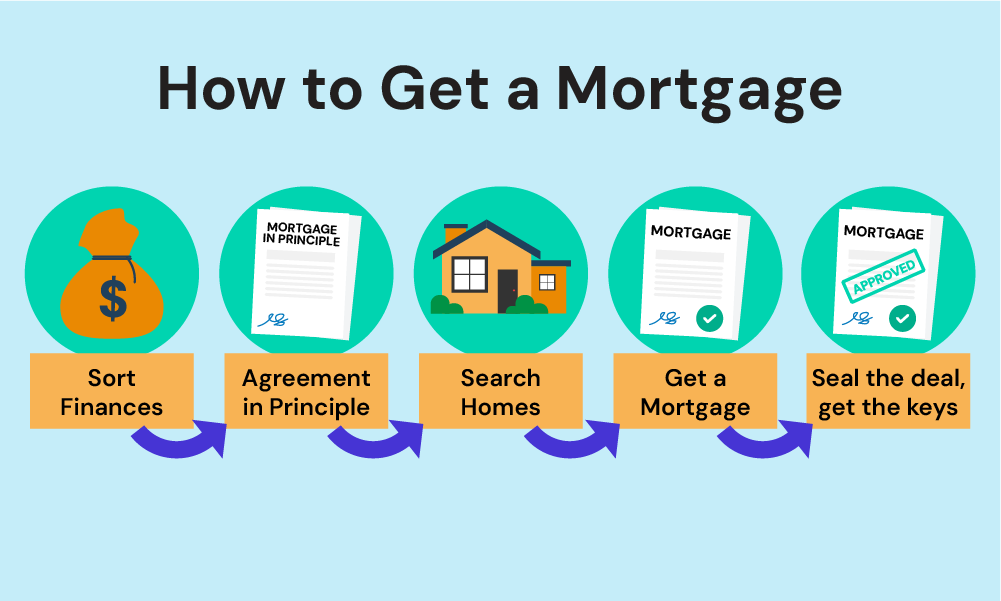
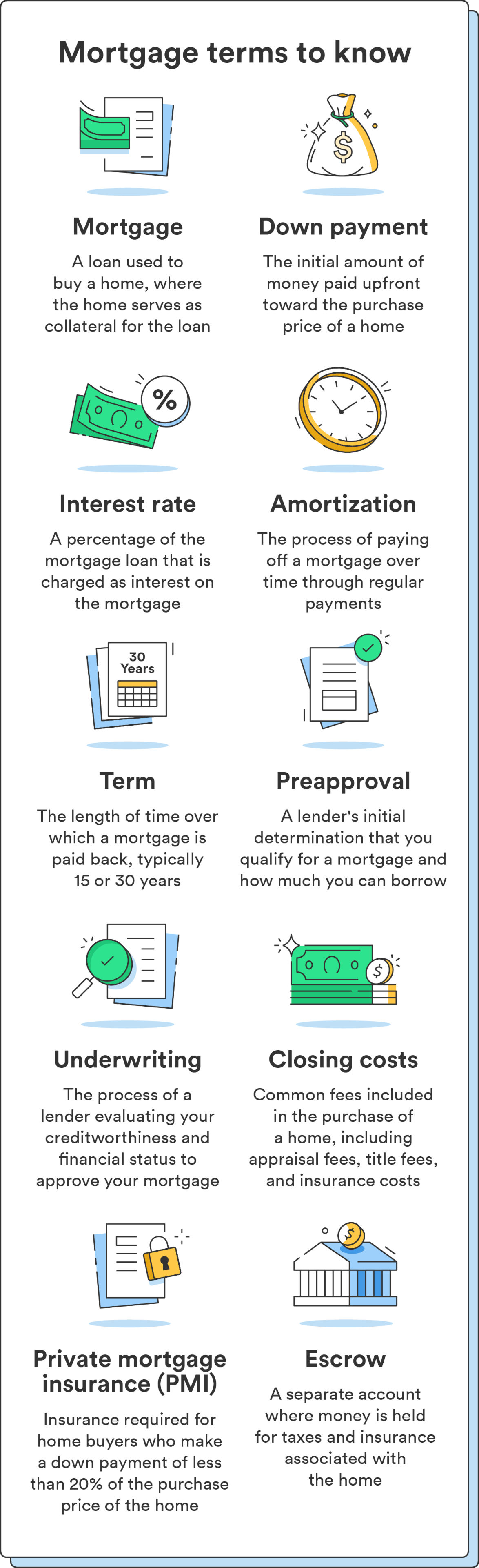
At its core, a mortgage is a loan used to purchase or maintain a home, land, or other types of real estate. The borrower agrees to repay the lender over an agreed period, typically 15, 20, or 30 years, with interest. The property itself serves as collateral for the loan. If the borrower defaults on payments, the lender has the right to repossess the property through a process called foreclosure. Mortgage payments are typically composed of four components: principal, interest, taxes, and insurance (often referred to as PITI). Property taxes and homeowners insurance are often held in an escrow account managed by the lender, ensuring these critical payments are made on time.
Navigating Mortgage Types
The market offers a diverse array of mortgage products, each with distinct features, eligibility criteria, and benefits. Choosing the right type is paramount to managing your long-term financial commitments.
Conventional Loans
These are not insured or guaranteed by a government agency. They are typically offered by private lenders and require borrowers to meet specific credit score and debt-to-income (DTI) ratio requirements. If your down payment is less than 20% of the home’s purchase price, you will generally be required to pay Private Mortgage Insurance (PMI), an additional monthly cost that protects the lender in case you default. Conventional loans offer flexibility in terms and are suitable for borrowers with strong credit.
Government-Backed Loans
Several government programs aim to make homeownership more accessible, especially for specific groups or those with less-than-perfect credit.
- FHA Loans: Insured by the Federal Housing Administration (FHA), these loans are ideal for first-time homebuyers or those with lower credit scores and smaller down payments (as low as 3.5%). While more lenient on credit, FHA loans require both an upfront and annual Mortgage Insurance Premium (MIP), which generally lasts for the life of the loan or until specific conditions are met, depending on the loan-to-value ratio and term.
- VA Loans: Guaranteed by the U.S. Department of Veterans Affairs (VA), these loans are available to eligible veterans, active-duty service members, and surviving spouses. VA loans often feature no down payment requirement and no private mortgage insurance. They do, however, typically include a VA funding fee, which can be financed into the loan.
- USDA Loans: Backed by the U.S. Department of Agriculture, these loans are designed for low-to-moderate-income individuals purchasing homes in eligible rural areas. They often require no down payment and offer competitive interest rates, though they do come with annual guarantee fees.
Fixed-Rate vs. Adjustable-Rate Mortgages (ARMs)
This distinction refers to how the interest rate behaves over the life of the loan.
- Fixed-Rate Mortgage: The interest rate remains constant for the entire duration of the loan. This provides predictable monthly payments, making budgeting easier and shielding borrowers from potential interest rate increases. It’s a popular choice for those seeking stability.
- Adjustable-Rate Mortgage (ARM): The interest rate is fixed for an initial period (e.g., 3, 5, 7, or 10 years) and then adjusts periodically based on a chosen financial index. While ARMs often start with lower interest rates than fixed-rate options, the uncertainty of future payment amounts can be a risk if interest rates rise significantly. They can be attractive to buyers who plan to sell or refinance before the fixed period ends.
Preparing Your Financial Profile
A strong financial foundation is the bedrock of a successful mortgage application. Lenders meticulously assess your creditworthiness, income stability, and overall financial health to determine your eligibility and the terms of your loan. Proactive preparation can significantly enhance your chances of approval and secure more favorable rates.
Cultivate a Strong Credit Score
Your credit score is a primary indicator of your financial responsibility. Lenders use it to assess the risk of lending you money. A higher score typically translates to better interest rates and more favorable loan terms.
- Review Your Credit Report: Obtain free copies of your credit report from all three major bureaus (Experian, Equifax, TransUnion) annually via AnnualCreditReport.com. Scrutinize them for any errors or fraudulent activity and dispute them immediately.
- Pay Bills on Time: Payment history accounts for a significant portion of your credit score. Make sure all your credit card, loan, and utility payments are consistently made on or before their due dates.
- Manage Credit Utilization: Keep your credit card balances low relative to your credit limits. A good rule of thumb is to keep utilization below 30%, ideally even lower.
- Avoid New Credit: Refrain from opening new credit accounts or making large purchases on existing credit cards in the months leading up to your mortgage application. New credit inquiries can temporarily lower your score, and increased debt will affect your debt-to-income ratio.
Accumulate Down Payment and Closing Costs
These are two of the largest upfront financial outlays when purchasing a home.
- Down Payment: While some loans (like VA and USDA) require no down payment, conventional loans often require at least 3-5%, and a 20% down payment can help you avoid PMI. FHA loans require 3.5% down. The larger your down payment, the less you need to borrow, which can save you significant interest over the life of the loan.
- Closing Costs: These are fees charged by lenders and third parties for services related to the mortgage transaction. They typically range from 2% to 5% of the loan amount and include items like origination fees, appraisal fees, title insurance, recording fees, and attorney fees. Factor these into your savings plan.
Optimize Your Debt-to-Income Ratio (DTI)
Your DTI ratio compares your total monthly debt payments to your gross monthly income. Lenders use this to assess your ability to manage monthly mortgage payments in addition to your existing debts. Generally, a DTI of 36% or lower is preferred, though some programs allow up to 43-50%.
- Pay Down Existing Debts: Focus on reducing high-interest debts like credit card balances or personal loans.
- Avoid New Debts: Refrain from taking on new car loans or other significant financial obligations before and during the mortgage process.
- Increase Income (if possible): While not always feasible, boosting your verifiable income can also help improve your DTI.
Organize Essential Documentation
Lenders require a comprehensive set of documents to verify your financial information. Having these ready in advance can streamline the application process.
- Proof of Income: Pay stubs (last 30-60 days), W-2 forms (past two years), and if self-employed, tax returns (past two years) and profit & loss statements.
- Asset Information: Bank statements (past two months) for all checking, savings, and investment accounts, proving funds for down payment and reserves.
- Credit History: Your lender will pull your credit report, but having reviewed it yourself is a good preparation.
- Employment Verification: Contact information for your employer(s) for the past two years.
- Other Debts: Statements for any other loans (car loans, student loans, etc.) and credit cards.
Navigating the Application and Approval Process
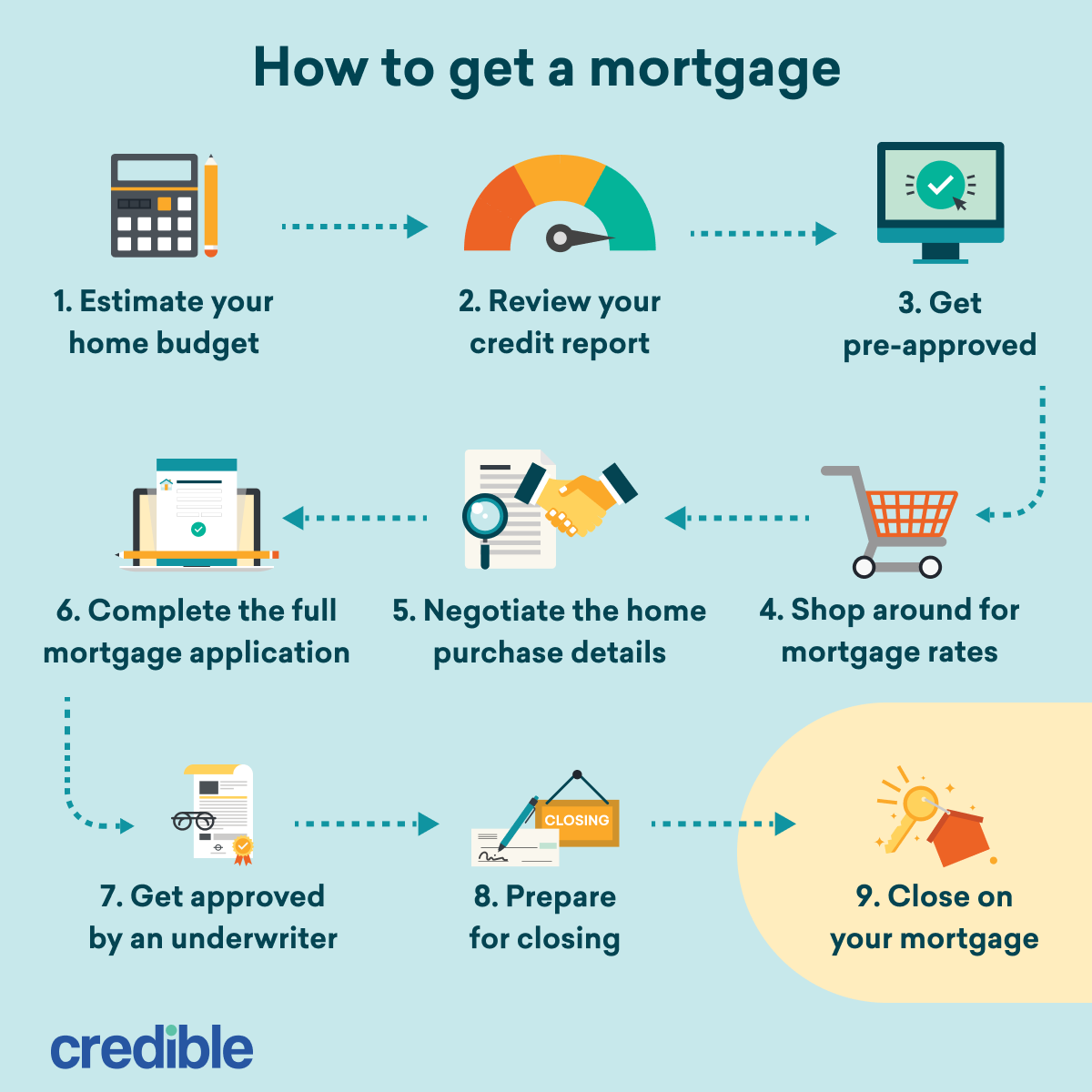
With your financial ducks in a row, you’re ready to formally engage with lenders. This phase involves several critical steps, from initial pre-approval to the final closing.
Pre-Approval: The Initial Assessment
Getting pre-approved for a mortgage is an essential first step. It involves a lender reviewing your financial information (income, assets, debts, credit) to determine how much they are willing to lend you.
- What it Provides: A pre-approval letter gives you a realistic budget for your home search and shows sellers that you are a serious and qualified buyer.
- What it Requires: You’ll typically provide basic financial documentation. The lender will perform a “hard pull” on your credit, which can slightly ding your score but is necessary for an accurate assessment.
- Important Note: Pre-approval is not a guarantee of a loan; it’s an estimate based on the information provided. The final approval comes after a thorough underwriting process.
Shopping for the Right Lender
Don’t settle for the first offer. Mortgage rates and fees can vary significantly between lenders.
- Compare Offers: Apply with at least three to five different lenders (banks, credit unions, online lenders, mortgage brokers) within a short window (typically 14-45 days, depending on the scoring model) to minimize the impact on your credit score.
- Scrutinize Loan Estimates: Each lender will provide a Loan Estimate document detailing the interest rate, monthly payment, and closing costs. Compare these carefully, paying attention to the Annual Percentage Rate (APR), which reflects the total cost of the loan over its term, including fees.
- Consider a Mortgage Broker: A broker works with multiple lenders and can help you find the best rates and terms for your specific situation, potentially saving you time and money.
The Full Mortgage Application
Once you’ve chosen a lender and found a property, you’ll complete the full mortgage application. This involves providing all the detailed documentation you prepared earlier. The lender will then proceed with verifying all information.
Underwriting, Appraisal, and Title Search
This is the most intensive part of the process where the lender thoroughly vets the loan.
- Underwriting: The underwriter reviews your entire financial profile, income, assets, credit history, and the property details to assess risk and ensure you meet all loan program requirements. They may request additional documentation.
- Appraisal: An independent appraiser evaluates the property’s market value to ensure it’s worth at least the loan amount. This protects both the borrower and the lender.
- Title Search: A title company researches the property’s history to ensure there are no outstanding liens, claims, or encumbrances that could jeopardize your ownership. They will also issue title insurance.
Closing Day
This is the final step where the property officially changes hands, and the mortgage loan is finalized.
- Review Documents: Several days before closing, you’ll receive a Closing Disclosure, which details all final loan terms, fees, and costs. Review it carefully and compare it to your Loan Estimate.
- Sign Papers: At the closing appointment, you’ll sign numerous legal documents, including the promissory note (your promise to repay the loan) and the mortgage or deed of trust (which gives the lender the right to foreclose if you default).
- Fund the Loan: You’ll bring any remaining funds needed for the down payment and closing costs, typically via a cashier’s check or wire transfer. Once all documents are signed and funds disbursed, the loan is officially closed, and you become the homeowner.
Managing Your Mortgage Post-Closing
Becoming a homeowner is a long-term financial commitment that extends beyond the closing table. Effective management of your mortgage can lead to significant savings and financial peace of mind.
Consistent Mortgage Payments
Making your mortgage payments on time, every time, is paramount. Late payments can incur penalties, damage your credit score, and eventually lead to foreclosure.
- Set Up Autopay: Many lenders offer automatic payment options directly from your bank account, which can help ensure punctuality.
- Build an Emergency Fund: Having 3-6 months’ worth of living expenses, including mortgage payments, can provide a critical buffer against unforeseen financial setbacks like job loss or medical emergencies.
- Consider Bi-Weekly Payments: Paying half your monthly payment every two weeks results in an extra payment per year, which can significantly reduce the total interest paid and shorten your loan term.
Exploring Refinancing Opportunities
Refinancing involves replacing your existing mortgage with a new one, often to secure a lower interest rate, change the loan term, or convert equity into cash (cash-out refinance).
- Lower Interest Rates: If market rates have dropped significantly since you originated your loan, refinancing could reduce your monthly payments and total interest paid.
- Change Loan Term: You might refinance from a 30-year to a 15-year mortgage to pay it off faster, or from a 15-year to a 30-year to reduce monthly payments, albeit at a higher total interest cost.
- Switch Loan Types: You could switch from an ARM to a fixed-rate mortgage for stability or consolidate high-interest debt with a cash-out refinance.
- Evaluate Costs: Remember that refinancing involves new closing costs, so ensure the savings outweigh these upfront expenses.
Understanding Tax Implications
Homeownership comes with various tax benefits that can reduce your taxable income.
- Mortgage Interest Deduction: You can typically deduct the interest paid on your mortgage, up to certain limits, if you itemize deductions.
- Property Tax Deduction: State and local property taxes are also generally deductible, subject to the overall cap for state and local taxes (SALT).
- Private Mortgage Insurance (PMI) Deduction: In some years, PMI premiums may also be tax-deductible, though this provision can vary.
- Consult a Professional: Tax laws are complex and can change. Always consult with a qualified tax advisor to understand how homeownership deductions apply to your specific financial situation.
Obtaining a mortgage is a detailed process that demands careful planning and execution. By understanding the types of loans, preparing your finances diligently, navigating the application with attention to detail, and managing your loan responsibly, you can successfully achieve and sustain the dream of homeownership.
aViewFromTheCave is a participant in the Amazon Services LLC Associates Program, an affiliate advertising program designed to provide a means for sites to earn advertising fees by advertising and linking to Amazon.com. Amazon, the Amazon logo, AmazonSupply, and the AmazonSupply logo are trademarks of Amazon.com, Inc. or its affiliates. As an Amazon Associate we earn affiliate commissions from qualifying purchases.