
A lower interest rate can significantly reduce the cost of borrowing, whether it’s for a mortgage, a car loan, a personal loan, or credit card debt. Even a small percentage point reduction can save thousands of dollars over the life of a loan, freeing up capital for savings, investments, or other financial goals. Understanding the mechanics behind interest rates and actively pursuing strategies to lower them is a cornerstone of sound personal finance.
Understanding the Landscape: Why Interest Rates Matter
Interest rates are essentially the cost you pay to borrow money. They are a critical component of any loan agreement and directly impact the total amount you will repay. Grasping the factors that influence these rates is the first step toward effectively reducing them.
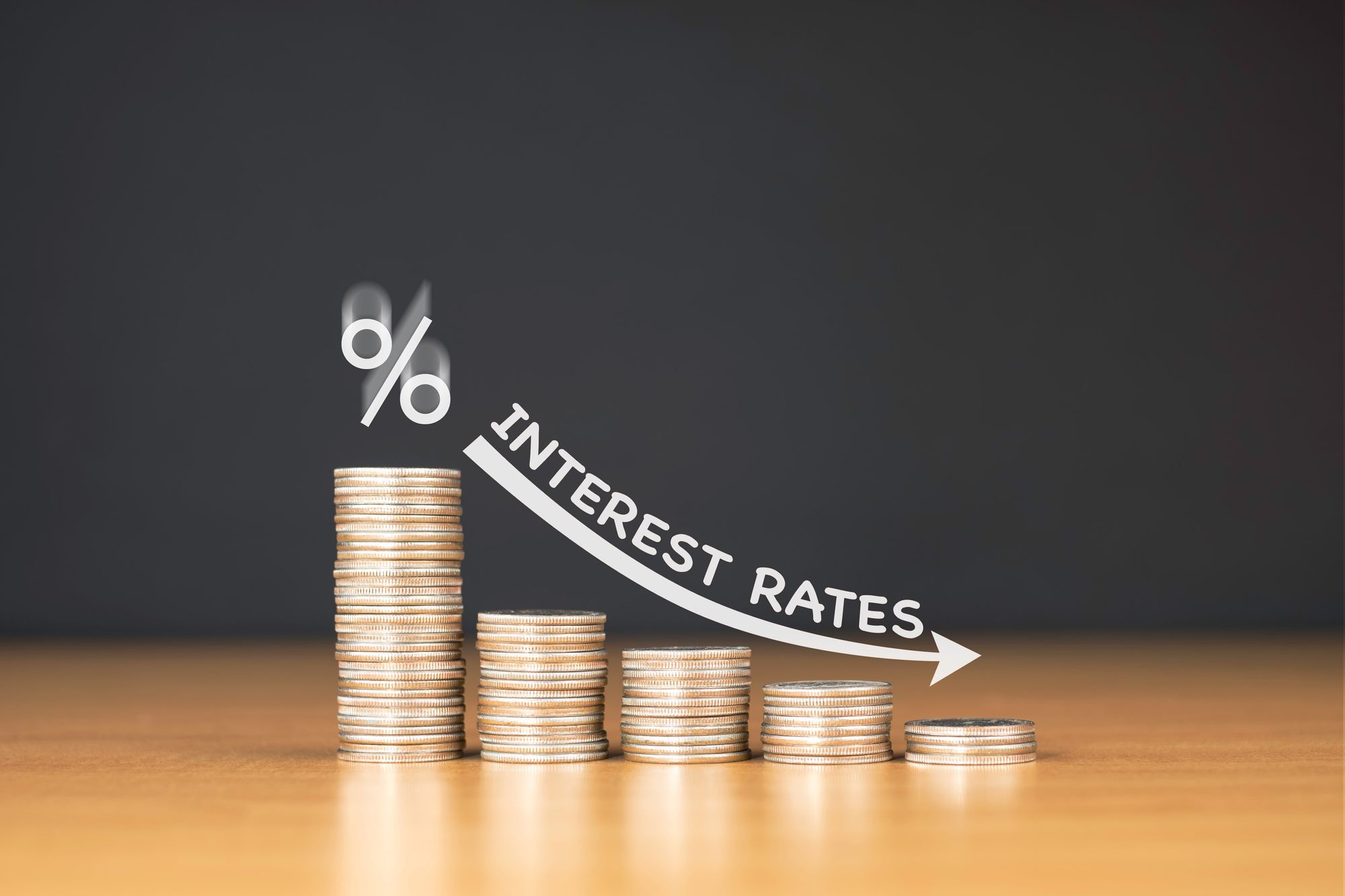
The Cost of Borrowing
Every loan comes with a principal amount – the sum you initially borrow – and interest, which is the fee charged by the lender for the use of their money. A higher interest rate means a larger portion of your monthly payment goes towards this fee, rather than reducing the principal. Over time, this compounds, leading to a much higher overall repayment amount. For example, a $300,000 mortgage at 6% versus 5% could mean tens of thousands of dollars in interest savings over a 30-year term. For consumer debts like credit cards, where rates can be much higher, the impact is even more pronounced, potentially trapping individuals in a cycle of minimum payments that barely touch the principal.
Factors Influencing Your Rate
Several key factors determine the interest rate you are offered by a lender. Understanding these will help you identify areas for improvement.
Credit Score
Your credit score is arguably the most significant determinant of the interest rates you qualify for. It’s a numerical representation of your creditworthiness, based on your payment history, amounts owed, length of credit history, new credit, and credit mix. Lenders use this score to assess the risk of lending to you; a higher score indicates lower risk, typically resulting in lower interest rates. FICO scores generally range from 300 to 850, with scores above 740 often considered excellent.
Debt-to-Income Ratio
Your debt-to-income (DTI) ratio is another crucial metric, particularly for larger loans like mortgages. It compares your total monthly debt payments to your gross monthly income. A high DTI suggests you may be overextended financially, making you a higher risk to lenders. Most lenders prefer a DTI ratio below 36%, though some may accept up to 43% for certain loan types. A lower DTI ratio demonstrates your ability to manage additional debt responsibly.
Loan Type (Secured vs. Unsecured)
The type of loan also plays a major role. Secured loans, such as mortgages or car loans, are backed by collateral (the house or car itself). If you default, the lender can seize the asset. This reduces the lender’s risk, often leading to lower interest rates. Unsecured loans, like personal loans or credit cards, have no collateral, making them riskier for lenders and thus generally carrying higher interest rates.
Market Conditions
Beyond your personal financial profile, broader economic factors influence interest rates. The Federal Reserve’s monetary policy, specifically the federal funds rate, significantly impacts benchmark rates across the economy. When the Fed raises rates to combat inflation, borrowing costs generally increase across the board. Conversely, during periods of economic slowdown, the Fed might lower rates to stimulate borrowing and spending. While you cannot control market conditions, being aware of them helps you understand when might be a more opportune time to apply for a loan or consider refinancing.
Strategies for Improving Your Credit Profile
Since your credit score is paramount, proactive steps to improve it can dramatically lower your future borrowing costs. This is a long-term strategy but yields significant rewards.
Reviewing Your Credit Report
Regularly checking your credit report is a fundamental practice. You are entitled to a free report annually from each of the three major credit bureaus (Equifax, Experian, TransUnion) via AnnualCreditReport.com.
Checking for Errors
Mistakes on your credit report, such as incorrect accounts, incorrect payment statuses, or identity theft, can unfairly lower your score. Identifying and disputing these errors with the credit bureaus is critical. Correcting inaccuracies can lead to a quick bump in your score.
Understanding Your Score Components
Familiarize yourself with the five main components that make up your FICO score:
- Payment History (35%): Timely payments are crucial. Late payments, bankruptcies, or collections will severely damage your score.
- Amounts Owed (30%): This refers to your credit utilization ratio – the amount of credit you’re using compared to your total available credit. Keep this below 30% for the best results.
- Length of Credit History (15%): Longer history generally equates to a higher score. Don’t close old accounts, as this can shorten your average credit age.
- New Credit (10%): Applying for too much new credit in a short period can be seen as risky.
- Credit Mix (10%): Having a mix of credit types (e.g., credit cards, installment loans) can be beneficial, but only if managed responsibly.
Improving Payment History
This is the most impactful step you can take. Consistent on-time payments demonstrate reliability to lenders.
Setting Up Automatic Payments
Automating your minimum payments ensures you never miss a due date. Consider setting them a few days before the actual due date to account for processing times.
Paying More Than the Minimum
While automatic minimum payments prevent late fees, paying more significantly reduces your principal faster, which in turn reduces the total interest paid and can improve your credit utilization if it’s a revolving account.
Managing Credit Utilization
Keeping your credit utilization low is a direct way to boost your credit score.
Keeping Balances Low
Aim to keep your credit card balances at or below 30% of your credit limit on each card. For example, if you have a $10,000 limit, try to keep your balance under $3,000.
Paying Down High-Interest Debt First
Prioritize paying off credit cards and other high-interest debts. This not only saves you money on interest but also quickly improves your DTI ratio and credit utilization. Strategies like the “debt snowball” or “debt avalanche” can provide a structured approach.
Diversifying Your Credit Mix Responsibly
Having a mix of credit can be positive, but only if handled well. This means having both revolving credit (like credit cards) and installment credit (like a car loan or mortgage) and making all payments on time. Avoid opening new accounts just to diversify; only take on credit you genuinely need and can manage.
Negotiating and Refinancing Existing Debt
For current loans, especially those with high interest rates, you often have options to reduce your rate without acquiring new debt.
Contacting Your Current Lenders
It might seem straightforward, but directly asking your current lender for a lower rate can sometimes work, especially if your credit profile has improved since you took out the loan.
Requesting a Rate Review
Many lenders are willing to review your account, particularly if you’ve been a long-term, reliable customer. Frame your request by highlighting your improved credit score, consistent on-time payments, or a reduced debt-to-income ratio.
Highlighting Improved Creditworthiness
Provide evidence of your positive financial changes. This could include a recently improved credit score, a raise at work, or a significant reduction in other outstanding debts. Lenders want to retain good customers and might offer a lower rate to prevent you from refinancing elsewhere.
Exploring Refinancing Options
Refinancing involves taking out a new loan to pay off an old one, ideally at a lower interest rate or with more favorable terms.
Personal Loans
If you have high-interest credit card debt, a personal loan with a lower, fixed interest rate can be an excellent consolidation option. This simplifies payments and can significantly reduce the total interest paid.
Mortgage Refinance
Refinancing your mortgage can reduce your monthly payments, shorten your loan term, or switch from an adjustable-rate to a fixed-rate mortgage. This is a common strategy when interest rates drop significantly, or your credit score improves substantially. Be mindful of closing costs, which can offset some of the savings.
Student Loan Refinance
Similar to mortgages, student loans can often be refinanced, especially private student loans. If your credit has improved or market rates have dropped, you could secure a lower interest rate, potentially saving thousands over the life of the loan. Federal student loans offer unique protections, so weigh the pros and cons carefully before refinancing them into private loans.
Balance Transfer Credit Cards (with caution)
Some credit cards offer introductory 0% APR for balance transfers for a period (e.g., 12-18 months). This can be a powerful tool to pay down high-interest debt quickly, but only if you can pay off the transferred balance before the promotional period ends and the standard, often high, APR kicks in. Watch out for balance transfer fees.
The Application Process for Refinancing
When considering refinancing, prepare for a structured application process.
Gathering Documentation
Lenders will require documentation such as income verification (pay stubs, tax returns), bank statements, and details of the debt you wish to refinance. Having these ready streamlines the process.
Shopping Around for Lenders
Don’t settle for the first offer. Research and apply to several lenders (banks, credit unions, online lenders) to compare rates and terms. Many offer pre-qualification that allows you to see potential rates without a hard inquiry on your credit report.
Understanding Terms and Fees
Beyond the interest rate, examine all loan terms, including repayment periods, any prepayment penalties, and all associated fees (origination fees, closing costs, etc.). A seemingly lower interest rate might be negated by high fees.
Strategic Approaches for New Loans
When seeking new credit, applying a strategic approach can help ensure you secure the best possible interest rate from the outset.
Shopping Around for the Best Rates
This is perhaps the most critical step for new loans. Just as you wouldn’t buy the first car you see, don’t take the first loan offer.
Comparing Multiple Lenders
Explore options from traditional banks, credit unions (often known for competitive rates and personalized service), and various online lenders. Each may have different underwriting criteria and offer varying rates based on your specific profile. Use online comparison tools, but also reach out directly to lenders.
Pre-qualification vs. Hard Inquiry
Many lenders offer a pre-qualification process that involves a “soft inquiry” on your credit report, which does not impact your credit score. Use this to get an idea of the rates you might qualify for before committing to a full application that triggers a “hard inquiry” and can slightly lower your score for a short period. Group hard inquiries for the same type of loan within a short timeframe (usually 14-45 days) as credit scoring models often count them as a single inquiry.
Increasing Your Down Payment or Collateral
For secured loans, putting more money down upfront reduces the amount you need to borrow, thus decreasing the lender’s risk and potentially earning you a lower interest rate. A larger down payment on a house, for instance, can eliminate the need for private mortgage insurance (PMI) and make your loan more attractive to lenders. Similarly, offering additional collateral, if applicable, can also strengthen your application.
Considering a Co-signer (with careful consideration of risks)
If your credit profile isn’t strong enough to secure a low rate on your own, a co-signer with excellent credit can help you qualify for better terms. However, this comes with significant responsibility for the co-signer, as they are equally liable for the debt if you default. This option should only be considered with extreme trust and a clear understanding of the implications for both parties.
Opting for Shorter Loan Terms (if affordable)
While a longer loan term generally means lower monthly payments, it almost always results in paying significantly more interest over the life of the loan. Conversely, shorter loan terms typically come with higher monthly payments but lower overall interest paid and often a lower interest rate from the lender because their risk is reduced. If your budget allows for higher monthly payments, a shorter term is usually more cost-effective.
Maintaining a Strong Financial Position
Achieving a lower interest rate is not a one-time event; it’s part of an ongoing commitment to financial health. Maintaining good habits ensures you continue to qualify for the best rates and manage debt effectively.
Building an Emergency Fund
An emergency fund provides a financial safety net, preventing you from needing to take on high-interest debt (like credit card advances) when unexpected expenses arise. Aim for 3-6 months of living expenses in an easily accessible savings account.
Regular Financial Reviews
Periodically review your budget, debts, investments, and credit report. This allows you to track progress, identify new opportunities for savings, and catch potential problems early.

Avoiding Unnecessary New Debt
While credit can be a useful tool, accumulating unnecessary debt is counterproductive to securing and maintaining low interest rates. Evaluate every potential new loan or credit card against your financial goals and your capacity to repay. Prioritize saving and investing over borrowing for discretionary purchases.
aViewFromTheCave is a participant in the Amazon Services LLC Associates Program, an affiliate advertising program designed to provide a means for sites to earn advertising fees by advertising and linking to Amazon.com. Amazon, the Amazon logo, AmazonSupply, and the AmazonSupply logo are trademarks of Amazon.com, Inc. or its affiliates. As an Amazon Associate we earn affiliate commissions from qualifying purchases.