
The United States is often envisioned as a collection of 50 states, a familiar landscape etched into our collective consciousness. Yet, this geographical narrative, while accurate for the contiguous nation, only tells part of the story. Beyond these 50 stars lies a constellation of U.S. territories, distinct entities that hold a unique and often misunderstood place in the American sphere. Understanding these territories isn’t just a matter of geographical curiosity; it’s an exploration of diverse cultures, complex political relationships, and, increasingly, burgeoning digital economies. For those interested in technology trends, brand building, or even the intricacies of financial markets, grasping the landscape of U.S. territories offers a richer perspective on the nation’s global reach and its evolving internal dynamics.
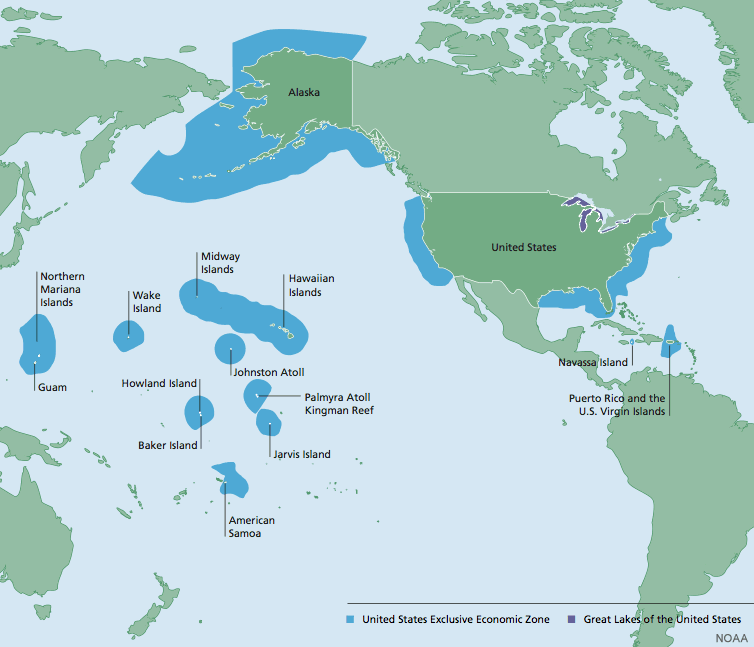
These territories, often referred to as “unincorporated organized territories,” are essentially areas under the jurisdiction of the United States but not part of any state. They possess a fascinating array of political statuses, histories, and cultural identities, each offering a unique lens through which to view American influence and development. From the tropical paradises of the Pacific and Caribbean to the remote outposts in the Atlantic, these lands are more than just dots on a map; they are vibrant communities grappling with issues of governance, economic development, and their place within the broader American experiment. As technology continues to shrink the world, understanding these territories becomes increasingly relevant, particularly for businesses seeking to expand their reach, individuals exploring new investment opportunities, or simply citizens wanting a more comprehensive understanding of their nation’s scope.
This exploration will delve into the primary U.S. territories, examining their unique characteristics and, importantly, how they intersect with the dynamic fields of technology, brand development, and finance. We will navigate the complexities of their governance, their cultural contributions, and the emerging opportunities and challenges they present in our increasingly interconnected world.
The Inhabited Archipelagos: A Closer Look at the Primary U.S. Territories
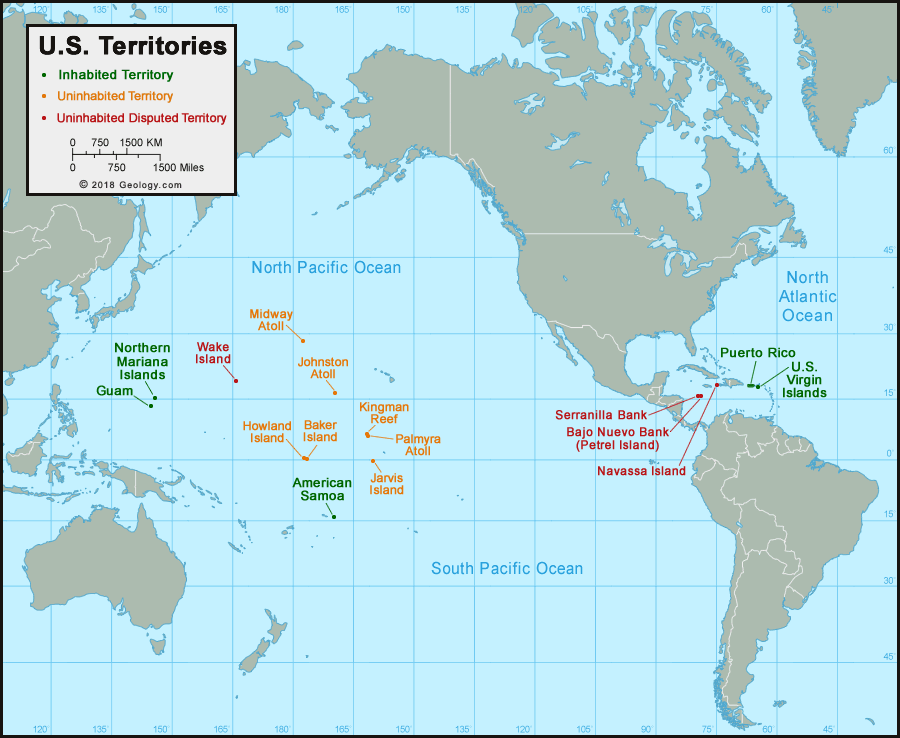
When discussing U.S. territories, a distinction is often made between inhabited and uninhabited ones. While the latter, such as minor outlying islands, hold strategic or scientific importance, it is the permanently inhabited territories that are of primary interest for understanding the human and economic dimensions of U.S. dominion beyond the mainland. These inhabited territories boast unique histories, diverse populations, and varying degrees of self-governance, all contributing to a rich tapestry of American presence.
The Caribbean Jewels: Puerto Rico and the U.S. Virgin Islands
Nestled in the turquoise waters of the Caribbean, Puerto Rico and the U.S. Virgin Islands stand as prominent U.S. territories with a deep and intertwined history with the mainland.
Puerto Rico: A Commonwealth Navigating a Complex Future
Puerto Rico, often referred to as the “Island of Enchantment,” is the largest and most populous U.S. territory, with a population exceeding 3.2 million. Its status as a commonwealth grants it a significant degree of self-governance, yet its citizens, while holding U.S. citizenship, do not have full voting representation in Congress or the right to vote in U.S. presidential elections. This unique political arrangement has been a constant source of debate and has shaped Puerto Rico’s economic and social development for decades.
Technological Integration and Digital Security: In recent years, Puerto Rico has seen a concerted effort to bolster its technological infrastructure. Initiatives aimed at expanding broadband access and promoting digital literacy are crucial for bridging the geographical divide and fostering economic growth. The island’s tech sector, though still developing, is attracting investment, particularly in areas like software development, IT support, and data analytics. However, like many regions, it faces challenges in cybersecurity, with a growing need for robust digital security measures to protect both government and private sector data. The reliance on cloud computing and digital platforms presents both opportunities for efficiency and risks that require sophisticated mitigation strategies.
Brand Identity and Global Reach: Puerto Rico possesses a powerful and globally recognized brand, fueled by its rich cultural heritage, vibrant music scene, and stunning natural beauty. The island’s tourism industry is a significant economic driver, and its brand equity extends far beyond vacation destinations. The challenge for Puerto Rico lies in leveraging this strong brand for economic diversification. Developing a consistent and compelling narrative that highlights its potential for business, innovation, and skilled workforce is key to attracting investment and talent. This involves strategic marketing efforts that showcase its unique advantages, from a bilingual workforce to a competitive business environment for certain sectors.
Financial Dynamics and Investment Opportunities: The financial landscape of Puerto Rico is complex, marked by periods of economic distress and ongoing efforts towards recovery and reform. The island’s public debt has been a significant issue, leading to fiscal oversight and restructuring. However, within this challenging environment, opportunities for investment and financial innovation exist. The U.S. federal tax code can offer incentives for certain types of investments in Puerto Rico, and the island is actively seeking foreign direct investment in sectors like manufacturing, pharmaceuticals, and, increasingly, technology and renewable energy. Understanding the local economic climate, regulatory framework, and available financial tools is paramount for anyone considering financial engagement with the territory.
U.S. Virgin Islands: A Trio of Islands with Distinct Charms
Comprising the islands of St. Thomas, St. John, and St. Croix, the U.S. Virgin Islands is another key U.S. territory in the Caribbean. Like Puerto Rico, its residents are U.S. citizens but lack full federal voting rights. The territory’s economy has historically been heavily reliant on tourism, but efforts are underway to diversify and foster new growth.
Technological Advancement and Digital Connectivity: The U.S. Virgin Islands is actively working to enhance its digital infrastructure. Investments in fiber optic networks and expanded wireless coverage are critical for improving internet access, which is essential for education, business, and remote work. The growth of e-commerce and the adoption of digital tools are increasingly important for local businesses to reach wider markets. Ensuring reliable and affordable internet access remains a key priority for bridging the digital divide and fostering technological innovation.
Branding Through Resilience and Natural Beauty: The U.S. Virgin Islands brand is intrinsically linked to its breathtaking natural landscapes, pristine beaches, and a rich cultural heritage influenced by its diverse colonial past. Post-hurricane recovery efforts have also highlighted the resilience and spirit of its people, which can be woven into its brand narrative. Strategic branding initiatives can focus on sustainable tourism, ecotourism, and promoting the unique cultural experiences the islands offer, attracting a more discerning and values-driven traveler.
Economic Diversification and Financial Resilience: The economic model of the U.S. Virgin Islands is in transition. While tourism remains vital, there is a concerted push to diversify into sectors like renewable energy, agriculture, and niche manufacturing. Understanding the financial instruments available for economic development, including grants, loans, and potential tax incentives, is crucial for both local businesses and external investors. Building financial resilience requires a strategic approach to debt management and a proactive stance on attracting sustainable economic activity.
The Pacific Outposts: Guam, American Samoa, and the Northern Mariana Islands
Venturing westward across the vast Pacific Ocean, we encounter a series of U.S. territories that play a significant strategic role and possess unique cultural identities.
Guam: The “Gateway to Asia” and its Technological Ambitions
Guam, a strategically vital island in Micronesia, is often dubbed the “Gateway to Asia” due to its location and military presence. Its inhabitants are U.S. citizens, and it functions as an unincorporated territory with a degree of local self-governance.
Technological Infrastructure and Digital Security: Guam is investing heavily in its technological capabilities, recognizing its importance for economic diversification and its role as a communications hub. With its proximity to Asia, robust internet infrastructure and advanced cybersecurity measures are paramount. Initiatives to expand high-speed internet access, promote STEM education, and foster a local tech talent pool are crucial for its future. The island’s role as a military base also necessitates a high level of digital security and preparedness.
Branding Through Strategic Importance and Cultural Richness: Guam’s brand is shaped by its strategic location, its strong military ties, and its distinct Chamorro culture. Marketing efforts often highlight its natural beauty, historical significance, and its unique position bridging East and West. Developing a brand that attracts both tourism and business investment requires a nuanced approach that celebrates its heritage while showcasing its modern capabilities.
Financial Landscape and Economic Development: Guam’s economy is influenced by military spending, tourism, and trade. The territory is actively seeking to diversify its economic base through investments in infrastructure, hospitality, and niche industries. Understanding the financial regulations, potential tax incentives, and investment opportunities in Guam is important for businesses looking to tap into its strategic location and growing markets.
American Samoa: A South Pacific Territory with Unique Governance
American Samoa, an unincorporated territory in the South Pacific, is the only U.S. territory with a government that is a republic elected by popular vote. Its residents are U.S. nationals, not citizens, a distinction with significant legal and political implications.
Technological Development and Connectivity Challenges: American Samoa faces unique challenges in technological development due to its remote location and smaller population. Efforts are focused on expanding internet access, promoting digital literacy, and leveraging technology for its core industries, such as fishing and agriculture. The adoption of mobile technology and cloud-based solutions are key areas of development.
Branding Through Cultural Heritage and Natural Beauty: The brand of American Samoa is deeply rooted in its rich Samoan culture, its strong traditions, and its stunning natural environment. Marketing efforts often focus on authentic cultural experiences, ecotourism, and its unique place in Polynesian heritage.
Financial Considerations and Economic Sustainability: The economy of American Samoa is largely dependent on tuna processing and fisheries. Financial considerations involve managing limited resources, attracting investment in sustainable industries, and navigating the economic dependencies that arise from its remote location.
The Northern Mariana Islands (CNMI): A Commonwealth with Evolving Economic Models
The Commonwealth of the Northern Mariana Islands (CNMI), located in the western Pacific, consists of three major islands: Saipan, Tinian, and Rota. Its residents are U.S. citizens, and it operates as a commonwealth with a degree of self-governance. Historically, its economy was heavily reliant on tourism and garment manufacturing, but it has been undergoing significant economic shifts.
Technological Advancement and Economic Diversification: The CNMI is working to diversify its economy beyond its traditional industries, with technology playing a crucial role. Efforts are being made to improve internet infrastructure, attract tech-related businesses, and develop a skilled workforce in areas like software development and digital marketing. The ongoing development of its tourism sector also benefits from technological enhancements.
Brand Evolution and Economic Resilience: The brand of the CNMI is undergoing evolution as it seeks to rebuild its economy. While tourism remains important, the focus is shifting towards developing new economic engines. This involves attracting investment in areas like renewable energy, sustainable agriculture, and emerging technologies, all while leveraging its unique cultural heritage and natural beauty.
Financial Strategies and Investment in a Changing Landscape: The CNMI’s financial landscape is influenced by its efforts to diversify its economy and attract new investment. Understanding the regulatory environment, potential incentives for businesses, and opportunities in its developing sectors is essential for navigating its financial dynamics.
Uninhabited Territories: Strategic Holdings and Scientific Frontiers
While the focus often lies on inhabited territories, it is important to acknowledge the uninhabited U.S. territories. These islands, such as Midway Atoll, Wake Island, and the various islands of the Pacific Remote Islands Marine National Monument, are primarily of strategic, scientific, or historical significance. They often serve as important locations for military operations, environmental research, or as critical habitats for wildlife. While they don’t have resident populations in the traditional sense, their management and preservation are governed by U.S. law, and they contribute to the broader scope of U.S. territorial waters and influence. Their relevance to technology often lies in remote sensing, environmental monitoring, and the logistical challenges of maintaining a presence in extreme environments. From a branding perspective, they can represent areas of conservation and natural preservation, while financial considerations often revolve around conservation funding and operational costs.
The Interplay: Territories, Technology, and the Future of American Opportunity
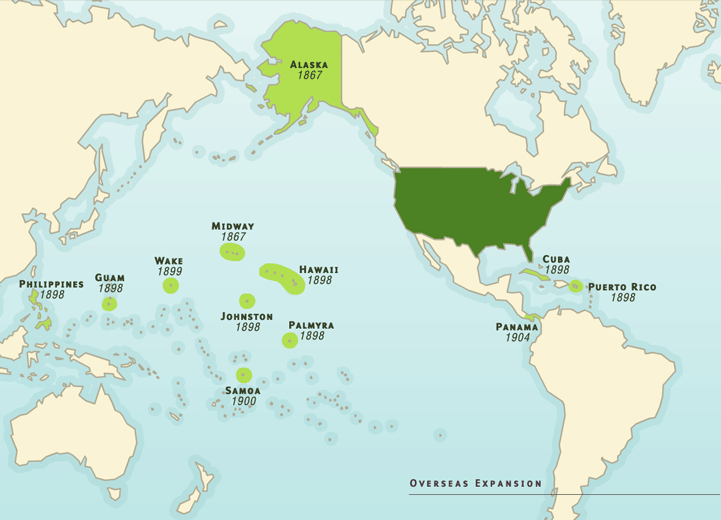
The U.S. territories, in all their diversity, represent a fascinating intersection of American governance, distinct cultures, and evolving economies. For those interested in technology, brand building, and financial markets, these territories offer a unique vantage point.
Technological Innovation in Remote Landscapes: The challenges of geographical isolation and limited infrastructure in many territories are driving innovative technological solutions. From expanding broadband access in remote Pacific islands to developing resilient power grids in hurricane-prone Caribbean regions, these territories are becoming testing grounds for cutting-edge technologies. The growth of remote work, e-commerce, and digital services is crucial for economic empowerment and connecting these communities to global opportunities. Digital security and data protection are paramount as these regions increasingly integrate into the global digital ecosystem.
Crafting Brands in a Globalized World: The distinct cultural heritage and natural beauty of the U.S. territories provide a rich foundation for powerful brand identities. Effective branding strategies can attract tourism, foster economic investment, and showcase the unique strengths of each territory. This involves more than just marketing; it’s about telling compelling stories that resonate with global audiences and highlight the unique value propositions of these islands and their people. Personal branding for individuals within these territories is also increasingly important as they seek to leverage digital platforms to connect with opportunities worldwide.
Navigating Financial Landscapes and Unlocking Potential: The financial dynamics of U.S. territories are often complex, shaped by their unique political statuses, economic structures, and historical contexts. Understanding these nuances is key for both local economic development and for external investors. Opportunities exist in areas like renewable energy, sustainable agriculture, niche manufacturing, and, of course, the burgeoning tech sector. Financial literacy, access to capital, and navigating the intricacies of U.S. federal and local financial regulations are critical for unlocking the economic potential of these regions. Side hustles and online income streams are also becoming increasingly relevant for individuals seeking to supplement their earnings in these evolving economies.
In conclusion, the U.S. territories are far more than just footnotes to the American story. They are vibrant, dynamic regions with rich histories and promising futures. By understanding their unique characteristics and their growing integration with the global landscape of technology, brand development, and finance, we gain a more comprehensive and nuanced appreciation of the expansive reach and evolving nature of the United States itself. As technology continues to democratize access and connectivity, the opportunities within these territories, both for their residents and for the wider world, are only set to grow.
aViewFromTheCave is a participant in the Amazon Services LLC Associates Program, an affiliate advertising program designed to provide a means for sites to earn advertising fees by advertising and linking to Amazon.com. Amazon, the Amazon logo, AmazonSupply, and the AmazonSupply logo are trademarks of Amazon.com, Inc. or its affiliates. As an Amazon Associate we earn affiliate commissions from qualifying purchases.