
In the intricate world of finance, few concepts are as fundamental and pervasive as the interest rate. It’s a term that permeates conversations about savings, loans, investments, and even the broader economy, yet its full implications and mechanics can sometimes seem opaque. At its heart, an interest rate is simply the cost of borrowing money or the reward for lending it, expressed as a percentage of the principal amount. For banks, interest rates are the lifeblood of their operations, determining their profitability, guiding their lending decisions, and shaping their offerings to both individuals and businesses. Understanding what an interest rate is, how it functions within a bank, and its wider impact is not merely academic; it is crucial for making informed financial decisions, whether you’re saving for the future, taking out a loan, or running a business. This article will demystify interest rates, exploring their definition, types, influencing factors, and their profound impact on personal and business finance within the banking ecosystem.
Understanding the Fundamentals of Interest Rates
To truly grasp the significance of interest rates, one must first appreciate their foundational role in the financial system. They represent the time value of money, acknowledging that a dollar today is worth more than a dollar tomorrow due to its potential earning capacity.
The Core Definition: Cost of Borrowing, Reward for Lending
At its simplest, an interest rate is a percentage charged by a lender to a borrower for the use of assets, typically money. Conversely, it is the percentage paid by a bank (the borrower in this case) to an individual or entity (the lender) for depositing money with them.
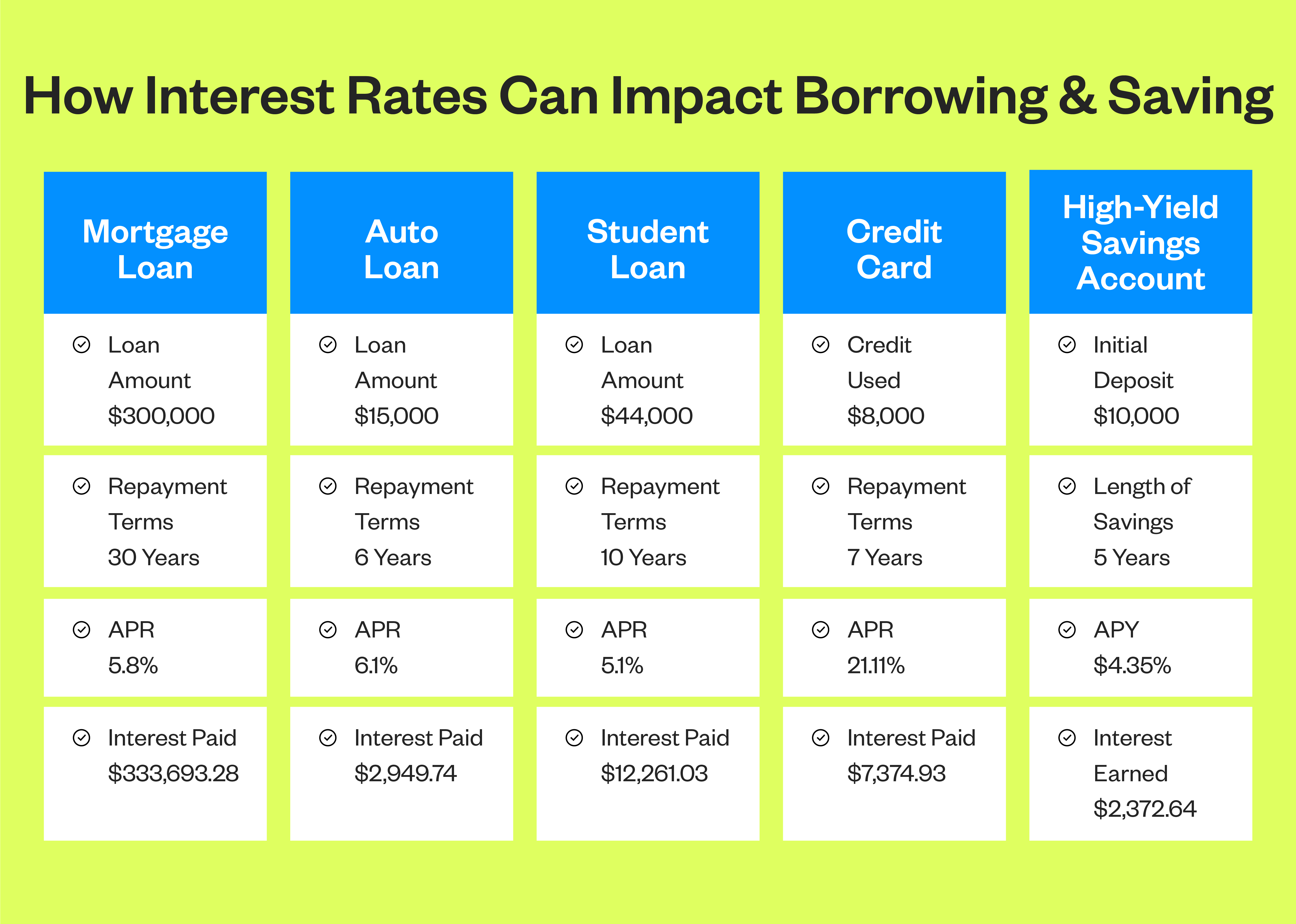
- For Borrowers: When you take out a loan—be it for a home, car, or personal expenses—the interest rate is the additional cost you pay on top of the principal amount borrowed. It’s the bank’s fee for providing you with immediate capital. A 5% interest rate on a $10,000 loan means you’ll pay an extra $500 per year (simplified) for the privilege of using that money.
- For Lenders/Savers: When you deposit money into a savings account, a certificate of deposit (CD), or a money market account, you are effectively lending your money to the bank. In return, the bank pays you interest, which is your compensation for letting them use your funds. This reward encourages saving and provides a return on your capital.
How Banks Generate Revenue from Interest Rates
The primary business model of a traditional bank revolves around the concept of “net interest margin.” Banks accept deposits from customers, paying them a certain interest rate (the cost of funds). They then lend out a significant portion of these deposited funds to other customers, charging a higher interest rate (the revenue from loans). The difference between the interest income they earn on loans and the interest expense they pay on deposits is their gross profit, from which operational costs are deducted. This spread is critical for a bank’s profitability and sustainability. For example, a bank might pay 1% on savings accounts but charge 6% on personal loans, creating a 5% margin (before considering other factors).
Key Players: Borrowers, Lenders, and Banks
The banking system facilitates the flow of capital between those who have surplus funds (lenders/savers) and those who need funds (borrowers). Banks act as intermediaries, pooling funds from numerous small lenders and allocating them to numerous borrowers, effectively managing risk and ensuring liquidity. Without banks and the mechanism of interest rates, direct lending between individuals would be cumbersome, risky, and far less efficient, severely hindering economic activity.
Types of Interest Rates You’ll Encounter
The world of banking presents a myriad of interest rates, each designed for specific financial products and serving different purposes. Understanding these distinctions is crucial for managing your personal finances and business operations effectively.
Lending Rates: Mortgages, Personal Loans, Credit Cards
These are the rates banks charge when providing funds to individuals and businesses.
- Mortgage Rates: The interest charged on loans used to purchase real estate. These are typically among the lowest lending rates due to the collateral (the property itself) involved and the long repayment periods. They can be fixed (staying the same throughout the loan term) or variable (fluctuating with market indices).
- Personal Loan Rates: Applied to unsecured loans (loans not backed by collateral) for various personal expenses. These rates tend to be higher than mortgage rates due to the increased risk for the bank.
- Auto Loan Rates: Interest charged on loans for purchasing vehicles. Often higher than mortgage rates but lower than unsecured personal loans, as the car serves as collateral.
- Credit Card Rates: Generally the highest interest rates due to their revolving nature, unsecured status, and immediate accessibility. They are often expressed as an Annual Percentage Rate (APR).
- Business Loan Rates: Vary widely depending on the type of business, its creditworthiness, the loan’s purpose, and whether it’s secured or unsecured.
Savings Rates: Deposit Accounts, CDs
These are the rates banks pay to customers for depositing their money.
- Savings Account Rates: Typically lower interest rates paid on funds held in basic savings accounts, offering liquidity and security.
- Money Market Account Rates: Often slightly higher than standard savings accounts, these accounts may come with limited check-writing privileges and usually require a higher minimum balance.
- Certificate of Deposit (CD) Rates: Offer higher interest rates than savings accounts in exchange for locking up funds for a specified period (e.g., 6 months, 1 year, 5 years). The longer the term, generally the higher the rate.
Fixed vs. Variable Rates: What’s the Difference?
This distinction is critical for both borrowers and savers.
- Fixed Interest Rates: Remain constant for the entire duration of the loan or deposit term, regardless of market fluctuations. They offer predictability in payments or earnings. This is common for traditional mortgages and CDs.
- Variable (or Adjustable) Interest Rates: Fluctuate over time based on an underlying benchmark rate (e.g., the prime rate, LIBOR, SOFR, or the central bank’s policy rate). While they might start lower than fixed rates, they introduce uncertainty, as payments or earnings can increase or decrease. Adjustable-rate mortgages (ARMs) are a prime example.
Annual Percentage Rate (APR) vs. Annual Percentage Yield (APY)
These two terms are often confused but serve distinct purposes.
- Annual Percentage Rate (APR): Represents the annual cost of a loan to a borrower, including the nominal interest rate and any additional fees or charges. It provides a more comprehensive picture of the total cost of borrowing than the interest rate alone. It’s typically used for loans, credit cards, and mortgages.
- Annual Percentage Yield (APY): Represents the effective annual rate of return on an investment or deposit, taking into account the effect of compounding interest. Because APY factors in how often interest is calculated and added to the principal, it often appears slightly higher than the stated nominal interest rate. It’s typically used for savings accounts, CDs, and other interest-bearing deposits.
Factors Influencing Interest Rates
Interest rates are not static figures set arbitrarily by banks. They are dynamic, influenced by a complex interplay of macroeconomic forces, central bank policies, and individual borrower characteristics.
Central Bank Policies (e.g., Federal Reserve, ECB)
The most significant influence on interest rates comes from a country’s central bank. In the United States, this is the Federal Reserve (the Fed); in the Eurozone, it’s the European Central Bank (ECB). Central banks use policy tools to manage inflation, stimulate economic growth, and maintain financial stability.
- Policy Rate Adjustments: The central bank sets a benchmark interest rate (e.g., the federal funds rate in the US). When the central bank raises this rate, it typically makes it more expensive for commercial banks to borrow money, which in turn leads banks to raise their own lending rates for consumers and businesses. Conversely, lowering the policy rate makes borrowing cheaper and encourages economic activity.
- Quantitative Easing/Tightening: Beyond direct rate adjustments, central banks can influence long-term rates through buying or selling government bonds, known as quantitative easing (QE) or quantitative tightening (QT). QE tends to lower long-term rates, while QT tends to raise them.
Inflation Expectations
Inflation, the rate at which the general level of prices for goods and services is rising, has a direct relationship with interest rates. Lenders need to ensure that the interest they earn on a loan outpaces inflation to maintain the purchasing power of their returns. If inflation is expected to rise, lenders will demand higher interest rates to compensate for the erosion of their money’s value over time. Central banks often raise interest rates to combat high inflation.
Market Demand and Supply for Credit
Like any other commodity, the price of money (i.e., the interest rate) is influenced by supply and demand.
- High Demand for Loans, Low Supply of Funds: When many individuals and businesses want to borrow money, but there isn’t a large pool of savings available, interest rates tend to rise.
- Low Demand for Loans, High Supply of Funds: Conversely, if fewer people are looking for loans, but banks have ample deposits, interest rates may fall as banks compete to lend out their funds.
Borrower’s Creditworthiness

For individual and business loans, a crucial determinant of the interest rate offered is the borrower’s creditworthiness. Banks assess the likelihood that a borrower will repay their debt.
- High Credit Score/Strong Financials: Borrowers with excellent credit histories, stable incomes, and low debt-to-income ratios are considered lower risk. Banks will typically offer them lower interest rates.
- Low Credit Score/Weak Financials: Borrowers with poor credit histories, high debt, or unstable income are deemed higher risk. Banks will charge them higher interest rates to compensate for the increased chance of default.
Economic Outlook and Stability
The overall health and stability of the economy play a significant role. During periods of strong economic growth and optimism, lenders may be more willing to lend, and borrowers more willing to borrow, potentially leading to stable or slightly rising rates. In times of economic uncertainty, recession, or geopolitical instability, interest rates might be adjusted by central banks to stimulate the economy or might rise due to increased risk premiums.
The Impact of Interest Rates on Your Finances
The ripple effects of changing interest rates extend far beyond the banking sector, directly impacting the financial well-being of individuals, the operational costs of businesses, and the trajectory of the broader economy.
For Borrowers: Affordability and Debt Management
For anyone with existing loans or considering new borrowing, interest rates are a critical determinant of financial burden.
- Higher Rates: Increase the cost of borrowing, leading to higher monthly payments on variable-rate loans (like ARMs or credit card debt) and making new loans more expensive. This can reduce affordability for homes or cars and make it harder to manage existing debt, potentially slowing down consumer spending and investment.
- Lower Rates: Reduce the cost of borrowing, making loans more affordable. Existing variable-rate loan payments may decrease, and new loans become cheaper, stimulating demand for mortgages, auto loans, and business investments. This can also open opportunities for refinancing existing high-interest debt to lower rates.
For Savers: Growth Potential and Purchasing Power
While borrowers might lament high rates, savers often welcome them, though there’s a delicate balance to consider.
- Higher Rates: Offer a greater return on savings accounts, CDs, and other interest-bearing deposits. This encourages saving and can significantly boost the growth of a savings portfolio over time.
- Lower Rates: Provide minimal returns on savings, potentially discouraging saving and pushing individuals to seek higher-yield (and often higher-risk) investments. If inflation outpaces savings rates, the purchasing power of deposited money can erode over time.
For Businesses: Investment and Expansion
Businesses rely heavily on credit for various operations, from funding daily cash flow to financing large-scale expansion projects.
- Higher Rates: Increase the cost of capital for businesses. This can make it more expensive to take out loans for new equipment, inventory, or expansion, potentially slowing down growth, reducing hiring, and impacting profitability.
- Lower Rates: Reduce borrowing costs, making it cheaper for businesses to invest, innovate, and expand. This can stimulate economic activity, create jobs, and foster business confidence. Small businesses, in particular, are sensitive to interest rate changes as their access to capital can be more limited.
The Broader Economic Ripple Effect
Interest rates are a key lever for central banks to manage the economy.
- To Combat Inflation: When inflation is high, central banks raise interest rates to cool down the economy. Higher borrowing costs reduce consumer spending and business investment, which in turn reduces demand and helps to bring prices down.
- To Stimulate Growth: During economic slowdowns or recessions, central banks lower interest rates to make borrowing cheaper, encouraging spending, investment, and job creation to boost economic activity.
- Currency Value: Interest rate differentials between countries can also influence exchange rates, affecting international trade and investment.
Navigating Interest Rates: Strategies for Financial Wellness
Understanding the intricacies of interest rates empowers you to make smarter financial decisions. By proactively engaging with the banking system and the broader economic landscape, you can optimize your financial outcomes, whether you’re building savings or managing debt.
Shopping Around for the Best Rates
One of the simplest yet most effective strategies is to compare offers from different banks and financial institutions.
- For Borrowers: Don’t automatically accept the first loan offer. Shop around for mortgage rates, auto loan rates, personal loan rates, and credit card terms. Even a half-percentage point difference can save you thousands of dollars over the life of a long-term loan. Consider credit unions, online lenders, and traditional banks.
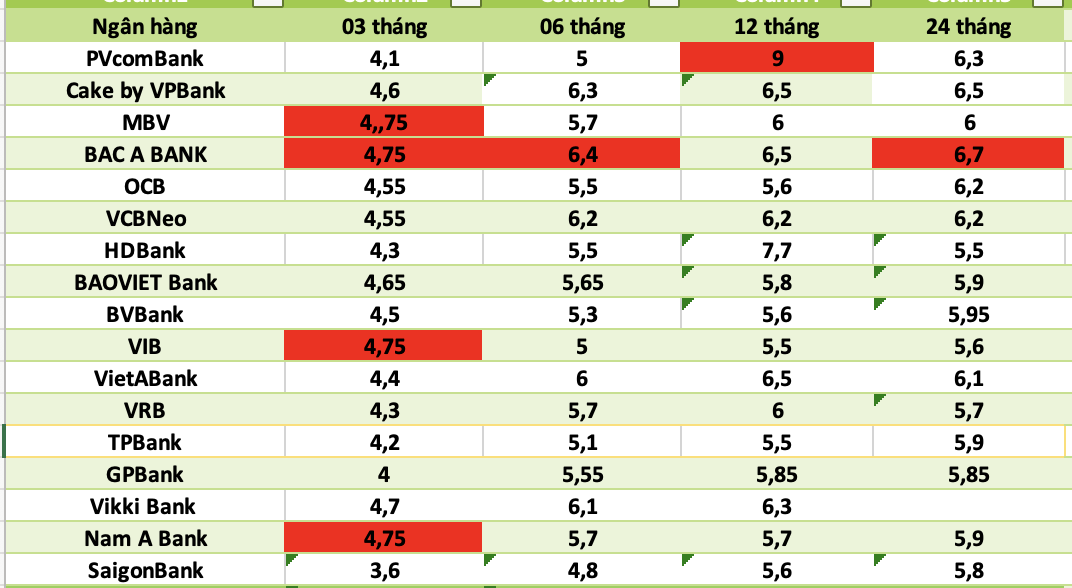
- For Savers: Compare APYs on savings accounts, money market accounts, and CDs. While rates might seem small, the impact of compounding interest over time can be substantial. Look for institutions that consistently offer competitive rates and understand any associated fees or minimum balance requirements.
Improving Your Credit Score
Your credit score is a powerful determinant of the interest rates you’ll be offered on loans. A higher score signals lower risk to lenders, translating into better terms.
- Pay Bills on Time: Payment history is the most significant factor in your credit score.
- Keep Credit Utilization Low: Aim to use less than 30% of your available credit.
- Limit New Credit Applications: Each application can temporarily ding your score.
- Review Your Credit Report: Regularly check for errors and dispute any inaccuracies.
Understanding Loan Terms and Conditions
Beyond the headline interest rate, the full terms and conditions of a loan can significantly impact its true cost and your repayment experience.
- Fees: Be aware of origination fees, annual fees, late payment fees, and prepayment penalties.
- Repayment Schedule: Understand the loan term, monthly payment amount, and how interest is calculated (e.g., simple vs. compound interest).
- Fixed vs. Variable: If it’s a variable-rate loan, understand the benchmark index it tracks and any caps on how high the rate can go.
- Collateral: Know what assets, if any, are securing the loan and the implications if you default.
Diversifying Savings and Investments
While banks offer competitive interest rates on deposits, it’s wise to consider a diversified approach to your financial assets, especially in different interest rate environments.
- Balance Liquidity with Yield: Keep easily accessible funds in high-yield savings accounts for emergencies, but consider locking up longer-term savings in CDs for better rates.
- Explore Other Investments: Depending on your risk tolerance and financial goals, consider investing in stocks, bonds, mutual funds, or real estate. Each asset class reacts differently to interest rate changes, and diversification can help mitigate risk.
- Laddering CDs: If you have a large sum, consider splitting it into several CDs with staggered maturity dates (e.g., 1-year, 2-year, 3-year) to balance higher long-term rates with periodic access to funds.
Staying Informed About Economic Trends
Interest rates are not static; they move in response to economic data and central bank actions. Staying informed can help you anticipate changes and make timely decisions.
- Follow Central Bank Announcements: Pay attention to news about the Federal Reserve (or your country’s central bank) and their policy decisions, especially regarding their benchmark interest rate.
- Monitor Inflation Reports: Understanding inflation trends can provide insights into potential future interest rate movements.
- Read Financial News: Stay abreast of broader economic indicators, such as GDP growth, employment figures, and consumer confidence, as these influence interest rate policy.
In conclusion, interest rates are the bedrock of the banking system and a crucial determinant of financial health for individuals and businesses alike. From the cost of your mortgage to the growth of your savings, their influence is undeniable. By understanding what they are, how they are set, and their far-reaching impacts, you gain the knowledge to navigate the financial landscape more effectively, optimize your banking relationships, and build a more secure financial future.
aViewFromTheCave is a participant in the Amazon Services LLC Associates Program, an affiliate advertising program designed to provide a means for sites to earn advertising fees by advertising and linking to Amazon.com. Amazon, the Amazon logo, AmazonSupply, and the AmazonSupply logo are trademarks of Amazon.com, Inc. or its affiliates. As an Amazon Associate we earn affiliate commissions from qualifying purchases.