
The question “when will mortgage rates drop?” is on the minds of millions, from aspiring homeowners grappling with affordability to existing homeowners contemplating refinancing. Mortgage rates are a critical barometer of economic health and a significant factor in personal financial planning, impacting everything from monthly budgets to long-term wealth accumulation. Understanding the intricate dance of economic indicators, central bank policies, and global market forces is essential to gaining clarity on this perpetually debated topic. While no one possesses a crystal ball, a thorough examination of the underlying drivers can illuminate the path forward and equip individuals with the knowledge to make informed decisions.
Understanding the Forces Behind Mortgage Rate Fluctuations
Mortgage rates do not exist in a vacuum; they are a direct reflection of broader economic conditions and financial market dynamics. Unpacking these influential forces is the first step toward deciphering their future trajectory.
The Federal Reserve’s Role and Monetary Policy
At the heart of interest rate movements in the United States is the Federal Reserve, the nation’s central bank. While the Fed does not directly set mortgage rates, its actions profoundly influence them.
- The Federal Funds Rate vs. Mortgage Rates: The Federal Reserve’s primary policy tool is the federal funds rate, the target rate for overnight lending between banks. When the Fed raises this rate, borrowing across the financial system becomes more expensive, impacting a range of consumer loans, including credit cards and auto loans. While mortgage rates, particularly 30-year fixed rates, are more closely tied to the yield on 10-year Treasury bonds, a higher federal funds rate generally translates to higher mortgage rates as lenders adjust their pricing to reflect the increased cost of money and investors demand higher returns. Conversely, when the Fed cuts rates, it signals a desire to stimulate economic activity, typically leading to a decrease in mortgage rates.
- Inflation Targeting: The Fed’s dual mandate is to achieve maximum employment and stable prices (low inflation). When inflation is high, the Fed often raises interest rates to cool down the economy and bring prices under control. This restrictive monetary policy is a primary driver of higher mortgage rates. The expectation is that once inflation is under control, the Fed can ease its stance, which would then pave the way for lower rates.
- Quantitative Tightening/Easing: Beyond the federal funds rate, the Fed also engages in quantitative easing (QE) or quantitative tightening (QT). During QE, the Fed buys vast amounts of Treasury bonds and mortgage-backed securities (MBS), injecting liquidity into the market and helping to suppress long-term interest rates. QT is the reverse, where the Fed allows its bond holdings to mature without reinvesting, effectively reducing the money supply and potentially pushing long-term rates higher.
Inflation Expectations and Economic Indicators
Inflation is arguably the most significant single factor influencing mortgage rates today. Lenders and investors demand higher interest rates to compensate for the erosion of purchasing power caused by inflation.
- Consumer Price Index (CPI) and Producer Price Index (PPI): These are key gauges of inflation. The CPI measures the average change over time in the prices paid by urban consumers for a market basket of consumer goods and services, while the PPI measures average changes in selling prices received by domestic producers for their output. Sustained high readings in these indices reinforce the Fed’s hawkish stance, keeping mortgage rates elevated. A sustained downward trend, particularly in core inflation (excluding volatile food and energy prices), is what the Fed needs to see before considering rate cuts.
- Employment Data: A strong job market, characterized by low unemployment rates and robust wage growth, can fuel inflation as consumers have more money to spend. Therefore, jobs reports (e.g., Non-Farm Payrolls, unemployment rate, average hourly earnings) are closely watched. A cooling labor market, with fewer job openings and slower wage growth, could signal a slowdown in inflationary pressures, making rate cuts more likely.
- Gross Domestic Product (GDP) Growth: GDP measures the total economic output of a country. Strong, sustained GDP growth can lead to higher inflation, as demand outstrips supply. Conversely, slowing or contracting GDP growth can signal a weakening economy, which might prompt the Fed to lower rates to stimulate activity.
- Consumer Confidence: Surveys of consumer confidence reflect how optimistic consumers are about the state of the economy. High confidence can translate into increased spending, potentially contributing to inflation.
The Bond Market and Treasury Yields
While the Fed influences short-term rates, long-term mortgage rates are more directly tied to the yield on the 10-year Treasury note.
- How 10-year Treasury Yields Influence Mortgage Rates: The 10-year Treasury yield serves as a benchmark for various long-term loans, including fixed-rate mortgages. When investors buy Treasury bonds, they are essentially lending money to the U.S. government. The yield on these bonds reflects the market’s expectation of future inflation and economic growth. If investors anticipate higher inflation or stronger economic growth, they demand a higher yield for lending their money for an extended period, which in turn pushes mortgage rates higher. Mortgage rates typically hover around 1.5 to 2 percentage points above the 10-year Treasury yield, reflecting the additional risk associated with mortgages compared to government bonds.
- Global Economic Stability/Instability: Geopolitical events, international trade tensions, and global economic slowdowns can all impact the bond market. During times of global uncertainty, investors often flock to safe-haven assets like U.S. Treasuries, which can temporarily drive down yields (and thus mortgage rates) due to increased demand. Conversely, strong global growth might see capital flow away from Treasuries into riskier assets, pushing yields higher.
Current Market Landscape and Expert Projections
The journey of mortgage rates has been a roller coaster, marked by periods of historic lows and rapid ascents. Understanding the current environment and how experts are forecasting future movements is crucial for planning.
Analyzing Recent Trends
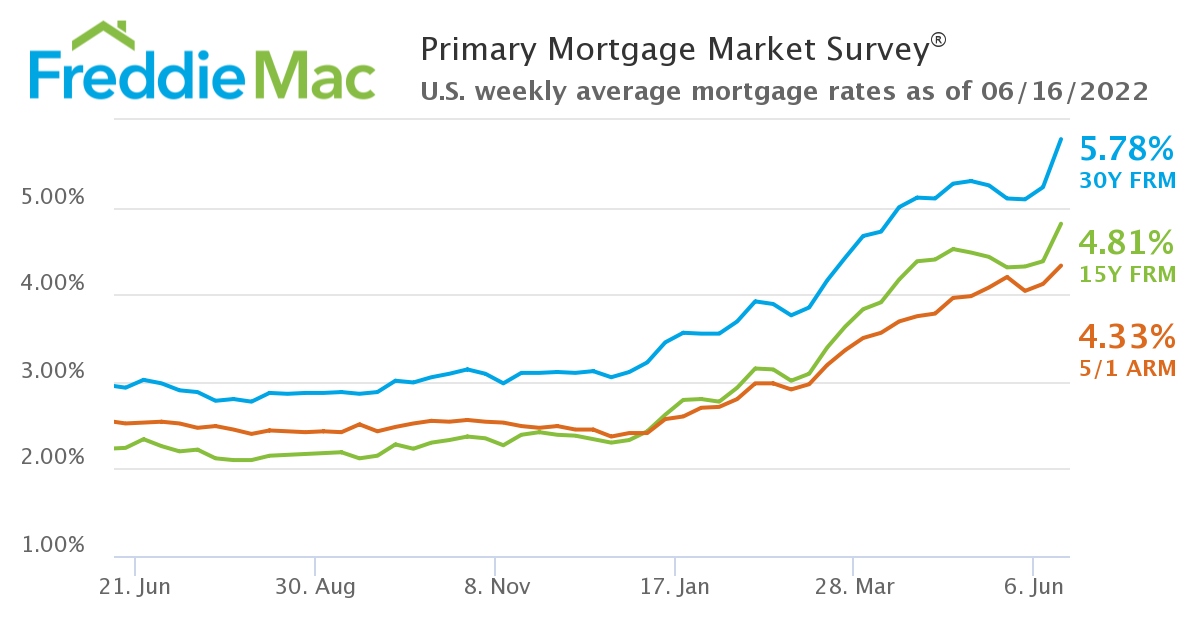
The past few years have seen a dramatic shift in the mortgage rate environment. After hitting historic lows during the pandemic, rates surged in response to aggressive Federal Reserve actions to combat surging inflation.
- Review of Current Rate Environment: The current landscape is characterized by rates significantly higher than the ultra-low levels seen in 2020-2021. This has profoundly impacted housing affordability, pushing monthly payments higher even for modestly priced homes. Many potential buyers are priced out, and existing homeowners are reluctant to sell, fearing giving up their low-rate mortgages.
- Impact on Housing Affordability and Activity: Higher rates have led to a slowdown in housing market activity. Transaction volumes are down, and price appreciation has moderated in many areas, though inventory shortages continue to exert upward pressure on prices in some desirable markets. The “lock-in effect,” where homeowners are hesitant to move due because their current mortgage rate is much lower than prevailing rates, is contributing to low housing supply.
Forecasters’ Consensus and Divergent Views
Predicting the exact timing and magnitude of mortgage rate drops is notoriously difficult, but major financial institutions and economic research firms regularly publish their projections.
- Summary of Predictions: Many forecasters anticipate a gradual decline in mortgage rates in the coming year, driven by an expected cooling of inflation and a potential easing of the Fed’s monetary policy. Institutions like Fannie Mae, Freddie Mac, and the Mortgage Bankers Association (MBA) generally project rates to trend downward, though the pace of decline is debated. The consensus often points to rates settling into a range that is lower than current peaks but still higher than the pre-pandemic average.
- Factors That Could Lead to Faster/Slower Drops: Faster drops could occur if inflation recedes more quickly than expected, or if the economy experiences a sharper-than-anticipated slowdown or recession, forcing the Fed to cut rates more aggressively. Conversely, rates could remain elevated for longer if inflation proves more persistent, if the labor market remains stubbornly strong, or if unforeseen supply shocks push prices up again. Geopolitical instability could also play a role, either driving rates down as investors seek safe havens or up through supply chain disruptions.
The “Higher for Longer” Debate
A significant discussion point among economists and market participants is the “higher for longer” narrative regarding interest rates.
- Discussion on the Fed’s Stance and Market Interpretation: This view suggests that even after inflation is brought closer to the Fed’s 2% target, interest rates might not return to the ultra-low levels seen in the decade following the 2008 financial crisis. Structural factors such as deglobalization, increased government spending, and demographic shifts could contribute to a persistently higher “neutral” interest rate. The Federal Reserve itself has indicated a cautious approach, emphasizing data dependency and a willingness to keep rates restrictive until inflation is clearly on a sustainable path back to target. Market participants are constantly re-evaluating whether the Fed is truly committed to this stance or if economic pressures will force an earlier pivot.
What a Mortgage Rate Drop Would Mean for Homeowners and Buyers
The prospect of lower mortgage rates holds different implications for various stakeholders in the housing market.
For Prospective Homebuyers
A decline in mortgage rates would breathe new life into the aspirations of many first-time buyers and those looking to upgrade.
- Increased Affordability: Lower rates directly translate to reduced monthly mortgage payments for the same loan amount. This increases purchasing power, making homeownership more accessible and potentially allowing buyers to afford a more expensive home or keep more cash flow for other expenses.
- Market Competition Implications: As affordability improves, buyer demand is likely to increase. This could lead to intensified competition, potentially driving home prices up or creating bidding wars in desirable areas, especially if housing supply remains constrained. Buyers might find themselves needing to act quickly when rates dip.
- Timing Considerations: For many, the decision of when to buy is heavily influenced by rates. While waiting for rates to drop further might seem appealing, it comes with the risk of rising home prices or increased competition. It’s a delicate balance between rate savings and potential increases in property value.
For Existing Homeowners
Homeowners with higher interest rates stand to benefit significantly from a rate drop.
- Refinancing Opportunities: A substantial drop in rates could unlock refinancing opportunities for homeowners who secured their mortgages during periods of high rates. Refinancing to a lower rate can significantly reduce monthly payments, free up cash flow, and potentially save tens of thousands of dollars over the life of the loan.
- Potential for Home Equity Tapping: For those needing to access cash, a lower rate environment might make cash-out refinances more attractive. This allows homeowners to borrow against their home equity at a lower interest rate, which can be used for debt consolidation, home improvements, or other financial goals.
- Impact on Home Values: While not a direct correlation, a more active and affordable housing market spurred by lower rates can contribute to stable or appreciating home values, benefiting existing homeowners’ equity.
Broader Economic Implications
Beyond individual households, mortgage rate movements have ripple effects throughout the economy.
- Stimulus for the Housing Market: Lower rates revitalize the housing market, encouraging both buyers and sellers. Increased transactions benefit a wide range of industries, including construction, real estate services, home improvement, and furniture retail. This can contribute to overall economic growth.
- Consumer Spending Confidence: When housing costs are more manageable, consumers tend to have more disposable income and feel more financially secure, potentially leading to increased spending in other sectors of the economy. This boosts consumer confidence and can be a significant economic driver.
Strategies for Navigating a Volatile Rate Environment
Given the uncertainty surrounding future rate movements, proactive financial planning is paramount. Both prospective buyers and existing homeowners can employ strategies to best position themselves.
For Buyers: Preparing for Opportunities
Even if rates remain elevated for some time, preparing now can make you ready when opportunities arise.
- Strengthening Credit Score: A strong credit score (typically 740 and above) qualifies you for the best available interest rates, regardless of the overall market. Focus on paying bills on time, reducing debt, and monitoring your credit report for errors.
- Saving for a Down Payment: A larger down payment reduces the amount you need to borrow, which can mitigate the impact of higher interest rates and potentially eliminate the need for private mortgage insurance (PMI).
- Getting Pre-Approved: A pre-approval provides clarity on how much you can afford and signals to sellers that you are a serious buyer. It also locks in an interest rate for a certain period, protecting you if rates rise during your home search.
- Considering Adjustable-Rate Mortgages (ARMs) with Caution: While fixed-rate mortgages offer stability, ARMs can offer lower initial rates. However, they come with the risk that rates could adjust upward after an initial fixed period. An ARM might be suitable for those who plan to sell or refinance within the initial fixed period or are comfortable with payment variability. Always understand the adjustment terms and potential caps.
For Homeowners: Evaluating Refinancing Potential
For those with existing mortgages, vigilance and strategic evaluation are key.
- Analyzing Break-Even Points: If you’re considering refinancing, calculate the break-even point – how long it will take for the savings from a lower monthly payment to offset the closing costs of the new loan. This helps determine if refinancing is financially worthwhile.
- Monitoring Rates Actively: Stay informed about current mortgage rates. Set up alerts with lenders or financial news sites to be notified when rates hit certain thresholds. Being ready to act quickly when rates dip can be advantageous.
- Considering Rate-and-Term vs. Cash-Out Refi: Understand the difference between these two main types of refinancing. A rate-and-term refi lowers your interest rate or changes your loan term. A cash-out refi allows you to borrow more than your current mortgage balance, taking the difference in cash, typically for home improvements or debt consolidation.
The Importance of Professional Guidance
Navigating the complexities of mortgage rates and the housing market is often best done with expert assistance.
- Working with Mortgage Brokers and Financial Advisors: Mortgage brokers can compare offers from multiple lenders to help you find the best rate and terms. Financial advisors can provide holistic guidance on how mortgage decisions fit into your broader financial plan, considering your income, savings, and long-term goals. Their insights can be invaluable in making financially sound choices.
Conclusion
The timing of mortgage rate drops remains a subject of intense speculation, influenced by a dynamic interplay of inflation, economic growth, and central bank policy. While the consensus points towards a gradual decline in the coming year, the pace and magnitude are subject to change based on evolving economic data.
For prospective homebuyers, lower rates promise increased affordability but could also reignite market competition. For existing homeowners, rate drops offer the tantalizing prospect of refinancing to reduce monthly payments or tap into accumulated home equity. Regardless of which scenario unfolds, the wisest approach involves proactive financial planning: building a strong credit profile, saving diligently, and understanding the nuances of different mortgage products.
Ultimately, trying to perfectly time the market is a futile endeavor. Instead, focus on strengthening your financial position and staying informed. By understanding the forces at play and preparing for various outcomes, you can confidently navigate the volatile mortgage landscape and seize opportunities as they arise, ensuring your financial goals remain within reach.
aViewFromTheCave is a participant in the Amazon Services LLC Associates Program, an affiliate advertising program designed to provide a means for sites to earn advertising fees by advertising and linking to Amazon.com. Amazon, the Amazon logo, AmazonSupply, and the AmazonSupply logo are trademarks of Amazon.com, Inc. or its affiliates. As an Amazon Associate we earn affiliate commissions from qualifying purchases.