
Navigating the landscape of homeownership often begins with a fundamental question: “What is the interest rate?” For millions of aspiring and current homeowners, Rocket Mortgage has become a household name, synonymous with a streamlined, technology-driven approach to securing a home loan. But understanding “what is Rocket Mortgage interest rate” is far more nuanced than simply looking up a number. It’s about grasping the intricate interplay of market forces, personal financial health, and the specific characteristics of the loan product itself. This article delves deep into the mechanisms that determine Rocket Mortgage’s interest rates, offering insights for anyone considering their services.

Understanding Mortgage Interest Rates in Today’s Market
Before we zoom in on Rocket Mortgage, it’s crucial to understand the broader context of mortgage interest rates. These rates are not static figures; they are dynamic, influenced by a complex web of economic indicators and market sentiment. For the average homebuyer, the interest rate represents the cost of borrowing the principal amount – essentially, the fee paid to the lender for the privilege of using their money to purchase a home.
The Basics of Mortgage Interest
At its core, a mortgage interest rate is expressed as a percentage of the loan amount, calculated annually. This percentage dictates how much additional money you’ll pay back over the life of the loan beyond the principal. For example, a 30-year fixed-rate mortgage at 6% means that for every $100,000 borrowed, you’ll pay roughly $6,000 in interest the first year (though this amount reduces as the principal is paid down). The choice between a fixed-rate mortgage (where the interest rate remains constant) and an adjustable-rate mortgage (ARM, where the rate can change periodically) is one of the first major decisions a borrower faces, each with its own implications for long-term financial planning and risk tolerance.
Factors Influencing General Interest Rates
Several macroeconomic factors exert significant influence over general mortgage interest rates. The Federal Reserve’s monetary policy, particularly its decisions regarding the federal funds rate, plays a pivotal role, even if it doesn’t directly set mortgage rates. Changes in the federal funds rate can indirectly affect the prime rate, which in turn influences other lending rates. Inflation expectations are another critical driver; lenders demand higher rates when they anticipate that the money they are paid back will have less purchasing power in the future. Economic growth and employment data also factor in, as a strong economy often leads to higher demand for credit and, consequently, higher rates. Furthermore, the bond market, specifically the yield on 10-year Treasury notes, is a strong indicator for long-term fixed mortgage rates, as mortgages are often bundled and sold as mortgage-backed securities (MBS) which compete with Treasury bonds for investor interest.
How Lenders Determine Your Rate
While general market conditions set a baseline, individual lenders like Rocket Mortgage then tailor rates based on their own cost of funds, operational expenses, desired profit margins, and most importantly, their assessment of a borrower’s creditworthiness and risk profile. Lenders analyze a vast amount of data, including your financial history, the type of property, and the loan amount, to arrive at a personalized offer. This means that two individuals applying for the same loan product on the same day might receive different interest rates based on their unique circumstances.
Rocket Mortgage’s Approach to Interest Rates
Rocket Mortgage, a subsidiary of Rocket Companies, Inc., revolutionized the mortgage industry by embracing technology to streamline what was traditionally a cumbersome, paper-heavy process. This digital-first strategy not only enhances efficiency but also impacts how they present and offer interest rates to their clients.
Rocket Mortgage: A Digital-First Lender
Rocket Mortgage’s platform is designed for speed and convenience, allowing users to apply for, track, and manage their mortgage entirely online or via their mobile app. This technological infrastructure enables them to process applications quickly and offer a highly personalized experience. Their extensive use of data analytics allows them to rapidly assess credit risk and present tailored rate options to potential borrowers. This digital efficiency often translates into competitive rates and a transparent process for displaying them. However, it’s important to remember that while technology automates much of the process, the underlying financial principles and risk assessments remain paramount.
Transparency and Rate Accessibility
One of Rocket Mortgage’s strengths is its commitment to transparency, at least in displaying current rate trends and offering personalized quotes. Their website and app often feature real-time rate tables, allowing potential borrowers to get an immediate sense of prevailing rates for different loan products (e.g., 30-year fixed, 15-year fixed, FHA, VA). When you go through their qualification process, they aim to provide clear, personalized rate estimates based on the information you provide. This accessibility helps demystify the initial stages of mortgage shopping and allows borrowers to quickly compare potential offers. However, these initial quotes are estimates and can change until a rate lock is secured.
Loan Products and Their Rate Structures
Rocket Mortgage offers a comprehensive suite of loan products, each with its own rate structure and eligibility requirements. The most common include:
- Fixed-Rate Mortgages: Available in various terms (e.g., 30-year, 20-year, 15-year), these loans have an interest rate that remains constant for the life of the loan. This provides predictable monthly payments, making budgeting easier. The longer the term, generally the higher the interest rate, as the lender assumes more risk over a longer period.
- Adjustable-Rate Mortgages (ARMs): These loans typically offer a lower initial interest rate for a set period (e.g., 5/1 ARM means fixed for 5 years, then adjusts annually). After the fixed period, the rate fluctuates based on a chosen market index. While potentially offering lower initial payments, ARMs carry the risk of future rate increases, which can significantly impact affordability.
- Government-Backed Loans: Rocket Mortgage also facilitates FHA loans (Federal Housing Administration), VA loans (Department of Veterans Affairs), and USDA loans (United States Department of Agriculture). These loans often come with more lenient qualification criteria and sometimes lower interest rates, particularly for VA loans, which often boast some of the most competitive rates available due to the government guarantee.
- Jumbo Loans: For loan amounts exceeding conforming limits set by the Federal Housing Finance Agency (FHFA), Rocket Mortgage offers jumbo loans. These typically have stricter underwriting standards and may carry slightly higher interest rates due to the increased risk for the lender.
Each of these products serves different borrower needs, and their respective interest rates reflect their inherent risk profiles and market demand.
Key Factors Affecting Your Rocket Mortgage Interest Rate
While market conditions establish a general range, your individual Rocket Mortgage interest rate is ultimately determined by a combination of personal financial attributes and specific loan characteristics. Understanding these factors empowers you to take steps to secure the most favorable terms.
Credit Score: Your Financial Report Card
Your credit score is arguably the most significant determinant of your interest rate. Lenders use it as a primary indicator of your creditworthiness and your likelihood of repaying the loan. A higher FICO score (typically above 740) signals a lower risk borrower, which generally translates to lower interest rates. Conversely, a lower credit score indicates higher risk, leading to higher interest rates to compensate the lender. Rocket Mortgage, like other lenders, utilizes complex algorithms that weigh your credit history, payment consistency, debt levels, and length of credit history to calculate your risk.
Down Payment and Loan-to-Value (LTV)
The size of your down payment directly impacts your loan-to-value (LTV) ratio, which is the amount of your loan relative to the home’s appraised value. A larger down payment means a lower LTV, signifying less risk for the lender. Borrowers with a lower LTV (e.g., 20% down payment or more) often qualify for better interest rates because they have more equity in the property from the outset. A smaller down payment (higher LTV) might lead to a higher interest rate and often requires private mortgage insurance (PMI) for conventional loans, adding to the overall cost.
Loan Term and Type (e.g., 15-year vs. 30-year, Conventional, FHA, VA)
As mentioned, the chosen loan term has a direct impact. A 15-year fixed-rate mortgage typically has a lower interest rate than a 30-year fixed-rate mortgage. This is because the lender is exposed to interest rate risk for a shorter period. While the monthly payments on a 15-year loan are higher, the total interest paid over the life of the loan is significantly less. The type of loan also matters: VA loans, for example, often offer highly competitive rates due to the government guarantee, while FHA loans might have slightly different rate structures compared to conventional loans.
Debt-to-Income (DTI) Ratio
Your debt-to-income (DTI) ratio is another critical metric. It’s the percentage of your gross monthly income that goes towards paying debts, including the proposed mortgage payment. Lenders prefer a lower DTI, as it suggests you have ample income to manage your monthly obligations, reducing the risk of default. A higher DTI (typically above 43-45%) can signal a higher risk, potentially resulting in a higher interest rate or even loan denial. Rocket Mortgage will scrutinize this ratio carefully.
Market Conditions and Economic Indicators
While largely external, current market conditions directly impact the rates Rocket Mortgage can offer. When the economy is strong, inflation is a concern, and the Federal Reserve is tightening monetary policy, interest rates tend to rise. Conversely, during periods of economic uncertainty or recession, rates might fall as the Fed eases policy to stimulate growth. These daily fluctuations mean that the rate you are quoted today might be different from tomorrow’s, emphasizing the importance of securing a rate lock.
Discount Points and Closing Costs
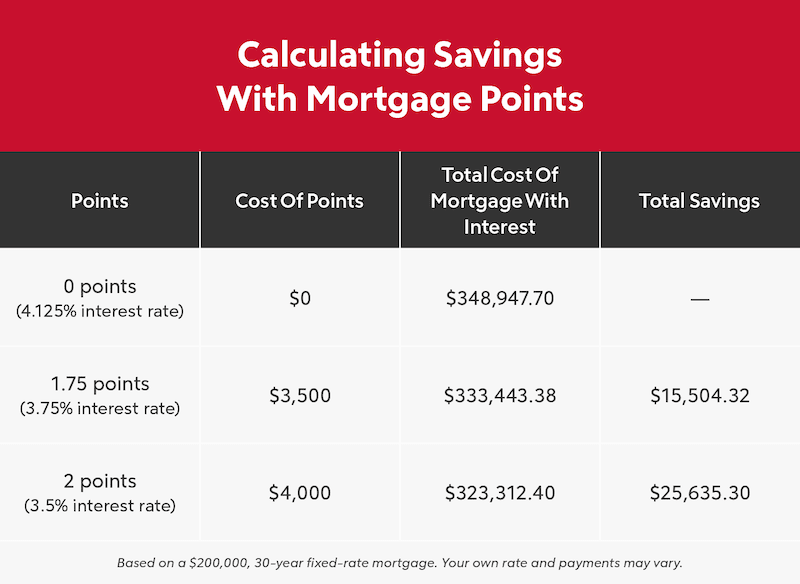
When you receive a rate quote from Rocket Mortgage, you might also be presented with the option to pay “discount points.” A discount point is an upfront fee, typically equal to 1% of the loan amount, that you pay at closing in exchange for a lower interest rate over the life of the loan. This is essentially “buying down” your interest rate. Whether paying points is financially beneficial depends on how long you plan to stay in the home and your break-even point. Conversely, you might also have the option of a “lender credit,” where the lender pays some of your closing costs in exchange for a slightly higher interest rate.
How to Get the Best Possible Rate with Rocket Mortgage
Securing the lowest possible interest rate on your Rocket Mortgage loan can save you tens of thousands of dollars over the loan’s lifetime. While market forces are beyond your control, there are several actionable steps you can take to optimize your personal financial profile and leverage Rocket Mortgage’s tools.
Improving Your Financial Profile
The most effective way to secure a better rate is to present yourself as a low-risk borrower. This involves:
- Boosting Your Credit Score: Pay bills on time, reduce revolving debt, avoid opening new credit accounts unnecessarily, and check your credit report for errors. Aim for a FICO score of 740 or higher.
- Lowering Your Debt-to-Income Ratio: Pay down existing debts, especially credit card balances and personal loans, before applying for a mortgage. Avoid taking on new debt during the mortgage application process.
- Increasing Your Down Payment: Saving more for a larger down payment reduces your LTV, signaling less risk to the lender and potentially eliminating the need for PMI, which further reduces monthly costs.
Shopping Around and Comparing Offers
While this article focuses on Rocket Mortgage, it’s always prudent financial advice to shop around and compare offers from multiple lenders. Even a small difference in the interest rate can amount to significant savings. Rocket Mortgage operates in a competitive market, and understanding what other lenders are offering can provide leverage or confirm that you’re getting a competitive deal. Many borrowers use Rocket Mortgage for their streamlined application process but still get quotes from 2-3 other lenders to ensure they are getting the best value.
Understanding Rate Locks
Once you’ve found a rate you like, particularly if you anticipate market rates might rise, you can “lock in” your interest rate with Rocket Mortgage. A rate lock guarantees that your interest rate will not change between the time you lock it and the time you close on your loan, typically for a period of 30 to 60 days. There might be a small fee associated with a rate lock, or for extending one if your closing is delayed. It’s crucial to understand the terms of your rate lock and its expiration date to avoid surprises.
Utilizing Rocket Mortgage’s Tools and Resources
Rocket Mortgage prides itself on its digital tools. Use their online calculators to experiment with different down payment amounts, loan terms, and potential interest rates to see how they impact your monthly payment and total interest paid. Leverage their pre-approval process, which can give you a solid estimate of your buying power and potential interest rate without committing to a full application. Their loan officers are also available to guide you through the complexities and help you understand your options.
Beyond the Interest Rate: Total Cost of a Rocket Mortgage
While the interest rate is undeniably a critical component, it’s only one piece of the puzzle when calculating the true cost of a Rocket Mortgage. A holistic view requires considering all associated fees and charges.
APR vs. Interest Rate: The Full Picture
The Annual Percentage Rate (APR) is a crucial metric that provides a more comprehensive view of the loan’s cost than the interest rate alone. While the interest rate reflects the cost of borrowing the principal, the APR includes the interest rate plus certain other charges and fees associated with the loan, such as origination fees, discount points, and private mortgage insurance. Because it encompasses these additional costs, the APR will almost always be higher than the nominal interest rate. It’s a standardized way for consumers to compare the true “price tag” of different loan offers, as it allows for an apples-to-apples comparison. When comparing Rocket Mortgage’s offers with other lenders, always compare the APR, not just the interest rate.
Closing Costs and Fees
Beyond the interest, borrowers must factor in closing costs. These are a collection of fees and expenses incurred when you finalize your mortgage loan. For a Rocket Mortgage, these can include:
- Origination Fees: Charged by the lender for processing the loan.
- Appraisal Fees: To assess the home’s value.
- Title Insurance Fees: To protect the lender and buyer against property title disputes.
- Escrow Fees: For managing closing documents and funds.
- Recording Fees: Paid to the local government to record the property transfer.
- Prepaid Items: Such as property taxes and homeowner’s insurance premiums for a certain period, which are often paid upfront.
These costs typically range from 2% to 5% of the loan amount and can be paid out-of-pocket or, in some cases, rolled into the loan (though this increases your principal and the interest paid over time). Rocket Mortgage provides a detailed Loan Estimate within three business days of application, outlining all these costs.
Escrow Accounts and Ongoing Costs
Once your mortgage is secured with Rocket Mortgage, your monthly payment will often include more than just principal and interest. Many lenders require an escrow account for property taxes and homeowner’s insurance premiums. This means a portion of your monthly payment goes into this account, and the lender pays these bills on your behalf when they are due. While not directly part of the interest rate or closing costs, these ongoing expenses are a significant part of homeownership costs and contribute to your overall monthly housing budget. Additionally, if your down payment was less than 20% on a conventional loan, you will likely pay Private Mortgage Insurance (PMI), another ongoing cost that protects the lender if you default.

Conclusion: Navigating Your Rocket Mortgage Journey
Understanding “what is Rocket Mortgage interest rate” is a crucial first step in your home financing journey. It’s a figure shaped by broad economic currents, your individual financial health, and the specific loan product you choose. Rocket Mortgage’s digital platform offers transparency and efficiency, but the onus is on the borrower to understand the underlying mechanics. By focusing on improving your credit profile, maximizing your down payment, diligently comparing offers (including APR, not just the interest rate), and understanding all associated costs, you can strategically navigate the complex world of mortgage financing. Ultimately, a well-informed borrower is an empowered borrower, capable of securing a Rocket Mortgage that truly aligns with their financial goals and long-term well-being.
aViewFromTheCave is a participant in the Amazon Services LLC Associates Program, an affiliate advertising program designed to provide a means for sites to earn advertising fees by advertising and linking to Amazon.com. Amazon, the Amazon logo, AmazonSupply, and the AmazonSupply logo are trademarks of Amazon.com, Inc. or its affiliates. As an Amazon Associate we earn affiliate commissions from qualifying purchases.