
The question of “what are mortgage rates going to do?” looms large over the heads of prospective homebuyers and current homeowners alike. Mortgage rates are a critical determinant of housing affordability, directly impacting monthly payments, purchasing power, and the overall health of the real estate market. In an economic landscape characterized by volatility and shifting macroeconomic factors, understanding the trajectory of these rates is paramount for making informed financial decisions. From the hawkish stance of central banks to the nuanced signals emanating from bond markets and inflation reports, numerous forces converge to dictate where mortgage rates might head next. This article delves into the intricate mechanisms that influence mortgage rates, explores current trends and expert predictions, and provides actionable insights for navigating this dynamic environment.
Understanding the Forces Shaping Mortgage Rates
Mortgage rates are not set in a vacuum. They are the result of a complex interplay of macroeconomic indicators, monetary policy decisions, and market sentiment. To anticipate their future movements, it’s essential to dissect these underlying drivers.
The Federal Reserve’s Role and Monetary Policy
Perhaps the most significant influencer of mortgage rates, albeit indirectly, is the Federal Reserve. While the Fed directly controls the federal funds rate – the overnight lending rate between banks – its actions ripple through the entire financial system. When the Fed raises its benchmark rate to combat inflation, it makes borrowing more expensive across the board, including for banks. This increased cost of funds for banks often translates to higher rates for consumers on various loans, including mortgages. Conversely, a dovish Fed, cutting rates to stimulate economic growth, tends to push mortgage rates lower. The Fed’s forward guidance and signals regarding future rate hikes or cuts are meticulously watched by investors, often causing market reactions even before official decisions are made.
Inflationary Pressures and Economic Growth
Inflation is a primary antagonist to low mortgage rates. When inflation is high, the purchasing power of money erodes over time. Lenders, to ensure that the return on their loans maintains its real value, demand higher interest rates. This is a fundamental principle: if the inflation rate is higher than the interest rate, the lender is effectively losing money. Consequently, expectations of future inflation are a major component of long-term interest rates, including those for fixed-rate mortgages. Robust economic growth, while generally positive, can also put upward pressure on rates by increasing demand for capital and potentially fueling inflation, prompting the Fed to tighten policy.
The Bond Market’s Influence
While the Fed grabs headlines, it’s the bond market that has a more direct impact on fixed-rate mortgages. Specifically, the yield on the 10-year U.S. Treasury bond is a key benchmark. Mortgage-backed securities (MBS), which are pools of mortgages bought and sold by investors, typically trade at a spread above the 10-year Treasury yield. When Treasury yields rise, MBS yields also tend to rise, leading to higher mortgage rates. Factors influencing bond yields include investor demand for government debt, inflation expectations, and global economic stability. In times of uncertainty, investors flock to safe-haven assets like Treasuries, which can push yields down, potentially lowering mortgage rates.
Housing Market Dynamics and Demand
The law of supply and demand also plays a role within the housing market itself. High demand for homes, coupled with limited inventory, can create an environment where lenders feel more confident in offering slightly higher rates, as buyers might be willing to pay them to secure a home. Conversely, a slowdown in housing activity, perhaps due to affordability constraints or economic uncertainty, might prompt lenders to offer more competitive rates to attract borrowers. Demographics, migration patterns, and government housing policies can all contribute to these dynamics.
Current Landscape and Recent Trends
The period since late 2021 has been marked by significant volatility in mortgage rates, presenting both challenges and opportunities for market participants. Understanding the immediate past helps contextualize current discussions and future projections.
A Look Back at Volatility
Following a historic period of ultra-low rates in 2020-2021 driven by pandemic-era stimulus, mortgage rates began a steep ascent. This rise was primarily a reaction to surging inflation and the Federal Reserve’s aggressive campaign of interest rate hikes. Rates that had hovered near 3% for a 30-year fixed mortgage swiftly climbed, at times breaching 7% or even 8%. This rapid increase shocked many potential buyers, eroding affordability and cooling what had been a red-hot housing market. The swings have been pronounced, with rates reacting sharply to every piece of economic data – from CPI reports to jobs figures and Fed meeting minutes.
The Impact of Geopolitical Events
Global events, often seemingly distant, can have a tangible impact on domestic mortgage rates. Geopolitical instability, such as wars or major political shifts, can trigger a flight to safety among investors. As noted earlier, this often means increased demand for U.S. Treasury bonds, which can push their yields down and, consequently, put downward pressure on mortgage rates. However, these events can also introduce uncertainty that dampens economic sentiment, potentially leading to varied impacts on inflation expectations and market behavior. Supply chain disruptions caused by global conflicts can also fuel inflation, indirectly contributing to higher rates.
How Lenders Set Their Rates
While the 10-year Treasury yield and Fed actions provide a strong baseline, individual lenders also factor in their own operational costs, desired profit margins, and risk assessments when setting specific mortgage rates. Factors like a borrower’s credit score, loan-to-value ratio, debt-to-income ratio, and the specific loan product (e.g., fixed-rate vs. adjustable-rate) all contribute to the personalized rate offered. Competition among lenders also plays a role; in a competitive market, lenders might slightly trim their margins to attract more borrowers.
Expert Predictions and Forecasts for the Near Future
Predicting the precise movement of mortgage rates is akin to forecasting the weather – an educated guess based on current patterns and models, subject to sudden shifts. However, economists and financial analysts provide valuable insights into likely scenarios.
Consensus Among Economists
Generally, a broad consensus often emerges among economists regarding the likely direction of mortgage rates over the next 6-12 months. This consensus is typically built upon expectations for inflation, the Fed’s monetary policy trajectory, and the resilience of the overall economy. Many forecasts have suggested that while rates may remain elevated compared to the pandemic lows, the most aggressive phase of rate hikes is likely over. Some predict a stabilization, with potential for modest declines as inflation moderates and the Fed potentially signals an end to its tightening cycle or even eventual rate cuts. However, these declines are generally anticipated to be gradual, not a return to sub-3% rates.
Divergent Views and Scenarios
Despite a general consensus, significant divergences in opinion exist. Some economists foresee rates remaining “higher for longer,” arguing that structural inflation pressures, such as de-globalization or large government deficits, will persist, keeping the Fed cautious. Others point to potential economic slowdowns or recessions as catalysts for more substantial rate declines, as a weakening economy would force the Fed to cut rates more aggressively to stimulate growth. Geopolitical developments and unforeseen economic shocks (e.g., energy crises, financial contagion) always represent wildcards that could upend any forecast, pushing rates in unexpected directions.
The Role of Data-Driven Analysis
Modern financial forecasting relies heavily on sophisticated data-driven analysis. Economists use econometric models that incorporate hundreds of variables, from employment figures and consumer confidence to manufacturing output and global trade data. They also track market indicators like futures contracts for interest rates, which reflect investor expectations. While these models are powerful, they are only as good as the assumptions fed into them. Therefore, continuous monitoring of incoming economic data and adapting forecasts accordingly is crucial.
Strategies for Homebuyers and Homeowners in a Dynamic Market
Regardless of the precise forecast, living in an era of dynamic mortgage rates requires a proactive approach from both prospective buyers and current homeowners.
For Prospective Buyers: Navigating Affordability
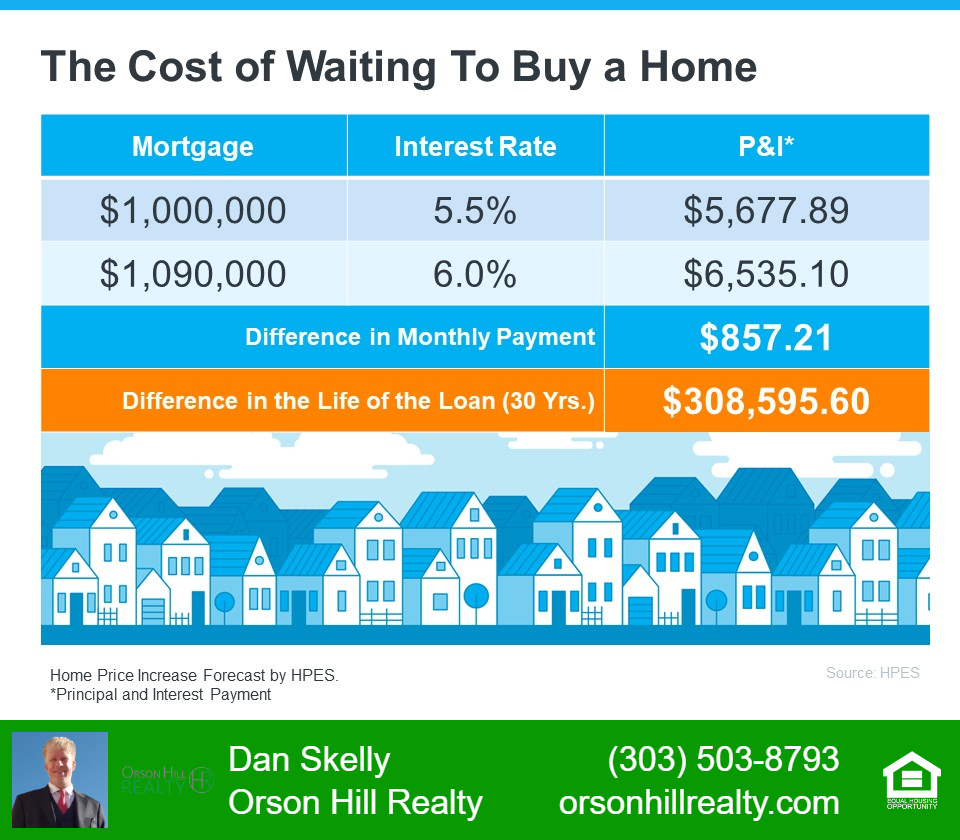
For those looking to buy, understanding the relationship between rates and affordability is key. A rise of even 0.5% in mortgage rates can significantly increase monthly payments and reduce the maximum loan amount one can qualify for.
- Get Pre-Approved: This gives you a clear understanding of what you can afford and locks in a rate for a specified period (typically 30-90 days), protecting you from short-term rate increases.
- Save a Larger Down Payment: A larger down payment reduces the loan amount, thereby mitigating the impact of higher interest rates on your monthly payment. It also reduces your loan-to-value ratio, potentially qualifying you for a better rate.
- Improve Your Credit Score: A higher credit score signals lower risk to lenders, often translating into more favorable interest rates.
- Consider an ARM (Adjustable-Rate Mortgage) with Caution: While fixed-rate mortgages offer stability, ARMs typically start with lower introductory rates. If you plan to sell or refinance before the adjustable period begins, or if you expect rates to fall significantly, an ARM might be an option, but carries the risk of higher payments later.
- Be Flexible with Your Budget and Location: Expanding your search criteria to include slightly less competitive areas or adjusting your desired home size can open up more affordable options.
For Current Homeowners: Refinancing Considerations
Current homeowners with higher rates may wonder if refinancing is in their future.
- Monitor Rates Regularly: Keep an eye on market trends. Even a modest dip in rates could make refinancing worthwhile, especially if your current rate is significantly higher. Use online tools and consult with lenders.
- Break-Even Analysis: Calculate the closing costs of a refinance and determine how long it will take for the monthly savings to offset these costs. If you plan to stay in your home beyond that break-even point, refinancing could be beneficial.
- Consider a Cash-Out Refinance Strategically: If rates drop, a cash-out refinance could allow you to tap into your home equity at a lower interest rate, but ensure the funds are used for productive purposes (e.g., home improvements, debt consolidation at a higher interest rate) rather than discretionary spending.
- Evaluate an ARM-to-Fixed Refinance: If you currently have an ARM and rates are stable or projected to rise, refinancing into a fixed-rate mortgage can lock in predictability.
The Importance of Financial Health and Preparedness
In any economic climate, strong personal financial health provides a buffer against market fluctuations. This includes maintaining a robust emergency fund, minimizing high-interest debt, and consistently saving. Being prepared allows you to react strategically to market changes rather than being forced into decisions.
Long-Term Outlook and Future Considerations
Beyond the near-term forecasts, it’s worth considering broader, structural shifts that could influence mortgage rates over the longer horizon.
Structural Shifts in the Economy
Demographic trends, such as an aging population or changing household formation patterns, can impact housing demand and, by extension, mortgage rates. Global economic rebalancing, shifts in trade relationships, and the ongoing debate around national debt levels could also have profound, long-lasting effects on interest rates. The long-term productivity growth of an economy is also a critical factor; higher productivity often allows for higher real interest rates without stifling growth.
Technological Advancements in Lending
The mortgage industry is increasingly leveraging technology, from AI-powered underwriting to blockchain-enabled processes. These innovations have the potential to streamline loan origination, reduce operational costs for lenders, and potentially lead to more competitive rates for consumers due to increased efficiency and transparency. Digital platforms can also make comparing rates and finding the best deal much easier.

Adapting to New Realities
The era of consistently ultra-low mortgage rates may be behind us for the foreseeable future. Borrowers may need to adapt to a “new normal” where rates are higher than those seen during the post-2008 financial crisis period. This means a renewed focus on budgeting, financial planning, and understanding how to maximize affordability in a different rate environment. Education and continuous learning about personal finance and market dynamics will be invaluable tools for navigating these evolving realities.
In conclusion, “what are mortgage rates going to do?” is a question with no simple answer, but one that can be approached with greater confidence through understanding. They are influenced by a complex web of economic indicators, central bank policies, and market sentiment. While the immediate future points to continued sensitivity to inflation and monetary policy, the long-term outlook will also be shaped by structural economic shifts and technological advancements. By staying informed, preparing financially, and strategically evaluating their options, both prospective buyers and current homeowners can navigate the dynamic landscape of mortgage rates effectively, positioning themselves for financial success regardless of market fluctuations.
aViewFromTheCave is a participant in the Amazon Services LLC Associates Program, an affiliate advertising program designed to provide a means for sites to earn advertising fees by advertising and linking to Amazon.com. Amazon, the Amazon logo, AmazonSupply, and the AmazonSupply logo are trademarks of Amazon.com, Inc. or its affiliates. As an Amazon Associate we earn affiliate commissions from qualifying purchases.