
Navigating the dynamic landscape of mortgage rates is a critical step for anyone looking to buy a home in California, whether you’re a first-time buyer or a seasoned investor. The Golden State’s real estate market is notoriously competitive and often operates with its own unique set of influences, making an understanding of current mortgage rates not just beneficial, but essential. While specific rates fluctuate daily, even hourly, due to a myriad of economic factors, this article aims to demystify the components that drive these numbers, explain where to find the most accurate information, and equip you with strategies to secure the most favorable terms for your California dream home.

Understanding Mortgage Rates: The Fundamentals for California Homebuyers
Before diving into the specifics of California, it’s crucial to grasp the basic mechanics of mortgage rates. A mortgage rate is essentially the cost of borrowing money to purchase a home, expressed as a percentage of the loan amount. This rate directly impacts your monthly mortgage payment and the total cost of your home over the life of the loan.
Fixed-Rate vs. Adjustable-Rate Mortgages
The first fundamental choice you’ll encounter is between a fixed-rate mortgage (FRM) and an adjustable-rate mortgage (ARM).
- Fixed-Rate Mortgages: As the name suggests, the interest rate on an FRM remains constant for the entire duration of the loan, typically 15 or 30 years. This offers predictability and stability in your monthly payments, making budgeting easier. In an environment where rates are expected to rise, an FRM can provide long-term security. The 30-year fixed-rate mortgage is the most popular choice for homebuyers in California and across the U.S.
- Adjustable-Rate Mortgages: An ARM features an initial fixed-rate period (e.g., 5, 7, or 10 years), after which the rate adjusts periodically based on a predetermined index plus a margin. ARMs often start with a lower interest rate than FRMs, which can be appealing for buyers planning to sell or refinance before the fixed period ends. However, they introduce the risk of higher payments if interest rates increase in the future. Given California’s high property values, the initial lower payments of an ARM can sometimes allow buyers to qualify for larger loans, but the long-term risk needs careful consideration.
Key Factors Influencing Rates
Mortgage rates are not set in a vacuum. They are influenced by a complex interplay of economic indicators, both national and global:
- Federal Reserve Policy: While the Fed doesn’t directly set mortgage rates, its actions, particularly regarding the federal funds rate, significantly impact the broader interest rate environment. When the Fed raises its target rate, it tends to push other interest rates, including mortgage rates, higher.
- Inflation: Lenders account for inflation when setting rates. If inflation is expected to rise, lenders will demand higher interest rates to compensate for the reduced purchasing power of future repayments.
- Economic Growth: A strong economy often correlates with higher interest rates as demand for credit increases. Conversely, economic slowdowns can lead to lower rates as central banks try to stimulate borrowing and spending.
- Bond Market Performance: Mortgage rates are closely tied to the yields on U.S. Treasury bonds, particularly the 10-year Treasury note. When bond yields rise, mortgage rates generally follow suit.
- Housing Market Conditions: Supply and demand dynamics within the housing market can also have a localized impact. In high-demand markets like many parts of California, lenders may still offer competitive rates to attract buyers, but the overall economic environment remains the primary driver.
The Role of Credit Scores and Down Payments
Beyond macroeconomic factors, your personal financial profile plays a substantial role in the mortgage rate you’re offered:
- Credit Score: A higher credit score (generally FICO scores above 740) signals to lenders that you are a responsible borrower, often qualifying you for the lowest available interest rates. Lower scores indicate higher risk, leading to higher rates.
- Down Payment: A larger down payment reduces the loan-to-value (LTV) ratio, meaning you’re borrowing a smaller percentage of the home’s value. This decreases the lender’s risk and can result in a more favorable interest rate. Lenders often view a down payment of 20% or more as ideal.
- Debt-to-Income (DTI) Ratio: This ratio compares your total monthly debt payments to your gross monthly income. A lower DTI indicates that you have more disposable income to cover your mortgage payments, making you a less risky borrower.
Navigating California’s Unique Housing Market
California’s housing market is distinct due to its high property values, diverse regional economies, and dense populations. These characteristics subtly influence how mortgage rates are perceived and applied within the state.
Regional Variations in Property Values and Loan Limits
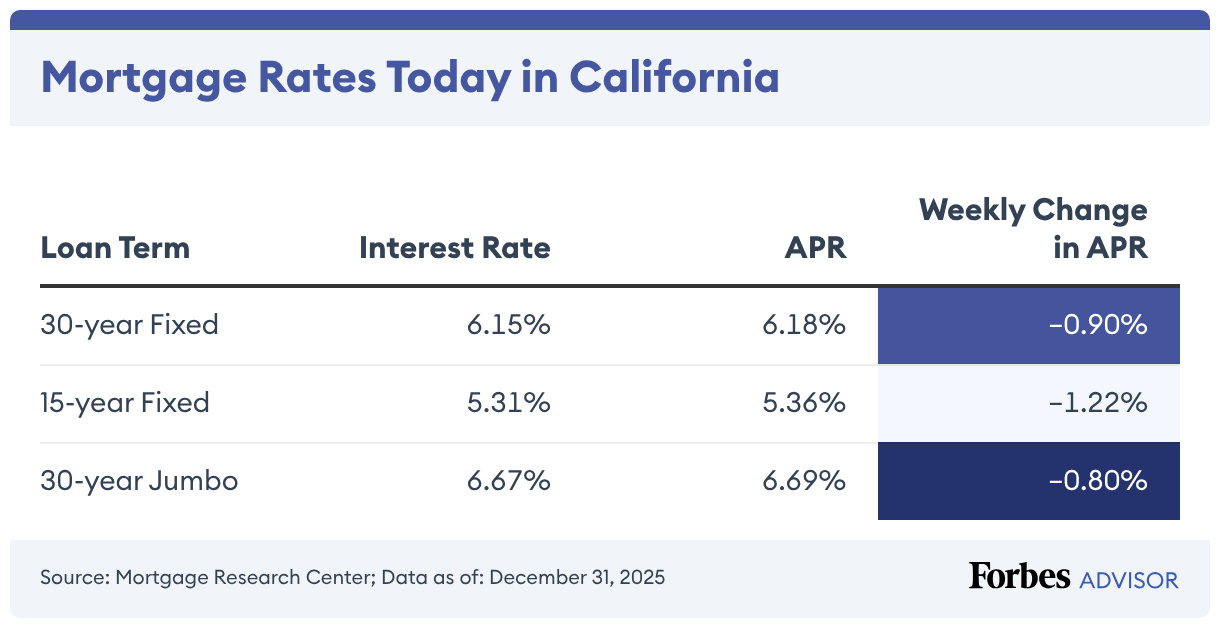
While the base mortgage rates are largely national, California’s exceptionally high property values mean that many loans fall into the “jumbo” loan category.
- Conforming Loan Limits: Most standard mortgages are “conforming loans,” meaning they adhere to limits set by the Federal Housing Finance Agency (FHFA) for loans that can be purchased by Fannie Mae and Freddie Mac. In California, due to its high-cost areas, the conforming loan limits are significantly higher than the national standard. For example, in 2024, the conforming loan limit in many high-cost California counties exceeds $1 million, compared to a baseline national limit of around $766,550.
- Jumbo Loans: Mortgages that exceed these conforming loan limits are known as jumbo loans. These typically come with stricter underwriting requirements and can sometimes carry slightly higher interest rates than conforming loans, although this can vary based on market conditions and the borrower’s financial strength. California’s market often sees a higher proportion of jumbo loans compared to other states.
Impact of State-Specific Programs and Regulations
California also offers various state-specific programs designed to assist homebuyers, which can indirectly affect the effective cost of a mortgage.
- First-Time Homebuyer Programs: Agencies like CalHFA (California Housing Finance Agency) offer programs with down payment assistance, closing cost assistance, and favorable loan terms, often paired with competitive interest rates. While they don’t directly change the market rate, they can make homeownership more accessible and affordable for eligible buyers.
- Property Tax Considerations: California’s Proposition 13 limits property tax increases, providing some long-term stability in one component of homeownership costs. However, initial property taxes on newly purchased homes can be substantial, impacting the overall monthly housing expense that lenders consider.
The Supply and Demand Dynamic
California’s enduring appeal, coupled with housing supply shortages in many areas, contributes to sustained high demand. While this doesn’t directly dictate interest rates, it means that even with slight rate fluctuations, the competitive nature of the market can push home prices higher, requiring larger loan amounts and emphasizing the importance of securing the best possible rate.
Where to Find the Most Accurate Rate Information
Given the constant flux of mortgage rates, knowing where to look for reliable, up-to-the-minute information is crucial.
Online Lenders and Comparison Tools
The digital age has revolutionized how consumers shop for mortgages.
- Online Lenders: Companies like Rocket Mortgage, Better.com, and numerous others operate primarily online, often streamlining the application process and providing instant rate quotes based on your entered information. They can be very competitive and transparent with their pricing.
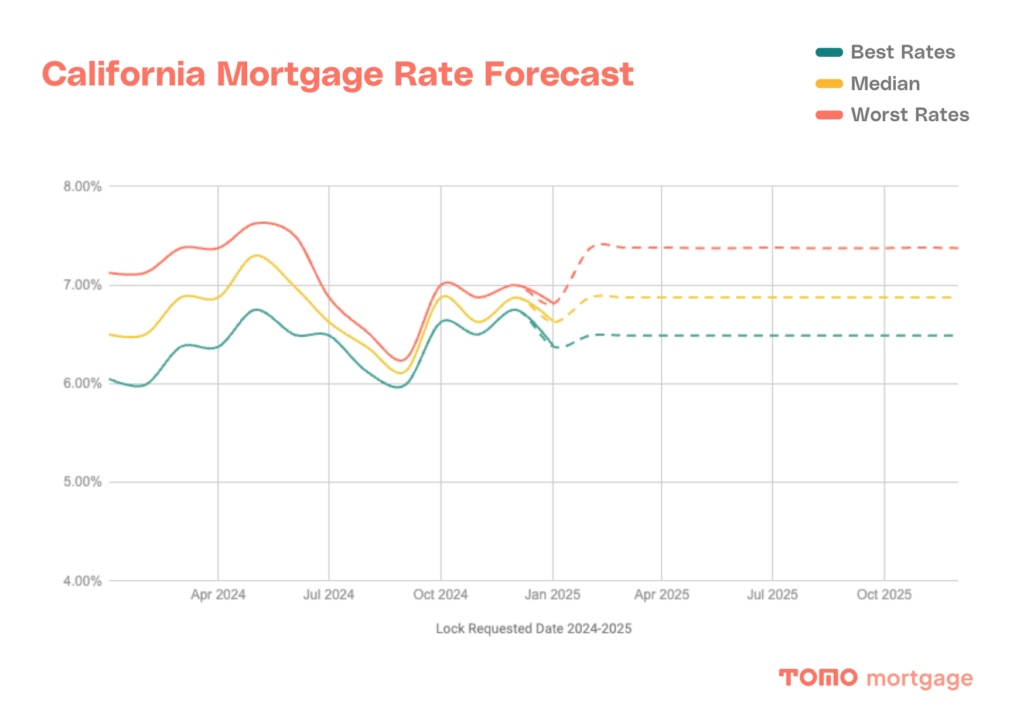
- Comparison Websites: Websites like Bankrate, Zillow Mortgages, and LendingTree allow you to input your financial details and quickly compare rate offers from multiple lenders, often within minutes. These platforms are excellent for getting a broad overview of what’s available and identifying potentially competitive lenders.
Traditional Banks and Credit Unions
While online options are popular, don’t overlook traditional financial institutions.
- Major Banks: Large national banks (e.g., Chase, Wells Fargo, Bank of America) offer a full suite of mortgage products and may provide benefits to existing customers. They have extensive branch networks if you prefer in-person consultation.
- Local Banks and Credit Unions: These institutions often have a strong understanding of local market conditions and may offer more personalized service. Credit unions, in particular, are member-owned and can sometimes offer slightly better rates or more flexible terms due to their non-profit structure.
Mortgage Brokers: Their Value Proposition
A mortgage broker acts as an intermediary between you and various lenders.
- Access to Multiple Lenders: Brokers work with a network of lenders, including those you might not find on your own. They can shop around on your behalf to find the best rates and terms that fit your specific financial situation.
- Expert Guidance: A good broker can provide invaluable advice on different loan products, help you navigate complex underwriting requirements, and assist with paperwork, saving you time and potentially money. They earn a commission, usually paid by the lender, so it’s important to understand their fee structure.
Strategies for Securing the Best Mortgage Rate
Finding the “current mortgage rates” is just the first step. The goal is to secure the best possible rate for your individual circumstances.
Improving Your Financial Profile
Before you even start seriously shopping for a loan, optimize your financial health.
- Boost Your Credit Score: Pay bills on time, reduce credit card balances, and avoid opening new lines of credit. A higher score translates directly to lower rates.
- Reduce Your Debt-to-Income Ratio: Pay down existing debts, especially high-interest ones, to improve your DTI.
- Save for a Larger Down Payment: As discussed, a larger down payment reduces risk for lenders and can unlock better rates. Even an extra few percentage points can make a difference.
Shopping Around and Getting Multiple Quotes
This is perhaps the most crucial strategy. Never settle for the first offer you receive.
- Compare at Least 3-5 Lenders: Get official loan estimates from several different lenders (online, traditional, and potentially a broker). This allows you to directly compare not just the interest rate, but also closing costs, fees, and points.
- Understand the Loan Estimate: The Consumer Financial Protection Bureau (CFPB) provides a standardized Loan Estimate form that makes comparing offers much easier. Pay close attention to the interest rate, APR (Annual Percentage Rate, which includes fees), and specific closing costs.
Locking In Your Rate: Timing is Everything
Once you’ve identified a favorable rate and chosen a lender, you’ll want to “lock” that rate.
- What is a Rate Lock? A rate lock guarantees the interest rate for a specific period (e.g., 30, 45, or 60 days) while your loan application is processed. This protects you from rate increases during that time.
- When to Lock: Timing a rate lock is an art, not a science. If rates are trending upwards, an early lock is beneficial. If they are falling, you might wait. Your loan officer can provide guidance. Be aware that extending a rate lock can incur a fee.
Beyond the Rate: Other Costs to Consider
While the interest rate is central, it’s vital to remember that it’s only one component of the total cost of homeownership in California.
Closing Costs and Lender Fees
These are fees paid at the close of a real estate transaction.
- Lender Origination Fees: What the lender charges for processing the loan.
- Appraisal and Underwriting Fees: Costs associated with valuing the home and processing your application.
- Title Insurance and Escrow Fees: Costs for ensuring a clear title and managing the closing process. In California, closing costs can be substantial, often ranging from 2% to 5% of the loan amount, if not more, depending on the county and specific services.
Property Taxes and Homeowner’s Insurance
These are ongoing costs that are typically escrowed with your mortgage payments.
- Property Taxes: In California, property taxes are generally 1% of the assessed value at the time of purchase, plus any local levies or bonds. Given California’s high home values, this can be a significant monthly expense.
- Homeowner’s Insurance: Essential for protecting your investment against damage, theft, and liability. Premiums can vary based on the home’s location (e.g., fire-prone areas), age, and construction.
Mortgage Insurance (PMI/MIP)
If your down payment is less than 20% of the home’s purchase price, you will likely need to pay for mortgage insurance.
- Private Mortgage Insurance (PMI): For conventional loans, PMI is typically added to your monthly payment until you build sufficient equity (usually 20%).
- FHA Mortgage Insurance Premium (MIP): For FHA loans, both an upfront and annual MIP are required, regardless of the down payment amount, and often for the life of the loan.
In conclusion, understanding current mortgage rates in California requires a blend of national economic awareness and an appreciation for the state’s unique market characteristics. By familiarizing yourself with loan types, the factors influencing rates, and where to diligently shop for offers, you can empower yourself to make informed financial decisions and take a confident step towards homeownership in the Golden State. Remember that rates are highly personalized; what’s “current” for someone else might not be what’s available to you without careful preparation and comparison.
aViewFromTheCave is a participant in the Amazon Services LLC Associates Program, an affiliate advertising program designed to provide a means for sites to earn advertising fees by advertising and linking to Amazon.com. Amazon, the Amazon logo, AmazonSupply, and the AmazonSupply logo are trademarks of Amazon.com, Inc. or its affiliates. As an Amazon Associate we earn affiliate commissions from qualifying purchases.