
In the intricate world of personal finance and homeownership, the 15-year fixed-rate mortgage stands as a compelling option for many prospective and current homeowners. Unlike its more common 30-year counterpart, the 15-year term promises a faster path to debt freedom, often coupled with significant interest savings. However, understanding “what the mortgage rate is for 15 years” isn’t a simple matter of looking up a single number. These rates are dynamic, influenced by a confluence of economic factors, individual borrower profiles, and market sentiment. This comprehensive guide aims to demystify the 15-year mortgage rate, exploring what drives it, how to secure the best terms, and whether this accelerated repayment strategy aligns with your financial aspirations.
Understanding the 15-Year Fixed-Rate Mortgage Landscape
The 15-year fixed-rate mortgage has carved out a unique and attractive niche in the mortgage market. It offers a blend of stability and efficiency that appeals to financially disciplined borrowers. Delving into its landscape reveals the core principles that make it both desirable and distinct.
The Allure of Shorter Terms: Why 15-Year Mortgages Are Popular
The primary draw of a 15-year mortgage lies in its accelerated repayment schedule. By compressing 30 years of payments into half the time, borrowers not only pay off their homes sooner but also incur substantially less interest over the life of the loan. This means a significant portion of each payment goes directly towards the principal balance, building equity at a much faster pace. For individuals nearing retirement or those with stable, higher incomes, the prospect of being mortgage-free earlier can be incredibly appealing, offering enhanced financial freedom and peace of mind. It’s a strategic move for those who prioritize long-term savings and want to eliminate their largest monthly expense sooner rather than later.
Key Factors Influencing Rates: What Drives Current Rates
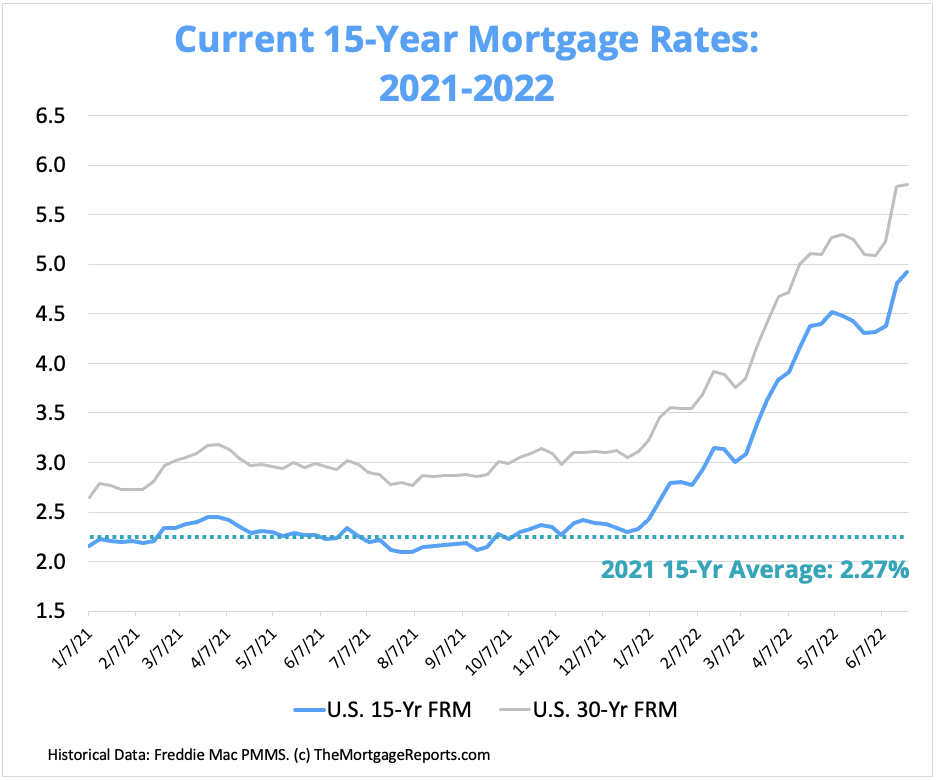
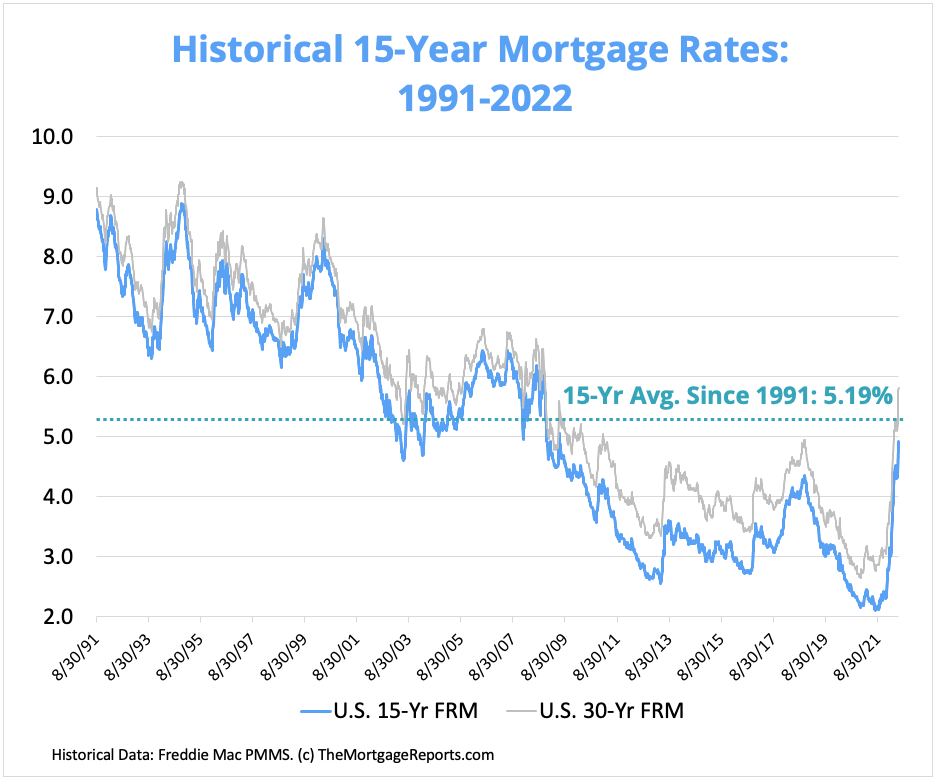
Mortgage rates, including those for 15-year terms, are not static; they are a direct reflection of the broader economic environment. Several critical factors dictate their movement. The Federal Reserve’s monetary policy, particularly its stance on interest rates, plays a significant role. While the Fed doesn’t directly set mortgage rates, its actions influence the federal funds rate, which in turn impacts the cost of borrowing for banks. Inflation expectations are another major driver; if lenders anticipate higher inflation, they demand higher rates to ensure their returns aren’t eroded. The yield on U.S. Treasury bonds, especially the 10-year Treasury note, often serves as a benchmark for long-term fixed mortgage rates. Economic growth, employment data, and global financial events also contribute to the daily fluctuations seen in mortgage rates, making it essential to monitor these indicators for optimal timing.
Distinguishing Fixed vs. Adjustable Rates: Why Fixed Is Often Preferred for 15-Year
While both fixed-rate and adjustable-rate mortgages (ARMs) exist, the 15-year term is almost exclusively associated with fixed rates. A fixed-rate mortgage guarantees that your interest rate and, consequently, your principal and interest payment, will remain the same for the entire 15-year duration of the loan. This predictability is a cornerstone of financial planning, shielding borrowers from potential rate hikes in the future. In contrast, ARMs feature an interest rate that can change periodically after an initial fixed period, introducing an element of uncertainty. For a relatively short 15-year term where the goal is rapid debt reduction and stability, the unwavering nature of a fixed rate is overwhelmingly preferred, allowing borrowers to budget precisely and focus on their accelerated repayment goal without fear of unexpected payment increases.
Current Trends and How to Find the Best Rates
Navigating the mortgage market to secure the best 15-year rate requires diligence, an understanding of current trends, and a proactive approach. Rates can fluctuate daily, making timely decision-making crucial.
Analyzing Market Indicators: How to Interpret Economic News for Rate Predictions
Staying informed about economic news is paramount. Reports on inflation, employment figures (like the unemployment rate and non-farm payrolls), GDP growth, and the Federal Reserve’s announcements regarding interest rates (e.g., FOMC meetings) all provide clues about the likely direction of mortgage rates. A strong economy with rising inflation often pushes rates higher, as lenders anticipate a need for greater returns. Conversely, signs of economic slowdown or uncertainty might lead to lower rates as investors seek the safety of bonds, which indirectly lowers mortgage rates. Learning to interpret these indicators, perhaps by following reputable financial news sources or engaging with a knowledgeable mortgage professional, can help you gauge the opportune moment to lock in a rate.
The Impact of Credit Score: Why a Good Score Is Paramount
Your credit score is arguably the most significant personal factor influencing the mortgage rate you’ll be offered. Lenders use credit scores to assess your creditworthiness and the likelihood of you repaying your loan. A higher credit score (generally FICO scores above 740-760) signals a lower risk to lenders, which translates into access to the most competitive interest rates. Conversely, a lower credit score will result in higher rates, as lenders compensate for the increased risk. Before applying for a mortgage, it is highly advisable to review your credit report for inaccuracies and take steps to improve your score if needed, as even a small improvement can lead to substantial interest savings over the life of a 15-year loan.
Shopping Around for Lenders: The Importance of Comparing Offers
Many borrowers make the mistake of accepting the first mortgage offer they receive. However, different lenders — including traditional banks, credit unions, and online mortgage brokers — have varying overhead costs, risk appetites, and pricing models. This means that for the exact same borrower and loan amount, rates and fees can differ significantly from one lender to another. It is essential to shop around and obtain quotes from at least three to five different lenders. Pay close attention not just to the interest rate, but also to the Annual Percentage Rate (APR), which reflects the total cost of the loan including fees. Using a standardized loan estimate form, which lenders are required to provide, makes direct comparisons much easier. This comparative shopping can save you thousands of dollars over the mortgage term.
Understanding APR vs. Interest Rate: What Each Means for Your Total Cost
While often used interchangeably, the interest rate and the Annual Percentage Rate (APR) are distinct and crucial metrics. The interest rate is the percentage of the principal charged by the lender for the use of borrowed money, typically expressed as an annual rate. It’s the primary factor in calculating your monthly principal and interest payment. The APR, on the other hand, represents the total cost of borrowing over the loan term, expressed as an annual percentage. It includes the interest rate plus other costs associated with the loan, such as origination fees, discount points, and some closing costs. When comparing mortgage offers, the APR provides a more accurate picture of the true cost of the loan, allowing for a more informed decision about which offer is truly “better.” A lower interest rate with high fees might result in a higher APR than a slightly higher interest rate with fewer fees.
The Financial Advantages of a 15-Year Mortgage
Opting for a 15-year mortgage is a significant financial decision, predominantly driven by a desire for accelerated wealth building and reduced debt burden. The advantages, particularly from a long-term financial perspective, are substantial and compelling.
Significant Interest Savings Over Time
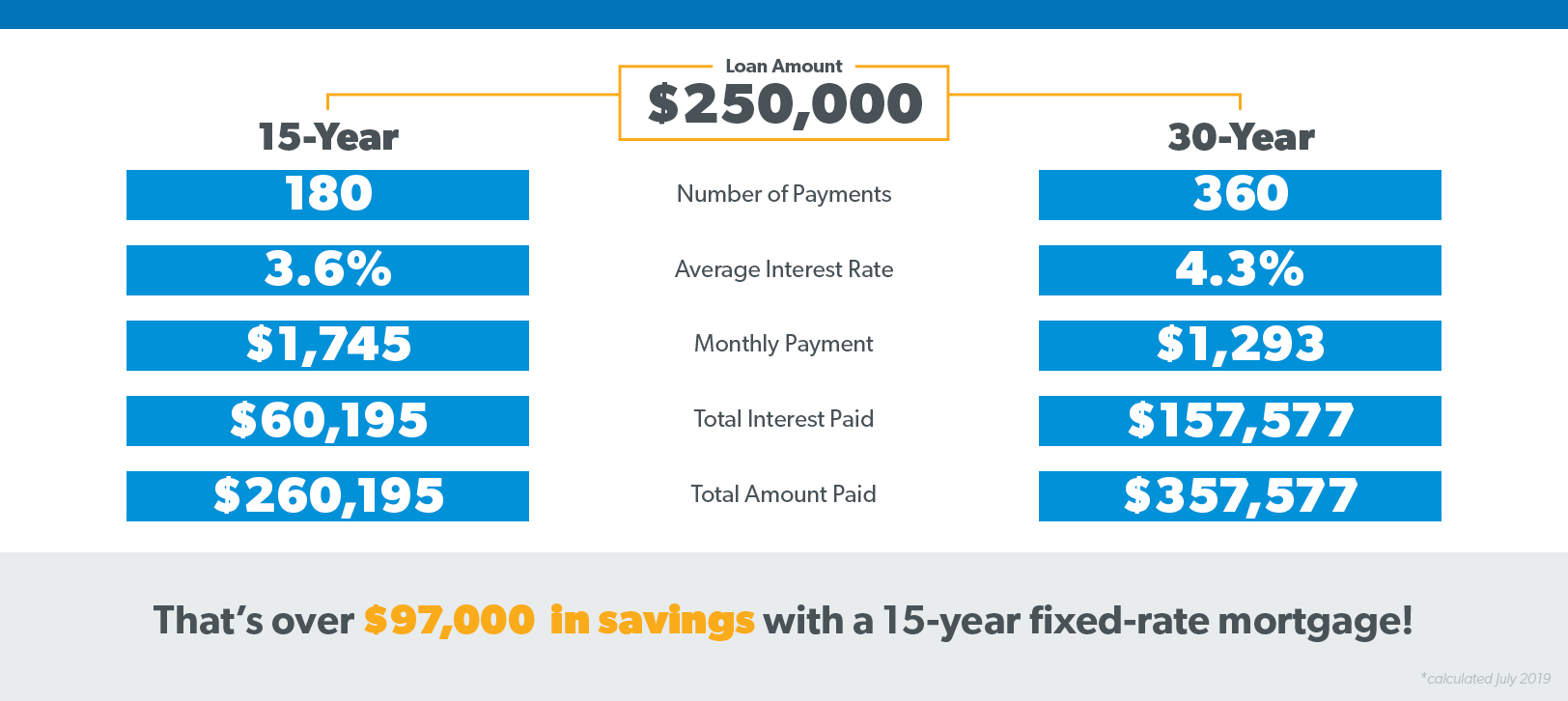
The most prominent financial benefit of a 15-year mortgage is the dramatic reduction in the total interest paid over the life of the loan. Because the principal is paid down much faster, and the loan term is half that of a 30-year mortgage, the cumulative interest charges are significantly lower. While the monthly payments are higher, the overall cost of homeownership decreases substantially. For instance, a $300,000 mortgage at 6.0% for 30 years would accrue over $347,000 in interest, whereas the same loan at 5.5% (typically 15-year rates are slightly lower) for 15 years would accrue around $147,000 in interest – a savings of approximately $200,000. This substantial difference frees up capital that can be redirected towards other financial goals or investments.
Faster Equity Build-Up
With a 15-year mortgage, a larger portion of each monthly payment is allocated to the principal, leading to a much faster accumulation of home equity. Equity is the portion of your home that you truly own, free and clear of the mortgage. Rapid equity build-up provides several benefits: it increases your net worth, provides a potential source of funds through home equity loans or lines of credit (though caution is advised), and acts as a financial buffer. Should you need to sell your home, having substantial equity means you’ll walk away with more cash, offering greater financial flexibility and security.
Lower Total Cost of Ownership
Beyond the interest savings, the faster repayment schedule inherently leads to a lower total cost of homeownership. While property taxes and homeowners insurance remain constants, the mortgage interest component, which is a significant portion of the overall cost, is minimized. This means that by choosing a 15-year term, you are essentially buying your home for less money in the long run. This efficiency in payment directly contributes to a stronger financial position, allowing you to allocate resources elsewhere after the mortgage is paid off.
Financial Discipline and Peace of Mind
From a behavioral finance perspective, a 15-year mortgage fosters greater financial discipline. The higher monthly payment necessitates stricter budgeting and spending habits, which can have positive ripple effects across your entire financial life. Furthermore, the knowledge that you will be mortgage-free in a relatively short period provides immense peace of mind. Eliminating your largest monthly expense can significantly reduce financial stress, freeing up your income for retirement savings, education funding, travel, or simply enjoying a higher quality of life without the burden of a mortgage payment.
Weighing the Trade-offs: Is a 15-Year Mortgage Right for You?
While the benefits of a 15-year mortgage are compelling, it’s crucial to acknowledge the trade-offs. This financing option isn’t suitable for everyone, and a thorough assessment of your personal financial situation is essential.
Higher Monthly Payments: The Primary Challenge
The most immediate and significant trade-off of a 15-year mortgage is the higher monthly payment compared to a 30-year loan for the same principal amount. While the interest rate on a 15-year mortgage is typically lower, the compressed repayment schedule means you’re paying off the principal at twice the rate. This higher monthly obligation can strain budgets, especially for those with fluctuating incomes or other significant financial commitments. It’s critical to perform a detailed budget analysis to ensure that the increased payment is comfortably affordable, leaving room for emergencies and other savings goals, rather than stretching your finances to the breaking point.
Impact on Monthly Cash Flow: Budgeting Considerations
The elevated monthly payment of a 15-year mortgage directly impacts your monthly cash flow. Less disposable income might mean less flexibility for discretionary spending, unexpected expenses, or other investments. While the long-term savings are appealing, a tight monthly budget can lead to financial stress if not managed carefully. Borrowers must consider their current and projected income, job security, and other recurring expenses before committing to a higher payment. The goal is to find a balance between accelerating debt repayment and maintaining a comfortable standard of living with adequate liquidity.
Opportunity Cost of Funds: Alternative Investments vs. Mortgage Paydown
Another critical consideration is the opportunity cost. By dedicating more money to your mortgage each month, you might be sacrificing other potential investment opportunities. Historically, the stock market has offered higher average annual returns than typical mortgage interest rates, especially when inflation is factored in. For some, investing the difference between a 30-year and 15-year mortgage payment into a diversified investment portfolio could potentially yield greater long-term wealth, particularly if their mortgage rate is relatively low. This decision hinges on your risk tolerance, investment knowledge, and other financial goals. Paying down a mortgage is a guaranteed return (equal to the interest rate saved), whereas market investments carry risk.
When a 30-Year Might Be Better: Flexibility, Lower Payments, Investment Potential
A 30-year mortgage offers greater financial flexibility due to its lower monthly payments. This can be particularly advantageous for first-time homebuyers, those with lower incomes, or individuals who prefer to keep more cash liquid for other purposes. The lower payment frees up funds that can be used for emergencies, contributing to retirement accounts (especially if an employer match is available), investing in higher-return assets, or simply maintaining a more comfortable lifestyle. While it incurs more interest over time, the option to make extra principal payments when financially feasible can mimic the benefits of a 15-year mortgage without the mandatory higher payment, offering the best of both worlds for many.
Navigating the Application Process and Beyond
Once you’ve decided that a 15-year mortgage is the right fit, understanding the application process and what comes after is crucial for a smooth journey to homeownership.
Required Documentation: Income, Assets, Credit, Property
To apply for a 15-year mortgage, lenders will require a comprehensive set of documents to verify your financial standing. This typically includes proof of income (pay stubs, W-2s, tax returns for the past two years), asset statements (bank accounts, investment accounts), credit reports and scores, and information about the property you intend to purchase (purchase agreement, appraisal report). For self-employed individuals, the documentation requirements can be more extensive. Being organized and having these documents readily available will streamline the application process and help avoid delays.
Closing Costs Explained: What to Expect Beyond the Principal and Interest
Closing costs are an array of fees charged by lenders and third parties at the close of a mortgage transaction. These costs are separate from your principal and interest payments and can amount to 2% to 5% of the loan amount. They include origination fees, appraisal fees, title insurance, attorney fees, recording fees, and sometimes discount points (fees paid to lower the interest rate). It’s vital to understand these costs, as they can significantly impact the total cash required at closing. Lenders are legally required to provide a Loan Estimate, detailing all closing costs, allowing you to compare and negotiate if possible.
Refinancing Options: When to Consider a Refinance
Even after securing a 15-year mortgage, market conditions can change, potentially creating opportunities for refinancing. Refinancing involves replacing your existing mortgage with a new one, often to secure a lower interest rate, reduce your monthly payment, or change the loan term. For example, if interest rates drop significantly after you’ve taken out your original loan, refinancing into another 15-year mortgage at a lower rate could further reduce your total interest paid and monthly payment. However, refinancing incurs new closing costs, so it’s essential to calculate whether the savings outweigh these upfront expenses.
Post-Mortgage Financial Planning: What to Do After Paying Off the Home
Achieving a mortgage-free status with a 15-year loan is a monumental financial accomplishment. It opens up new avenues for financial planning. With a significant portion of your income no longer tied to mortgage payments, you can redirect these funds towards aggressive retirement savings, investing in other assets, funding children’s education, or pursuing philanthropic endeavors. Many choose to build a substantial emergency fund, knowing they have eliminated their largest monthly expense. This newfound financial freedom should be strategically managed to maximize long-term wealth accumulation and achieve further life goals, ensuring the discipline fostered by the 15-year mortgage continues to benefit your financial future.
aViewFromTheCave is a participant in the Amazon Services LLC Associates Program, an affiliate advertising program designed to provide a means for sites to earn advertising fees by advertising and linking to Amazon.com. Amazon, the Amazon logo, AmazonSupply, and the AmazonSupply logo are trademarks of Amazon.com, Inc. or its affiliates. As an Amazon Associate we earn affiliate commissions from qualifying purchases.