
The question “what is the current loan interest rate?” is deceptively simple, yet its answer is anything but. In reality, there isn’t a single, universal “current loan interest rate.” Instead, the financial landscape is a dynamic tapestry woven with myriad rates, each influenced by a complex interplay of economic forces, individual borrower profiles, and the specific type of loan being sought. For individuals and businesses alike, understanding these nuances is paramount to making informed financial decisions, securing favorable terms, and ultimately, achieving their financial goals.
This article aims to demystify the current state of loan interest rates, dissecting the factors that drive them, examining rates across various loan categories, and providing actionable strategies for borrowers to navigate this ever-changing environment. By the end, you will have a comprehensive understanding of how to approach the quest for the most advantageous interest rates available today.
Understanding the Landscape of Loan Interest Rates
To grasp “current loan interest rates,” one must first appreciate the foundational elements that shape them. These rates are not arbitrary figures but rather reflections of broader economic conditions and specific risk assessments.
The Federal Reserve’s Influence and Benchmark Rates
At the heart of the U.S. financial system lies the Federal Reserve (the Fed), the nation’s central bank. One of its primary tools for influencing the economy is monetary policy, largely executed through adjustments to the federal funds rate. This is the target rate that banks charge each other for overnight borrowing. While not a direct consumer rate, changes in the federal funds rate ripple throughout the entire financial system.
When the Fed raises the federal funds rate, it generally makes borrowing more expensive for banks, which then pass these higher costs on to consumers and businesses in the form of higher interest rates on loans such, as mortgages, credit cards, and auto loans. Conversely, when the Fed lowers the rate, borrowing becomes cheaper, stimulating economic activity. Thus, the Fed’s stance on monetary policy — whether it’s tightening to combat inflation or loosening to spur growth — is a critical indicator for future interest rate movements. Other benchmark rates, like the Prime Rate (often tied to the federal funds rate and used for many consumer and business loans) and the Secured Overnight Financing Rate (SOFR, replacing LIBOR for many variable-rate instruments), also play significant roles in setting loan costs.
Key Factors Determining Your Rate
Beyond the macroeconomic forces, several specific factors directly impact the interest rate an individual borrower receives. Lenders assess these to gauge the risk associated with lending to you.
- Credit Score: This three-digit number is arguably the most critical factor. A higher credit score (typically 720 and above) signals to lenders that you are a responsible borrower with a history of timely payments, making you less risky and eligible for lower interest rates. Conversely, a lower score will result in higher rates to compensate the lender for increased risk.
- Debt-to-Income (DTI) Ratio: Your DTI compares your total monthly debt payments to your gross monthly income. A low DTI indicates you have sufficient income to manage additional debt, making you a more attractive borrower. Lenders typically prefer DTI ratios below 43%, though this can vary by loan type.
- Loan Term: The length of the loan significantly affects the interest rate. Shorter-term loans often come with lower interest rates because the lender’s money is tied up for less time, reducing their exposure to risk. Longer terms, while offering lower monthly payments, usually carry higher interest rates over the life of the loan.
- Loan Type: Different types of loans inherently carry different risk profiles for lenders, leading to varying interest rates. For instance, a secured loan (like a mortgage or auto loan, backed by collateral) generally has a lower interest rate than an unsecured personal loan or credit card debt.
- Economic Environment: Beyond the Fed’s direct influence, broader economic health impacts rates. A robust economy with strong demand for credit can push rates up, while a struggling economy might see rates fall as lenders compete for fewer qualified borrowers.
- Down Payment/Equity: For secured loans like mortgages or auto loans, a larger down payment or significant existing equity reduces the loan-to-value (LTV) ratio, signaling lower risk to the lender and potentially securing a better rate.
A Closer Look at Specific Loan Categories
Given the array of factors, it’s essential to examine current interest rates within distinct loan categories, as what’s “current” for one may be entirely different for another.
Mortgage Rates: The Cornerstone of Homeownership
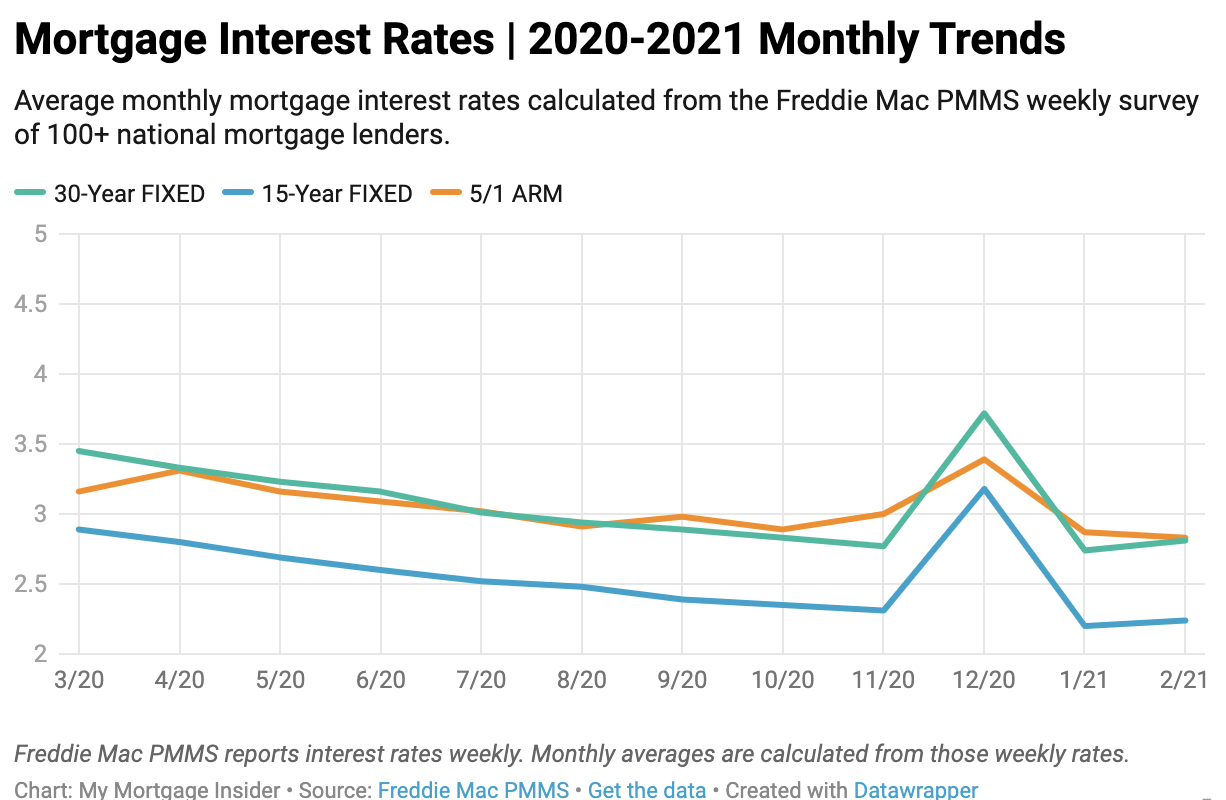
Mortgage rates are perhaps the most closely watched by the general public, given their profound impact on housing affordability. These rates are heavily influenced by the bond market, particularly the yield on 10-year U.S. Treasury notes, as well as inflation expectations and the Federal Reserve’s actions.
- Fixed-Rate Mortgages: Offer stability with an interest rate that remains constant for the life of the loan (e.g., 15-year or 30-year fixed). Current rates typically fluctuate daily, reflecting market conditions, and historically vary based on the term length (15-year usually lower than 30-year).
- Adjustable-Rate Mortgages (ARMs): Start with a lower introductory rate for a set period (e.g., 5/1 or 7/1 ARM), after which the rate adjusts periodically based on a chosen index plus a margin. While initial rates can be attractive, the risk of future rate increases lies with the borrower.
Personal Loans: Flexibility and Variability
Personal loans are versatile, often used for debt consolidation, home improvements, or unexpected expenses. They can be secured (backed by collateral) or unsecured (no collateral), with unsecured being more common.
- Unsecured Personal Loans: Rates are highly dependent on the borrower’s creditworthiness. Excellent credit can secure rates in the mid-single digits, while average or poor credit might see rates soar into the double digits or even higher.
- Secured Personal Loans: By offering collateral (e.g., a savings account, CD, or vehicle), borrowers can often access lower interest rates than unsecured options, as the lender’s risk is reduced.
Auto Loans: Navigating the Drive
Auto loan rates vary based on the borrower’s credit score, the loan term, whether the car is new or used, and the lender (dealership vs. bank/credit union).
- New Car Loans: Generally carry lower interest rates due to the vehicle’s higher value and slower depreciation. Manufacturers often offer promotional low-APR financing to qualified buyers.
- Used Car Loans: Typically have higher interest rates than new car loans, reflecting the older vehicle’s higher risk of mechanical issues and faster depreciation.
- Credit Score Impact: Prime borrowers can expect rates in the low to mid-single digits, while those with subprime credit might face rates upwards of 10-20% or more.
Credit Card Interest Rates: A High-Stakes Game
Credit card interest rates, expressed as Annual Percentage Rates (APRs), are among the highest consumer loan rates. They are largely unsecured and carry significant risk for lenders.
- Purchase APR: The standard rate applied to balances carried over month-to-month. This can range widely, from mid-teens to over 30%, depending on the card and the borrower’s creditworthiness.
- Introductory APRs: Many cards offer 0% APR for an initial period (e.g., 12-18 months) on purchases or balance transfers, making them attractive for short-term financing or debt consolidation. However, the standard APR kicks in once the promotional period ends.
- Penalty APR: If you miss payments, your APR can jump significantly to a penalty rate, further escalating costs.
Student Loans: Investing in the Future

Student loan rates are critical for higher education accessibility and future financial health. They differ significantly between federal and private loans.
- Federal Student Loans: Rates are set annually by Congress and are typically fixed for the life of the loan. They are generally lower than private loans and come with more flexible repayment options and borrower protections (e.g., income-driven repayment, deferment, forbearance).
- Private Student Loans: Offered by banks and other financial institutions, these rates can be fixed or variable. They are credit-based, meaning excellent credit (often with a co-signer) is necessary to secure favorable rates. Private loan rates are often higher and offer fewer borrower protections than federal loans.
Business Loans: Fueling Growth
Business loan rates are influenced by the business’s creditworthiness (both personal and corporate), time in business, revenue, industry, and the type of loan.
- Term Loans: Can be secured or unsecured, with rates varying based on the loan’s duration and the business’s risk profile.
- Lines of Credit: Offer revolving access to funds, with interest charged only on the drawn amount. Rates are often variable and tied to the Prime Rate.
- SBA Loans: Backed by the Small Business Administration, these loans often feature lower interest rates and longer repayment terms due to the government guarantee, making them highly sought after by small businesses.
Strategies for Securing the Best Loan Interest Rates
Understanding the current rate landscape is the first step; the next is empowering yourself to secure the most favorable terms possible.
Boosting Your Creditworthiness
Your credit profile is your most potent tool. Focus on these actions:
- Pay Bills on Time, Every Time: Payment history is the most significant factor in your credit score.
- Reduce Your Debt Burden: Lowering your credit utilization ratio (the amount of credit used vs. available) can significantly improve your score.
- Avoid Opening Too Many New Accounts: Each hard inquiry can temporarily ding your score.
- Monitor Your Credit Report: Regularly check for errors and dispute any inaccuracies.
Shopping Around and Comparing Offers
Never settle for the first loan offer you receive. Lenders have different underwriting criteria and risk appetites, leading to varied offers.
- Get Multiple Quotes: Apply to several banks, credit unions, and online lenders. Most will use a “soft pull” for pre-qualification, which doesn’t harm your credit score.
- Leverage Competition: If you receive a better offer from one lender, use it as leverage to negotiate with another preferred lender.
- Consider Credit Unions: Often offer slightly better rates and more personalized service due to their member-owned structure.
Understanding Loan Terms and Fees
The interest rate is crucial, but it’s only one piece of the puzzle. The true cost of a loan is represented by its Annual Percentage Rate (APR), which includes the interest rate plus certain fees.
- Look Beyond the Rate: Ask about origination fees, application fees, closing costs, prepayment penalties, and any other charges that add to the total cost.
- Understand the APR: Compare APRs, not just interest rates, to get a true apples-to-apples comparison of loan costs.
- Read the Fine Print: Ensure you understand all terms and conditions before signing.
Refinancing Opportunities
For existing loans, especially mortgages or student loans, refinancing can be a powerful strategy when interest rates drop or your credit profile improves.
- Lower Your Interest Rate: If current rates are significantly lower than your existing loan’s rate, refinancing can save you thousands over the loan’s life.
- Change Loan Terms: Refinancing can allow you to shorten your loan term (and pay less interest overall) or lengthen it (to reduce monthly payments).
- Consolidate Debt: For high-interest debts like credit cards, a personal loan refinance can consolidate multiple payments into one with a potentially lower interest rate.
The Economic Outlook and Future Rate Trends
Interest rates are rarely static. Keeping an eye on broader economic indicators and central bank policy can help anticipate future movements.
Inflation, Economic Growth, and Central Bank Policy
- Inflation: High or persistent inflation often prompts central banks to raise interest rates to cool down the economy and bring prices under control. If inflation expectations rise, long-term rates (like mortgages) tend to increase.
- Economic Growth: A strong economy with low unemployment can lead to higher interest rates as demand for credit increases and the central bank might want to prevent overheating. A weakening economy might see rates cut to stimulate activity.
- Central Bank Communications: The Federal Reserve’s statements, meeting minutes, and projections provide invaluable clues about the future direction of interest rates. Traders and analysts scrutinize every word.

What to Watch For
Consumers and businesses should pay attention to:
- Inflation Reports: Consumer Price Index (CPI) and Personal Consumption Expenditures (PCE) are key indicators.
- Employment Data: Non-farm payrolls, unemployment rate.
- GDP Growth: Gross Domestic Product reports on economic activity.
- Federal Reserve Announcements: Especially concerning the federal funds rate and forward guidance on monetary policy.
In conclusion, “the current loan interest rate” is a moving target, influenced by global economics, national monetary policy, and individual financial health. By understanding these interconnected factors and proactively employing smart financial strategies, you can position yourself to secure the most advantageous rates, whether you’re buying a home, financing a car, funding a business, or managing personal debt. Staying informed and diligent is key to navigating this complex, yet crucial, aspect of personal and business finance.
aViewFromTheCave is a participant in the Amazon Services LLC Associates Program, an affiliate advertising program designed to provide a means for sites to earn advertising fees by advertising and linking to Amazon.com. Amazon, the Amazon logo, AmazonSupply, and the AmazonSupply logo are trademarks of Amazon.com, Inc. or its affiliates. As an Amazon Associate we earn affiliate commissions from qualifying purchases.