
Purchasing a home is a monumental financial decision, with the mortgage rate significantly impacting its long-term affordability. Even small differences can equate to tens of thousands of dollars over the loan’s lifetime. In today’s dynamic financial landscape, finding the “best” mortgage rate isn’t about luck; it’s a strategic process demanding market understanding, diligent research, and savvy negotiation. This guide will equip you with the knowledge and tools to confidently navigate the mortgage market and secure the most favorable terms for your homeownership journey.
Understanding Mortgage Rates and Their Drivers
Grasping what mortgage rates represent and the factors influencing them is essential for informed decision-making.
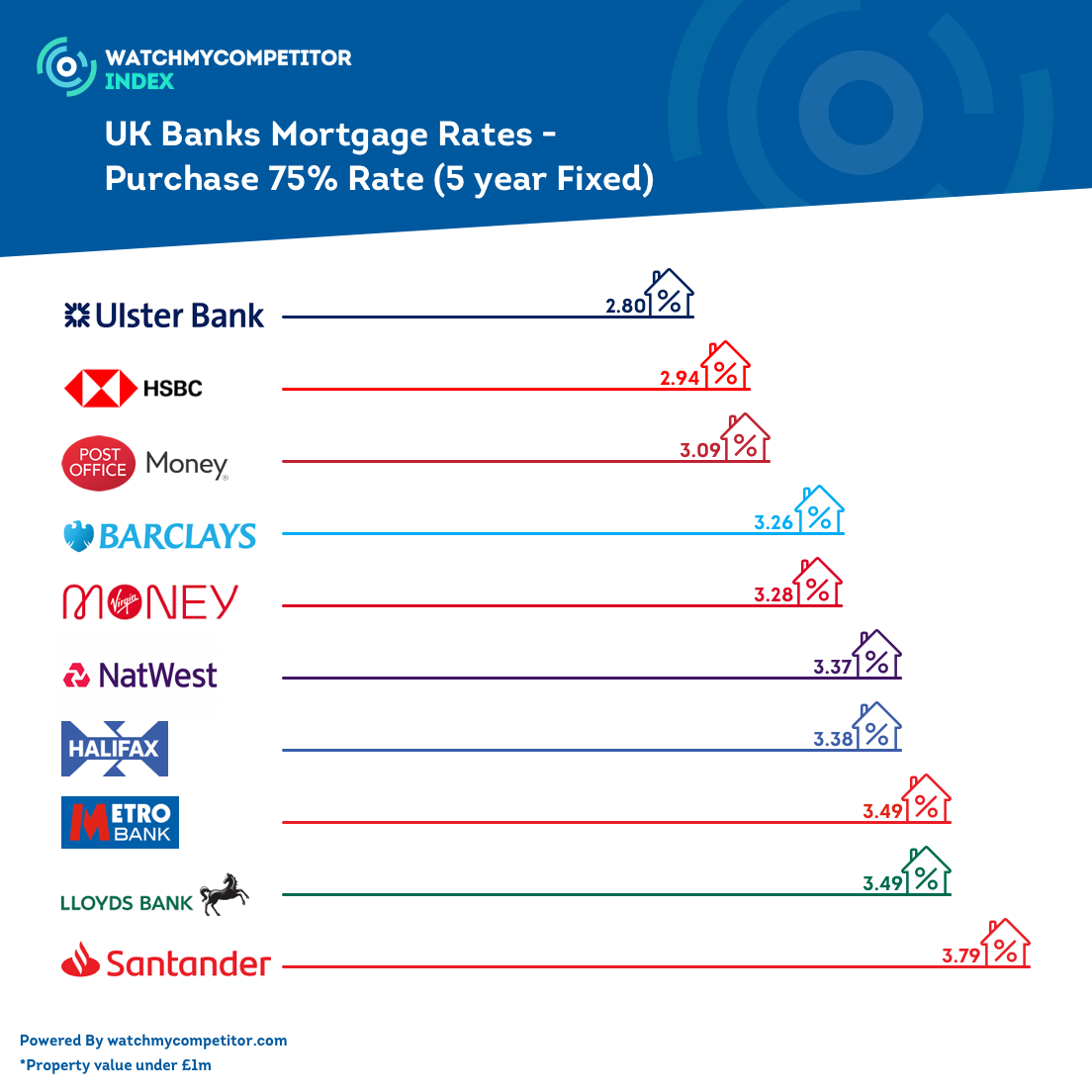
Fixed vs. Adjustable Rates
- Fixed-Rate Mortgages: Offer a consistent interest rate for the entire loan term (e.g., 15 or 30 years), providing predictable payments and stability against market fluctuations. Ideal for long-term security.
- Adjustable-Rate Mortgages (ARMs): Feature an initial fixed-rate period (e.g., 5/1, 7/1), then adjust periodically based on a market index. ARMs often start lower but introduce payment volatility, suiting those with short-term homeownership plans.
Key Factors Influencing Your Rate
Your personalized rate is a blend of economic trends and your financial profile.
- Credit Score: Higher scores (typically 740+) signal lower risk to lenders, resulting in more favorable rates.
- Down Payment: A substantial down payment (e.g., 20%+) reduces loan-to-value (LTV), often leading to lower rates and potentially avoiding Private Mortgage Insurance (PMI).
- Loan Term & Type: Shorter terms (e.g., 15-year) generally offer lower rates than longer ones (e.g., 30-year). Loan types (Conventional, FHA, VA, USDA) also have distinct rate structures.
- Economic Climate: Broader indicators like inflation, Federal Reserve policy, and Treasury bond yields significantly influence overall mortgage rates.
The Imperative of Comparison Shopping
Given lender variations, comparison shopping is critical. Obtain quotes from at least three to five different lenders; rates and fees can differ substantially, impacting your total cost by thousands.
Traditional and Online Avenues for Rate Discovery
A comprehensive search involves exploring both established financial institutions and digital lending platforms.
Banks and Credit Unions
- Banks: National and local banks offer a full spectrum of mortgage products. Existing banking relationships can sometimes provide streamlined processing or special offers.
- Credit Unions: Member-owned, credit unions often boast competitive rates, lower fees, and personalized service, though membership is typically required.
Always request a detailed Loan Estimate to compare all costs, not just the interest rate.
Mortgage Brokers
Mortgage brokers connect borrowers to a vast network of wholesale lenders.
- Benefits: They efficiently shop numerous lenders, potentially accessing exclusive rates or products. Their expertise helps navigate complex options and saves time.
- Considerations: Ensure the broker is licensed and transparent about their compensation (lender-paid or borrower-paid fees). Verify their reputation.
Online Lenders
Online-only lenders leverage technology for a streamlined, often faster, and potentially more cost-effective borrowing experience.
- Advantages: Companies like Rocket Mortgage offer convenient digital applications, rapid pre-approvals, and typically lower overhead costs translated into competitive rates.
- Caveats: The lack of in-person interaction might not suit all. Thoroughly vet their reputation and ensure clear communication.
Leveraging Digital Tools and Platforms
Technology has revolutionized mortgage shopping, bringing unprecedented transparency and efficiency to rate discovery.
Online Comparison Websites
These aggregators provide a quick, broad overview of market rates.
- Functionality: Platforms like Bankrate.com, LendingTree.com, and Zillow Mortgages allow you to enter basic financial details and instantly receive multiple rate quotes from various lenders.
- Value: They offer wide market coverage and an excellent starting point for understanding prevailing rates.
- Important Note: Displayed rates are estimates. For personalized quotes, further inquiry is necessary, which might involve a soft credit pull. Expect direct contact from lenders.
Lender-Specific Websites and Online Pre-approvals

Directly visiting individual lender websites complements aggregator searches. Most lenders offer:
- Personalized Rate Tools: More detailed input can generate precise rate quotes without an immediate hard credit inquiry.
- Online Pre-approvals: This formal step, including a credit check, yields a conditional commitment letter—essential for making competitive home offers.
Mobile Apps for Mortgage Management
Many lenders provide mobile apps to simplify the mortgage process, enabling applicants to upload documents, track loan status, and communicate with loan officers. Fintech apps further integrate budgeting, rate tracking, and agent connections, enhancing the overall home-buying journey.
Strategies to Secure the Most Favorable Rate
Beyond finding rates, proactive strategies can significantly improve the terms you qualify for.
Improving Your Financial Profile
Enhancing your creditworthiness directly translates to better rate offers.
- Boost Credit Score: Make on-time payments, reduce existing debt, and avoid new credit lines. Aim for 740+.
- Reduce Debt-to-Income (DTI) Ratio: Lenders prefer a lower DTI (ideally below 43%), indicating greater capacity for mortgage payments.
- Increase Down Payment: A larger down payment reduces lender risk, often leading to lower rates and potentially avoiding PMI.
Negotiating with Lenders
Don’t hesitate to negotiate once you have personalized offers.
- Present Competing Offers: Leverage a lower offer from one lender to ask another if they can match or beat it.
- Inquire About Rate Reductions/Credits: Small adjustments to the rate or lender credits towards closing costs can save substantial money.
- Consider Discount Points: Paying upfront fees to “buy down” your interest rate can be beneficial if you stay in the home long enough to recoup the cost.
Understanding APR and Closing Costs
Beyond the quoted interest rate, scrutinize the Annual Percentage Rate (APR) and all associated closing costs.
- APR: This provides a comprehensive loan cost by incorporating the interest rate plus certain upfront fees. A lower APR indicates a cheaper loan overall.
- Closing Costs: These include appraisal fees, title insurance, origination fees, etc. Always compare the Loan Estimate—a standardized document detailing all costs—to ensure transparency and identify discrepancies.
When to Lock Your Rate
Once you secure a desirable rate, “locking” it guarantees that rate for a specified period (e.g., 30-60 days) until closing. If you foresee rising rates, an early lock is prudent. Some lenders offer a “float down” option, allowing you to benefit if market rates drop after your lock, typically for a fee.
The Application, Underwriting, and Closing Journey
The final stages involve formalizing your loan, a thorough lender review, and completing the transaction.
Gathering Necessary Documentation
Be prepared to supply extensive financial documentation promptly: recent pay stubs, W-2s (past two years), federal tax returns (past two years), bank and investment statements, and identification. Prompt submission of accurate documents prevents delays.
What to Expect During Underwriting
Underwriting is the lender’s comprehensive review of your application—financial profile, credit history, employment, and property appraisal—to assess lending risk. The underwriter ensures all criteria are met and may request additional information. Your responsiveness during this phase is crucial for a smooth process.
The Closing Process and Final Review
Closing is where all parties sign necessary paperwork to transfer ownership and finalize the loan. You will receive a Closing Disclosure at least three business days prior. This document details all final loan terms, projected monthly payments, and itemized closing costs. Meticulously compare it against your initial Loan Estimate, addressing any discrepancies with your lender immediately.
Conclusion:
Securing the best mortgage rate is a fundamental pillar of responsible homeownership and long-term financial health. It demands proactive engagement with various lenders, a thorough understanding of market intricacies, and a commitment to optimizing your personal financial standing. By diligently leveraging both traditional and digital resources, negotiating shrewdly, and meticulously reviewing all loan terms, you empower yourself to make an informed decision that will profoundly shape your financial future. Embrace the process, and unlock the door not just to a home, but to a truly affordable and well-managed investment.
aViewFromTheCave is a participant in the Amazon Services LLC Associates Program, an affiliate advertising program designed to provide a means for sites to earn advertising fees by advertising and linking to Amazon.com. Amazon, the Amazon logo, AmazonSupply, and the AmazonSupply logo are trademarks of Amazon.com, Inc. or its affiliates. As an Amazon Associate we earn affiliate commissions from qualifying purchases.