
The 30-year fixed-rate mortgage is the cornerstone of homeownership for millions, a financial instrument that shapes household budgets and long-term wealth strategies across the globe. For many prospective homebuyers, the first question, and often the most crucial, revolves around “what is the 30-year mortgage rate?” This simple query unlocks a complex web of economic indicators, personal financial decisions, and strategic planning. Understanding this rate isn’t just about knowing a number; it’s about comprehending its profound implications for affordability, long-term cost, and overall financial stability.
At its core, the 30-year fixed-rate mortgage offers an unparalleled level of predictability: your interest rate remains constant for three decades, meaning your principal and interest payment will never change over the loan’s life. This consistency is a powerful attraction, particularly in volatile economic times, as it allows homeowners to budget with confidence and insulate themselves from future interest rate hikes. However, its exact value fluctuates daily, influenced by a myriad of factors ranging from global economic trends to individual creditworthiness. This article will demystify the 30-year mortgage rate, exploring its mechanics, the forces that drive its fluctuations, strategies for securing the best rate, and its critical role in your personal financial journey.

Understanding the 30-Year Fixed-Rate Mortgage
The 30-year fixed-rate mortgage is, by far, the most popular choice for homebuyers in many countries, and for good reason. Its structure is designed to offer stability and manageable monthly payments, making homeownership accessible to a wider demographic.
The Core Concept: Stability and Predictability
Imagine signing a contract today for a loan that will fund your home purchase, and knowing with absolute certainty that the interest rate on that loan will never change for the next 360 months. That’s the essence of the 30-year fixed-rate mortgage. This fixed interest rate means that the portion of your monthly payment allocated to interest remains constant (though the principal portion increases over time as the loan amortizes). This predictability is a significant psychological and financial comfort, allowing homeowners to plan their budgets without the anxiety of potential payment spikes. It locks in the cost of borrowing for the long haul, protecting borrowers from market volatility and inflation’s impact on interest rates.
How It Works: Principal, Interest, Taxes, and Insurance (PITI)
While the interest rate is fixed, your overall monthly mortgage payment typically comprises four main components, often abbreviated as PITI:
- Principal: This is the portion of your payment that goes directly towards reducing the original loan amount. In the early years of a 30-year mortgage, a smaller portion of your payment goes to principal and a larger portion to interest.
- Interest: This is the cost of borrowing the money, calculated based on your fixed rate and the outstanding principal balance.
- Taxes: Property taxes levied by local governments are usually collected by your lender as part of your monthly payment and held in an escrow account, then paid out on your behalf when due.
- Insurance: This includes homeowner’s insurance, which protects your property against damage, and potentially Private Mortgage Insurance (PMI) if your down payment is less than 20% of the home’s value. These are also typically collected into an escrow account.
It’s important to understand that while your principal and interest payment is fixed, the total PITI payment can still fluctuate due to changes in property taxes and homeowner’s insurance premiums. However, the core determinant of affordability – the principal and interest – remains steadfast.
Key Advantages and Disadvantages
The popularity of the 30-year fixed mortgage stems from its distinct advantages, but it also comes with certain trade-offs.
Advantages:
- Lower Monthly Payments: Spreading the loan repayment over 30 years results in lower monthly payments compared to shorter-term mortgages (like a 15-year fixed), making homeownership more accessible and improving monthly cash flow.
- Predictable Budgeting: The fixed interest rate offers unparalleled stability, allowing homeowners to budget confidently without fear of unexpected payment increases.
- Inflation Hedge: In an inflationary environment, your fixed payment becomes relatively cheaper over time as wages and other costs rise.
- Flexibility: The lower monthly payments free up cash flow that can be used for other investments, savings, or even to pay down the mortgage faster if desired, without being locked into higher mandatory payments.
Disadvantages:
- Higher Total Interest Paid: Over a 30-year period, you will pay significantly more in total interest compared to a 15-year fixed mortgage, even if the interest rate is the same. This is simply due to having the principal outstanding for a longer duration.
- Slower Equity Build-Up: Because more of your early payments go towards interest, you build equity (the portion of your home you own outright) at a slower pace initially compared to a shorter-term loan.
- Potentially Higher Interest Rate: 30-year fixed rates are typically slightly higher than 15-year fixed rates because the lender takes on more risk over a longer period.
Factors Influencing 30-Year Mortgage Rates
Mortgage rates are dynamic, moving up and down daily, sometimes even hourly. Understanding the underlying forces that drive these fluctuations is crucial for anyone looking to secure a loan.
Economic Indicators: Inflation, GDP, and Employment
The health of the broader economy is the most significant determinant of mortgage rates.
- Inflation: The Federal Reserve’s primary mandate is to control inflation. When inflation rises (meaning money loses its purchasing power), lenders demand higher interest rates to compensate for the eroded value of future repayments. The Fed often raises its benchmark interest rate (the federal funds rate) to combat inflation, which indirectly pushes up mortgage rates.
- Gross Domestic Product (GDP): A strong economy, indicated by robust GDP growth, often leads to higher inflation expectations and, consequently, higher mortgage rates. Conversely, a weakening economy might see rates fall as demand for loans decreases and inflation concerns subside.
- Employment: Low unemployment rates typically signal a strong economy, potentially leading to increased consumer spending and inflationary pressures, which can push rates higher.
The Bond Market and Treasury Yields
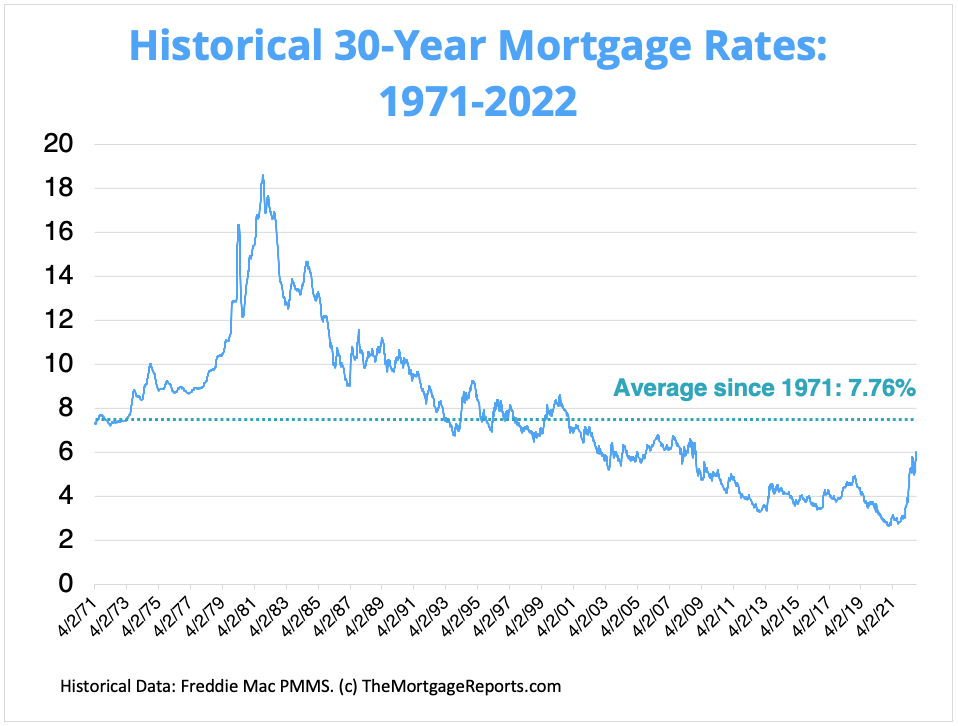
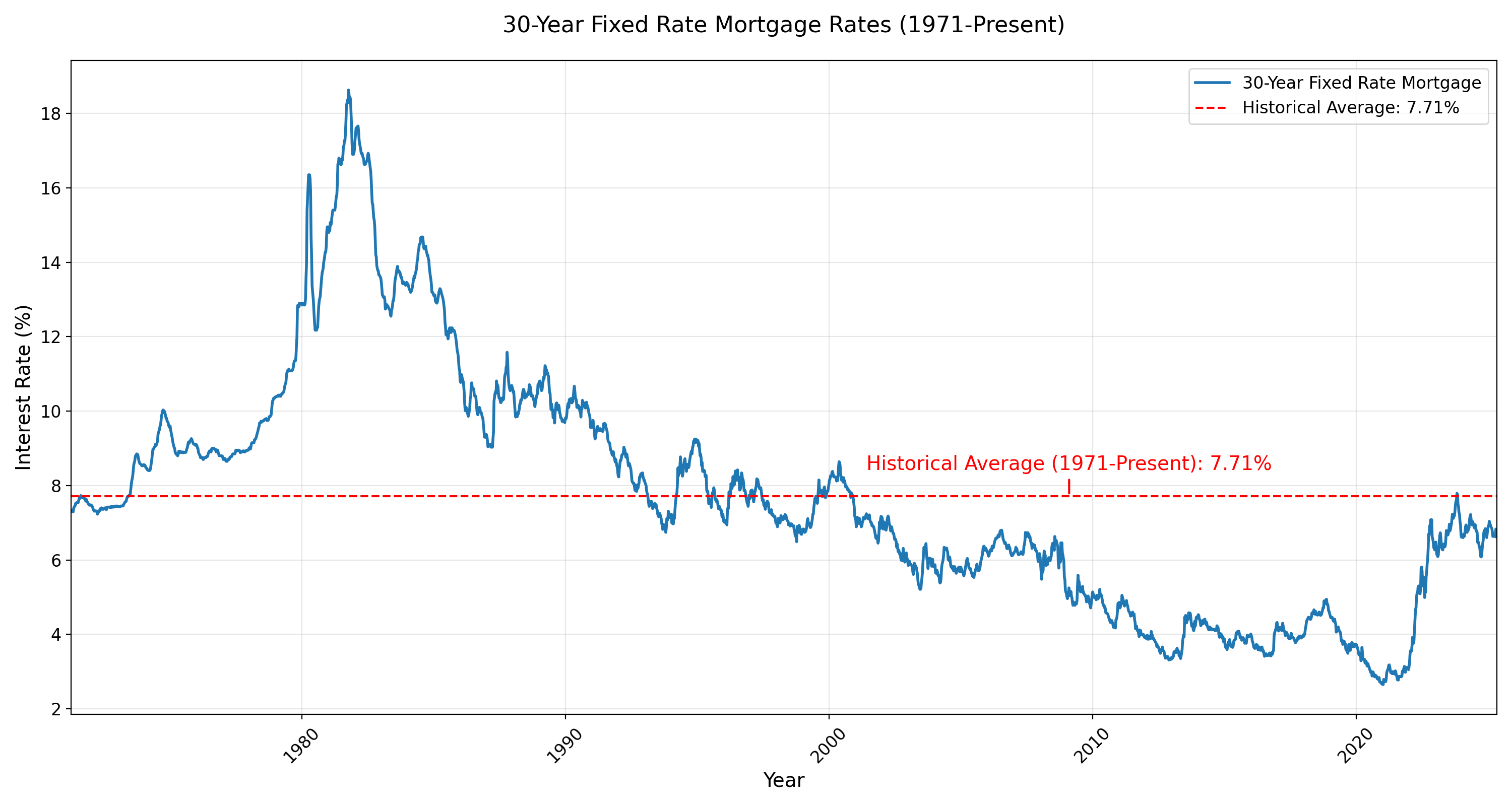
While the Federal Reserve’s actions are influential, mortgage rates are more directly tied to the bond market, specifically the yield on the 10-year Treasury note.
- Mortgage-Backed Securities (MBS): Lenders package individual mortgages into MBS and sell them to investors. The pricing and yield of these securities are heavily influenced by the 10-year Treasury yield, as Treasuries are considered a safe benchmark investment.
- Correlation: When the yield on the 10-year Treasury rises, the yield on MBS typically rises in tandem, meaning mortgage lenders need to offer higher rates to attract investors. Conversely, when Treasury yields fall, so do mortgage rates. Factors that drive Treasury yields (like investor demand for safe assets, government debt levels, and economic outlook) therefore directly impact mortgage rates.
Lender-Specific Factors: Credit Score, Down Payment, and Debt-to-Income Ratio (DTI)
Beyond macroeconomic forces, your individual financial profile plays a critical role in the rate you are offered.
- Credit Score: A higher credit score (e.g., FICO score of 740 or above) signals to lenders that you are a responsible borrower with a low risk of default. This typically qualifies you for the most favorable interest rates. Lower scores will result in higher rates as lenders price in the increased risk.
- Down Payment: A larger down payment reduces the amount you need to borrow and signals greater financial stability, often resulting in a lower interest rate. A down payment of 20% or more also eliminates the need for Private Mortgage Insurance (PMI), saving you money.
- Debt-to-Income Ratio (DTI): This ratio compares your total monthly debt payments (including the proposed mortgage payment) to your gross monthly income. Lenders typically prefer a DTI below 43% (though some programs allow higher) as a lower DTI indicates you have sufficient income to manage your debts, qualifying you for better rates.
- Loan-to-Value (LTV): Directly related to your down payment, LTV is the loan amount divided by the home’s value. A lower LTV (meaning a higher down payment) generally results in lower rates.
Geopolitical Events and Global Market Sentiment
Unexpected global events, such as political instability, wars, pandemics, or major economic crises in other countries, can have a ripple effect on U.S. financial markets, including the bond market. During times of uncertainty, investors often flee to the perceived safety of U.S. Treasury bonds, driving up demand and pushing down their yields. This “flight to safety” can sometimes lead to a temporary dip in mortgage rates. Conversely, events that create market instability or inflation concerns can push rates higher.
How to Find and Secure the Best 30-Year Mortgage Rate
Finding the absolute lowest mortgage rate can translate into tens of thousands of dollars in savings over the life of your loan. It requires preparation, diligence, and understanding the process.
Improving Your Financial Profile
Before you even start shopping for a lender, take steps to make yourself the most attractive borrower possible.
- Boost Your Credit Score: Pay bills on time, reduce credit card balances, avoid opening new lines of credit, and check your credit report for errors. A higher score directly translates to a better rate.
- Lower Your Debt-to-Income (DTI) Ratio: Pay down existing debts, especially high-interest consumer debt. A lower DTI shows lenders you can comfortably manage your mortgage payments.
- Save for a Larger Down Payment: Not only does a larger down payment reduce your loan amount, but it can also secure a lower interest rate and eliminate PMI.
- Build Cash Reserves: Lenders like to see that you have emergency funds available, often requiring a few months’ worth of mortgage payments in reserves.
Shopping Around: Comparing Lenders and Loan Offers
This is perhaps the most crucial step. Never accept the first offer you receive.
- Get Quotes from Multiple Lenders: Contact at least 3-5 different lenders – including large banks, local credit unions, online lenders, and mortgage brokers. Each lender has different overheads, risk appetites, and loan products.
- Understand Different Lender Types:
- Banks (Traditional & Online): Offer a wide range of products but might be less flexible.
- Credit Unions: Member-owned, often have competitive rates and personalized service.
- Mortgage Brokers: Act as intermediaries, shopping your application to multiple lenders to find the best deal for you. They get paid by the lender or through fees.
- Compare Loan Estimates Side-by-Side: Lenders are required to provide a standardized “Loan Estimate” form. Use this to compare interest rates, APR (Annual Percentage Rate, which includes fees), closing costs, and lender fees. Focus on the total cost, not just the advertised interest rate.
Understanding Loan Estimates and Closing Costs
The Loan Estimate is your roadmap. Pay close attention to:
- Interest Rate vs. APR: The interest rate is what you pay on the principal. The APR includes the interest rate plus certain upfront costs and fees, giving you a more comprehensive measure of the total cost of borrowing. A lower APR is generally better.
- Points: These are upfront fees paid to the lender in exchange for a lower interest rate. One point equals 1% of the loan amount. Decide if “buying down the rate” makes sense for your financial situation and how long you plan to stay in the home.
- Other Closing Costs: These include appraisal fees, title insurance, attorney fees, recording fees, and escrow setup fees. These can vary significantly between lenders and can add 2-5% of the loan amount to your upfront costs. Scrutinize these carefully.
When to Lock In a Rate
Once you’ve found a favorable rate, you’ll need to decide when to “lock” it in.
- Rate Lock Period: This is a guarantee from the lender that your interest rate will not change for a specified period (e.g., 30, 45, or 60 days) while your loan application is processed.
- Timing is Key: If you believe rates are poised to rise, locking in a rate makes sense. If you think they might fall, you might consider floating your rate (not locking it) for a short period, but this carries risk. Most people lock their rate once they have an accepted offer on a home and are ready to proceed with the loan application. Be aware that longer lock periods can sometimes come with a small fee.
The Long-Term Impact: Why Your Mortgage Rate Matters
A small difference in the 30-year mortgage rate can have monumental financial implications over three decades, affecting everything from your overall wealth to your ability to manage other financial goals.
Total Cost of Ownership Over Three Decades
This is where the power of compounding works against you if your rate is high. A seemingly minor increase in the interest rate can add tens or even hundreds of thousands of dollars to the total cost of your home. For example, on a $300,000 loan, a 0.5% difference (e.g., 4.0% vs. 4.5%) can add over $30,000 to the total interest paid over 30 years. This significantly impacts your long-term financial health, eating into potential savings or investment returns. Understanding this difference underscores the importance of securing the lowest possible rate.
Building Equity and Wealth Accumulation
Your home is often your largest asset, and the mortgage is the mechanism for building equity. As you pay down your principal, and as your home appreciates in value, your equity grows. A 30-year fixed mortgage, while slower in initial equity build-up compared to a 15-year, still serves as a powerful forced savings mechanism. Every payment moves you closer to outright ownership, contributing significantly to your overall net worth over the long term. This equity can later be leveraged for other financial goals, such as funding education, starting a business, or retirement, through options like home equity loans or lines of credit.
Refinancing Opportunities and Market Fluctuations
The 30-year fixed rate provides stability, but it’s not set in stone forever. If interest rates drop significantly after you’ve secured your mortgage, you might have an opportunity to refinance. Refinancing involves taking out a new loan to pay off your existing mortgage, ideally at a lower interest rate or with more favorable terms. This can reduce your monthly payments, lower the total interest paid, or even allow you to tap into your home equity. However, refinancing comes with its own set of closing costs, so it’s essential to calculate the break-even point to ensure it’s a financially sound decision. Keeping an eye on market rates after you’ve closed on your home is a smart money move.
Financial Planning and Budgeting for Homeownership
Integrating your mortgage into your broader financial plan is crucial. The fixed nature of the 30-year payment allows for precise long-term budgeting. You can confidently allocate funds towards retirement savings, college funds, or other investments knowing your housing cost won’t unexpectedly escalate. However, it’s vital to budget for all homeownership costs, not just the principal and interest. Property taxes, insurance, maintenance, and potential HOA fees must be factored in to avoid financial strain. A well-managed mortgage is a foundational element of a robust personal financial strategy.
Alternatives to the 30-Year Fixed Mortgage
While the 30-year fixed is popular, it’s not the only option. Depending on your financial situation and goals, other mortgage products might be more suitable.
15-Year Fixed-Rate Mortgage
This loan functions much like its 30-year counterpart, but with payments spread over half the time.
- Higher Monthly Payments: Due to the shorter term, monthly payments are significantly higher, demanding more robust income.
- Less Total Interest: You’ll pay substantially less interest over the life of the loan and build equity much faster.
- Typically Lower Interest Rate: Lenders often offer a slightly lower interest rate on 15-year fixed mortgages because their risk is reduced over a shorter period.
This option is ideal for borrowers who can comfortably afford the higher payments and want to pay off their home faster, saving considerable money in interest.
Adjustable-Rate Mortgages (ARMs)
ARMs feature an initial fixed-rate period, after which the interest rate adjusts periodically based on a predetermined index.
- Lower Initial Rates: ARMs typically start with a lower interest rate than fixed-rate mortgages, making initial payments more affordable.
- Rate Volatility: After the fixed-rate period (e.g., 5, 7, or 10 years), the interest rate can go up or down, leading to unpredictable monthly payments. There are usually caps on how much the rate can change, but increases can still be substantial.
ARMs can be a good choice for borrowers who plan to sell or refinance before the fixed-rate period expires, or for those who anticipate their income will increase significantly, allowing them to absorb potential payment hikes.
FHA, VA, and USDA Loans
These are government-backed loans designed to help specific groups of borrowers achieve homeownership.
- FHA Loans: Insured by the Federal Housing Administration, these are popular for first-time homebuyers or those with lower credit scores. They require a smaller down payment (as low as 3.5%) but mandate mortgage insurance premiums (MIP) for the life of the loan.
- VA Loans: Guaranteed by the Department of Veterans Affairs, these are available to eligible service members, veterans, and surviving spouses. They offer 0% down payment and no private mortgage insurance, making them highly advantageous for those who qualify.
- USDA Loans: Backed by the U.S. Department of Agriculture, these loans are designed for low-to-moderate-income individuals purchasing homes in eligible rural areas. They also offer 0% down payment.
These specialized loans can provide pathways to homeownership that might not be accessible through conventional 30-year fixed mortgages, often with more flexible qualifying criteria.
In conclusion, the 30-year mortgage rate is far more than just a number; it is a critical variable in the equation of homeownership and long-term financial health. By understanding what drives these rates, how to optimize your financial profile, and how to diligently shop for the best terms, you can make informed decisions that will significantly impact your financial future for decades to come. Whether you choose the stability of a 30-year fixed or explore alternatives, a thoughtful approach to your mortgage is a cornerstone of prudent personal finance.
aViewFromTheCave is a participant in the Amazon Services LLC Associates Program, an affiliate advertising program designed to provide a means for sites to earn advertising fees by advertising and linking to Amazon.com. Amazon, the Amazon logo, AmazonSupply, and the AmazonSupply logo are trademarks of Amazon.com, Inc. or its affiliates. As an Amazon Associate we earn affiliate commissions from qualifying purchases.