
Mortgage rates are perhaps the most critical financial figure for anyone considering buying a home, refinancing an existing mortgage, or simply trying to understand the economic currents affecting the housing market. At their core, mortgage rates represent the cost of borrowing money to purchase a property. They are the interest percentage a lender charges on the loan amount, expressed as an annual rate. This rate profoundly impacts the affordability of a home, the size of your monthly mortgage payment, and the total amount you will pay over the life of the loan. Understanding what mortgage rates are, how they are determined, and their various implications is not just for economists or financial professionals; it’s essential knowledge for every prospective or current homeowner. In an economy where homeownership remains a cornerstone of wealth building, deciphering the complexities of mortgage rates is a fundamental step towards making informed financial decisions.
Deconstructing Mortgage Rates: The Basics
To truly grasp the significance of mortgage rates, it’s vital to dissect their fundamental components and understand the different forms they can take. This foundational knowledge empowers borrowers to compare offers accurately and choose a mortgage product that aligns with their financial goals and risk tolerance.
Definition and Core Components
A mortgage rate is essentially the annual interest percentage charged by a lender for the money borrowed to buy a home. It is the price you pay for using the lender’s money, separate from the principal amount borrowed. When you make a mortgage payment, a portion goes towards reducing the principal balance (the actual amount you borrowed), and another portion goes towards paying the interest on that principal. The higher the interest rate, the larger the interest portion of your payment, and consequently, the more you pay over the life of the loan for the same principal amount. This seemingly simple percentage has a compounding effect over decades, making even small differences in rates translate into tens of thousands of dollars.
Fixed vs. Adjustable Rates
Mortgage rates primarily come in two major types: fixed-rate and adjustable-rate mortgages (ARMs). Each has distinct characteristics that appeal to different borrowers.
- Fixed-Rate Mortgages: As the name suggests, a fixed-rate mortgage comes with an interest rate that remains constant for the entire duration of the loan. This provides predictability and stability in monthly payments, making budgeting easier and shielding borrowers from potential rate increases in the future. The most common fixed-rate terms are 15-year and 30-year mortgages. While the certainty is a major advantage, fixed rates are often slightly higher than initial ARM rates, especially during periods of low interest rates.
- Adjustable-Rate Mortgages (ARMs): ARMs feature an interest rate that changes periodically after an initial fixed-rate period. For example, a “5/1 ARM” means the rate is fixed for the first five years, then adjusts annually (the “1”) for the remainder of the loan term. The rate adjustments are tied to a specific financial index (like the Secured Overnight Financing Rate, SOFR) plus a margin set by the lender. ARMs typically offer lower initial interest rates than fixed-rate mortgages, which can make them attractive for borrowers who plan to sell or refinance before the fixed-rate period ends, or those who anticipate their income will increase significantly in the future. However, they carry the risk of higher payments if interest rates rise after the fixed period.
APR vs. Interest Rate
While often used interchangeably by the public, the Annual Percentage Rate (APR) and the nominal interest rate are distinct and crucial for comparison.
- Interest Rate: This is simply the percentage charged by the lender on the principal loan amount. It directly determines your monthly principal and interest payment.
- Annual Percentage Rate (APR): The APR provides a more comprehensive measure of the total cost of borrowing. It includes not only the interest rate but also other loan-related fees and charges, such as origination fees, discount points, mortgage insurance premiums (in some cases), and other closing costs. Because APR incorporates these additional costs, it will almost always be higher than the nominal interest rate. When comparing loan offers from different lenders, the APR is generally a better metric to use, as it gives a truer picture of the overall cost of the loan over its term.
Key Factors Influencing Mortgage Rates
Mortgage rates are not static; they are dynamic, constantly fluctuating in response to a complex interplay of economic forces, lender policies, and individual borrower characteristics. Understanding these influences is key to anticipating market movements and optimizing one’s borrowing strategy.
Economic Indicators
The broader economic environment plays a profound role in shaping mortgage rates. Lenders assess risk and set rates based on a multitude of macroeconomic signals.
- Inflation: Perhaps the most significant driver, inflation erodes the purchasing power of money over time. Lenders demand higher interest rates to compensate for the reduced value of the money they will be repaid in the future. When inflation expectations rise, mortgage rates generally follow suit.
- Federal Reserve Policy: The U.S. central bank, the Federal Reserve, doesn’t directly set mortgage rates, but its actions significantly influence them. By adjusting the federal funds rate (the target rate for overnight lending between banks) and engaging in quantitative easing or tightening (buying or selling government bonds), the Fed impacts the overall cost of money in the economy, which in turn ripples through to mortgage rates.
- Employment Data: A strong job market, indicated by low unemployment rates and consistent job growth, suggests a healthy economy, which can contribute to inflationary pressures and potentially higher rates. Conversely, weak employment numbers can signal economic slowdowns, sometimes leading to lower rates.
- Gross Domestic Product (GDP) Growth: A robust GDP indicates a growing economy, which can lead to higher inflation and interest rates. Sluggish GDP growth often has the opposite effect.
- Bond Market (10-Year Treasury Yield): Mortgage rates are closely correlated with the yield on the 10-year U.S. Treasury bond. This is because mortgage-backed securities (MBS), which are bundles of mortgages sold to investors, compete with Treasury bonds for investor capital. As Treasury yields rise, MBS yields (and thus mortgage rates) typically rise to remain competitive.
Lender-Specific Factors
Beyond the macroeconomic landscape, individual lenders also contribute to how mortgage rates are set through their own operational costs, profit goals, and product offerings.
- Lender’s Overhead and Profit Margins: Lenders have operating expenses, including salaries, technology, and marketing. They also need to make a profit. These factors are built into the rates they offer.
- Loan Type: Different loan programs carry different risks and guarantees, affecting their rates. For example, government-backed loans like FHA (Federal Housing Administration) and VA (Department of Veterans Affairs) loans may have different rate structures compared to conventional loans, partly due to government insurance.
- Loan Term: Shorter-term mortgages (e.g., 15-year fixed) typically have lower interest rates than longer-term mortgages (e.g., 30-year fixed). This is because lenders are exposed to interest rate risk for a shorter period with 15-year loans.
- Loan-to-Value (LTV) Ratio: The LTV ratio compares the loan amount to the home’s value. A higher down payment results in a lower LTV, indicating less risk for the lender, which can translate into a better interest rate.
Borrower-Specific Factors
Finally, the individual financial profile of the borrower plays a crucial role in determining the specific mortgage rate they are offered. Lenders assess a borrower’s creditworthiness and ability to repay the loan.
- Credit Score (FICO): A higher credit score (typically FICO score) indicates a borrower’s history of responsible debt management and lower risk of default. Borrowers with excellent credit scores consistently qualify for the lowest available mortgage rates.
- Debt-to-Income (DTI) Ratio: This ratio compares your total monthly debt payments to your gross monthly income. A lower DTI ratio indicates you have more disposable income to cover your mortgage payments, making you a less risky borrower and potentially eligible for better rates.
- Down Payment Size: As mentioned with LTV, a larger down payment reduces the loan amount relative to the home’s value, lowering the lender’s risk and often resulting in a more favorable interest rate.
- Loan Amount: Extremely small or very large loan amounts can sometimes affect rates, depending on lender policies and market conditions.
Understanding the Impact of Mortgage Rates

The implications of mortgage rates extend far beyond a simple percentage; they profoundly shape individual financial well-being, influence housing market dynamics, and drive significant economic decisions.
Affordability and Monthly Payments
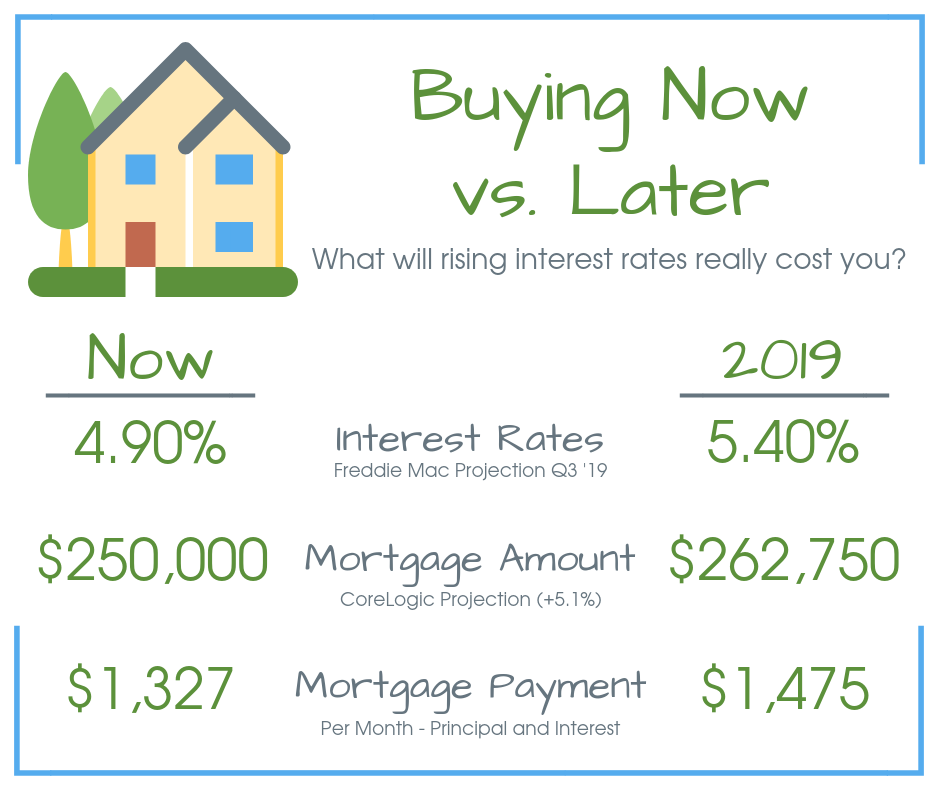
The most direct and immediate impact of mortgage rates is on a borrower’s monthly mortgage payment and, by extension, the overall affordability of a home. Even a seemingly small change in the interest rate can result in a significant difference in how much you pay each month and over the life of the loan. For example, on a $300,000 30-year fixed-rate mortgage, a 0.5% increase in the interest rate can add tens of dollars to your monthly payment and thousands more to the total cost over three decades. This direct relationship means that when rates are low, borrowers can afford more home for the same monthly payment, or conversely, pay less for the same home. When rates rise, purchasing power diminishes, potentially pushing prospective buyers out of the market or forcing them to compromise on home size or location.
Housing Market Dynamics
Mortgage rates act as a major lever for the entire housing market, influencing supply, demand, and home price appreciation.
- When Rates Rise: Higher rates make borrowing more expensive, which can cool down an overheated housing market. Demand typically softens as fewer buyers can afford the increased monthly payments. This often leads to slower home price appreciation or, in some cases, price declines, as sellers face a smaller pool of qualified buyers. Fewer homeowners may also choose to sell if they have a low-rate mortgage and don’t want to trade it for a higher-rate loan.
- When Rates Fall: Conversely, a drop in mortgage rates makes housing more affordable and stimulates demand. Buyers who were previously priced out or on the fence may enter the market, leading to increased competition for homes. This often fuels home price growth and can lead to bidding wars in desirable areas. Lower rates also encourage existing homeowners to consider refinancing.
Refinancing Decisions
Changes in mortgage rates are a primary driver behind refinancing activity. Refinancing involves taking out a new mortgage to pay off an existing one, typically to secure a more favorable interest rate or change the loan terms.
- Lower Payments: When rates drop significantly below a borrower’s current mortgage rate, refinancing can lead to substantial savings on monthly payments, freeing up cash flow.
- Shorter Terms: Some homeowners refinance from a 30-year loan to a 15-year loan when rates are low, allowing them to pay off their home faster and reduce the total interest paid over the life of the loan, often with a manageable increase in monthly payments.
- Accessing Equity (Cash-Out Refinance): While primarily driven by rates, a cash-out refinance allows homeowners to borrow against their home equity, often at a lower interest rate than personal loans or credit cards, using the funds for renovations, debt consolidation, or other large expenses.
Navigating Mortgage Rates: Strategies for Borrowers
Given the significant financial implications of mortgage rates, approaching the home-buying or refinancing process strategically is paramount. Proactive steps can help borrowers secure the most favorable rates possible.
Improving Your Financial Profile
Before even applying for a mortgage, taking steps to strengthen your financial standing can significantly improve the rates lenders offer.
- Boost Credit Score: Pay bills on time, reduce outstanding debt, avoid opening new credit accounts, and regularly check your credit report for errors. A higher credit score signals lower risk to lenders.
- Reduce DTI: Pay down existing debts (credit cards, auto loans, student loans) to lower your debt-to-income ratio. This demonstrates your ability to manage additional monthly mortgage payments.
- Increase Down Payment: A larger down payment reduces the loan-to-value (LTV) ratio, which is favorable to lenders. It also often eliminates the need for private mortgage insurance (PMI) on conventional loans, further reducing your overall housing costs.
Shopping Around and Comparing Offers
This is one of the most crucial steps. Never settle for the first quote you receive.
- Get Multiple Quotes: Contact several different types of lenders – traditional banks, credit unions, and online lenders – to compare their rates, fees, and loan terms. Lenders’ rates can vary significantly, even on the same day for the same borrower.
- Compare APR, Not Just Interest Rate: As discussed, the APR provides a more accurate picture of the total cost of the loan, including fees. Use it as your primary comparison tool.
- Ask About Lender Fees and Discount Points: Understand all associated closing costs. Some lenders may offer a lower interest rate in exchange for “discount points,” which are essentially prepaid interest paid at closing. Weigh whether buying points is financially beneficial for your specific situation and planned loan duration.
Understanding Rate Locks
In a volatile market, mortgage rates can change daily, even hourly. A rate lock provides stability.
- What is a Rate Lock?: A rate lock is a guarantee from a lender that the interest rate offered will remain the same for a specified period (e.g., 30, 45, or 60 days) while your loan is being processed.
- When to Lock: It’s often advisable to lock your rate once you have a signed purchase agreement and feel confident in the rate offered. However, be aware of “float-down” options, which some lenders offer, allowing you to get a lower rate if market rates drop during your lock period (often for an additional fee).
- Monitor Market Conditions: While locked, keep an eye on market trends. If rates significantly drop and you don’t have a float-down option, you might consider letting the lock expire and re-applying, but this carries risk and potential new fees.
Consulting with a Financial Advisor/Mortgage Professional
Navigating the complexities of mortgage rates and loan products can be daunting. Expert guidance can be invaluable.
- Personalized Advice: A qualified mortgage loan officer or financial advisor can assess your unique financial situation, explain different loan options, and help you understand the long-term implications of various rate structures (fixed vs. ARM).
- Market Insights: These professionals often have a pulse on current market trends and can offer insights into the best timing for locking a rate or applying for a loan.
- Streamlined Process: They can help you prepare the necessary documentation and guide you through the application and closing processes, making the experience smoother and less stressful.
Conclusion
Mortgage rates are far more than mere numbers on a financial statement; they are a cornerstone of personal finance, a barometer of economic health, and a pivotal factor in the journey of homeownership. From dictating monthly budgets and influencing affordability to steering the broader housing market and driving refinancing decisions, their impact is pervasive and profound. Understanding the intricate dance between economic indicators, lender-specific policies, and individual borrower profiles that shapes these rates empowers individuals to make informed choices. By proactively improving one’s financial standing, diligently shopping for the best terms, strategically utilizing rate locks, and seeking expert guidance, borrowers can navigate the mortgage landscape with confidence. Ultimately, securing a favorable mortgage rate is not just about saving money; it’s about building a stable financial future and achieving the dream of homeownership on the strongest possible foundation.
aViewFromTheCave is a participant in the Amazon Services LLC Associates Program, an affiliate advertising program designed to provide a means for sites to earn advertising fees by advertising and linking to Amazon.com. Amazon, the Amazon logo, AmazonSupply, and the AmazonSupply logo are trademarks of Amazon.com, Inc. or its affiliates. As an Amazon Associate we earn affiliate commissions from qualifying purchases.