
Interest rates are the lifeblood of the global financial system, acting as a critical barometer of economic health and a direct influence on the financial decisions of individuals, businesses, and governments alike. They represent the cost of borrowing money or the return on saving it, dictating everything from mortgage payments and credit card interest to the profitability of savings accounts and the strategic investments of corporations. Understanding where interest rates stand at any given moment, and the forces driving them, is not just for economists or financial analysts; it’s essential for anyone navigating the modern economy.
In an era characterized by dynamic economic shifts, geopolitical uncertainties, and evolving monetary policies, interest rates are seldom static. They are in constant flux, responding to inflation, employment data, central bank pronouncements, and global market sentiment. For the astute personal financier, the ambitious business owner, or the strategic investor, having a clear grasp of the current interest rate environment is the first step toward making informed decisions that can profoundly impact financial well-being. This article will deconstruct the current state of interest rates, explore their multifaceted impacts, and provide insights into navigating this crucial financial landscape.
The Core Mechanics: Deconstructing Interest Rates
Before delving into the current figures, it’s imperative to understand what interest rates fundamentally are and why they command such significance in economic discourse. They are more than just numbers; they are powerful tools that shape economic behavior.
Defining Interest Rates: The Cost of Money
At its most basic, an interest rate is the percentage charged by a lender to a borrower for the use of assets, typically money. Conversely, it’s also the percentage paid by a borrower to a lender for the privilege of keeping their money. Think of it as the “rent” on money. When you borrow money for a car or a house, you pay interest. When you deposit money into a savings account, the bank pays you interest. This simple mechanism is fundamental to all financial transactions. The higher the rate, the more expensive it is to borrow, and the more lucrative it is to save.
Why Interest Rates Fluctuate: A Dynamic Economic Indicator
Interest rates are not fixed; they are dynamic, reflecting the interplay of supply and demand for credit, inflationary expectations, economic growth forecasts, and central bank policy decisions. They serve as a crucial indicator of an economy’s health. Rising rates often signal a robust economy where demand for credit is high, or an economy battling inflation. Falling rates, on the other hand, can indicate economic slowdowns, or an effort by central banks to stimulate growth by making borrowing cheaper. This constant movement requires continuous monitoring and adaptation from financial participants.
Key Types of Interest Rates: Lending, Saving, and Policy Rates
While the term “interest rate” is often used broadly, several distinct types exist, each playing a specific role:
- Policy Rates: These are set by central banks (like the Federal Reserve in the U.S. or the European Central Bank) and serve as benchmarks. The federal funds rate, for example, influences all other rates in the economy.
- Lending Rates: These are what consumers and businesses pay when borrowing. Examples include mortgage rates, auto loan rates, personal loan rates, and credit card APRs. They are typically higher than policy rates, reflecting risk and administrative costs.
- Saving Rates: These are what banks pay depositors for their funds. Examples include rates on savings accounts, money market accounts, and Certificates of Deposit (CDs). These tend to be lower than lending rates, allowing banks to profit from the spread.
- Interbank Rates: Rates at which banks lend to each other, often for short periods. LIBOR (though being phased out) and SOFR are examples.
A Snapshot of Today’s Financial Climate
To grasp “what are interest rates currently,” we must look at the prevailing central bank policies, the resulting market rates for borrowing and saving, and the overarching economic pressures, particularly inflation. The landscape is complex and constantly evolving.
Central Bank Policies: The Federal Reserve (or equivalent for broader scope) and Its Stance
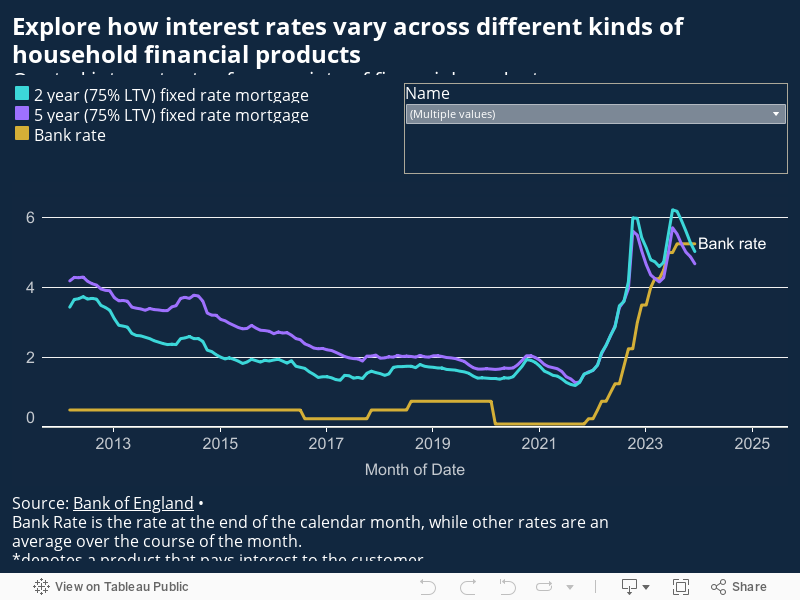
Central banks globally are the primary architects of interest rate environments. Their mandates often include maintaining price stability (controlling inflation) and fostering maximum sustainable employment. In recent times, many major central banks, including the U.S. Federal Reserve, the European Central Bank, and the Bank of England, have undertaken significant policy tightening cycles to combat stubbornly high inflation. This has involved raising their respective benchmark policy rates from historically low levels.
For instance, the Federal Reserve’s target range for the federal funds rate has seen a substantial increase over the past couple of years, moving from near zero to a significantly higher range. This deliberate strategy aims to cool down economic demand, thereby easing inflationary pressures. The “current” status is always a point of discussion, with central banks carefully monitoring economic data to determine if further hikes are needed, if rates should be held steady, or if cuts might be on the horizon as inflation moderates.
Current Lending Rates: Mortgages, Auto Loans, and Personal Credit
The impact of central bank tightening directly translates to higher borrowing costs for consumers and businesses.
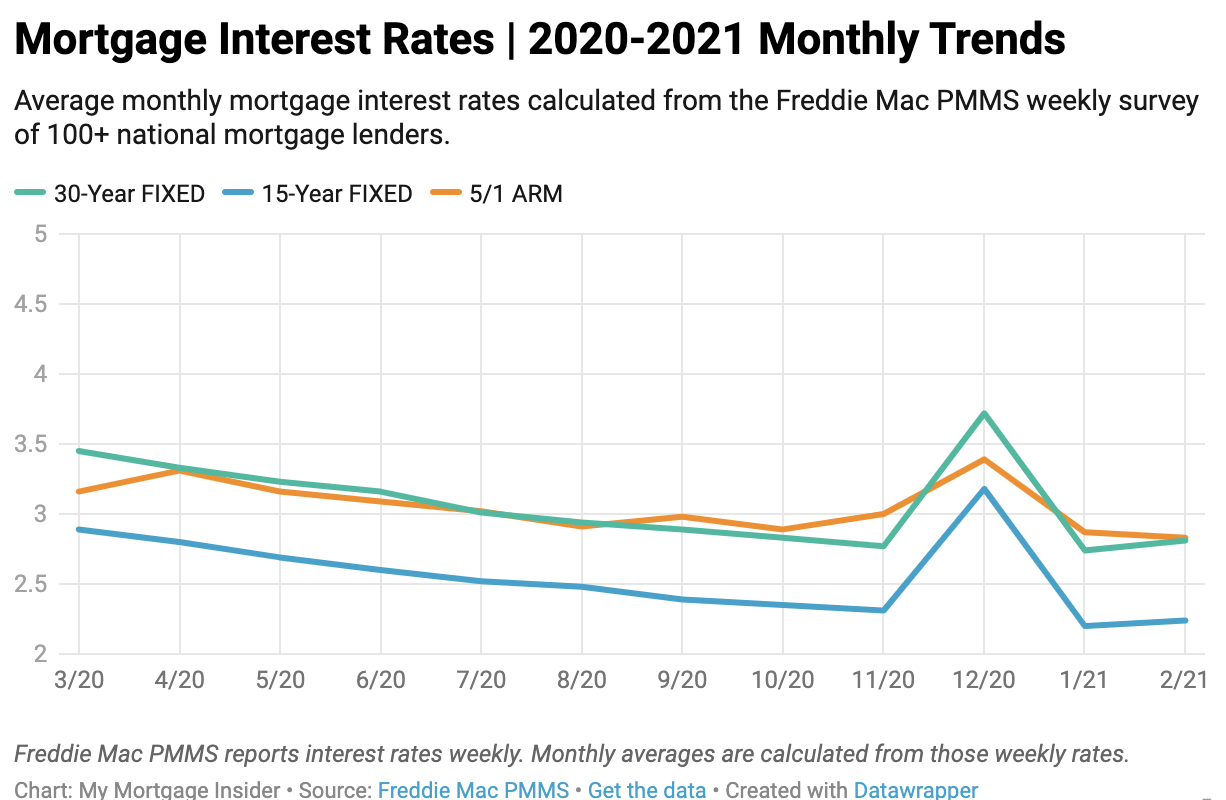
- Mortgage Rates: These have climbed significantly from their pandemic-era lows. A typical 30-year fixed-rate mortgage, for example, can fluctuate based on market sentiment, inflation expectations, and the Fed’s actions. While specific numbers change daily, the trend has been towards higher rates, making homeownership less affordable for many.
- Auto Loan Rates: Financing a new or used vehicle has also become more expensive. These rates vary widely based on credit scores, loan terms, and vehicle type, but the overall cost of borrowing has risen in tandem with the broader rate environment.
- Personal Loans and Credit Card APRs: These are often the highest forms of consumer debt. Credit card annual percentage rates (APRs) are typically variable and directly tied to benchmark rates like the prime rate, which moves in lockstep with the federal funds rate. Consequently, carrying a balance on credit cards has become significantly more costly.
Current Saving Rates: CDs, Savings Accounts, and Money Market Accounts
The flip side of higher borrowing costs is potentially better returns for savers. Banks pass on some of the higher rates to attract deposits, although often with a lag and not always at the same magnitude as lending rates.
- High-Yield Savings Accounts: While traditional savings accounts at large banks may still offer relatively low rates, online banks and some credit unions now offer “high-yield” savings accounts with considerably more attractive annual percentage yields (APYs).
- Certificates of Deposit (CDs): CDs offer fixed returns for a specified period (e.g., 3 months, 1 year, 5 years). In a rising rate environment, shorter-term CDs might offer competitive yields, and overall CD rates have improved, presenting an opportunity for those willing to lock up their funds.
- Money Market Accounts: These offer a blend of savings and checking account features, with interest rates that typically track current market rates, offering better returns than standard savings accounts.
The Influence of Inflation: A Persistent Factor
Inflation remains a central character in the current interest rate narrative. When inflation is high, the purchasing power of money erodes, making future repayments less valuable than the original loan amount. To compensate for this loss of purchasing power and encourage saving, interest rates typically rise. Central banks actively use interest rate hikes as a tool to tame inflation by reducing aggregate demand in the economy. The current rates reflect ongoing efforts to bring inflation back to target levels, which has been a primary concern for policymakers globally.
How Current Rates Impact Your Wallet
The prevailing interest rate environment has direct, tangible effects on personal and business finances. Understanding these impacts is crucial for making smart financial moves.
For Borrowers: Managing Debt in a Changing Environment

Higher interest rates mean increased costs for virtually all forms of borrowing.
- Mortgages: Fixed vs. Adjustable Rates
- Fixed-Rate Mortgages: Homeowners with fixed-rate mortgages are shielded from rising rates, as their monthly payments remain constant. However, potential new homebuyers face significantly higher monthly payments than those who purchased when rates were lower.
- Adjustable-Rate Mortgages (ARMs): Borrowers with ARMs are directly exposed to rate increases. Once the initial fixed period ends, their interest rate adjusts based on a benchmark, potentially leading to substantial increases in monthly payments.
- Credit Cards and Personal Loans: The Cost of Convenience
Credit card debt, often carrying variable APRs, becomes significantly more expensive with rising benchmark rates. For those carrying balances, a larger portion of their payment goes toward interest, making it harder to pay down principal. Personal loans also reflect the higher cost of borrowing, making them less attractive for consolidating debt or financing large purchases. - Business Loans: Funding Growth and Operations
For businesses, higher interest rates translate to increased costs for financing expansion, inventory, or operations. This can dampen investment, slow hiring, and potentially impact profitability, especially for businesses reliant on debt financing. Small businesses, in particular, may feel the pinch more acutely due to less favorable lending terms.
For Savers: Maximizing Returns on Deposits
While borrowing gets more expensive, saving becomes more rewarding.
- Finding High-Yield Opportunities: The current environment makes it prudent to move funds from low-interest traditional savings accounts to high-yield online savings accounts or money market accounts, which offer significantly better returns.
- Considering Certificates of Deposit (CDs): CDs, especially those with shorter maturities (e.g., 6 months to 2 years), can offer attractive fixed returns, allowing savers to lock in a yield before rates potentially stabilize or decline. Laddering CDs (investing in CDs with staggered maturity dates) can be a smart strategy to manage liquidity and capture future rate changes.
For Investors: Strategic Portfolio Adjustments
Interest rates are a key factor influencing investment strategies across various asset classes.
- Bonds: Yields and Price Sensitivity
Bond prices move inversely to interest rates. As rates rise, newly issued bonds offer higher yields, making existing lower-yielding bonds less attractive and causing their prices to fall. This has been a significant challenge for bond investors in recent periods of rate hikes. However, higher yields on new bonds also present opportunities for income-seeking investors looking for less volatile returns than stocks. - Stocks: Corporate Earnings and Growth Outlook
Higher interest rates can negatively impact stock valuations. They increase the cost of borrowing for companies, reducing their profitability. They also make future earnings less valuable in present terms through higher discount rates. Additionally, higher bond yields can make “risk-free” investments more attractive, diverting money from stocks. Sectors sensitive to consumer spending or heavily reliant on debt, like housing or certain growth companies, might feel the effects more acutely.
Understanding the Drivers: Why Rates Move
The “current” state of interest rates is a product of several powerful economic forces and policy decisions. Understanding these drivers helps in anticipating future movements and making proactive financial choices.
Central Bank Mandates: Price Stability and Full Employment
As discussed, central banks are the primary architects of monetary policy. Their decisions to raise, lower, or hold interest rates are guided by their mandates, typically centered around maintaining stable prices (low inflation) and maximizing employment. When inflation is high, central banks will generally raise rates to cool demand. When unemployment is high and economic growth is sluggish, they might lower rates to stimulate borrowing and investment.
Inflationary Pressures: The Enemy of Purchasing Power
Inflation is arguably the most dominant factor in the recent interest rate trajectory. When the cost of goods and services rises rapidly, money loses its purchasing power. Central banks respond by raising interest rates to curb demand, making borrowing more expensive and encouraging saving, thereby slowing down price increases. Sustained high inflation almost inevitably leads to higher interest rates.
Economic Growth and Employment Data: Indicators of Health
Strong economic growth, coupled with low unemployment and robust wage growth, can sometimes lead to inflationary pressures, prompting central banks to raise rates. Conversely, signs of economic slowdown or rising unemployment might lead central banks to consider rate cuts to stimulate activity. Economic reports, such as GDP growth, consumer spending, and jobs reports, are closely watched by central bank policymakers for clues about the economy’s direction.
Geopolitical Events and Global Market Sentiment: External Influences
Beyond domestic economic indicators, global factors can also sway interest rates. Major geopolitical events (like conflicts or trade wars), shifts in global supply chains, and changes in investor sentiment across international markets can all influence currency values, commodity prices, and capital flows, which in turn can impact a country’s interest rates. Global financial stability and interconnectedness mean that local rates are rarely isolated from worldwide events.
Strategizing for the Road Ahead: What to Consider
Given the dynamic nature of interest rates, a proactive and informed approach is essential. The “current” state is but a snapshot, and future movements will continue to shape financial landscapes.
Staying Informed: Reliable Sources for Rate Updates
Reliable information is your greatest asset. Keep an eye on announcements from your country’s central bank (e.g., Federal Reserve statements, FOMC minutes for the U.S.). Follow reputable financial news outlets, economic analysts, and financial publications that provide in-depth analysis of economic data and monetary policy decisions. Understanding the underlying reasons for rate changes is more valuable than just knowing the numbers.
Personal Financial Health Check: Adapting to Rate Changes
Periodically review your personal financial situation:
- Debt Management: If you have variable-rate debt (credit cards, ARMs), consider strategies to reduce or fix that debt. Refinancing into a fixed-rate loan might be an option if rates stabilize or slightly decline, or simply prioritizing aggressive pay-down of high-interest debt.
- Savings Optimization: Ensure your savings are working for you. Move funds to high-yield accounts or consider CDs to capitalize on better returns.
- Investment Portfolio: Re-evaluate your investment portfolio in light of the interest rate environment. This might involve adjusting your allocation between bonds and stocks, or focusing on sectors that are more resilient or even benefit from higher rates.
Consulting a Professional: Tailored Advice
For complex financial situations or significant investment decisions, consulting a qualified financial advisor is highly recommended. They can provide personalized advice tailored to your specific goals, risk tolerance, and current financial standing, helping you navigate the intricacies of the interest rate environment effectively. They can help you understand how current rates impact your long-term financial plan and suggest appropriate strategies.
In conclusion, current interest rates are a reflection of ongoing economic forces, primarily central bank efforts to control inflation and foster stable economic growth. While they present challenges for borrowers, they offer opportunities for savers and require thoughtful consideration from investors. By staying informed, understanding the underlying drivers, and taking proactive steps, individuals and businesses can effectively adapt to and thrive within the prevailing interest rate landscape.
aViewFromTheCave is a participant in the Amazon Services LLC Associates Program, an affiliate advertising program designed to provide a means for sites to earn advertising fees by advertising and linking to Amazon.com. Amazon, the Amazon logo, AmazonSupply, and the AmazonSupply logo are trademarks of Amazon.com, Inc. or its affiliates. As an Amazon Associate we earn affiliate commissions from qualifying purchases.