
Interest rates are the lifeblood of any modern economy, a critical mechanism that influences everything from the cost of your morning coffee (indirectly, through business loans) to the value of your retirement savings. They represent the cost of borrowing money or the return on lending it, acting as a crucial lever for central banks to manage economic growth, inflation, and stability. In today’s dynamic financial environment, understanding the current state of interest rates is not just for economists or financial professionals; it’s essential for every individual and business seeking to make informed decisions about their finances.

The question “what are interest rates today?” is rarely simple to answer with a single number. Instead, it refers to a complex web of rates—from the benchmark policy rates set by central banks to the varying rates on mortgages, credit cards, savings accounts, and business loans—all of which are in constant flux, shaped by a multitude of economic forces, policy decisions, and global events. This article will demystify current interest rates, exploring what drives them, how they impact your financial life, and strategies for navigating this ever-evolving landscape. By shedding light on these fundamental concepts, we aim to provide a professional, insightful, and engaging perspective that empowers you to better manage your money in the present economic climate.
Understanding the Fundamentals of Interest Rates
Before delving into the specifics of “today’s” rates, it’s crucial to grasp the foundational concepts that underpin interest rate mechanisms. This understanding forms the bedrock for interpreting market movements and central bank announcements.
Defining Interest Rates: The Cost of Money
At its core, an interest rate is the percentage charged by a lender to a borrower for the use of assets, typically expressed as an annual percentage of the principal amount. Conversely, it’s the return a lender or investor receives for providing capital. In essence, it’s the “price” of money. When you borrow, you pay interest; when you save or invest, you earn interest. This simple concept has profound implications across the entire financial system, influencing consumption, investment, and savings decisions for millions. The rate compensates the lender for the time value of money (the idea that money available today is worth more than the same amount in the future due to its potential earning capacity) and for the risk of default by the borrower. Different types of loans and investments will naturally carry different interest rates, reflecting varying risk profiles, loan durations, and market demands.
Key Players: Central Banks and Market Forces
The primary architect of the overall interest rate environment in most developed economies is the central bank. In the United States, this is the Federal Reserve; in the Eurozone, it’s the European Central Bank; and in the UK, the Bank of England. These institutions set a benchmark interest rate (e.g., the federal funds rate in the US), which serves as the foundational rate for the entire economy. By raising or lowering this rate, central banks aim to influence economic activity. For instance, lower rates encourage borrowing and spending, stimulating growth, while higher rates discourage borrowing, helping to cool an overheating economy and combat inflation.
However, central banks are not the sole determinants. Market forces play an equally vital role. The supply and demand for credit, inflation expectations, government borrowing, and global economic conditions all interact to shape the multitude of interest rates available to consumers and businesses. Banks, for example, set their lending rates based on the central bank’s benchmark, their own cost of funds, risk assessments of borrowers, and competitive pressures. Bond markets, where governments and corporations borrow over longer terms, are particularly sensitive to investor sentiment, inflation expectations, and future central bank policy.
The Dual Nature: Borrowing vs. Saving
For individuals, interest rates present a dual reality. On one hand, they represent the cost of borrowing money for significant purchases like homes (mortgages), cars (auto loans), or education (student loans), as well as day-to-day expenses using credit cards. When interest rates are high, these costs escalate, making it more expensive to finance aspirations or manage debt. On the other hand, interest rates are the income earned on savings and investments. High-yield savings accounts, Certificates of Deposit (CDs), and bonds offer higher returns when rates are elevated, rewarding savers and investors. This dichotomy means that a rising interest rate environment can be a boon for those with substantial savings or low debt, while posing challenges for those heavily reliant on borrowing. Understanding this dual nature is key to optimizing your personal financial strategy in any economic cycle.
Factors Influencing Today’s Interest Rates
The specific level of interest rates at any given moment is the outcome of a complex interplay of macroeconomic factors, central bank decisions, and global dynamics. To understand “what are interest rates today,” one must appreciate these underlying drivers.
Inflation: The Primary Driver
Inflation—the rate at which the general level of prices for goods and services is rising, and subsequently, purchasing power is falling—is arguably the most significant determinant of interest rates. When inflation is high and persistent, central banks typically raise interest rates to curb demand, making borrowing more expensive and saving more attractive. The goal is to slow down economic activity and bring price increases back to a manageable level, often targeting around 2%. Lenders also demand higher interest rates during inflationary periods to compensate for the erosion of their money’s purchasing power over time. Conversely, during periods of low inflation or deflation, central banks may lower rates to stimulate economic activity, preventing prices from falling too much and encouraging spending. The current inflationary environment has been a primary catalyst for many central banks to tighten monetary policy, leading to the higher interest rates we’ve observed recently.
Central Bank Policy: The Federal Reserve’s Role
The policy decisions of central banks, particularly influential ones like the Federal Reserve in the U.S., cast a long shadow over interest rates. The Fed’s Federal Open Market Committee (FOMC) meets regularly to assess economic conditions and determine the target range for the federal funds rate. This overnight lending rate between banks serves as the benchmark for a vast array of other interest rates throughout the economy, including the prime rate, which influences variable-rate loans like some mortgages, credit cards, and business lines of credit.
When the Fed “hikes” rates, it signals a desire to cool the economy, often in response to high inflation or robust growth. Conversely, “cuts” aim to stimulate economic activity during slowdowns or recessions. The Fed’s communication, known as “forward guidance,” is also crucial. Its pronouncements about future policy intentions can significantly impact market expectations and, consequently, long-term interest rates even before an actual policy change occurs. Monitoring the Fed’s stance and projections is paramount for anyone trying to anticipate future rate movements.
Economic Growth and Unemployment
The overall health of the economy, characterized by economic growth (GDP) and employment levels, significantly impacts interest rates. A strong, growing economy with low unemployment typically leads to higher demand for credit from businesses expanding and consumers spending more. This increased demand can push interest rates higher. Furthermore, a robust economy often correlates with higher inflation expectations, prompting central banks to lean towards tighter monetary policy.
Conversely, during periods of slow economic growth or rising unemployment, demand for credit tends to fall. Businesses postpone investments, and consumers tighten their belts. In such scenarios, central banks are more likely to lower interest rates to encourage borrowing, investment, and spending, thereby stimulating economic recovery. The relationship is cyclical: healthy economic indicators can justify higher rates, while downturns often necessitate lower rates to provide support.
Global Economic Conditions and Geopolitics
In an increasingly interconnected world, domestic interest rates are not immune to global forces. Economic performance in major trading partners, currency exchange rates, international capital flows, and geopolitical events can all spill over and influence local interest rate environments. For example, if global investors perceive a country’s economy as risky, they might demand higher yields on its government bonds, effectively pushing up long-term interest rates. Similarly, shifts in global commodity prices (like oil) can impact domestic inflation, prompting central bank responses. Geopolitical tensions, such as trade wars or conflicts, can introduce uncertainty, leading investors to seek safe-haven assets, which can suppress yields on government bonds in some countries while driving them up in others. The current complex global landscape, marked by supply chain disruptions, energy crises, and regional conflicts, adds layers of complexity to interest rate forecasting.
How Current Interest Rates Impact Your Personal Finances
The daily fluctuations and broader trends in interest rates have tangible, often profound, effects on the financial well-being of households and individuals. Understanding these impacts is crucial for making informed decisions about spending, saving, and borrowing.
Borrowing Costs: Mortgages, Loans, and Credit Cards
One of the most immediate and significant impacts of interest rate changes is on the cost of borrowing.
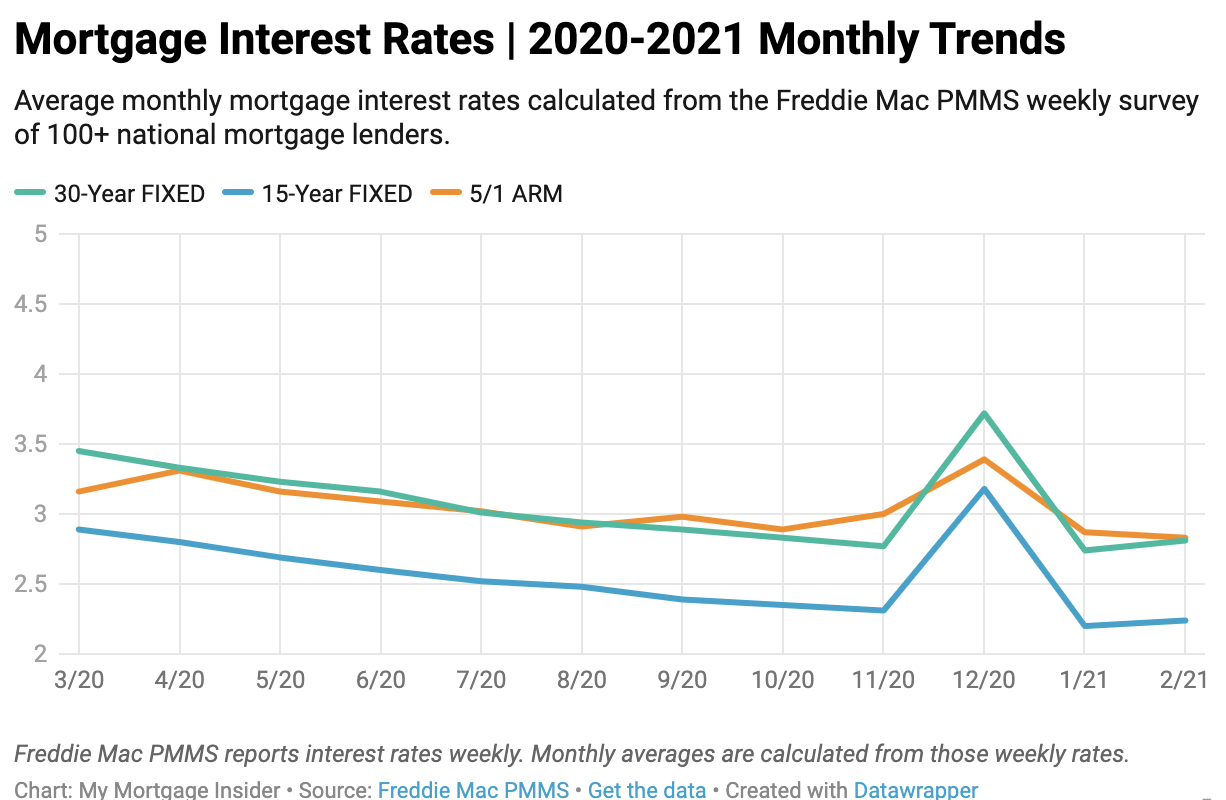
- Mortgages: For most people, a mortgage is their largest debt. When central banks raise rates, mortgage rates typically follow suit. This makes homeownership more expensive, as monthly payments increase for new borrowers or those with adjustable-rate mortgages (ARMs). Higher rates can also cool the housing market by reducing affordability and buyer demand. Conversely, lower rates make homes more affordable and can spur refinancing activity.
- Auto Loans and Personal Loans: The interest rates on car loans and personal loans also tend to move in tandem with benchmark rates. Higher rates mean higher monthly payments and a greater total cost of the loan over its term, making big-ticket purchases more expensive.
- Credit Cards: Credit card interest rates are often variable and directly tied to the prime rate, which is influenced by the federal funds rate. When the prime rate rises, so do the interest rates on credit card balances. This significantly increases the cost of carrying a balance, making it harder for consumers to pay off debt and potentially leading to higher minimum payments. Managing credit card debt becomes particularly challenging in a high-interest rate environment.
Savings and Investments: CDs, High-Yield Accounts, and Bonds
While higher borrowing costs can be a burden, a rising interest rate environment can be a boon for savers and certain types of investors.
- Savings Accounts and Money Market Accounts: Banks generally offer higher interest rates on savings accounts, money market accounts, and Certificates of Deposit (CDs) when the central bank raises its benchmark rate. This means your idle cash can earn a more substantial return, rewarding patience and prudent saving. High-yield savings accounts become particularly attractive during these periods.
- Certificates of Deposit (CDs): CDs, which lock in your money for a set period in exchange for a fixed interest rate, become very appealing. Higher rates allow you to secure a guaranteed return for months or years, offering a predictable income stream without market volatility for that portion of your savings.
- Bonds: Bonds, particularly newly issued ones, offer higher yields when interest rates rise, making them more attractive to income-focused investors. However, existing bonds with lower fixed interest rates will see their market value decrease as new, higher-yielding bonds become available. This inverse relationship between bond prices and interest rates is a critical concept for fixed-income investors.
Impact on Asset Prices: Stocks and Real Estate
Interest rates also have a significant, albeit indirect, impact on broader asset markets like stocks and real estate.
- Stocks: Higher interest rates can be a negative for stock markets. They increase the cost of borrowing for companies, impacting their profitability and investment plans. They also make bonds and savings accounts more attractive relative to stocks, as investors can get a decent return with less risk. This can lead to a reallocation of capital away from equities. Furthermore, higher rates are used by central banks to slow the economy, which can translate into lower corporate earnings and, consequently, lower stock valuations. Growth stocks, which rely heavily on future earnings, are often more sensitive to rate increases.
- Real Estate: Beyond the direct impact on mortgage rates, higher interest rates affect the broader real estate market. Increased borrowing costs can reduce housing demand, leading to slower price appreciation or even price declines. Commercial real estate can also be affected as developers face higher financing costs and investors demand higher cap rates (yields) on property investments. The overall economic slowdown often associated with higher rates can also reduce demand for office space, retail, and industrial properties.
Navigating the High (or Volatile) Interest Rate Environment
When interest rates are high or experiencing significant volatility, it necessitates a strategic approach to personal finance. Proactive management of debt, savings, and investments can help mitigate risks and capitalize on opportunities.
Strategies for Borrowers: Refinancing and Debt Consolidation
In a high-interest rate environment, managing debt becomes paramount.
- Prioritize High-Interest Debt: Focus on paying down debts with the highest interest rates first, such as credit card balances or personal loans. The cost savings from eliminating these rapidly compounding debts can be substantial over time. Consider the “debt avalanche” method where you pay the minimum on all debts except the one with the highest interest rate, on which you pay as much as possible.
- Evaluate Refinancing Options: If you have an existing loan with a variable rate or a fixed rate that is now significantly higher than current market offerings (which is less likely in a rising rate environment but possible if you locked into a very high rate previously and rates have since plateaued or dipped), explore refinancing. This involves taking out a new loan at a lower rate to pay off the old one. For mortgages, consider if an adjustable-rate mortgage (ARM) could be converted to a fixed rate if rates are expected to rise further, or if a lower fixed rate is available.
- Debt Consolidation: For multiple high-interest debts, consolidating them into a single loan with a lower interest rate can simplify payments and reduce overall interest costs. Options include personal loans, balance transfer credit cards (if you can pay it off within the promotional period), or even a home equity loan if you have sufficient equity and a good credit score. Exercise caution and ensure the new loan’s terms truly benefit you.
Strategies for Savers: Maximizing Returns
For savers, a high-interest rate environment can be a golden opportunity to grow wealth more quickly.
- Utilize High-Yield Savings Accounts (HYSAs): Move your emergency fund and other short-term savings from traditional checking or low-interest savings accounts into HYSAs. These accounts offer significantly higher interest rates, often adjustable with the central bank’s policy rate, providing a healthy return on your liquid cash.
- Invest in Certificates of Deposit (CDs): If you have funds you won’t need for a specific period (e.g., 6 months to 5 years), CDs can offer guaranteed returns that are often higher than HYSAs. Consider a “CD ladder” strategy, where you stagger CDs with different maturity dates. This allows you to access portions of your funds periodically and reinvest them at potentially higher rates if rates continue to climb.
- Explore Treasury Bills and Bonds: Short-term government securities like Treasury Bills (T-Bills) or longer-term Treasury Bonds (T-Bonds) become more attractive during periods of high interest rates. They offer competitive yields with the backing of the government, making them a very safe investment for a portion of your portfolio.
Investment Considerations: Balancing Risk and Reward
Navigating investments in a volatile interest rate environment requires careful consideration.
- Review Your Asset Allocation: Re-evaluate your portfolio’s mix of stocks, bonds, and cash. Higher interest rates can make bonds more appealing relative to stocks, as their yields increase. Consider if your current allocation aligns with your risk tolerance and financial goals in this new landscape.
- Focus on Quality Stocks: In an environment where borrowing costs are higher and economic growth might slow, companies with strong balance sheets, consistent cash flow, and pricing power tend to perform better. Growth stocks, often sensitive to interest rates, might face headwinds, while value stocks or dividend-paying stocks from stable sectors could offer more resilience.
- Reconsider Long-Duration Bonds: While new bonds offer higher yields, existing long-duration bonds (those with a long time until maturity) are more sensitive to interest rate changes. If rates are expected to continue rising, the market value of these bonds can decline significantly. Short-duration bond funds or individual short-term bonds may offer a safer alternative for fixed-income exposure.
- Diversification Remains Key: Regardless of the interest rate environment, maintaining a diversified portfolio across different asset classes, industries, and geographies is crucial to mitigate risk. Avoid making drastic, emotional changes to your investment strategy.
The Outlook for Interest Rates: What to Expect
Predicting the exact future trajectory of interest rates is notoriously difficult, as it hinges on a myriad of interconnected and often unpredictable economic and geopolitical developments. However, understanding the key indicators and expert perspectives can help individuals and businesses better prepare for potential shifts.
Central Bank Projections and Forward Guidance
Central banks are the primary shapers of the short-term interest rate environment, and their communications offer invaluable insights into their future intentions.
- Economic Projections: The Federal Reserve, for instance, publishes a “Summary of Economic Projections” (SEP) four times a year. This includes forecasts for GDP growth, unemployment, inflation, and—critically—the “dot plot,” which illustrates individual FOMC members’ projections for the federal funds rate over the next few years. While not a firm commitment, the dot plot provides a strong indication of the committee’s collective outlook.
- Speeches and Press Conferences: Statements from central bank governors and presidents, especially during post-meeting press conferences, offer context and nuance to policy decisions. Their emphasis on certain economic data points (e.g., core inflation, wage growth, labor market tightness) signals what factors will heavily influence future rate decisions.
- Policy Statements: The official statements released after policy meetings often contain specific language regarding the central bank’s stance, its assessment of economic risks, and its forward guidance on the likely path of interest rates. Any subtle change in wording can be scrutinized by markets for clues about upcoming moves.
Economic Forecasts and Market Sentiment
Beyond central bank pronouncements, a broader understanding of economic forecasts and market sentiment is vital for anticipating rate movements.
- Inflation Trends: The most critical factor remains inflation. If inflation proves more persistent than expected, central banks may be compelled to keep rates higher for longer or even resume increases. Conversely, clear signs of moderating inflation could pave the way for rate cuts. Key metrics to watch include the Consumer Price Index (CPI), Producer Price Index (PPI), and the Personal Consumption Expenditures (PCE) price index (the Fed’s preferred measure).
- Labor Market Data: A tight labor market, characterized by low unemployment and strong wage growth, can fuel inflation and push central banks to maintain higher rates. Data points like non-farm payrolls, unemployment rates, average hourly earnings, and job openings provide insights into labor market health.
- Economic Growth Indicators: GDP reports, manufacturing indices, retail sales data, and consumer confidence surveys offer a glimpse into the overall health and momentum of the economy. A robust economy might sustain higher rates, while a slowing economy could necessitate cuts.
- Market Expectations: Financial markets constantly price in their expectations for future interest rates. Bond yields, especially for government bonds, reflect these expectations. Watching the bond market’s reaction to economic data and central bank news can provide a real-time gauge of market sentiment regarding the future path of rates.

Preparing for Future Shifts
Given the inherent uncertainty, a resilient financial strategy doesn’t rely on precise predictions but rather on adaptability and preparedness.
- Maintain Financial Flexibility: Keep an adequate emergency fund in an accessible, interest-bearing account (like a HYSA). This provides a buffer against unexpected expenses or income disruptions, reducing the need to borrow at potentially high rates.
- Stress-Test Your Budget: Understand how your budget would fare if interest rates on your variable debts (like credit cards or ARMs) were to rise further. Can you comfortably absorb higher monthly payments? If not, prioritize paying down these debts now.
- Consult a Financial Advisor: For complex financial situations or investment decisions, a qualified financial advisor can provide personalized guidance, helping you align your portfolio and debt management strategies with your individual goals and the prevailing economic outlook. They can offer strategies tailored to both rising and falling interest rate environments.
- Stay Informed but Avoid Overreacting: While it’s important to stay abreast of economic news and interest rate developments, avoid making impulsive financial decisions based on short-term market fluctuations or sensational headlines. A long-term, disciplined approach usually yields the best results.
In conclusion, “what are interest rates today?” is a question that requires a multifaceted answer, acknowledging the interplay of central bank policy, inflation, economic growth, and global events. By understanding these dynamics and their impact on borrowing, saving, and investing, individuals can position themselves to navigate the current financial landscape with greater confidence and make well-informed decisions for their financial future.
aViewFromTheCave is a participant in the Amazon Services LLC Associates Program, an affiliate advertising program designed to provide a means for sites to earn advertising fees by advertising and linking to Amazon.com. Amazon, the Amazon logo, AmazonSupply, and the AmazonSupply logo are trademarks of Amazon.com, Inc. or its affiliates. As an Amazon Associate we earn affiliate commissions from qualifying purchases.