
Understanding current mortgage rates is crucial for anyone looking to buy a home, refinance an existing loan, or simply monitor the economic landscape. These rates, which represent the cost of borrowing money to purchase real estate, are not static; they fluctuate daily, influenced by a complex interplay of economic indicators, Federal Reserve policy, and global financial markets. For prospective homeowners and existing borrowers alike, grasping the dynamics behind these shifts is key to making informed financial decisions.
Understanding the Dynamics of Mortgage Rates
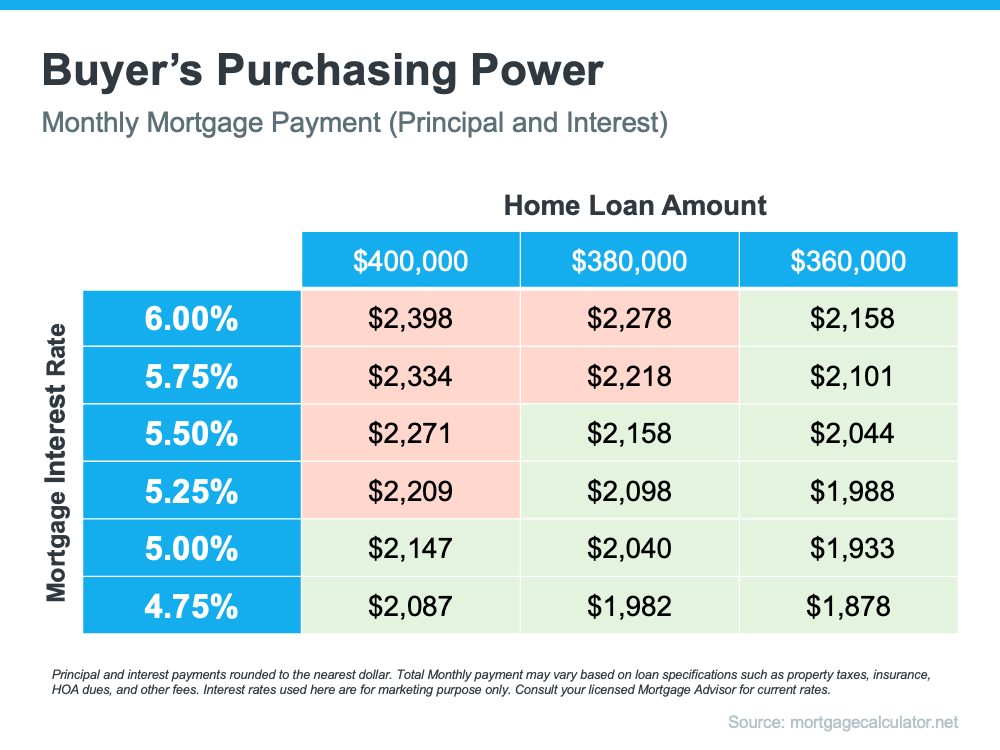
Mortgage rates are essentially the interest a lender charges on a home loan, expressed as a percentage of the loan amount. This percentage determines the size of your monthly mortgage payment, impacting your overall affordability and the total cost of your home over the loan’s lifetime. While a single “today’s rate” is often sought, in reality, rates vary significantly based on the type of loan, the lender, and the individual borrower’s financial profile.

At their core, mortgage rates are linked to the broader financial market. Lenders borrow money, often by selling mortgage-backed securities (MBS) to investors, and the yield on these securities largely dictates the rates offered to consumers. When investor demand for MBS is high, yields typically fall, allowing lenders to offer lower rates. Conversely, when demand is low or perceived risk is high, yields rise, pushing mortgage rates upward. This intricate relationship means that seemingly disparate economic news, from inflation reports to geopolitical events, can have a direct impact on what you pay for your home loan.
The sensitivity of mortgage rates to economic data means that financial markets are constantly pricing in expectations about future economic conditions. For instance, if markets anticipate higher inflation, investors will demand higher yields to compensate for the erosion of their purchasing power over time, leading to an increase in mortgage rates. Conversely, signs of an economic slowdown might lead investors to seek the relative safety of bonds, driving down yields and potentially lowering mortgage rates.
Key Factors Influencing Today’s Rates
Several primary economic and financial factors consistently exert the most influence over mortgage rates. A comprehensive understanding of these elements provides insight into why rates move the way they do and helps in forecasting future trends.
The Federal Reserve and Monetary Policy
While the Federal Reserve does not directly set mortgage rates, its actions have a profound indirect impact. The Fed’s primary tool, the federal funds rate, influences short-term interest rates throughout the economy. When the Fed raises the federal funds rate, it generally makes it more expensive for banks to borrow money, which can translate into higher interest rates for various loans, including some adjustable-rate mortgages (ARMs). More importantly, the Fed’s commentary on inflation, economic growth, and its balance sheet policy (like quantitative easing or tightening) significantly sways investor sentiment in the bond market, directly affecting mortgage-backed security yields and, consequently, fixed mortgage rates. For example, during periods of quantitative tightening, where the Fed reduces its bond holdings, it effectively removes a large buyer from the market, which can put upward pressure on yields and mortgage rates.
Inflation Expectations
Perhaps the most critical factor influencing mortgage rates is inflation. Lenders and investors demand a return that at least outpaces inflation to ensure their investment doesn’t lose purchasing power over time. If inflation is expected to rise, investors will demand higher interest rates on long-term fixed-income investments, including mortgage-backed securities. This increased demand for yield translates directly into higher mortgage rates for consumers. Central banks often combat high inflation by raising interest rates, further reinforcing this link. Economic reports detailing consumer price index (CPI), producer price index (PPI), and wage growth are closely watched indicators of inflationary pressures.
The Bond Market, Specifically the 10-Year Treasury Yield
Mortgage rates, particularly for 30-year fixed loans, are closely correlated with the yield on the 10-year U.S. Treasury note. The 10-year Treasury is a benchmark for many other long-term interest rates. Investors view Treasury bonds as relatively low-risk investments. When investors seek the safety of government bonds (e.g., during economic uncertainty), demand for Treasuries rises, which pushes their yields down. This can lead to lower mortgage rates. Conversely, when economic growth is strong and investors feel more confident in riskier assets, they may sell Treasuries, causing yields to rise and putting upward pressure on mortgage rates. The daily movement of the 10-year Treasury yield provides a real-time pulse of market expectations for long-term interest rates.
Economic Data and Global Events
Beyond the Fed and inflation, a host of economic reports and global occurrences can sway mortgage rates.
- Employment Reports: Strong job growth and low unemployment rates often signal a robust economy, which can contribute to inflationary pressures and higher rates. Conversely, weak employment data might suggest an economic slowdown, potentially leading to lower rates.
- Gross Domestic Product (GDP): A strong GDP report indicates economic expansion, which can fuel inflation concerns and prompt higher rates.
- Consumer Confidence and Retail Sales: These indicators reflect consumer spending habits and overall economic health, impacting market sentiment and rate expectations.
- Geopolitical Events: International conflicts, political instability, or significant policy changes in major economies can create uncertainty, driving investors towards safer assets like bonds, which can temporarily lower rates, or, conversely, exacerbate inflationary pressures, leading to higher rates.
Navigating Different Mortgage Products
The term “mortgage rates today” isn’t singular because different mortgage products carry different rate structures, impacting their suitability for various financial situations.
Fixed-Rate Mortgages
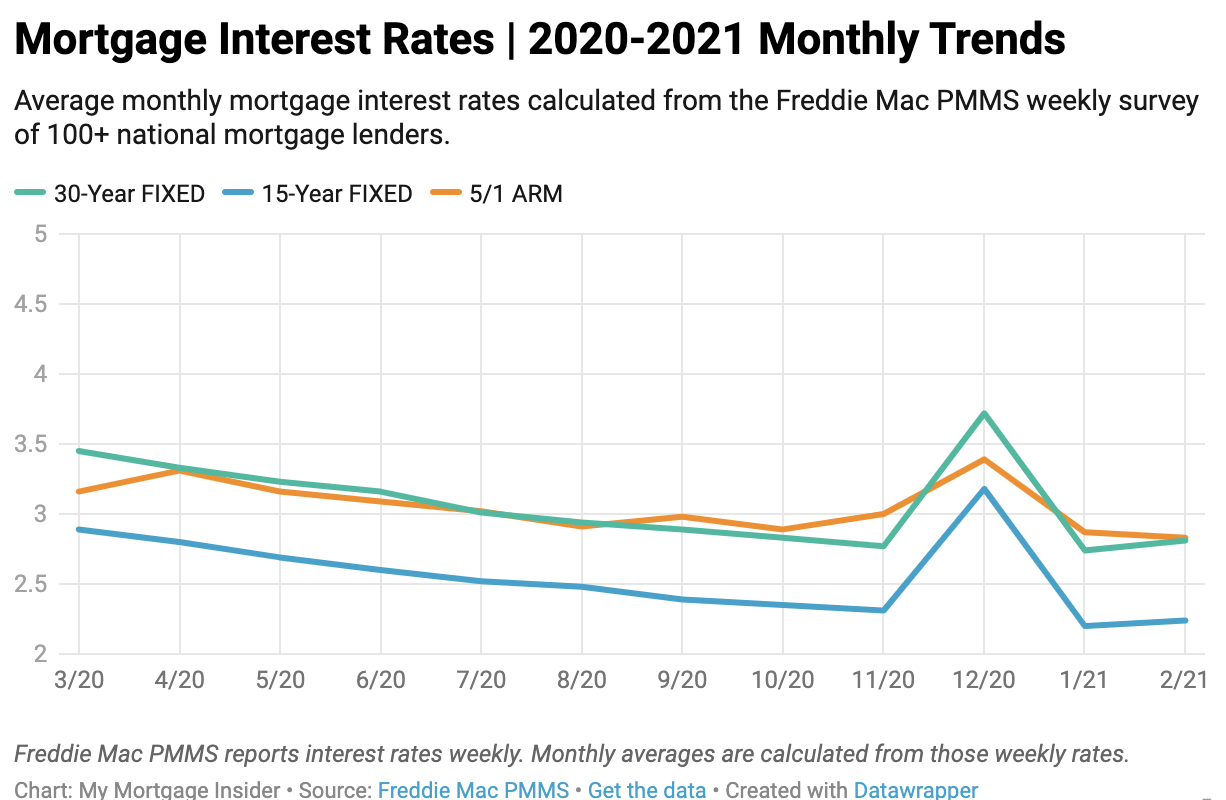
The most common type, fixed-rate mortgages, maintain the same interest rate for the entire life of the loan, typically 15 or 30 years. This provides predictability and stability in monthly payments, shielding borrowers from future rate increases. The initial rate for a fixed-rate mortgage is generally higher than the initial rate for an adjustable-rate mortgage during periods of economic stability, reflecting the lender’s risk in locking in a rate for an extended period. Borrowers who plan to stay in their home for many years often prefer fixed-rate loans for budgeting certainty.
Adjustable-Rate Mortgages (ARMs)
ARMs feature an initial fixed-rate period (e.g., 5, 7, or 10 years), after which the interest rate adjusts periodically based on a predetermined index (like the Secured Overnight Financing Rate or SOFR) plus a margin. While ARMs typically offer a lower initial interest rate than fixed-rate mortgages, they expose borrowers to the risk of higher payments if rates rise after the fixed period. ARMs can be attractive to borrowers who anticipate selling their home or refinancing before the fixed period ends, or those who expect their income to increase significantly in the future.
Government-Backed Loans
- FHA Loans: Insured by the Federal Housing Administration, these loans are designed to help low-to-moderate-income borrowers, often requiring lower down payments and having more lenient credit requirements. FHA loan rates are competitive but come with mandatory mortgage insurance premiums.
- VA Loans: Guaranteed by the U.S. Department of Veterans Affairs, these loans offer significant benefits to eligible veterans, service members, and surviving spouses, including no down payment requirements and competitive rates, often without private mortgage insurance.
- USDA Loans: Backed by the U.S. Department of Agriculture, these loans assist low-to-moderate-income individuals purchase homes in eligible rural areas, often requiring no down payment.
Each of these loan types serves a specific purpose and caters to different borrower profiles, with their rates fluctuating based on market conditions, albeit sometimes with specific caps or guarantees unique to their government backing.
Strategies for Securing the Best Rate
Given the dynamic nature of mortgage rates, proactive strategies can help borrowers secure the most favorable terms.
Improve Your Credit Score
A higher credit score signals to lenders that you are a lower-risk borrower, which can translate into access to lower interest rates. Lenders typically offer their best rates to borrowers with excellent credit (e.g., FICO scores of 740 or higher). Before applying for a mortgage, review your credit report for errors, pay down high-interest debt, and make all payments on time.
Increase Your Down Payment
A larger down payment reduces the loan-to-value (LTV) ratio, signifying less risk for the lender. This can qualify you for better interest rates. A down payment of 20% or more also typically allows you to avoid private mortgage insurance (PMI) on conventional loans, further reducing your monthly housing costs.
Shop Around for Lenders
Mortgage rates can vary significantly from one lender to another on any given day. It’s crucial to obtain quotes from multiple lenders – banks, credit unions, and mortgage brokers – to compare rates, fees, and terms. Lenders often have different pricing strategies and risk appetites, so a rate that one lender offers might be considerably different from another’s. Applying for multiple mortgages within a short window (typically 14 to 45 days, depending on the credit scoring model) will usually count as a single inquiry on your credit report, minimizing the impact.
Understand Mortgage Points and Closing Costs
Mortgage points, also known as discount points, are fees paid to the lender at closing in exchange for a lower interest rate over the life of the loan. One point typically costs 1% of the loan amount. Deciding whether to pay points depends on how long you plan to stay in the home. If you plan to keep the mortgage for many years, paying points might save you money in the long run. Conversely, if you expect to refinance or sell soon, paying points may not be cost-effective. Always compare the total cost of the loan with and without points. Additionally, be aware of all other closing costs, which can add thousands to your upfront expenses.
Consider a Rate Lock
Once you’ve found a favorable rate and submitted your application, your lender might offer a rate lock. This guarantees your interest rate for a specific period (e.g., 30, 45, or 60 days) while your loan is processed, protecting you from rate increases during that time. If rates fall significantly after you lock, some lenders may offer a “float-down” option for an additional fee, allowing you to secure the lower rate.
The Outlook for Mortgage Rates: What to Expect
Predicting the precise trajectory of mortgage rates is challenging, even for seasoned economists. However, current trends and expert consensus often point towards general directions. Factors such as the Federal Reserve’s stance on inflation, the strength of the labor market, and global economic stability will continue to be primary drivers.
In an environment where inflation remains a concern, the Federal Reserve is likely to maintain a cautious approach, which could keep interest rates elevated. If inflation shows consistent signs of cooling, the Fed might consider rate cuts, which could potentially translate to lower mortgage rates, though typically with a lag. However, other factors like strong economic growth or increased government borrowing could exert upward pressure on long-term rates regardless of the Fed’s short-term policy.
Borrowers should be prepared for continued volatility. The period of historically low rates seen in the past decade appears to be behind us for the foreseeable future. This necessitates a more strategic approach to mortgage planning. Staying informed about economic news, particularly reports on inflation, employment, and the Federal Reserve’s communications, is paramount. Consulting with a knowledgeable mortgage professional can also provide personalized insights and help navigate the complex landscape of today’s mortgage market, allowing you to align your financial goals with current rate opportunities.
aViewFromTheCave is a participant in the Amazon Services LLC Associates Program, an affiliate advertising program designed to provide a means for sites to earn advertising fees by advertising and linking to Amazon.com. Amazon, the Amazon logo, AmazonSupply, and the AmazonSupply logo are trademarks of Amazon.com, Inc. or its affiliates. As an Amazon Associate we earn affiliate commissions from qualifying purchases.