
The interest rate on a mortgage is arguably the most critical component of what you’ll pay for your home over its lifetime. More than just a number, it represents the cost of borrowing the money needed to purchase property, directly impacting your monthly payments and the total amount you’ll repay to the lender. Understanding this fundamental concept is paramount for anyone navigating the complex world of real estate and personal finance.
Understanding the Fundamentals of Mortgage Interest Rates
At its core, a mortgage interest rate is the percentage charged by a lender for the use of borrowed money to buy a home. It’s essentially the price you pay to borrow the principal amount of your loan. This rate is expressed annually as a percentage of the outstanding loan balance.
The Basic Definition
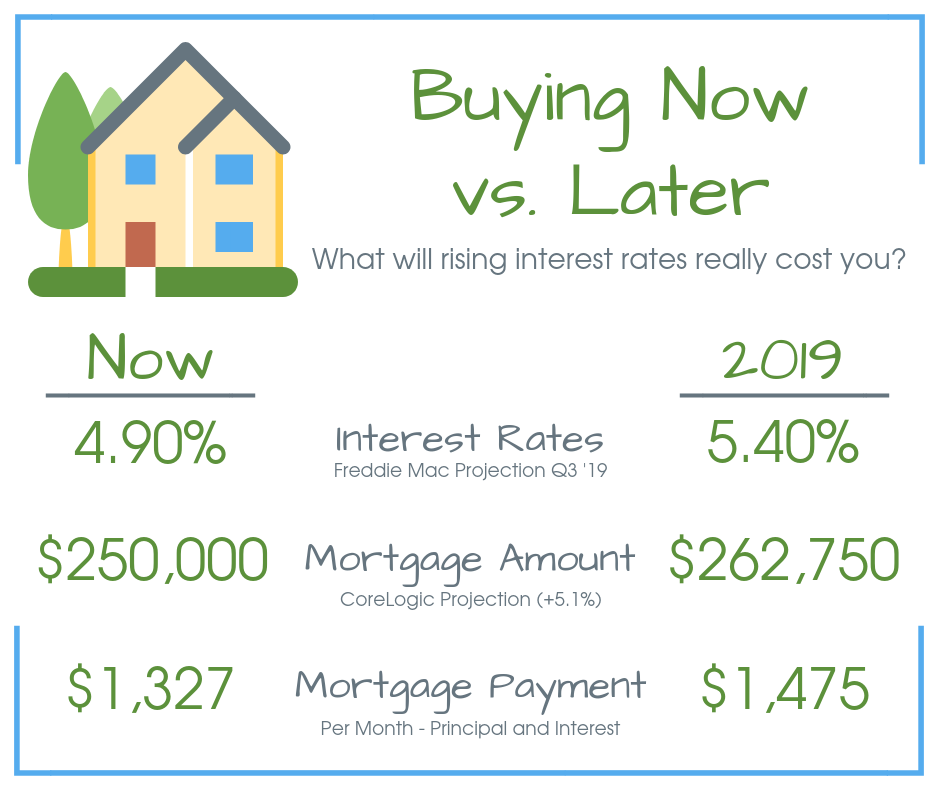
When you take out a mortgage, you’re agreeing to repay the principal loan amount plus interest over a set period, typically 15 or 30 years. The interest rate determines how much extra you pay beyond the principal. For example, a $300,000 mortgage at a 4% interest rate will cost you significantly more over 30 years than the same mortgage at a 3% interest rate, purely due to the compounding effect of interest. This seemingly small percentage point difference can translate into tens or even hundreds of thousands of dollars in total repayment.
Why Interest Rates Matter So Much
The long-term nature of mortgages makes interest rates exceptionally impactful. Even a fractional difference in the rate can drastically alter the affordability of your monthly payment and the overall cost of homeownership. A lower interest rate means a smaller portion of your monthly payment goes towards interest, allowing more to reduce the principal balance, thus building equity faster. Conversely, a higher rate means more of your early payments are allocated to interest, slowing down equity accumulation. This long-term financial leverage is why prospective homeowners spend considerable time monitoring and strategizing around interest rates.
Fixed vs. Adjustable Rates (ARMs)
Mortgage interest rates primarily come in two forms:
- Fixed-Rate Mortgages: With a fixed-rate mortgage, the interest rate remains constant for the entire duration of the loan. This provides predictability and stability, as your principal and interest payment will never change. Homeowners who value budgeting certainty and plan to stay in their home for many years often prefer fixed-rate loans, especially in a low-interest-rate environment.
- Adjustable-Rate Mortgages (ARMs): ARMs feature an initial fixed-rate period, typically 3, 5, 7, or 10 years, after which the rate adjusts periodically, usually once a year. The adjustment is tied to a specific market index (like the Secured Overnight Financing Rate, or SOFR) plus a margin set by the lender. While ARMs often offer lower initial rates than fixed-rate mortgages, the potential for rates to increase in the future introduces an element of risk and unpredictability to monthly payments. They can be attractive to buyers who plan to sell or refinance before the fixed-rate period ends, or those who anticipate their income will rise to offset potential rate increases.
Key Factors Influencing Your Mortgage Rate
Mortgage interest rates are not arbitrary; they are the product of a complex interplay of economic forces, lender policies, and individual borrower characteristics. Understanding these influences is key to securing the most favorable rate possible.
Economic Indicators
Broader economic conditions play a significant role in setting the baseline for mortgage rates:
- Inflation: When inflation rises, the purchasing power of money decreases. Lenders, to protect their returns, typically demand higher interest rates to compensate for the reduced value of future repayments.
- Federal Funds Rate: While the Federal Reserve does not directly set mortgage rates, its actions significantly influence them. The Federal Funds Rate, which is the target rate for interbank lending, impacts the cost of borrowing for banks. When the Fed raises this rate, it generally pushes up other interest rates, including those for mortgages, as the cost of funds for lenders increases.
- Economic Growth and Employment: A strong economy with low unemployment typically leads to higher demand for homes and, potentially, higher inflation, which can put upward pressure on rates. Conversely, a weakening economy might prompt the Fed to lower rates to stimulate activity.
- Bond Market (10-Year Treasury Yield): Mortgage rates tend to track the yield on the 10-year Treasury note. This is because mortgage-backed securities (MBS), which are how lenders finance many mortgages, compete with Treasuries for investor dollars. As Treasury yields rise, MBS yields (and thus mortgage rates) typically follow suit to remain competitive.
Lender-Specific Factors
Beyond the economy, individual lenders have their own considerations:
- Underwriting Standards: Each lender assesses risk differently. Their internal models and policies dictate how they weigh various borrower characteristics and economic conditions when setting rates.
- Profit Margins: Lenders need to make a profit. The margin they add to their base cost of funds will vary based on their business model, competition, and desired profitability.
- Loan Volume and Capacity: A lender with high demand or excess capacity might adjust rates to attract or deter new business.
Borrower-Specific Factors
Your personal financial profile significantly impacts the rate you’re offered:
- Credit Score (FICO Score): This is perhaps the most critical borrower-specific factor. A higher credit score (generally 740+) indicates a lower risk of default to lenders, qualifying you for the most competitive rates. Lower scores typically result in higher rates to compensate the lender for the increased risk.
- Down Payment Amount: A larger down payment reduces the loan-to-value (LTV) ratio, meaning you’re borrowing a smaller percentage of the home’s purchase price. This signals less risk to the lender and can help you secure a lower interest rate. A down payment of 20% or more also typically helps you avoid private mortgage insurance (PMI).
- Debt-to-Income (DTI) Ratio: This ratio compares your total monthly debt payments to your gross monthly income. A lower DTI (ideally below 43%) indicates you have more disposable income to cover your mortgage payments, making you a less risky borrower and potentially eligible for better rates.
- Loan Term and Type:
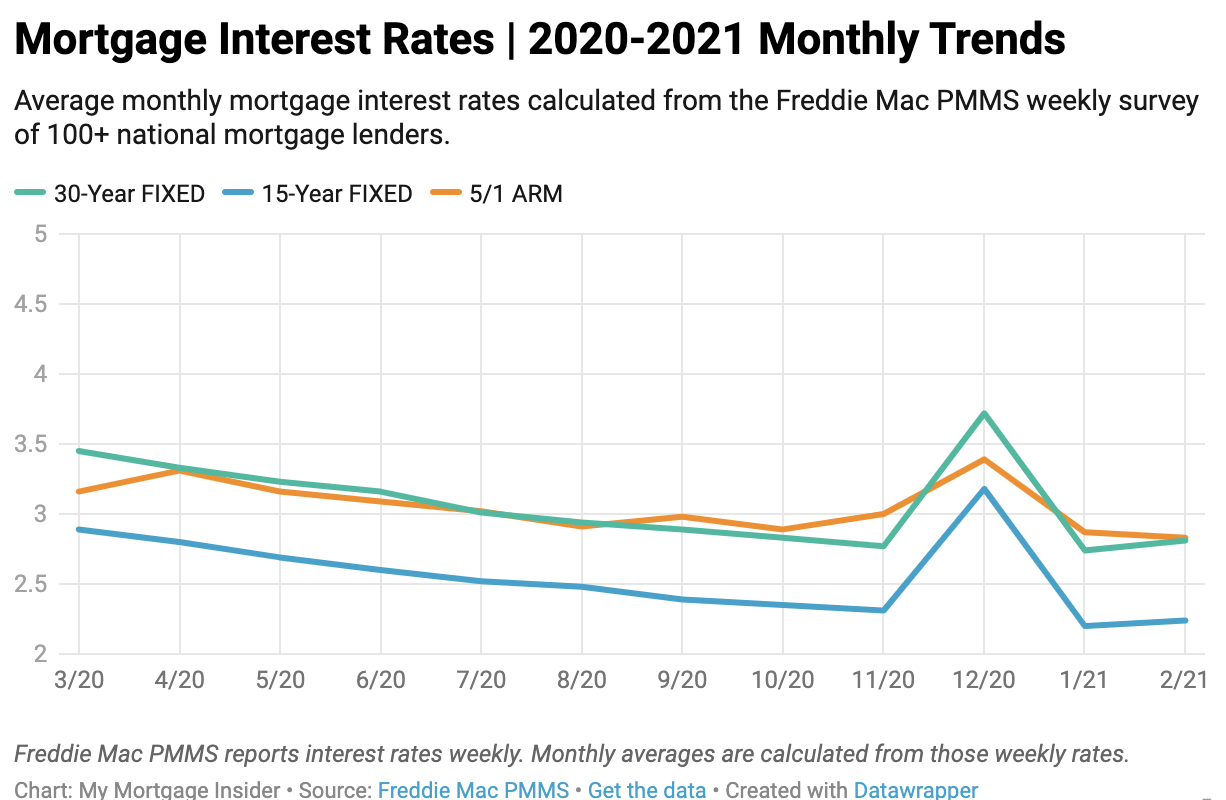
- Loan Term: Shorter loan terms (e.g., 15-year fixed) typically come with lower interest rates than longer terms (e.g., 30-year fixed) because the lender assumes less interest rate risk over a shorter period.
- Loan Type: Government-backed loans (FHA, VA, USDA) often have different rate structures and requirements compared to conventional loans. VA loans, for instance, are known for offering highly competitive rates due to the government guarantee.
The Mortgage Rate Application Process and How Rates are Quoted
Navigating the mortgage process involves more than just finding a house; it requires understanding how lenders quote rates and what steps to take to secure them.
Pre-approval vs. Pre-qualification
- Pre-qualification: This is an initial estimate of how much you might be able to borrow, based on a brief review of your finances. It’s not a commitment from the lender and doesn’t involve a hard credit pull, so it has minimal impact on your credit score.
- Pre-approval: This is a more thorough process where the lender verifies your financial information (income, assets, debts) and conducts a hard credit inquiry. If approved, you receive a letter stating the maximum loan amount you qualify for, often including an estimated interest rate. A pre-approval signals to sellers that you are a serious and qualified buyer.
Rate Locks Explained
Once you’ve applied for a mortgage and are close to closing, you can “lock in” your interest rate. A rate lock guarantees that your interest rate will not change between the time of the lock and the closing date, usually for a period of 30, 45, or 60 days. This protects you from market fluctuations. If rates drop significantly after your lock, some lenders might offer a “float down” option, but this usually comes with an additional fee. Without a rate lock, your rate could increase before closing, impacting your monthly payments.
Understanding APR vs. Interest Rate
It’s crucial to distinguish between the advertised interest rate and the Annual Percentage Rate (APR):
- Interest Rate: This is the nominal rate your lender charges on the principal balance of your loan. It’s used to calculate your monthly principal and interest payment.
- APR: The APR is a broader measure of the total cost of borrowing, including the interest rate plus certain other charges such as origination fees, discount points, mortgage insurance, and other lender fees. The APR is typically higher than the interest rate and provides a more comprehensive picture of the true cost of the loan over its life. When comparing loan offers, comparing APRs is often a more accurate way to assess the total cost than just looking at interest rates alone.
The Importance of Shopping Around
One of the most effective strategies for securing a favorable rate is to shop around and get quotes from multiple lenders. Different lenders have varying overheads, risk assessments, and profit margins, leading to different rate offerings even for the same borrower profile. Obtaining quotes from at least three to five lenders can reveal significant differences in interest rates and fees, potentially saving you thousands of dollars over the life of the loan.
Strategies for Securing a Better Mortgage Rate
While some factors influencing mortgage rates are beyond your control, several actionable strategies can empower you to improve your position and potentially secure a lower rate.
Improving Your Credit Profile
Your credit score is paramount. Before applying for a mortgage, take steps to improve your creditworthiness:
- Pay bills on time: Payment history is the most significant factor in your credit score.
- Reduce outstanding debt: Especially credit card balances, as high utilization ratios negatively impact scores.
- Avoid opening new credit accounts: This can temporarily lower your score.
- Check your credit report for errors: Dispute any inaccuracies immediately.
Increasing Your Down Payment
A larger down payment reduces the loan amount and the lender’s risk. Aim for 20% or more to avoid Private Mortgage Insurance (PMI) and often qualify for a lower interest rate. Even if you can’t reach 20%, a higher down payment relative to what you originally planned can still make a difference.
Reducing Your Debt Load
Lenders look at your debt-to-income (DTI) ratio. A lower DTI indicates you have more income available to cover your mortgage payments. Prioritize paying down high-interest debts before applying for a mortgage to improve this ratio.
Considering Shorter Loan Terms
While it means higher monthly payments, opting for a 15-year fixed mortgage instead of a 30-year fixed typically results in a significantly lower interest rate and substantial savings on total interest paid over the life of the loan. This is a powerful strategy for those with the financial capacity for higher monthly outflows.
Exploring Mortgage Points
“Buying down the rate” or paying “discount points” involves paying an upfront fee to the lender in exchange for a lower interest rate. One point typically equals 1% of the loan amount. This can be a wise financial move if you plan to stay in the home for a long time, as the savings from the lower interest rate can eventually outweigh the upfront cost. However, calculate the break-even point to ensure it’s a beneficial strategy for your specific situation.
Navigating Future Rate Changes and Refinancing Opportunities
Mortgage rates are dynamic, influenced by constantly shifting economic conditions. Staying informed can open doors to significant savings through refinancing.
When to Monitor Market Trends
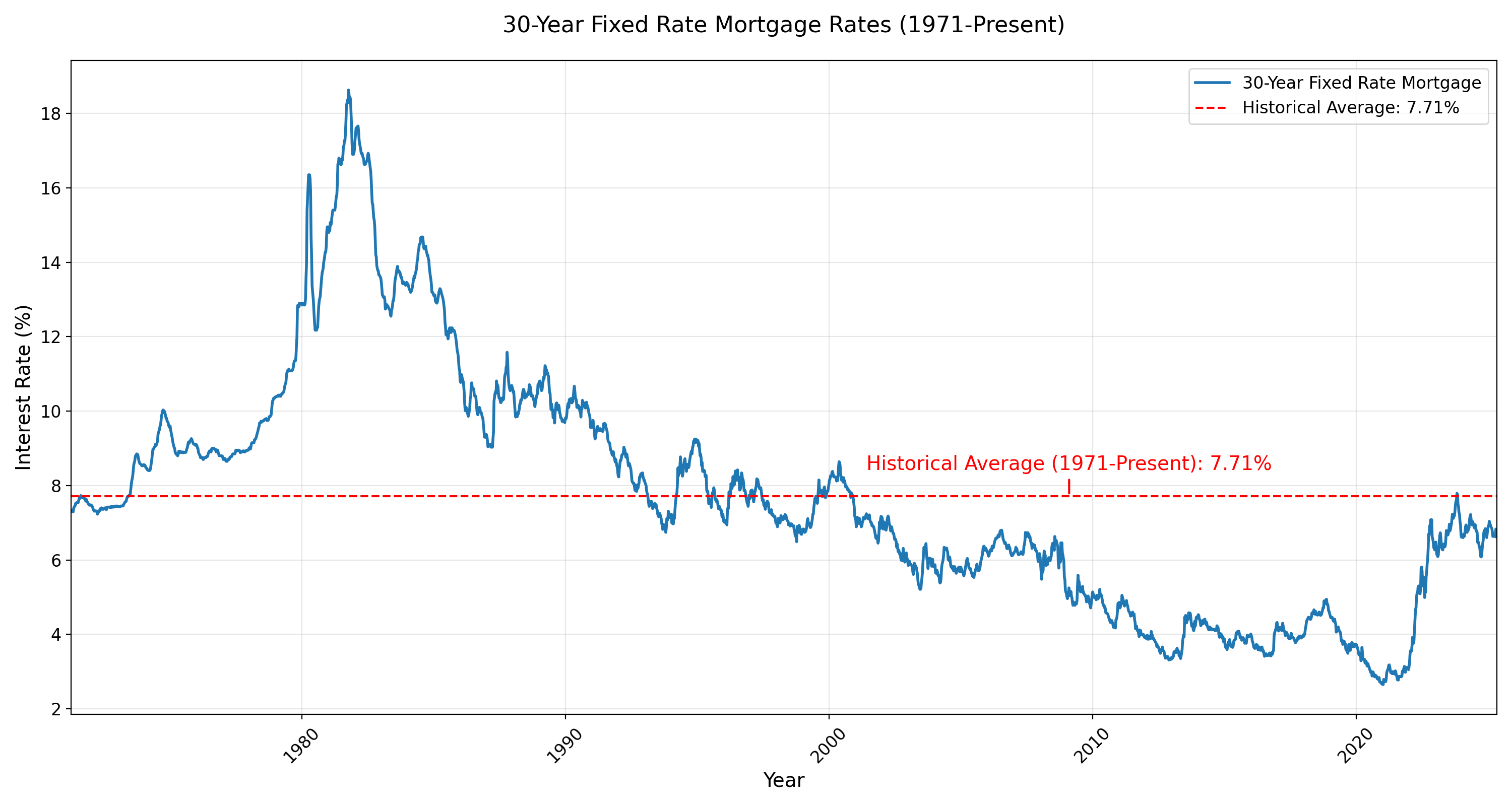
Even after closing on your home, it’s wise to keep an eye on interest rate trends. Economic forecasts, Federal Reserve announcements, and general market sentiment can signal potential shifts. Historically, a drop of 0.75% to 1% below your current rate is often considered a good threshold for exploring refinancing, but even smaller drops can be beneficial depending on your loan size and remaining term.
The Purpose of Refinancing
Refinancing involves replacing your existing mortgage with a new one. Homeowners typically refinance for several reasons:
- To lower their interest rate: If market rates drop significantly, refinancing can reduce your monthly payments and total interest paid.
- To change loan terms: You might switch from an ARM to a fixed-rate mortgage for stability, or from a 30-year to a 15-year term to pay off the loan faster.
- To tap into home equity (cash-out refinance): This allows you to borrow against your home’s equity, converting it into cash for major expenses like home improvements, debt consolidation, or other investments.
Calculating Refinancing Benefits
Before refinancing, carefully calculate whether the savings outweigh the closing costs associated with the new loan. Factor in fees such as origination charges, appraisal fees, title insurance, and other administrative costs. Determine your break-even point – how long it will take for the monthly savings to recover the refinancing costs. If you plan to sell your home before reaching that point, refinancing might not be financially advantageous.
The interest rate on a mortgage is a multifaceted financial instrument. Its impact on your monthly budget, long-term wealth, and overall financial health is profound. By understanding the factors that drive rates, diligently preparing your financial profile, shopping for the best terms, and remaining aware of market opportunities like refinancing, you can effectively manage one of the largest financial commitments of your life.
aViewFromTheCave is a participant in the Amazon Services LLC Associates Program, an affiliate advertising program designed to provide a means for sites to earn advertising fees by advertising and linking to Amazon.com. Amazon, the Amazon logo, AmazonSupply, and the AmazonSupply logo are trademarks of Amazon.com, Inc. or its affiliates. As an Amazon Associate we earn affiliate commissions from qualifying purchases.