
The quest for homeownership often begins with a fundamental question: “What is the current 30-year fixed mortgage rate?” This seemingly simple inquiry, however, opens the door to a complex, dynamic financial landscape that shapes the biggest investment most individuals will ever make. While providing a single, universally applicable “current rate” in a static article is impossible due to the real-time fluctuations of financial markets, understanding the mechanics of this popular loan product, the forces that influence its rates, and how to find the most favorable terms is crucial for anyone looking to enter the housing market or refinance an existing loan.
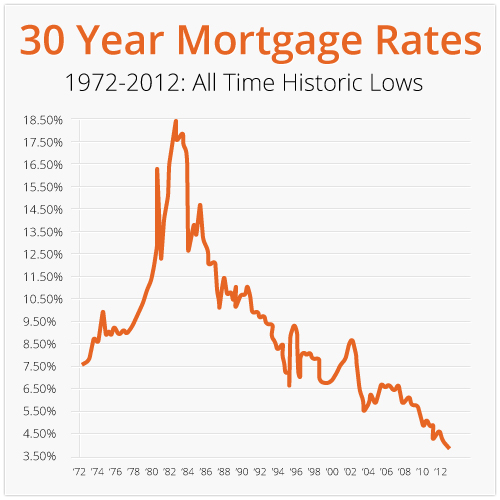
The 30-year fixed-rate mortgage has long been the bedrock of American home financing, lauded for its stability and predictable payments. It offers a unique blend of long-term affordability and financial security, making it a preferred choice for millions of homebuyers. This article will delve into what defines this mortgage product, the key economic indicators that dictate its rates, and practical steps you can take to secure the best possible terms for your specific financial situation.
Understanding the 30-Year Fixed Mortgage
At its core, a 30-year fixed mortgage is a home loan where the interest rate remains constant for the entire 30-year term. This stability is its defining characteristic and primary appeal.
Definition and Core Mechanics
A 30-year fixed-rate mortgage is an amortization loan designed to be paid off over three decades. Each month, the borrower makes a payment that includes both principal (the original amount borrowed) and interest. In the early years of the loan, a larger portion of the payment goes towards interest, gradually shifting towards principal as the loan matures. By the end of the 30-year term, assuming all payments are made on time, the loan is fully paid off. The “fixed” aspect means that the interest rate you agree upon at closing will not change, regardless of economic shifts, inflation, or the Federal Reserve’s monetary policy. This provides unparalleled predictability in your monthly housing expenses.
Why 30 Years? Advantages for Borrowers
The 30-year term is popular primarily because it results in lower monthly payments compared to shorter-term mortgages like 15-year fixed loans. Spreading the repayment over a longer period reduces the principal and interest portion of each installment, making homeownership more accessible and manageable for many households. This reduced monthly burden can free up cash flow for other financial goals, such as saving for retirement, investing, or handling unexpected expenses. While borrowers will pay more interest over the life of a 30-year loan compared to a 15-year loan (due to the longer repayment period), the lower monthly payment offers a significant advantage in terms of budget flexibility and qualification for larger loan amounts. It also acts as a built-in hedge against inflation, as future payments are made with increasingly less valuable dollars, while the principal balance remains fixed in nominal terms.
The “Fixed” Rate: Stability in an Unpredictable Market
The most compelling feature of a fixed-rate mortgage is its immunity to interest rate fluctuations. In an economic environment marked by uncertainty, where inflation and central bank policies can lead to rapid shifts in borrowing costs, knowing that your mortgage payment will never change offers immense peace of mind. This predictability allows homeowners to budget effectively and plan their long-term finances with confidence. Unlike adjustable-rate mortgages (ARMs), which can see their rates reset periodically, potentially leading to higher payments, the 30-year fixed mortgage provides a consistent financial commitment that simplifies personal financial planning and reduces stress related to market volatility. This stability is particularly valuable during periods of rising interest rates, protecting borrowers from payment shock.
Factors Influencing Current Mortgage Rates
Mortgage rates are not set in a vacuum; they are a complex interplay of various economic forces, government policies, and market dynamics. Understanding these influences is key to grasping why rates move up and down.
Economic Indicators: Inflation, GDP, and Employment
Several broad economic indicators exert significant influence on mortgage rates. Inflation, specifically, is a primary driver. Lenders charge interest to earn a return on their money and to compensate for the erosion of purchasing power due to inflation. When inflation is high or expected to rise, lenders demand higher interest rates to ensure a real return on their investment. Conversely, lower inflation can lead to lower rates. Gross Domestic Product (GDP), a measure of economic output, also plays a role. A strong, growing economy (high GDP) often signals greater demand for credit and potential inflation, which can push rates higher. A weak economy might lead to lower rates as demand for loans falls. Employment data, such as the unemployment rate and job growth, reflects the overall health of the economy and consumer spending power, indirectly influencing inflation expectations and interest rates. Strong employment typically means more robust economic activity, potentially leading to higher rates.
Federal Reserve Policy and the Federal Funds Rate
While the Federal Reserve does not directly set mortgage rates, its monetary policy decisions have a profound indirect impact. The Federal Funds Rate is the target interest rate set by the Fed for overnight lending between banks. When the Fed raises this rate, it signals a tightening of monetary policy, making it more expensive for banks to borrow from each other, which in turn can lead to higher interest rates across the financial system, including mortgages. Conversely, a reduction in the Federal Funds Rate signals an easing of monetary policy, often leading to lower mortgage rates. The Fed’s forward guidance and its outlook on the economy also play a crucial role in shaping market expectations, which lenders incorporate into their rate offerings.
Bond Market Dynamics: The 10-Year Treasury Yield
Perhaps the most direct influencer of fixed mortgage rates is the 10-Year U.S. Treasury yield. While not perfectly correlated, mortgage rates generally track the movement of the 10-year Treasury yield. This is because mortgage-backed securities (MBS), which are bundles of mortgages sold to investors, compete with Treasury bonds for investor dollars. When the yield on the 10-year Treasury rises, MBS must offer a higher yield (i.e., higher mortgage rates) to remain attractive to investors. Similarly, when Treasury yields fall, MBS can offer lower yields and still attract investors, leading to lower mortgage rates. Investors view Treasury bonds as relatively risk-free, so MBS must offer a premium to compensate for the added risk.
Lender-Specific Factors and Borrower Profile
Beyond macroeconomic forces, specific factors related to the lender and the individual borrower also impact the “current rate.” Lenders have varying overhead costs, profit margins, and risk assessments, which can lead to different rate offerings. Your personal credit score, debt-to-income (DTI) ratio, loan-to-value (LTV), and even the loan type (e.g., conventional, FHA, VA) will significantly influence the rate you qualify for. A borrower with an excellent credit score, low DTI, and a substantial down payment is generally perceived as less risky and will likely be offered a lower interest rate compared to a borrower with a less favorable financial profile.
How to Determine “The Current Rate” for You
Given the myriad of influencing factors, identifying a single “current rate” is misleading. Instead, you must focus on obtaining a personalized quote.
The Importance of Personalized Quotes
Online rate aggregators and news outlets often publish “average” or “benchmark” mortgage rates. While these can provide a general idea of market conditions, they are rarely the exact rate you will receive. Your actual rate will be customized based on your unique financial situation and the specific loan product you choose. To get an accurate understanding of your current 30-year fixed mortgage rate, you must request a personalized quote from multiple lenders. This involves providing details about your income, credit history, assets, and the property you intend to purchase or refinance.
Credit Score and Debt-to-Income Ratio (DTI)
Your credit score is one of the most critical determinants of your mortgage rate. Lenders use it to assess your creditworthiness and the likelihood of you defaulting on the loan. Borrowers with excellent credit scores (typically FICO scores of 740+) are offered the most competitive rates, as they represent the lowest risk. Scores below this threshold will generally result in higher rates or may even require specific loan programs (e.g., FHA loans).
Your debt-to-income (DTI) ratio is another vital metric. It compares your total monthly debt payments (including the proposed mortgage payment) to your gross monthly income. Lenders typically prefer a DTI ratio below 43%, though some loan programs allow for higher ratios. A lower DTI indicates that you have more disposable income to comfortably make your mortgage payments, making you a more attractive borrower and potentially qualifying you for better rates.
Loan-to-Value (LTV) and Down Payment
The loan-to-value (LTV) ratio compares the amount of your mortgage to the appraised value of the home. A higher down payment results in a lower LTV. For example, a 20% down payment on a $300,000 home means you’re borrowing $240,000, resulting in an 80% LTV. Lenders view lower LTVs as less risky because the borrower has more equity in the property from day one. This reduced risk often translates into lower interest rates and can help you avoid private mortgage insurance (PMI). Conversely, a small down payment (high LTV) increases the lender’s risk and can lead to higher rates and mandatory PMI.
Understanding APR vs. Interest Rate
When comparing loan offers, it’s crucial to understand the difference between the interest rate and the Annual Percentage Rate (APR). The interest rate is simply the cost of borrowing the principal loan amount, expressed as a percentage. The APR, however, represents the total cost of the loan, including the interest rate, origination fees, discount points, and other closing costs. It provides a more comprehensive picture of the true cost of borrowing over the loan’s term. Always compare APRs when evaluating offers from different lenders, as a loan with a slightly lower interest rate but significantly higher fees might end up being more expensive overall.
Navigating the Mortgage Market: Tips for Prospective Homebuyers
Finding the best 30-year fixed mortgage rate requires diligence and strategic planning. Here are key steps to ensure you secure the most favorable terms.
Shop Around and Compare Offers
This is perhaps the most important piece of advice. Do not settle for the first quote you receive. Contact multiple lenders—including large banks, credit unions, and independent mortgage brokers—to compare their rates, fees, and loan terms. Even a small difference in interest rate can save you tens of thousands of dollars over the life of a 30-year loan. Use the Loan Estimate form, which all lenders are required to provide, to make apples-to-apples comparisons of interest rates, APRs, closing costs, and other fees. Getting several quotes within a short period (typically 14-45 days) will count as a single inquiry on your credit report, minimizing the impact on your score.
Lock in Your Rate Strategically
Once you receive a favorable rate quote, you’ll have the option to “lock in” that rate for a specific period, usually 30, 45, or 60 days. This protects you from potential rate increases while your loan application is being processed. It’s a strategic decision: lock in when you believe rates might rise, or float the rate (don’t lock) if you expect them to fall further. Most borrowers choose to lock in their rate once they have a signed purchase agreement or are confident their loan will close within the lock period. Be aware that longer lock periods may come with a slightly higher interest rate or an additional fee.
Consider Refinancing Opportunities
For current homeowners, the “current” 30-year fixed mortgage rate isn’t just relevant for new purchases; it also presents refinancing opportunities. If market rates have dropped significantly since you obtained your original mortgage, or if your credit profile has improved, refinancing into a new 30-year fixed loan could reduce your monthly payments, lower your overall interest costs, or allow you to tap into home equity. Analyze the break-even point for refinancing (how long it takes for the savings to offset the closing costs) to determine if it’s a financially sound decision for your situation.
Seek Professional Guidance
Navigating the mortgage landscape can be complex. Working with a qualified mortgage professional, such as a loan officer or mortgage broker, can be invaluable. They can help you understand the nuances of different loan products, assess your financial situation, and guide you through the application process. A good professional will not only help you secure a competitive rate but also ensure you choose a loan that aligns with your long-term financial goals.
The Long-Term Impact of a 30-Year Fixed Mortgage
Beyond the immediate financial benefits, a 30-year fixed mortgage has significant long-term implications for wealth building and financial stability.
Building Equity and Wealth Over Time
One of the most profound benefits of a 30-year fixed mortgage is its role in building home equity. As you make principal payments each month, your ownership stake in the property increases. This equity represents a tangible asset that can grow over time, not only through your payments but also through potential home value appreciation. Home equity can be a powerful wealth-building tool, providing a source of collateral for future loans, or serving as a significant component of your net worth as you approach retirement. Unlike renting, where your monthly payments disappear, mortgage payments contribute directly to an appreciating asset.
Inflation Hedge and Cost of Living Stability
As discussed, the fixed nature of this mortgage acts as a powerful hedge against inflation. While your income and other living expenses may rise with inflation over three decades, your primary housing cost—your mortgage payment—remains constant. This provides exceptional stability in your cost of living, allowing your future earnings, which are typically higher in nominal terms due to inflation, to go further. In real terms, the burden of your mortgage payment diminishes significantly over time, making it feel increasingly affordable compared to other rising costs.

Potential for Prepayment and Financial Flexibility
While the loan is structured for 30 years, most 30-year fixed mortgages come without prepayment penalties. This means you have the flexibility to pay off your mortgage faster if your financial situation improves. Even small additional principal payments each month can significantly reduce the total interest paid and shorten the loan term. This flexibility allows homeowners to accelerate their path to debt-free homeownership, or strategically manage their finances by choosing to pay more when cash flow is abundant and sticking to the minimum when other financial priorities emerge. This blend of long-term security and optional flexibility makes the 30-year fixed mortgage an incredibly versatile financial tool.
In conclusion, understanding “what is the current 30-year fixed mortgage” goes beyond a simple number. It involves a deep dive into economic forces, personal financial health, and strategic decision-making. By educating yourself on these factors and diligently shopping for the best terms, you can confidently secure a mortgage that supports your homeownership dreams and long-term financial well-being.
aViewFromTheCave is a participant in the Amazon Services LLC Associates Program, an affiliate advertising program designed to provide a means for sites to earn advertising fees by advertising and linking to Amazon.com. Amazon, the Amazon logo, AmazonSupply, and the AmazonSupply logo are trademarks of Amazon.com, Inc. or its affiliates. As an Amazon Associate we earn affiliate commissions from qualifying purchases.