
Understanding the current landscape of fixed-rate mortgage rates is crucial for anyone considering buying a home, refinancing an existing loan, or simply managing their personal finances more effectively. In an ever-fluctuating economic environment, mortgage rates are a dynamic indicator, influenced by a myriad of factors ranging from global economic trends to domestic monetary policy. This article delves into what a fixed-rate mortgage entails, the forces that shape its interest rates, how to navigate the current market, and essential strategies for securing the most favorable terms for your financial future.
For many prospective homeowners, a fixed-rate mortgage represents stability and predictability—qualities highly valued in long-term financial commitments. Unlike adjustable-rate mortgages (ARMs), where interest rates can change periodically, a fixed-rate mortgage locks in the same interest rate for the entire life of the loan. This means your monthly principal and interest payments remain constant, offering peace of mind and easier budget planning for decades. However, the exact “current rate” is not a static number; it’s a moving target, varying daily, sometimes hourly, based on market conditions, the specific lender, and even your individual financial profile. Navigating this complexity requires a clear understanding of the underlying mechanics and an informed approach to securing the best possible deal.
Understanding Fixed-Rate Mortgages: The Foundation of Homeownership Stability
A fixed-rate mortgage is a cornerstone product in the residential lending market, prized for its straightforward nature and predictable payment schedule. It offers a level of financial certainty that is appealing to a broad spectrum of homebuyers, from first-time purchasers to seasoned investors.
Definition and Core Benefits of Fixed Rates
At its core, a fixed-rate mortgage is a loan used to purchase real estate where the interest rate remains the same for the entire term of the loan. This unvarying rate translates directly into consistent monthly principal and interest payments. For instance, if you secure a 30-year fixed-rate mortgage at 6%, your monthly payment (excluding taxes and insurance, which can fluctuate) will remain consistent for all 30 years.
The primary benefit of a fixed-rate mortgage is predictability. Homeowners can budget with confidence, knowing precisely what their housing cost will be each month. This eliminates the uncertainty associated with market fluctuations that can impact adjustable-rate mortgages, where payments can rise or fall based on an underlying index. This stability is particularly valuable during periods of economic uncertainty or rising interest rates, as it insulates the borrower from increased financial burden. Furthermore, the simplicity of a fixed payment schedule often makes financial planning and long-term budgeting much easier to manage, reducing stress and enhancing financial security.
Common Loan Terms and Their Implications
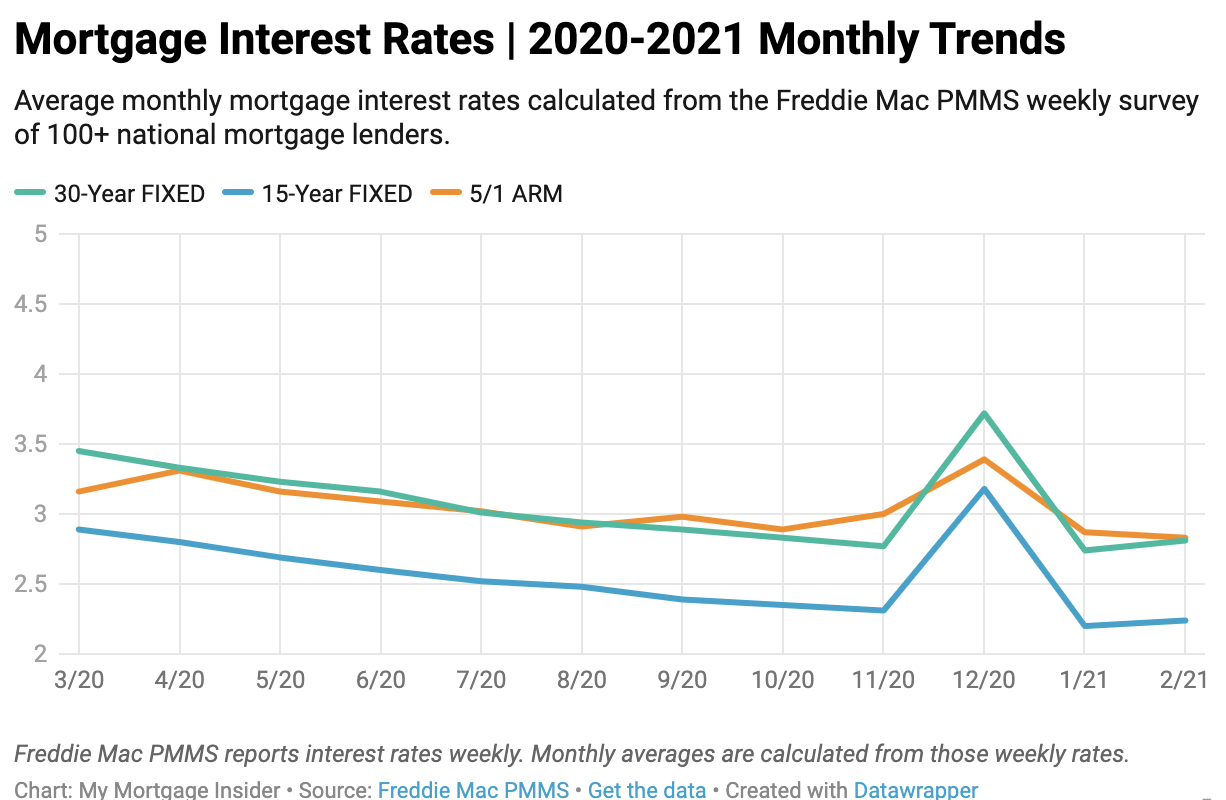
Fixed-rate mortgages are typically offered in various terms, with the 15-year and 30-year options being the most prevalent. Each term carries distinct financial implications that borrowers must weigh against their personal circumstances and financial goals.
- 30-Year Fixed-Rate Mortgage: This is the most common mortgage term in the United States. Its popularity stems from the fact that it offers the lowest monthly payments, making homeownership more accessible and affordable for a wider range of buyers. While the total interest paid over 30 years is significantly higher compared to shorter terms, the extended repayment period reduces the immediate financial strain, freeing up cash flow for other expenses or investments. This term is often favored by those who prioritize lower monthly outgoings or plan to move or refinance before the loan term expires.
- 15-Year Fixed-Rate Mortgage: A 15-year fixed mortgage typically comes with a lower interest rate than a 30-year loan. Because you’re paying off the principal much faster, your monthly payments will be considerably higher, but you’ll pay substantially less interest over the life of the loan. This option is ideal for borrowers who can comfortably afford higher monthly payments and wish to pay off their mortgage sooner, building equity at a much quicker pace and achieving financial freedom from mortgage debt in half the time. It requires a stronger financial position and a higher comfort level with a larger monthly commitment.
Other less common fixed-rate terms, such as 10-year, 20-year, or 25-year options, also exist, offering a middle ground for borrowers with specific financial strategies. The choice of loan term hinges on a borrower’s current income, future financial projections, risk tolerance, and long-term financial objectives.
Key Factors Influencing Fixed-Rate Mortgage Rates
Understanding what drives mortgage rates is essential for making informed decisions. Rates are not arbitrary; they are the result of complex interactions between various economic forces and market participants.
The Federal Reserve’s Role and Monetary Policy
While the Federal Reserve does not directly set mortgage rates, its monetary policy decisions exert a powerful indirect influence. The Fed’s primary tool is adjusting the federal funds rate, which is the target rate for overnight lending between banks. When the Fed raises this rate to combat inflation, it generally leads to higher interest rates across the financial system, including consumer loans and, eventually, mortgages. Conversely, a reduction in the federal funds rate, often aimed at stimulating economic growth, tends to push other rates lower.
However, mortgage rates are more directly tied to the bond market, specifically the yield on the 10-year Treasury note. Investors view Treasury bonds as a safe haven, and their yields often serve as a benchmark for other long-term interest rates. When bond yields rise, mortgage rates typically follow suit, and vice versa. The Fed’s actions and forward guidance heavily influence investor sentiment and, consequently, bond yields.
Inflation Expectations and Economic Health
Inflation is a critical driver of mortgage rates. Lenders need to ensure that the real return on their loans (after accounting for inflation) is profitable. If lenders anticipate higher inflation in the future, they will demand higher interest rates on long-term loans like mortgages to protect the purchasing power of their returns. Therefore, inflation expectations are baked into current mortgage rates. Strong economic growth, characterized by low unemployment and rising wages, can fuel inflation concerns, prompting rates to rise. Conversely, signs of economic slowdown or recession often lead to a flight to safety in the bond market, driving bond yields and mortgage rates lower. Major economic indicators, such as Gross Domestic Product (GDP) growth, unemployment rates, and consumer price indices, are closely watched by mortgage market participants for clues about future rate movements.
Global Events and Geopolitical Risks
The interconnectedness of the global economy means that events far beyond national borders can have a ripple effect on domestic mortgage rates. Geopolitical instability, international trade disputes, global pandemics, or major crises in other large economies can trigger shifts in investor behavior. Often, during times of global uncertainty, investors seek the safety of U.S. Treasury bonds, which increases demand and drives down their yields. As mortgage rates are generally correlated with Treasury yields, this “flight to quality” can lead to lower mortgage rates, even if domestic economic conditions seem robust. Conversely, a reduction in global risk aversion might see investors move towards riskier assets, potentially increasing bond yields and, subsequently, mortgage rates.
Navigating the Current Mortgage Rate Landscape
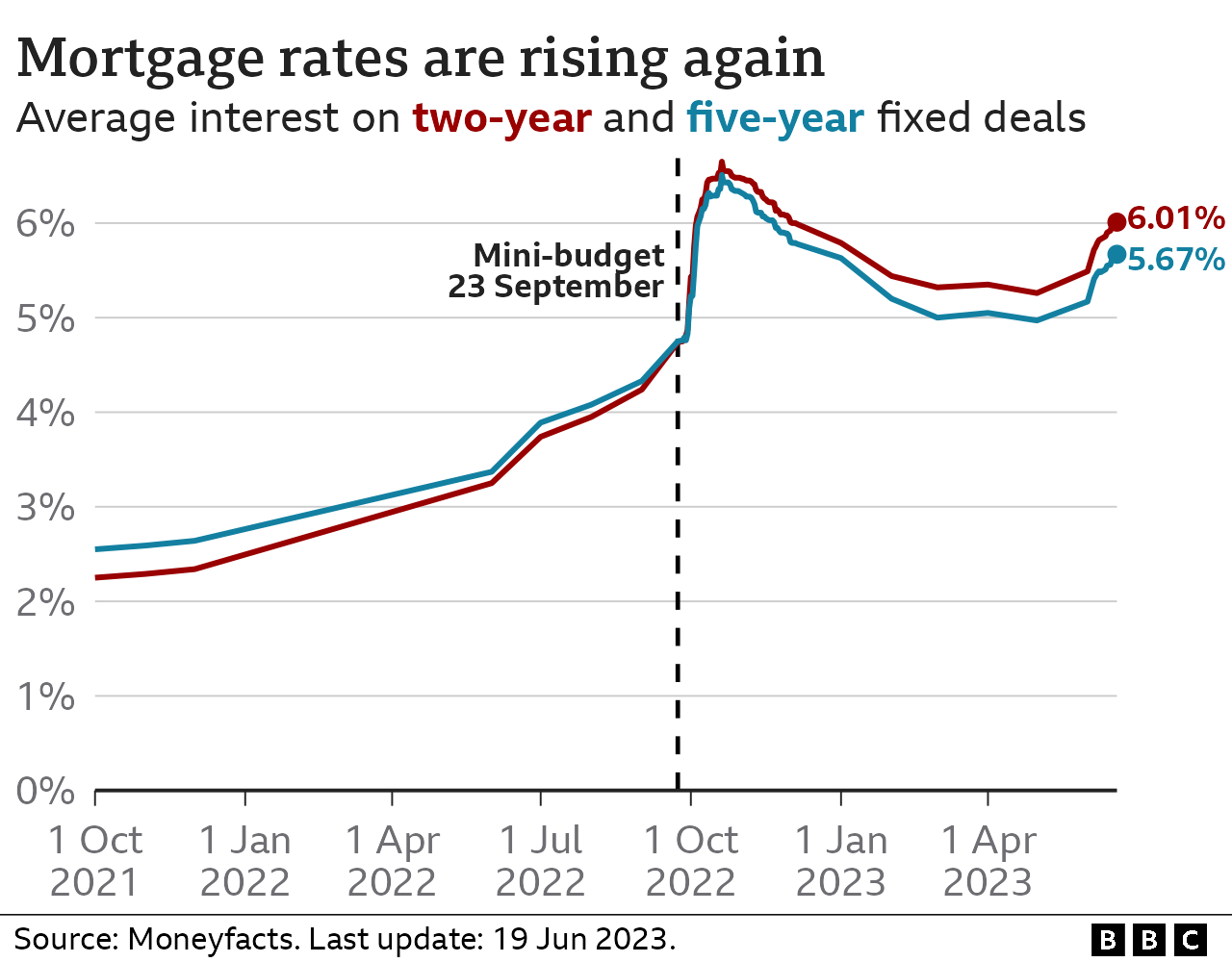
The “current rate” for a fixed-rate mortgage is a snapshot of market conditions at a particular moment. It’s influenced by all the factors discussed, making it highly dynamic. Understanding how to find and interpret these rates is crucial for any borrower.
Real-Time Rate Sources and Market Trends
To find the most current rates, borrowers should consult a variety of reliable sources. Reputable financial news websites (e.g., Bloomberg, Wall Street Journal, Reuters), financial aggregators (e.g., Bankrate, NerdWallet, Zillow Mortgages), and direct lender websites provide daily updates on average mortgage rates. These sources typically display rates for 30-year fixed, 15-year fixed, and various ARM options, often categorizing them by credit score tiers or other borrower characteristics.
It’s important to look beyond a single number and observe market trends. Are rates generally trending upwards, downwards, or remaining relatively stable? Recent economic news, central bank announcements, or shifts in bond yields often precede significant rate movements. For instance, if the Federal Reserve signals a more aggressive stance on interest rate hikes, it’s reasonable to expect mortgage rates to climb in anticipation. Conversely, signs of economic contraction might lead to a loosening of monetary policy and a subsequent drop in rates. Keeping an eye on these broader trends can help borrowers decide if it’s an opportune time to lock in a rate or to wait.
The Role of Points and Annual Percentage Rate (APR)
When comparing mortgage rates, it’s essential to understand the difference between the interest rate and the Annual Percentage Rate (APR), and the concept of points.
- Interest Rate: This is the percentage you pay on the principal loan amount. It directly determines your monthly principal and interest payment.
- Points (or Discount Points): These are fees paid directly to the lender at closing in exchange for a lower interest rate. One point equals 1% of the loan amount. For example, on a $300,000 mortgage, one point would cost $3,000. Paying points can reduce your interest rate, leading to lower monthly payments over the life of the loan. Borrowers must calculate the “break-even point”—how long it takes for the monthly savings from the lower rate to offset the upfront cost of the points—to determine if it’s a worthwhile investment based on their intended length of homeownership.
- Annual Percentage Rate (APR): The APR provides a more comprehensive measure of the true cost of a loan over its term. It includes not only the interest rate but also most of the other costs and fees associated with the loan, such as origination fees, discount points, and some closing costs. Comparing APRs is often a more accurate way to assess the total cost of different loan offers, as it standardizes the comparison across various lenders who may have different fee structures. A lower APR generally indicates a less expensive loan overall.
Strategies for Securing the Best Fixed-Rate Mortgage
Getting the best fixed-rate mortgage isn’t just about timing the market; it also involves proactive steps on the borrower’s part to present themselves as an attractive candidate to lenders.
Improving Your Financial Profile
Lenders assess your risk before offering a mortgage, and a stronger financial profile translates directly into more favorable interest rates.
- Credit Score: This is paramount. A high credit score (generally 740 and above) signals to lenders that you are a responsible borrower with a history of timely payments. Focus on paying bills on time, keeping credit utilization low, and correcting any errors on your credit report. A higher credit score can qualify you for the lowest advertised rates.
- Debt-to-Income (DTI) Ratio: Your DTI ratio is the percentage of your gross monthly income that goes towards debt payments. Lenders prefer a lower DTI, typically below 43%, as it indicates you have sufficient income to manage your mortgage payments alongside other financial obligations. Reducing credit card balances or other outstanding loans before applying for a mortgage can significantly improve your DTI.
- Down Payment: A larger down payment reduces the amount you need to borrow, thereby lowering the lender’s risk. This can lead to better interest rates and often eliminates the need for private mortgage insurance (PMI). While a 20% down payment is ideal, even slightly increasing your down payment above the minimum can have a positive impact on your rate and overall loan terms.
Shopping Around and Comparing Lenders
One of the most effective strategies for securing a competitive rate is to shop around. Do not settle for the first offer you receive.
- Gather Multiple Quotes: Contact at least 3-5 different lenders, including large national banks, local credit unions, and online mortgage brokers. Each lender has different overhead costs, risk assessments, and loan products, which can result in varying rates and fees for the same borrower.
- Compare Loan Estimates: Once you apply for a mortgage, lenders are required to provide a “Loan Estimate” form within three business days. This standardized document clearly outlines the interest rate, APR, closing costs, and monthly payments. Carefully compare these estimates side-by-side to identify the most cost-effective option. Pay close attention to fees that can vary significantly, such as origination fees, appraisal fees, and title insurance.
- Understand the Fine Print: Don’t hesitate to ask questions about any terms you don’t understand. Are there prepayment penalties? What are the exact closing costs? Transparency is key, and a good loan officer will be willing to walk you through all aspects of the offer.
The Importance of Rate Locks
Once you’ve found an attractive rate, consider locking it in. A rate lock is a guarantee from the lender that the interest rate offered will not change for a specified period (e.g., 30, 45, or 60 days) while your loan application is being processed.
- Protection Against Rising Rates: A rate lock protects you from market fluctuations. If rates rise during your application period, your locked rate remains valid.
- Consider the Lock Period: Choose a lock period that is long enough to cover your expected closing date, with a buffer for any unforeseen delays. Longer lock periods may come with a slightly higher interest rate or an additional fee.
- “Float-Down” Options: Some lenders offer a “float-down” option, which allows you to take advantage of a lower rate if market rates drop significantly after you’ve locked. This typically comes with an additional cost or specific conditions.

Conclusion: Making an Informed Mortgage Decision
The journey to securing a fixed-rate mortgage is a significant financial undertaking, laden with critical decisions that will impact your financial well-being for decades. While the “current rate” is a constantly moving target influenced by a complex interplay of global and domestic economic forces, understanding these drivers empowers you to navigate the market with confidence.
A fixed-rate mortgage offers unparalleled stability, providing predictable monthly payments that simplify budgeting and protect against future interest rate hikes. Whether you opt for a 15-year term for rapid equity building or a 30-year term for maximum affordability, the choice must align with your personal financial goals and risk tolerance. Crucially, securing the most favorable rate requires more than just passive observation of market trends. It demands proactive steps: meticulously improving your credit score and debt-to-income ratio, accumulating a substantial down payment, and diligently shopping around to compare offers from multiple lenders. The Annual Percentage Rate (APR) and the impact of points should be carefully evaluated to ascertain the true cost of the loan. Finally, strategically utilizing a rate lock can safeguard your chosen rate against adverse market movements.
In an environment where rates can shift frequently, staying informed and prepared is your best defense. Remember that while this article provides a comprehensive overview, personal circumstances vary greatly. Consulting with a qualified financial advisor or an experienced mortgage professional can provide tailored guidance, helping you to interpret the current market data in the context of your unique situation and ultimately make the most informed decision for your homeownership dreams.
aViewFromTheCave is a participant in the Amazon Services LLC Associates Program, an affiliate advertising program designed to provide a means for sites to earn advertising fees by advertising and linking to Amazon.com. Amazon, the Amazon logo, AmazonSupply, and the AmazonSupply logo are trademarks of Amazon.com, Inc. or its affiliates. As an Amazon Associate we earn affiliate commissions from qualifying purchases.