
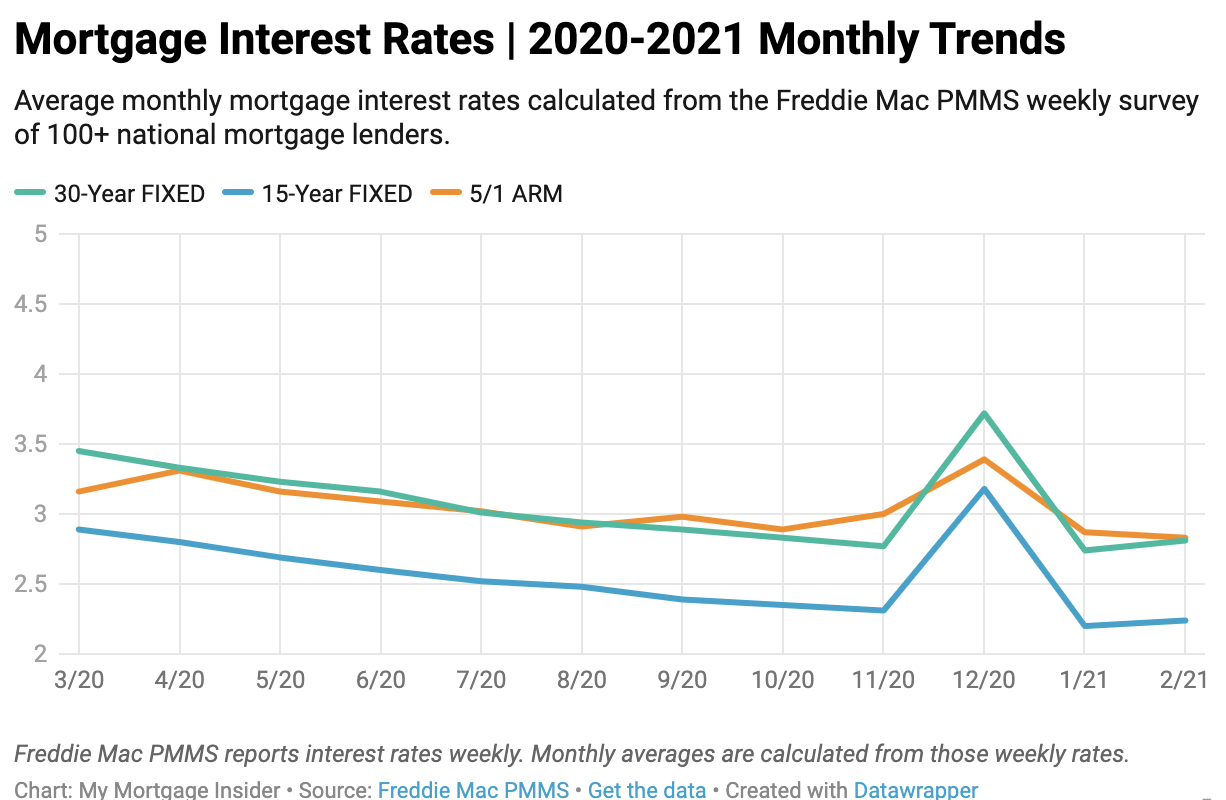
The current home mortgage rate is a dynamic figure, subject to daily fluctuations influenced by a complex interplay of economic indicators, Federal Reserve policies, and global market forces. Pinpointing an exact “current” rate requires checking real-time data from various lenders, but understanding the underlying mechanisms that drive these rates is crucial for any prospective homeowner or refinance candidate. Far from being a static number, mortgage rates reflect the broader economic climate, impacting affordability and access to housing for millions.
Understanding Mortgage Rates in a Dynamic Market
Mortgage rates are not set in stone; they are a direct reflection of the economy’s pulse. Borrowing for a home is a significant financial commitment, and the cost of that borrowing, expressed as the interest rate, is a critical component of monthly payments and overall loan expense.
Key Factors Influencing Mortgage Rates
Several powerful forces conspire to shape the mortgage rate landscape:
- Federal Reserve Policy: While the Federal Reserve doesn’t directly set mortgage rates, its actions profoundly influence them. The Federal Funds Rate, the target rate for overnight borrowing between banks, impacts short-term interest rates. More importantly for mortgages, the Fed’s stance on quantitative easing or tightening (buying or selling government bonds) directly affects the bond market, particularly the yield on the 10-year Treasury note. Mortgage rates typically track this benchmark closely. When the Fed signals a hawkish stance to combat inflation, mortgage rates tend to rise. Conversely, a dovish stance aimed at stimulating economic growth can lead to lower rates.
- Inflation Expectations: Lenders factor in inflation when setting rates. If inflation is expected to rise, the purchasing power of future repayments will diminish. To compensate for this anticipated loss, lenders demand a higher interest rate. Therefore, robust inflation reports or forecasts often push mortgage rates upward.
- Economic Data: Broader economic indicators provide a snapshot of the economy’s health. Strong employment reports, robust Gross Domestic Product (GDP) growth, and confident consumer spending can signal a healthy economy, which might lead the Fed to raise rates or reduce monetary stimulus, thereby increasing mortgage rates. Conversely, signs of economic weakness, such as rising unemployment or a contracting GDP, often prompt the Fed to consider rate cuts, which can lead to lower mortgage rates.
- Bond Market Performance: The secondary mortgage market, where loans are bought and sold, is heavily intertwined with the bond market. Mortgage-backed securities (MBS) compete with other fixed-income investments like Treasury bonds. When Treasury yields rise, MBS must offer higher yields (and thus higher mortgage rates) to remain competitive and attract investors. The 10-year Treasury yield is often seen as a bellwether for long-term fixed mortgage rates.
- Lender-Specific Factors: Beyond these macroeconomic forces, individual lenders also factor in their own operational costs, desired profit margins, and risk assessment for specific loan products and borrowers. This is why rates can vary slightly from one lender to another on any given day.
The Difference Between APR and Interest Rate
When evaluating mortgage offers, it’s crucial to distinguish between the nominal interest rate and the Annual Percentage Rate (APR).
- Interest Rate: This is the percentage charged by the lender for borrowing the principal amount. It directly determines the interest portion of your monthly payment.
- Annual Percentage Rate (APR): This represents the total annual cost of borrowing, expressed as a percentage. It includes not only the interest rate but also other loan costs, such as lender fees (origination fees, discount points), mortgage insurance, and certain closing costs. The APR provides a more comprehensive picture of the true cost of the loan and is useful for comparing different loan offers. A lower APR generally indicates a cheaper loan overall.
Navigating the Types of Mortgage Rates
The “current home mortgage rate” isn’t a single number but rather a spectrum of rates tied to different mortgage products. Understanding these distinctions is paramount for selecting a loan that aligns with your financial goals and risk tolerance.
Fixed-Rate Mortgages (FRM)
Fixed-rate mortgages are the most common type, offering predictability and stability. With an FRM, the interest rate remains constant for the entire duration of the loan. This means your principal and interest payment will never change, regardless of market fluctuations.
- Common Terms: The most popular fixed-rate terms are 30-year and 15-year mortgages. A 30-year FRM offers lower monthly payments but accrues more interest over the loan’s life. A 15-year FRM has higher monthly payments but allows you to pay off the loan faster and typically incurs significantly less total interest.
- Benefits: Predictable monthly payments make budgeting easier. Protection against rising interest rates.
- Drawbacks: You won’t benefit if market rates fall unless you refinance. Typically, initial interest rates are slightly higher than the introductory rates on ARMs.
Adjustable-Rate Mortgages (ARM)
Adjustable-rate mortgages offer an initial fixed-rate period, after which the interest rate adjusts periodically based on a predetermined index plus a margin.
- Common Structures: ARMs are often structured as “X/Y” loans, such as a 5/1 ARM or a 7/1 ARM. The first number (X) indicates the initial fixed-rate period in years (e.g., 5 years). The second number (Y) indicates how often the rate will adjust after the fixed period (e.g., every 1 year).
- Benefits: Lower initial interest rates compared to fixed-rate mortgages, making them attractive for buyers who plan to sell or refinance before the fixed period ends, or those expecting their income to rise significantly.
- Risks: Payments can increase substantially if interest rates rise after the fixed period. Rate caps (periodic and lifetime) limit how much the rate can change, but even with caps, increases can strain budgets. ARMs carry higher interest rate risk for the borrower.
Hybrid Options and Niche Products
Beyond the standard FRMs and ARMs, several specialized mortgage products cater to specific borrower needs:
- FHA, VA, and USDA Loans: These are government-backed loans designed to make homeownership more accessible. FHA loans are ideal for borrowers with lower credit scores or smaller down payments. VA loans offer competitive rates and no down payment for eligible military service members and veterans. USDA loans serve low-to-moderate income borrowers in eligible rural areas, often requiring no down payment. Their rates are influenced by general market conditions but also have specific program requirements.
- Jumbo Loans: For loan amounts exceeding conforming loan limits set by government-sponsored enterprises (Fannie Mae and Freddie Mac), jumbo loans are required. These typically carry slightly higher interest rates due to increased risk and stricter underwriting requirements.
- Interest-Only Mortgages: While less common and often riskier for borrowers, interest-only mortgages allow borrowers to pay only the interest for a set period. This results in lower initial payments but does not reduce the principal, leading to a large balloon payment or significantly higher payments once the interest-only period ends.
How to Find Your Best Mortgage Rate

Securing the most favorable mortgage rate involves more than simply checking online rate tables. It’s a strategic process that considers your financial health and diligent comparison shopping.
Credit Score: Your Financial Foundation
Your credit score is arguably the single most important factor influencing the mortgage rate you’ll be offered. Lenders use it to assess your creditworthiness and the likelihood of you repaying the loan.
- Impact on Eligibility and Rates: Borrowers with excellent credit scores (generally 740 and above) are seen as less risky and qualify for the lowest interest rates and most favorable terms. Lower credit scores translate to higher perceived risk for lenders, resulting in higher interest rates or even denial of a loan.
- Strategies to Improve Credit: Before applying for a mortgage, review your credit report for errors, pay down high-interest debt, avoid opening new lines of credit, and make all payments on time. A higher score could save you tens of thousands of dollars over the life of your loan.
Down Payment: More Equity, Better Terms
The size of your down payment plays a significant role in your mortgage rate and overall loan costs.
- Loan-to-Value (LTV) Ratio: Lenders calculate the LTV ratio (loan amount divided by the home’s value). A lower LTV, meaning a larger down payment, indicates less risk for the lender. Aiming for at least a 20% down payment is ideal.
- PMI Considerations: If your down payment is less than 20% of the home’s purchase price, most conventional lenders will require you to pay Private Mortgage Insurance (PMI). PMI adds to your monthly housing expense and does not benefit you directly. A larger down payment helps you avoid PMI and can also contribute to a better interest rate.
Shopping Around and Comparing Offers
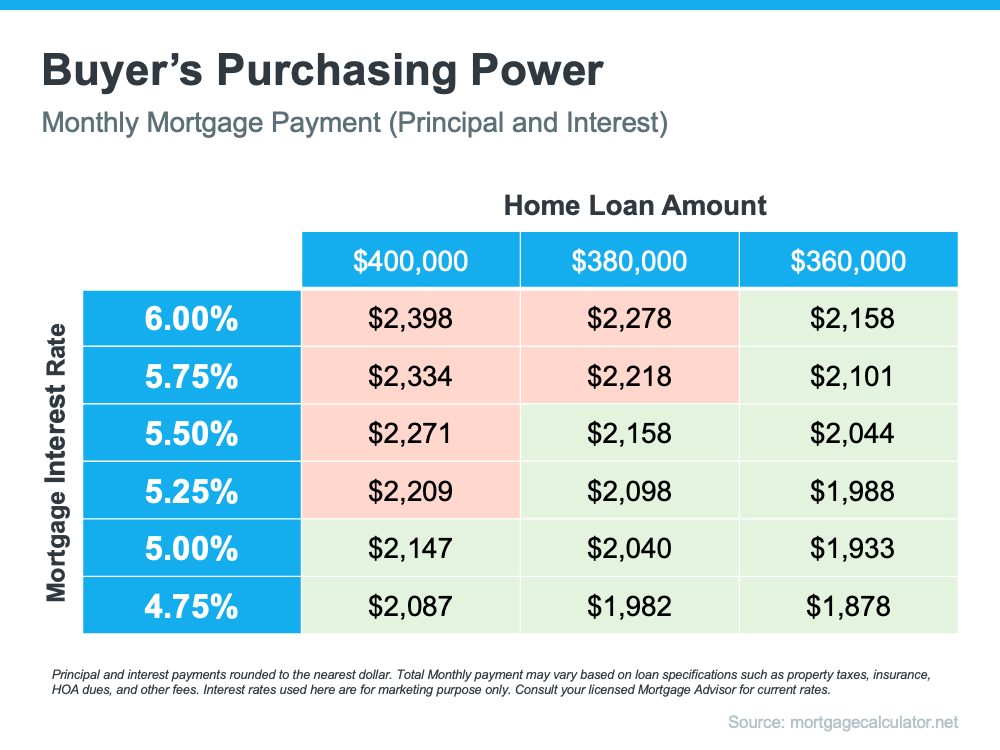
This is a critical, yet often overlooked, step. Mortgage rates can vary significantly between lenders, sometimes by as much as a quarter or half a percentage point, which can translate to thousands of dollars over the loan term.
- Importance of Getting Multiple Quotes: Obtain Loan Estimates from at least three to five different lenders—including banks, credit unions, mortgage brokers, and online lenders. Each lender will have slightly different pricing models and fees.
- Understanding Loan Estimates: Carefully compare the APR, interest rate, points, and other closing costs itemized on each Loan Estimate. Don’t just focus on the interest rate; the APR gives a more accurate overall cost comparison. Ensure you are comparing offers for the same loan type and term.
- Types of Lenders:
- Banks: Offer a wide range of products but may have stricter underwriting.
- Credit Unions: Often provide competitive rates and personalized service to members.
- Mortgage Brokers: Act as intermediaries, shopping your application to multiple lenders to find you the best deal, often for a fee.
- Online Lenders: Known for efficiency and potentially lower overhead costs, which can translate to competitive rates.
Timing the Market: Is it Possible?
While “timing the market” perfectly for mortgage rates is nearly impossible, understanding current trends and economic indicators can inform your decision-making. If rates are trending downward, you might wait a bit, but waiting too long risks an upward reversal. If you find a rate you’re comfortable with and it fits your budget, it’s often wise to lock it in.
- Rate Locks: Once you’ve chosen a lender and a loan product, you can request a rate lock, which guarantees your interest rate for a specific period (e.g., 30, 45, or 60 days) while your loan processes. This protects you from rate increases during that time.
The Future Outlook for Mortgage Rates
Predicting the future of mortgage rates with absolute certainty is impossible, given the multitude of variables at play. However, understanding current economic forecasts and expert opinions can provide a valuable perspective for making informed financial decisions.
Expert Predictions and Economic Forecasts
Analysts and economists closely monitor inflation, employment data, and the Federal Reserve’s communications to project future rate movements. The consensus often shifts with new economic data releases and geopolitical events.
- Inflation and Fed Policy: If inflation remains stubbornly high, the Federal Reserve may continue to maintain a restrictive monetary policy, potentially keeping mortgage rates elevated or even pushing them higher. Conversely, signs of cooling inflation and a weakening economy could prompt the Fed to consider rate cuts, which would likely lead to a decline in mortgage rates.
- Potential Scenarios: Forecasts typically include scenarios ranging from continued stability, modest increases, or gradual declines. Most experts do not anticipate a return to the historically low rates seen in recent years in the near future, but significant drops are not entirely out of the question if economic conditions deteriorate sharply.
Long-Term vs. Short-Term Strategy
Your personal financial goals and risk tolerance should dictate your mortgage rate strategy.
- For Long-Term Homeowners: A fixed-rate mortgage offers unparalleled stability and peace of mind, protecting you from future rate hikes. While the initial rate might be higher than an ARM, the predictability can outweigh this for those planning to stay in their home for many years.
- For Shorter-Term Plans: If you anticipate selling your home or refinancing within the initial fixed period of an ARM, you might benefit from the lower introductory rates. However, be acutely aware of the potential for rate adjustments once that period ends.
- Refinancing Considerations: Even if you have an existing mortgage, regularly monitoring current rates is wise. If rates drop significantly, refinancing could save you money by lowering your monthly payment or reducing the total interest paid over the life of the loan. However, always calculate the break-even point to ensure the closing costs of a refinance don’t outweigh the savings.
Staying informed about economic trends and regularly checking rates from multiple reputable lenders are the most effective strategies for navigating the complex world of home mortgage rates. This proactive approach ensures you are well-positioned to secure the best possible financing terms for your home.
aViewFromTheCave is a participant in the Amazon Services LLC Associates Program, an affiliate advertising program designed to provide a means for sites to earn advertising fees by advertising and linking to Amazon.com. Amazon, the Amazon logo, AmazonSupply, and the AmazonSupply logo are trademarks of Amazon.com, Inc. or its affiliates. As an Amazon Associate we earn affiliate commissions from qualifying purchases.