
Navigating the mortgage market to secure a home loan requires a keen understanding of interest rates, their influences, and how to position oneself to obtain the most favorable terms. Mortgage rates are dynamic, fluctuating daily, sometimes even hourly, in response to a complex interplay of economic indicators and market forces. For prospective homebuyers or those considering refinancing, grasping these fundamentals is not merely an academic exercise; it is a critical step in making sound financial decisions that can save tens of thousands of dollars over the life of a loan. While providing an exact, real-time rate in a static article is impossible due to constant market shifts, this comprehensive guide will equip you with the knowledge to understand what drives current mortgage rates, where to find reliable up-to-the-minute information, and strategies to secure the best possible rate for your individual financial situation.
Understanding Mortgage Rates: The Basics
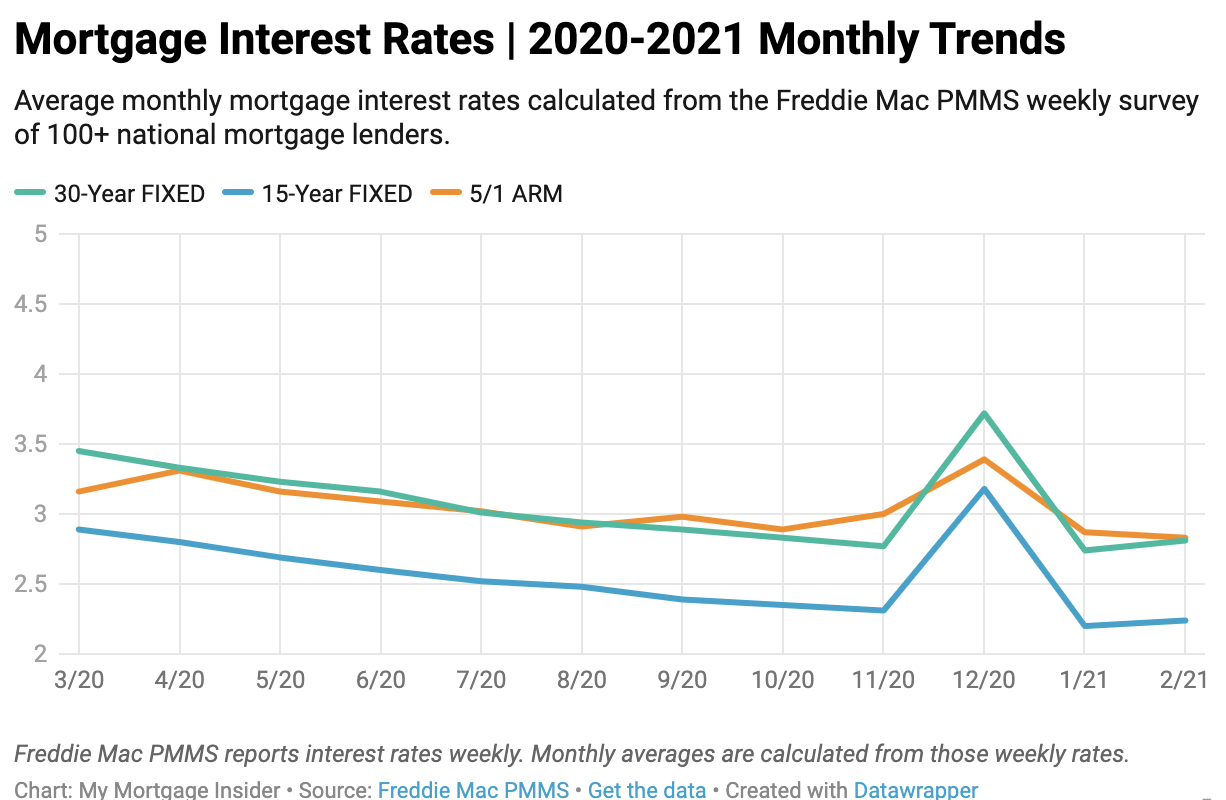
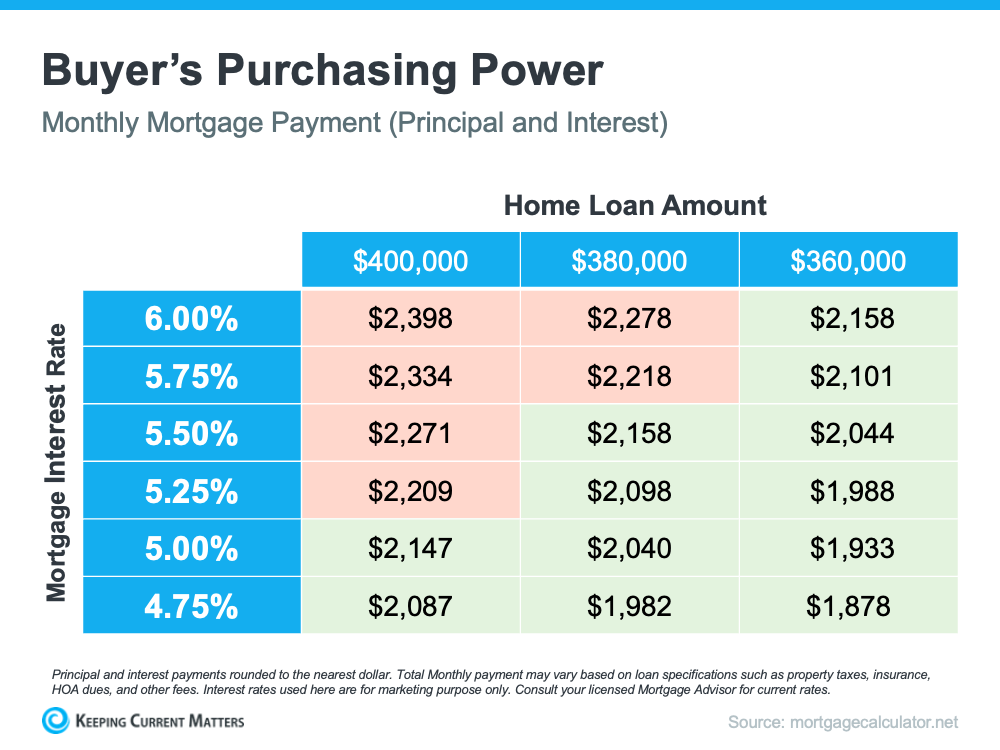
At its core, a mortgage rate is the interest charged by a lender on the money you borrow to purchase a home. This rate, expressed as a percentage, significantly impacts your monthly mortgage payment and the total cost of your home over time. However, not all mortgage rates are created equal, and understanding the different types is crucial.
Fixed-Rate vs. Adjustable-Rate Mortgages (ARMs)
The primary distinction lies between fixed-rate and adjustable-rate mortgages. A fixed-rate mortgage offers an interest rate that remains constant throughout the entire life of the loan, typically 15 or 30 years. This provides predictability and stability, as your principal and interest payment will not change, making budgeting easier. Borrowers often prefer fixed rates in periods of rising interest rates, as it locks in a potentially lower rate.
Conversely, an adjustable-rate mortgage (ARM) features an interest rate that is fixed for an initial period (e.g., 3, 5, 7, or 10 years) and then adjusts periodically for the remainder of the loan term based on a specified index, plus a margin set by the lender. ARMs often start with a lower interest rate than fixed-rate mortgages, making them attractive to borrowers who plan to sell or refinance before the fixed period ends, or those who anticipate their income will increase to absorb potential future rate hikes. However, they introduce an element of risk due to the uncertainty of future payment adjustments.
Key Factors Influencing Rates
Mortgage rates are influenced by a multitude of macroeconomic factors, rather than directly by the Federal Reserve’s federal funds rate (though the Fed’s actions certainly have an indirect impact).
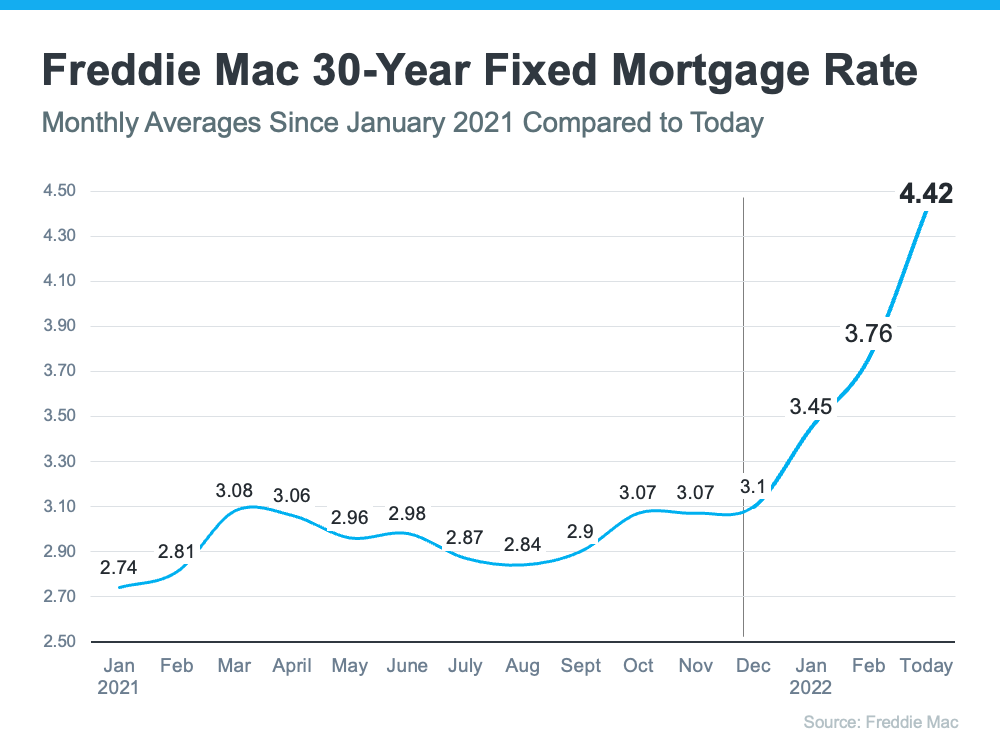
- Federal Reserve Policy and Economic Outlook: The Federal Reserve’s monetary policy, particularly its stance on inflation and economic growth, strongly influences the bond market. While the Fed directly targets the federal funds rate (an overnight lending rate between banks), its signals regarding future rate hikes or cuts ripple through the financial system, affecting longer-term interest rates like those for mortgages. When the Fed indicates a hawkish stance to combat inflation, mortgage rates generally rise.
- Inflation Expectations: Inflation is a major driver of mortgage rates. Lenders need to ensure that the return on their loans outpaces the rate at which money loses purchasing power. If inflation is expected to rise, lenders will demand higher interest rates to compensate for the diminished value of future principal and interest payments.
- Economic Growth Indicators: Strong economic growth, often reflected in robust job reports (like non-farm payrolls) and Gross Domestic Product (GDP) figures, can signal potential inflationary pressures and lead to higher mortgage rates as demand for money increases. Conversely, signs of economic slowdown or recession can sometimes lead to lower rates as investors seek the relative safety of bonds.
- Bond Market Performance (10-Year Treasury Yield): Mortgage rates are closely correlated with the yield on the 10-year U.S. Treasury bond. The 10-year Treasury serves as a benchmark for long-term interest rates. When the yield on this bond rises, mortgage rates tend to follow suit, and vice versa. This is because mortgage-backed securities (MBS), which are packaged loans bought and sold by investors, compete with Treasuries for investor capital.
- Supply and Demand: The overall supply of money available for lending and the demand for mortgages also play a role. A high demand for mortgages coupled with a limited supply of loanable funds can push rates higher.
How to Find the Most Accurate Current Rates
Given the daily fluctuations, checking current mortgage rates requires consulting reliable, up-to-date sources. It’s advisable to compare rates from several lenders to ensure you’re getting the most competitive offer.
Reputable Online Lenders and Aggregators
Numerous online platforms provide real-time mortgage rate data, allowing you to compare offers from multiple lenders quickly. Websites like Bankrate, Zillow Mortgages, LendingTree, and Rocket Mortgage are popular choices. These platforms typically ask for some basic financial information (credit score range, down payment, location) to provide personalized rate estimates. While convenient, remember that these are often quoted rates, and your actual rate may vary based on a full application and underwriting process.
Direct Contact with Banks and Credit Unions
Beyond online aggregators, directly contacting traditional banks (e.g., Chase, Wells Fargo, Bank of America) and local credit unions is essential. Credit unions, in particular, often offer competitive rates and more personalized service due to their member-owned structure. Speaking directly with a loan officer allows you to discuss your specific financial situation and often obtain a more precise, personalized quote, including any potential fees or closing costs.
Mortgage Brokers
A mortgage broker acts as an intermediary between you and multiple lenders. They have access to a wide network of wholesale lenders and can shop around on your behalf to find the best rates and terms. While brokers typically earn a commission (either paid by the lender or by you), their ability to compare numerous options can often lead to significant savings. It’s important to understand their fee structure upfront.
The Impact of Personal Financial Health on Your Rate
While market forces set the baseline for mortgage rates, your individual financial profile plays a substantial role in the rate you ultimately receive. Lenders assess your creditworthiness and ability to repay the loan to determine their risk, which directly influences the interest rate offered.
Credit Score
Your credit score is arguably the most critical factor. Lenders use it to gauge your history of managing debt responsibly. Generally, borrowers with higher credit scores (typically FICO scores above 740-760) are considered lower risk and qualify for the best, most competitive interest rates. Conversely, lower credit scores indicate higher risk to lenders, resulting in higher interest rates to compensate for that risk.
Down Payment Size
The size of your down payment directly impacts your loan-to-value (LTV) ratio, which is the amount of your mortgage compared to the appraised value of the home. A larger down payment (e.g., 20% or more) reduces the LTV, signifying less risk for the lender. This often translates into lower interest rates and can help you avoid private mortgage insurance (PMI) on conventional loans. A smaller down payment (e.g., 3.5% or 5%) results in a higher LTV and usually a slightly higher interest rate, plus the added cost of PMI.
Debt-to-Income (DTI) Ratio
Your debt-to-income (DTI) ratio compares your total monthly debt payments (including the proposed mortgage payment) to your gross monthly income. Lenders use DTI to assess your ability to manage monthly payments. A lower DTI ratio (typically below 43%, though ideally below 36%) indicates you have more disposable income and are better equipped to handle your mortgage obligations, making you a more attractive borrower and potentially qualifying you for better rates.
Loan Type and Term
The type of mortgage you choose also affects your rate. Conventional loans, which are not insured or guaranteed by a government agency, often offer the best rates to borrowers with excellent credit and significant down payments. FHA loans (Federal Housing Administration) are government-insured and typically have more lenient credit and down payment requirements, but may come with higher mortgage insurance premiums and sometimes slightly higher rates. VA loans (Veterans Affairs) for eligible service members offer highly competitive rates and no down payment, often without private mortgage insurance. USDA loans (U.S. Department of Agriculture) for rural properties also offer competitive rates and no down payment for eligible borrowers. Additionally, shorter loan terms (e.g., a 15-year fixed mortgage) generally come with lower interest rates than longer terms (e.g., a 30-year fixed mortgage) because the lender’s risk is lower over a shorter period.
Strategies for Securing the Best Possible Mortgage Rate
Finding the best mortgage rate isn’t just about what the market offers; it’s also about strategic planning and effective negotiation on your part.
Improving Your Financial Profile
Before you even start seriously shopping for a mortgage, take steps to optimize your financial health. Focus on paying down high-interest debt, which will lower your DTI ratio. Review your credit reports for errors and work to improve your credit score by making all payments on time and reducing credit utilization. Saving for a larger down payment not only reduces your LTV but also demonstrates financial discipline to lenders.
Shopping Around and Comparing Offers
This cannot be stressed enough: do not settle for the first offer you receive. Get quotes from at least three to five different lenders – including online lenders, traditional banks, and credit unions. It’s crucial to do this within a relatively short timeframe (e.g., 14-45 days, depending on the credit scoring model) so that multiple credit inquiries for a mortgage loan are treated as a single inquiry, minimizing the impact on your credit score. Use these competing offers as leverage to negotiate for an even better rate or lower fees.
Understanding Discount Points (Buying Down the Rate)
When comparing mortgage offers, you’ll likely encounter the option to purchase “discount points.” A discount point is an upfront fee paid to the lender at closing, typically equal to 1% of the loan amount. In exchange for paying points, the lender reduces your interest rate. This strategy is known as “buying down the rate.” It’s not always the right choice for everyone; you need to calculate the “break-even point” – how long it takes for the savings from the lower interest rate to recoup the cost of the points. If you plan to stay in the home for many years, buying points might be financially advantageous.
Locking in Your Rate
Once you’ve found a competitive rate and are ready to move forward with a specific lender, you’ll want to “lock in” your interest rate. A rate lock guarantees that your quoted interest rate will not change between the time you apply and the day you close, provided you close within a specified period (commonly 30, 45, or 60 days). This protects you from market fluctuations. Be aware of any fees associated with extending a rate lock if your closing is delayed. It’s generally wise to lock your rate when you are confident in your lender choice and the loan terms, especially if you anticipate rates might rise.
Future Outlook and Economic Indicators to Watch
Staying informed about broad economic trends can provide insight into the potential direction of mortgage rates. While making precise predictions is challenging, understanding the key indicators can help you anticipate market shifts.
Federal Reserve Policy Signals
Keep an eye on announcements and minutes from Federal Open Market Committee (FOMC) meetings. The Fed’s statements regarding inflation, economic growth, and its plans for the federal funds rate can offer strong clues about the direction of long-term rates. Any indication of aggressive interest rate hikes or a shift towards easing can quickly impact mortgage rates.
Inflation Data
Regularly monitor inflation reports, particularly the Consumer Price Index (CPI) and the Producer Price Index (PPI). Sustained high inflation generally puts upward pressure on mortgage rates, as lenders demand higher returns. Conversely, a significant cooling of inflation might lead to a stabilization or even a decrease in rates.
Employment Reports
Key employment data, such as the monthly Non-Farm Payrolls report and the unemployment rate, are strong indicators of economic health. A robust job market often signifies a strong economy, which can contribute to higher inflation and, subsequently, higher interest rates. Weak employment data might suggest an economic slowdown, potentially leading to lower rates.
Geopolitical Events and Global Economics
Major global events, political instability, trade disputes, and international economic conditions can all influence investor sentiment and the flow of capital, which in turn affects bond yields and mortgage rates. During times of global uncertainty, investors often flock to the relative safety of U.S. Treasury bonds, which can sometimes push their yields (and thus mortgage rates) lower. However, large-scale disruptions can also create volatility and economic uncertainty, leading to unpredictable rate movements.
In conclusion, understanding “what is current mortgage rate today” involves more than a simple Google search. It requires a foundational knowledge of how rates are determined, diligence in comparing offers, and strategic planning based on your personal financial health and economic outlook. By staying informed and proactive, you can position yourself to secure the most advantageous mortgage rate and terms for your homeownership journey.
aViewFromTheCave is a participant in the Amazon Services LLC Associates Program, an affiliate advertising program designed to provide a means for sites to earn advertising fees by advertising and linking to Amazon.com. Amazon, the Amazon logo, AmazonSupply, and the AmazonSupply logo are trademarks of Amazon.com, Inc. or its affiliates. As an Amazon Associate we earn affiliate commissions from qualifying purchases.