
The seemingly simple question, “Where is the Apple Store?” transcends mere geography to unravel one of the most sophisticated and successful brand strategies in modern corporate history. Far from being just a point of sale, the Apple Store is a meticulously crafted physical manifestation of the Apple brand—a global beacon that encapsulates its identity, design philosophy, marketing prowess, and customer-centric ethos. To understand “where” the Apple Store truly is, one must delve into its strategic positioning, its architectural marvels, its experiential design, and its profound impact on corporate identity and consumer perception worldwide.

The Apple Store as an Architectural Brand Statement
From the moment one approaches an Apple Store, the experience is unmistakably Apple. This isn’t by accident; it’s the result of a deliberate and unwavering commitment to design that extends far beyond the products themselves, embedding the brand’s core values into the very fabric of its retail spaces. The Apple Store isn’t just a building; it’s a three-dimensional logo, a tangible symbol of innovation and aspiration.
Design as Core Identity
The architectural language of the Apple Store mirrors the sleek, minimalist, and user-friendly aesthetic that defines its products. Think of the seamless glass facades, the polished stone floors, the uncluttered displays, and the abundant natural light. These elements are not arbitrary; they are meticulously chosen to evoke the same feelings of premium quality, simplicity, and intuitive design that users associate with an iPhone or a MacBook. The open-plan layouts encourage exploration and interaction, breaking down traditional retail barriers and inviting customers into a curated brand universe. Every material, every curve, every lighting choice reinforces Apple’s commitment to excellence and attention to detail. This consistent design identity ensures that whether you’re in Beijing, London, or San Francisco, the Apple Store experience is universally recognizable and undeniably “Apple.” It’s a physical embodiment of corporate identity, where the brand’s essence is communicated non-verbally through space and form.
Iconic Retail Spaces
Certain Apple Stores have transcended their function as mere retail outlets to become architectural landmarks and cultural touchstones. The iconic glass cube of the Fifth Avenue store in New York City, the majestic arched windows of the Regent Street store in London, or the serene, circular glass structure of the Apple Park Visitor Center in Cupertino—these are more than just stores. They are destinations, often featured in travel guides, drawing visitors not solely for shopping but for the experience of witnessing a unique architectural statement. These flagship locations serve as powerful brand amplifiers, showcasing Apple’s ambition, financial strength, and design leadership. They are expressions of a brand unafraid to invest heavily in its physical presence, transforming retail into a grand, public spectacle. By creating such memorable and visually striking spaces, Apple elevates its brand beyond consumer electronics, positioning itself as a purveyor of design, art, and innovation, influencing urban landscapes and public perception.
Crafting a Cohesive Aesthetic
The remarkable aspect of Apple’s retail design is its global coherence. Despite operating in diverse urban environments and cultural contexts, the core aesthetic principles remain steadfast. This uniformity is achieved through stringent global design guidelines that govern everything from fixture placement to the type of wood used for tables. While some stores might subtly integrate local materials or architectural motifs (e.g., the historical preservation of the former Tower Theatre in Los Angeles), the overarching design language ensures that the brand message is consistent. This deliberate strategy reinforces brand recognition and builds a sense of familiarity and trust for consumers traveling the globe. It communicates a singular, powerful corporate identity that transcends geographical boundaries, making the Apple Store a globally recognized symbol of quality and innovation.
Beyond Retail: The Apple Store as an Experiential Marketing Hub
The Apple Store’s brilliance lies in its ability to transcend traditional retail paradigms. It’s not merely a place to buy products; it’s a meticulously engineered experiential marketing hub, designed to immerse customers in the Apple ecosystem, foster brand loyalty, and build a sense of community. This strategic shift from transaction to experience is a cornerstone of Apple’s enduring brand strength.
The Genius Bar: Service as a Brand Pillar
Perhaps no single element embodies Apple’s customer-centric approach more effectively than the Genius Bar. More than just a technical support desk, it represents a commitment to post-purchase service that significantly enhances brand value. The presence of knowledgeable and friendly “Geniuses” who offer personalized assistance, troubleshooting, and advice transforms potential points of frustration into opportunities for positive brand interaction. This human-centric service model builds trust and loyalty, reinforcing the perception that Apple cares about its customers beyond the initial sale. It’s a key differentiator in a competitive tech market, ensuring that customers feel supported and valued, thereby strengthening their emotional connection to the brand. The Genius Bar positions Apple as a reliable partner, not just a product vendor, a crucial element in maintaining a premium brand image.
Today at Apple: Education and Community Engagement
Under the leadership of former retail chief Angela Ahrendts, the Apple Store evolved further, transforming into “town squares” and community hubs through programs like “Today at Apple.” These free, daily sessions cover a wide range of topics—from photography and coding to art and music creation—all utilizing Apple products. This initiative brilliantly leverages the physical space of the stores to engage customers on a deeper level, offering educational value and fostering creativity. By becoming centers for learning and inspiration, Apple Stores cultivate a vibrant community around the brand, encouraging repeat visits and strengthening customer affinity. It’s a masterful marketing strategy that transcends traditional advertising, creating direct, enriching experiences that reinforce the brand’s identity as an enabler of creativity and personal growth. These programs showcase Apple’s products in real-world creative applications, making the brand synonymous with inspiration and possibility.
Product Immersion and Discovery
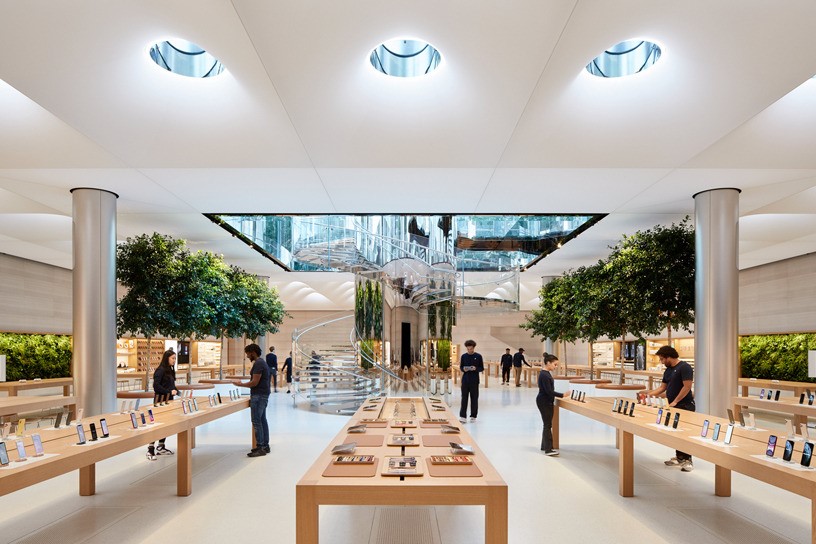
Unlike traditional electronics stores where products are often tethered or behind glass, Apple Stores champion a hands-on, no-pressure approach. Devices are readily available for customers to touch, test, and explore at their leisure. This “discovery” model allows customers to experience the intuitive interfaces, seamless integration, and premium build quality of Apple products firsthand. It’s an immersive strategy that appeals to the senses and intellect, letting the products speak for themselves. Sales associates, rather than pushing for a sale, are trained to facilitate this discovery, answering questions and guiding customers through the ecosystem. This low-pressure environment removes purchase anxiety and allows for genuine appreciation of the product’s features, further deepening the customer’s understanding and appreciation of the Apple brand and its commitment to user experience.
Strategic Placement: Global Presence and Market Penetration
The geographical “where” of an Apple Store is never accidental; it is the outcome of a highly strategic approach to market penetration and brand visibility. Apple’s global retail footprint is a testament to its meticulous planning and understanding of target demographics, designed to maximize brand impact and reinforce its premium market position.
A Calculated Expansion
Apple’s retail expansion has been remarkably selective and intentional. Stores are typically situated in high-traffic, prestigious urban centers, often in prime shopping districts or iconic locations within major cities. This strategy aligns with Apple’s brand positioning as a premium, aspirational lifestyle brand. By choosing highly visible and accessible locations, Apple ensures maximum exposure to its target demographic—affluent consumers, creative professionals, and tech enthusiasts. Each new store opening is a carefully orchestrated event, often generating significant media attention and consumer excitement, further solidifying Apple’s image as a global cultural force. The deliberate choice of location reinforces the idea that Apple products are desirable, high-end items, available in equally high-end retail environments.
Adapting to Local Contexts
While maintaining a strong global brand consistency, Apple also demonstrates a nuanced understanding of local contexts. While the minimalist aesthetic remains, some Apple Stores subtly integrate elements that resonate with their immediate surroundings or local history. For instance, the Apple Via del Corso in Rome respectfully incorporates historical architectural elements and artwork, while the Apple Central World in Bangkok features a distinctive tree-inspired design. These adaptations showcase Apple’s ability to be a global brand that still respects and celebrates local culture, fostering a deeper connection with the community. This careful balance between global identity and local integration is a sophisticated aspect of brand management, demonstrating flexibility without compromising core brand values.
The Digital-Physical Nexus
In an increasingly digital world, Apple seamlessly bridges the gap between its online and physical presence. The “where is apple store” query is often resolved through digital tools: Apple Maps provides precise directions, the Apple Store app allows for appointment bookings and product availability checks, and the Apple website offers comprehensive store locators. This integrated digital-physical strategy ensures that customers can easily find, engage with, and utilize the services of their local Apple Store, whether planning a visit from home or on the go. The convenience of online scheduling for Genius Bar appointments or workshop attendance further streamlines the customer journey, making the physical store an accessible and integrated part of the broader Apple ecosystem. This synergy enhances the overall brand experience, ensuring that the Apple Store is always within reach, both digitally and physically.
The Evolution of a Retail Vision: From Gateway to Gathering Place
The Apple Store as we know it today is the culmination of an evolving vision, a continuous refinement of what a retail space can and should be. Its trajectory reflects a deeper understanding of consumer behavior and the enduring power of brand experience.
Steve Jobs’ Vision for Retail
The genesis of the Apple Store concept can be traced directly to Steve Jobs’ dissatisfaction with how Apple products were being sold in third-party retailers. He envisioned a space where customers could experience Apple products in their purest form, free from the clutter and competing brands of a typical electronics store. Jobs wanted a place for education, discovery, and exceptional service—a “concierge service” for technology. He famously stated, “If you want to reach customers in a way that’s going to build your brand and build your following, then you’ve got to do it yourself.” This audacious vision, launched in 2001, challenged conventional retail wisdom, proving that a tech company could successfully own and operate its own high-end retail chain, transforming retail from a mere distribution channel into a powerful brand-building tool.
Angela Ahrendts’ Impact: Elevating the Experience
When Angela Ahrendts, former CEO of Burberry, joined Apple in 2014 as Senior Vice President of Retail, she brought a luxury retail sensibility that further elevated the Apple Store experience. Her tenure saw a significant shift towards transforming stores into “town squares”—more open, inviting spaces designed for gathering, learning, and community engagement. This included the introduction of “Today at Apple” programming, the redesign of existing stores to incorporate more flexible layouts, and an increased emphasis on green spaces and natural elements. Ahrendts’ vision moved the stores beyond transactional spaces to become vibrant community hubs, deepening the emotional connection between customers and the brand. This strategic evolution solidified the Apple Store’s position as a key pillar in Apple’s brand strategy, emphasizing experience and community over pure sales.

Future-Proofing the Brand Touchpoint
Looking ahead, the Apple Store is poised for continued evolution, adapting to changing consumer expectations and technological advancements. The focus will likely remain on enhancing the experiential aspects, further integrating sustainability initiatives into store design and operations, and perhaps exploring new ways to blend physical and augmented reality experiences within the retail environment. As Apple expands into new services and hardware categories, the stores will continue to serve as vital touchpoints for discovery, education, and brand reinforcement. The future of the Apple Store will undoubtedly see it adapt, but its core purpose—to be a powerful, physical manifestation of the Apple brand, where customers can connect, learn, and immerse themselves in the Apple ecosystem—will remain paramount. It is a constantly evolving testament to the power of thoughtful brand strategy and consistent corporate identity.
In conclusion, “where is the Apple Store?” is a question that leads to a profound understanding of global brand strategy. It exists not just on a map, but as a meticulously designed architectural statement, an immersive experiential marketing hub, and a strategically placed global presence. It’s a testament to Steve Jobs’ pioneering vision and its subsequent evolution, continually reinforcing Apple’s corporate identity and deepening its relationship with customers worldwide. The Apple Store is, ultimately, wherever the Apple brand chooses to manifest its excellence.
aViewFromTheCave is a participant in the Amazon Services LLC Associates Program, an affiliate advertising program designed to provide a means for sites to earn advertising fees by advertising and linking to Amazon.com. Amazon, the Amazon logo, AmazonSupply, and the AmazonSupply logo are trademarks of Amazon.com, Inc. or its affiliates. As an Amazon Associate we earn affiliate commissions from qualifying purchases.