
American Airlines, as one of the world’s largest carriers, operates a vast and diverse fleet of aircraft. While the answer to “what planes does American Airlines use” might seem like a simple inventory list, for investors, financial analysts, and those interested in the intricacies of business finance, it reveals a profound narrative about capital investment, operational economics, debt management, and strategic market positioning. The choices American Airlines makes regarding its fleet composition directly influence its profitability, market valuation, and long-term financial health in a highly capital-intensive and competitive industry.
The Fleet as a Capital Investment: Understanding American Airlines’ Aircraft Acquisition Strategy
At its core, an airline’s fleet represents an enormous capital investment. Each aircraft, whether purchased or leased, involves significant financial outlays that impact the company’s balance sheet, cash flow, and overall financial strategy. American Airlines’ fleet strategy is a complex interplay of meeting current operational demands, anticipating future market trends, and managing the immense financial commitments associated with acquiring and maintaining hundreds of state-of-the-art airplanes.
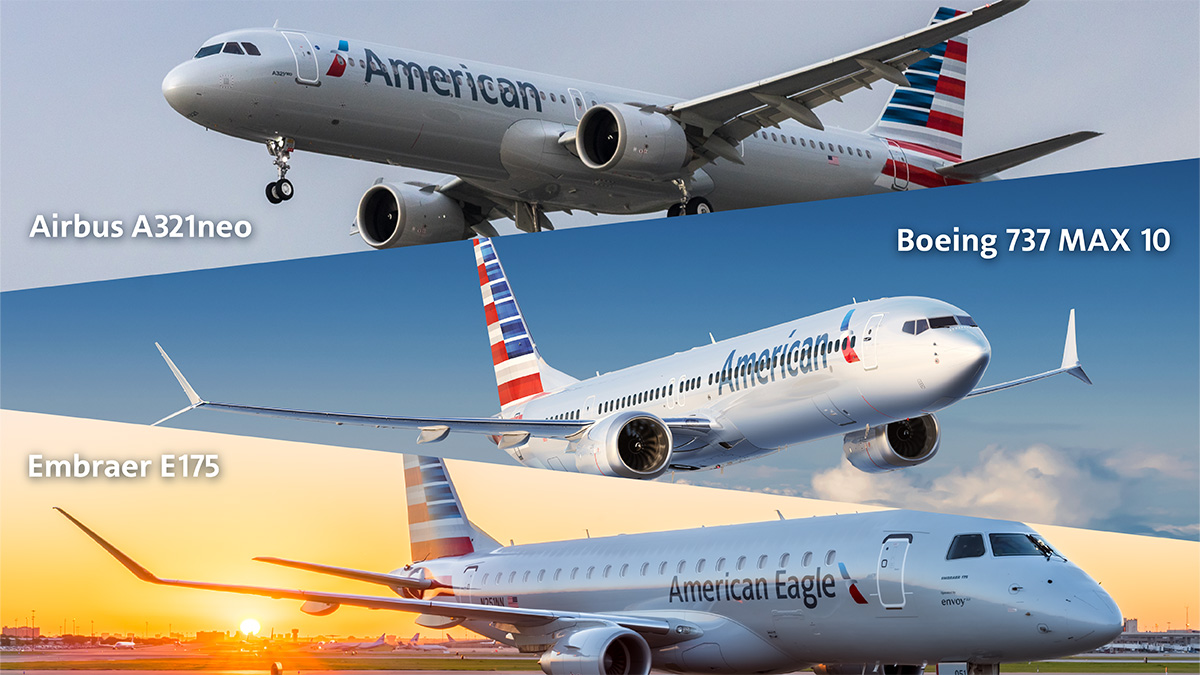
American Airlines is unique among its major U.S. competitors for operating an almost exclusively single-aisle, narrow-body fleet from both Boeing and Airbus for its domestic and short-haul international routes, alongside a robust wide-body fleet for long-haul international flights. The strategic decision to diversify its narrow-body fleet across both major manufacturers, primarily with Boeing 737s (including the MAX variants) and Airbus A320 family aircraft (A319s, A320s, A321s, including the A321neo), offers both financial leverage and operational flexibility. On the wide-body front, American primarily relies on Boeing 777s and 787 Dreamliners, with some Airbus A330s still in service or recently phased out, reflecting a historical fleet acquisition strategy and ongoing modernization efforts.
Boeing vs. Airbus: A Strategic Procurement Play
The dual-manufacturer strategy for narrow-body aircraft is not merely a matter of preference but a calculated financial move. By maintaining relationships with both Boeing and Airbus, American Airlines gains significant bargaining power during procurement cycles. This competition between manufacturers often translates into more favorable pricing, improved delivery schedules, and better maintenance support contracts, all of which directly impact the airline’s cost structure and investment efficiency. The ability to switch or balance orders between the two giants provides a crucial hedge against potential production delays, price hikes, or technological issues with one manufacturer’s product line, safeguarding the airline’s operational continuity and capital expenditure plans.
Fleet Modernization and Capital Expenditure
Fleet modernization is a continuous, multi-billion-dollar endeavor for American Airlines. Replacing older, less fuel-efficient aircraft with newer models like the Boeing 737 MAX and Airbus A321neo is a critical financial decision aimed at reducing operating costs and enhancing passenger experience. These new-generation aircraft offer significant improvements in fuel burn, maintenance costs, and operational reliability. While the initial capital outlay for these new planes is substantial, often running into hundreds of millions of dollars per aircraft, the long-term financial benefits through lower fuel expenses and reduced maintenance can justify the investment. Investors closely monitor capital expenditure (CapEx) trends related to fleet modernization as an indicator of an airline’s commitment to efficiency and future growth.
Operational Economics: How Aircraft Choices Impact the Bottom Line
The specific types of planes American Airlines deploys are not arbitrary; they are meticulously chosen to optimize operational economics and maximize revenue potential across its vast network. Every aircraft type has a unique financial profile that impacts direct operating costs, revenue generation, and overall profitability for specific routes and market segments.
Fuel Efficiency and Operating Costs
Fuel is consistently one of the largest operating expenses for any airline, often accounting for 20-30% of total costs. Consequently, the fuel efficiency of American Airlines’ fleet is a paramount financial consideration. Newer generation aircraft like the Boeing 787 Dreamliner and Airbus A321neo are designed with advanced aerodynamics and more efficient engines, leading to significantly lower fuel consumption per seat-mile compared to their predecessors. Investing in these aircraft directly translates into lower variable operating costs, which is critical for profitability, especially during periods of volatile fuel prices. Financial analysts scrutinize the average age and fuel efficiency of an airline’s fleet as a key metric for assessing its cost competitiveness.
Maintenance and Life Cycle Costs
Beyond fuel, maintenance costs represent another substantial expenditure. The age and type of aircraft heavily influence these costs. Older planes, while potentially fully depreciated, often require more frequent and extensive maintenance checks, spare parts, and labor, driving up costs. Conversely, newer aircraft typically come with manufacturer warranties and are designed for longer intervals between major maintenance events, reducing immediate out-of-pocket expenses. However, even new aircraft require specialized training for crews and ground staff, and initial investments in spare parts and diagnostic tools. American Airlines’ financial planning must account for the entire life cycle cost of an aircraft, from acquisition to eventual retirement or sale, including routine maintenance, major overhauls, and unforeseen repairs. This involves sophisticated forecasting and budgeting to manage these variable and fixed costs effectively.
Seating Capacity, Revenue Potential, and Route Optimization
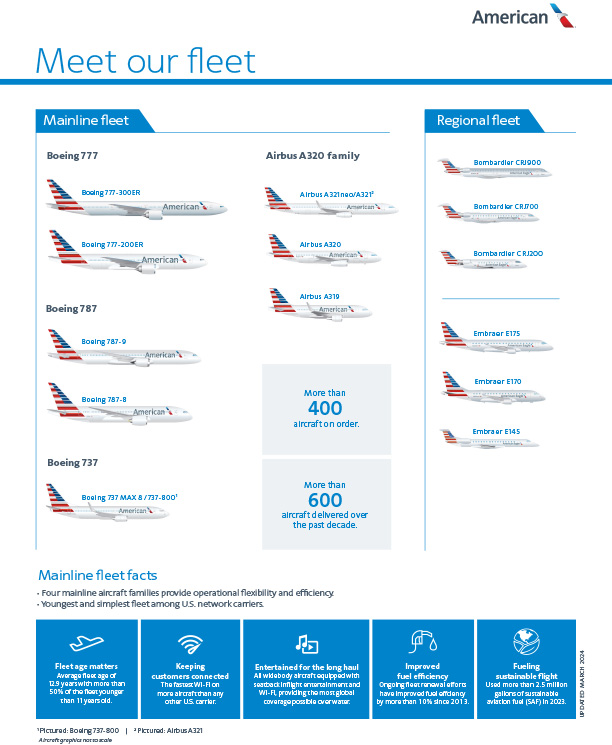
The seating capacity and range of an aircraft directly dictate its revenue potential and the types of routes it can profitably serve. American Airlines’ use of smaller regional jets (operated by regional partners) for shorter, thinner routes, narrow-body aircraft for high-frequency domestic and some international routes, and wide-body aircraft for long-haul international travel exemplifies strategic fleet deployment. Each aircraft type has an optimal “sweet spot” for passenger volume and route length that maximizes revenue while minimizing operational costs. For example, deploying a wide-body Boeing 777 on a domestic route with insufficient demand would be financially inefficient due to its higher operating costs, while using a smaller Airbus A319 on a high-demand transcontinental route would lead to missed revenue opportunities due to limited capacity. Route optimization, enabled by a diverse fleet, is a critical driver of profitability and yields.
Financing the Fleet: Debt, Leases, and Equity
Acquiring aircraft is a capital-intensive undertaking, often requiring billions of dollars annually. American Airlines, like other major carriers, employs a sophisticated mix of financing strategies to fund its fleet, balancing debt, leases, and equity to manage its balance sheet and liquidity.
Diverse Financing Structures for Aircraft Acquisition
Airlines typically finance aircraft through several mechanisms:
- Direct Purchases with Debt: American Airlines often takes out loans, secured by the aircraft themselves, from banks or capital markets to purchase planes outright. This adds assets to the balance sheet but also increases debt liabilities.
- Sale-and-Leaseback Agreements: A common strategy where the airline sells newly delivered aircraft to a financial institution or lessor and then immediately leases them back. This provides an immediate cash injection and avoids taking on long-term debt, converting a capital expense into an operating expense.
- Operating Leases: The airline leases aircraft from lessors for a fixed period (typically 5-12 years) without the intention of ownership. This offers greater fleet flexibility, lower upfront capital outlay, and reduces residual value risk for the airline.
- Enhanced Equipment Trust Certificates (EETCs): A popular financing vehicle in the airline industry, EETCs are essentially bonds backed by a pool of aircraft. This allows airlines to access public debt markets at potentially lower interest rates due to the strong collateral.
The choice between these financing options depends on prevailing interest rates, the airline’s credit rating, cash flow position, and strategic goals regarding asset ownership and balance sheet leverage.
Balance Sheet Implications and Financial Risk
Each financing decision has significant implications for American Airlines’ financial statements. Debt financing increases liabilities and interest expenses, impacting net income, but also adds assets. Leasing, particularly operating leases, can keep debt off the balance sheet (off-balance sheet financing), but lease obligations represent a fixed cost. Investors closely examine an airline’s debt-to-equity ratio, lease commitments, and cash flow from financing activities to gauge its financial health and risk exposure. A high reliance on debt can make an airline vulnerable during economic downturns, while excessive lease obligations can limit financial flexibility.
Market Competitiveness and Shareholder Value
The composition and modernity of American Airlines’ fleet are not just operational concerns but direct drivers of market competitiveness and, ultimately, shareholder value.
Enhancing Passenger Experience and Market Share
A modern fleet equipped with amenities like updated cabins, in-flight entertainment, and Wi-Fi enhances the passenger experience. Newer aircraft tend to be quieter and offer more comfortable seating configurations, which can attract and retain premium customers. In a highly competitive industry, providing a superior product helps American Airlines command higher fares, maintain customer loyalty, and capture a larger market share. The financial benefits of an improved passenger experience translate into higher load factors and yields, directly boosting revenue.
Long-Term Investment in Fleet Flexibility and Future Growth
Investing in a diverse and flexible fleet allows American Airlines to adapt to changing market conditions, such as shifts in demand, new route opportunities, or unforeseen disruptions. For instance, having a mix of narrow-body and wide-body aircraft, along with different sizes within those categories, provides the agility to scale capacity up or down as needed, optimize route profitability, and respond to competitive pressures. This strategic flexibility is a long-term investment that protects future revenue streams and supports sustainable growth, which is critical for generating consistent shareholder returns.

The Financial Impact of Fleet Decisions in a Dynamic Industry
In conclusion, “what planes American Airlines uses” is a question that cuts to the core of its financial strategy and operational resilience. Each aircraft represents a significant asset or liability, a cost driver, and a revenue generator. The ongoing decisions regarding fleet acquisition, modernization, and financing directly shape the airline’s operating costs, capital structure, market positioning, and ability to generate shareholder value. In an industry characterized by high fixed costs, volatile fuel prices, intense competition, and cyclical demand, astute fleet management—understood through a financial lens—is not merely an operational necessity but a critical determinant of long-term financial success and sustainability.
aViewFromTheCave is a participant in the Amazon Services LLC Associates Program, an affiliate advertising program designed to provide a means for sites to earn advertising fees by advertising and linking to Amazon.com. Amazon, the Amazon logo, AmazonSupply, and the AmazonSupply logo are trademarks of Amazon.com, Inc. or its affiliates. As an Amazon Associate we earn affiliate commissions from qualifying purchases.