
Navigating the complex world of airline pricing can feel like a labyrinth, especially when trying to pinpoint the most economical time to fly with a major carrier like American Airlines. For the astute financial planner, understanding these patterns isn’t just about saving a few dollars; it’s about optimizing a significant budget line item and making travel more accessible without compromising other financial goals. While there isn’t a single, universally “cheapest day” set in stone, a deep dive into the economics of airfare reveals trends, strategies, and tools that empower travelers to make financially savvy decisions.

The Economics of Airfare: Understanding Dynamic Pricing
At its core, airline pricing, including that of American Airlines, is a sophisticated interplay of supply, demand, and advanced algorithmic technology. It’s a dynamic system, meaning prices are rarely static; they fluctuate constantly in response to a myriad of factors.
Supply, Demand, and Algorithms
Airlines employ intricate revenue management systems that analyze historical booking data, competitor pricing, current demand, seat availability, fuel costs, and even external events to set and adjust fares. When demand for a particular flight is high, prices naturally increase. Conversely, if a flight has many unsold seats closer to departure, prices might drop to encourage bookings. American Airlines, like its competitors, leverages these algorithms to maximize revenue per flight, meaning the price you see is a reflection of the market’s current conditions and the airline’s strategic objectives for that specific route and time. This sophisticated system moves far beyond simple supply and demand; it forecasts future demand, manages inventory across various fare classes, and reacts in real-time to booking trends.
The Illusion of Fixed “Cheapest Days”
While travel folklore often points to specific days like Tuesday or Wednesday as guaranteed low-price days, the reality is more nuanced. These “cheapest days” are more accurately described as tendencies or probabilities. The pricing algorithms are too sophisticated to adhere to such rigid rules. Instead, financial wisdom dictates understanding the underlying reasons why certain days tend to be cheaper and then applying flexible search strategies to exploit those patterns. The goal isn’t to find a fixed lowest price but to identify periods of lower demand where better financial value is more likely to emerge.
Seasonality and Special Events
The impact of seasonality and special events on American Airlines’ pricing cannot be overstated. Major holidays (e.g., Thanksgiving, Christmas, New Year’s), school breaks (spring break, summer), and significant events (Super Bowl, major conferences) predictably drive up demand and, consequently, prices across the board. Traveling during these peak periods almost guarantees a higher fare, regardless of the day of the week. For budget-conscious travelers, understanding these peak seasons and actively avoiding them is a fundamental financial strategy. Shifting travel by even a week outside of a peak period can yield substantial savings, allowing for a reallocation of those funds to other travel expenses or personal savings.
Identifying the Sweet Spot: Days and Times to Fly Cheaper with American Airlines
Despite the dynamic nature of pricing, discernible patterns emerge when analyzing travel demand, offering a strategic advantage for those looking to save money on American Airlines flights.
The Mid-Week Advantage: Tuesdays and Wednesdays
Historically, Tuesdays and Wednesdays have been the most likely days to find lower fares. The primary reason is a confluence of factors: business travelers often depart on Monday and return on Thursday or Friday, while leisure travelers prefer to maximize their weekends by flying on Fridays, Saturdays, or Sundays. This leaves the middle of the week with comparatively lower demand. Fewer passengers competing for seats mean American Airlines often prices these flights more competitively to fill cabins. For individuals with flexible schedules, prioritizing mid-week departures and returns is a simple yet effective money-saving tactic.
The Underestimated Saturday Departure/Return
While Sundays are notoriously expensive, Saturdays can sometimes offer a surprising reprieve, especially for short trips. Many business travelers are not in the air on Saturdays, and some leisure travelers prefer to arrive at their destination later in the day on Saturday or early Sunday. If your travel plans allow for a Saturday departure or return, particularly for a quick weekend getaway, you might find American Airlines fares to be more palatable than those on Sunday or Monday. This small window of opportunity can be a boon for financial planners aiming for cost-effective short breaks.
Navigating Peak Periods: Avoiding Sundays and Mondays
Conversely, Sundays and Mondays are almost consistently the most expensive days to fly. Sundays mark the return of weekend leisure travelers and the start of business travel for the week ahead. Mondays are dominated by business travelers heading out. This concentrated demand inflates prices significantly. For those bound by a traditional work week, flying on these days is often unavoidable, but understanding the premium associated with them allows for better budgeting and potentially exploring alternative departure airports or times.
The Red-Eye and Early Bird Bargain
Flight times also play a crucial role in pricing. “Red-eye” flights (late-night departures) and very early morning flights (e.g., 5 AM) are often less expensive. The inconvenience of these hours—disrupted sleep, early airport arrivals—means lower demand from the general public. For budget-conscious individuals who prioritize savings over maximum comfort, enduring a less convenient flight time can result in substantial savings on American Airlines tickets. This strategy is a direct trade-off of comfort for financial benefit, a common decision point in personal finance.
Strategic Booking Tactics for Maximizing Savings on American Airlines
Beyond just the day of the week, a comprehensive approach to booking involves several strategic tactics that can significantly reduce the cost of your American Airlines ticket.
The Optimal Booking Window
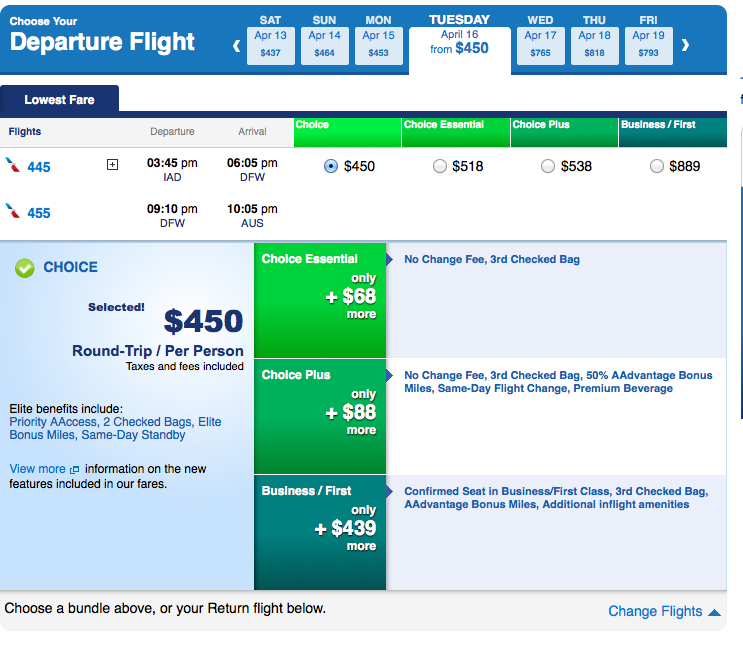
There’s a widely debated “golden window” for booking flights. For domestic American Airlines flights, this often falls between 21 days and 121 days (approximately three weeks to four months) before departure. For international flights, this window extends to 3 to 8 months out. Booking too early can mean you miss out on potential sales or demand-driven price drops, as airlines haven’t fully assessed market conditions. Booking too late, especially within two to three weeks of departure, almost guarantees higher prices as airlines cater to last-minute business travelers and those with urgent travel needs, who are less price-sensitive. Sticking within this optimal window allows you to capitalize on a balance of availability and competitive pricing.
Embracing Flexibility: Dates, Airports, and Destinations
Flexibility is perhaps the most potent financial weapon in a traveler’s arsenal. Being flexible with your exact travel dates, even by a day or two, can unlock hundreds of dollars in savings. American Airlines, like many carriers, offers “flexible date” search options on its website and through tools like Google Flights, which display prices across a calendar view. Additionally, consider flying into or out of alternative, smaller airports near your primary destination. Sometimes, the savings on airfare, even with the added cost of ground transportation, can still be substantial. Finally, for those whose primary goal is simply to “travel,” being open to different destinations can reveal extraordinary deals when demand is low for specific routes.
Utilizing Price Comparison Tools and Alerts
Modern financial planning for travel relies heavily on digital tools. Websites like Google Flights, Skyscanner, Kayak, and American Airlines’ own flexible search options are invaluable. These platforms allow you to compare prices across different dates, airlines, and even nearby airports. Setting up price alerts for your desired American Airlines route is a proactive strategy. You’ll receive email notifications when the fare drops, allowing you to seize opportunities without constantly monitoring prices yourself. This automates the financial vigilance required to get the best deals.
The Value of Connecting Flights
While direct flights offer convenience, they almost always come with a premium. Opting for a connecting flight, especially one with a slightly longer layover or through a hub that isn’t the most direct route, can result in significant cost reductions. For many financially astute travelers, the trade-off of a longer journey for a substantially cheaper American Airlines ticket is a worthwhile consideration. Weigh the time cost against the monetary savings to determine if this strategy aligns with your personal finance goals.
Leveraging Loyalty and Financial Instruments with American Airlines
Smart money management extends beyond just booking tactics; it encompasses how you earn and spend on travel through loyalty programs and financial products.
Mastering the AAdvantage Program
American Airlines’ AAdvantage program is a crucial financial tool for frequent flyers. Earning AAdvantage miles through flying, co-branded credit cards, or partner purchases can directly reduce the cash outlay for future flights. Understanding how to strategically redeem miles for maximum value (e.g., avoiding peak-time redemptions if cash prices are low, targeting specific premium cabin redemptions) is a skill in itself. Achieving elite status can also unlock perks like free checked bags, priority boarding, and upgrades, all of which contribute to reducing incidental travel expenses and enhancing the overall value of your travel budget.
Maximizing Travel Credit Card Rewards
Beyond airline-specific cards, general travel credit cards can be powerful financial instruments. Many offer substantial sign-up bonuses that, when met, can provide enough points or miles for one or more American Airlines flights. Furthermore, using these cards for everyday spending (especially in bonus categories like dining or groceries) can accumulate points rapidly. Redeeming these points through the card’s travel portal or transferring them to airline partners (if applicable) effectively subsidizes your travel costs, allowing you to fly for less out-of-pocket cash. Choosing the right credit card based on your spending habits and travel goals is a key component of savvy personal finance.
The Power of Bundling and Packages
Sometimes, purchasing an American Airlines Vacations package that combines flights and hotel (and sometimes car rental) can be cheaper than booking each component separately. Airlines often have wholesale agreements with hotels that allow them to offer attractive package rates. While this strategy might limit some flexibility in hotel choice, it can lead to overall savings, allowing you to stretch your travel budget further. Always compare the bundled price against the cost of individual bookings to ensure it’s a genuine financial advantage.
Integrating Smart Travel into Your Overall Financial Plan
For true financial mastery, travel savings shouldn’t be an isolated effort but an integrated component of your broader personal finance strategy.
Budgeting for Travel: A Holistic Approach
Effective travel budgeting goes beyond merely finding the cheapest American Airlines ticket. It requires a holistic view that includes accommodation, ground transportation, food, activities, and incidentals. By creating a comprehensive travel budget before you book anything, you can allocate your savings from airfare towards other experiences or simply keep it in your savings account. This proactive approach prevents budget blowouts and ensures your travel plans align with your overall financial health.
The Long-Term Savings Mindset
Consistent, small savings habits can dramatically fund future travel without derailing other financial goals. Setting up a dedicated travel savings account and contributing a fixed amount regularly (e.g., automating transfers from your checking account) builds a travel fund over time. This approach, rooted in sound personal finance principles, allows you to pay for travel in cash, avoiding debt, and making financially comfortable travel a sustainable reality.

Avoiding “Deal Fatigue” and Impulse Buys
While constantly seeking deals is good, it’s essential to avoid “deal fatigue” or succumbing to impulse buys. Not every flash sale or “limited-time offer” aligns with your actual travel needs or budget. Maintain financial discipline by sticking to your planned travel dates and destinations as much as possible, or only diverting if a truly extraordinary, well-researched deal emerges. The goal is financially savvy travel, not just accumulating trips for their own sake. By understanding the intricate pricing mechanisms of American Airlines and applying diligent financial planning, travelers can unlock significant savings, making their travel dreams a more consistent and affordable reality.
aViewFromTheCave is a participant in the Amazon Services LLC Associates Program, an affiliate advertising program designed to provide a means for sites to earn advertising fees by advertising and linking to Amazon.com. Amazon, the Amazon logo, AmazonSupply, and the AmazonSupply logo are trademarks of Amazon.com, Inc. or its affiliates. As an Amazon Associate we earn affiliate commissions from qualifying purchases.