
Transferring American Airlines AAdvantage miles to another individual can seem like a straightforward solution for pooling loyalty points or assisting a travel companion. However, from a personal finance perspective, this seemingly simple transaction is laden with costs and strategic considerations that demand careful analysis to ensure it aligns with one’s financial goals and maximizes the value of a valuable asset. Miles, after all, represent a form of currency, and their management should be approached with the same fiscal prudence applied to cash investments or budgeting decisions.
Understanding the Value and Cost of AAdvantage Mile Transfers
The core financial decision behind transferring AAdvantage miles hinges on understanding the often-steep costs involved and critically evaluating whether the benefit received outweighs these expenditures. Unlike simply booking an award ticket for another person, a direct mile transfer incurs specific fees that can significantly diminish the perceived value of the miles.

The Per-Mile Cost Structure
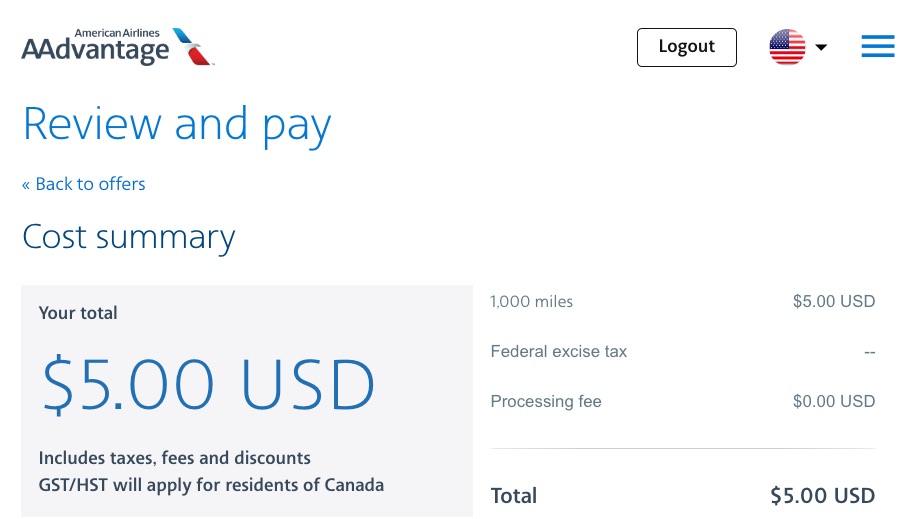
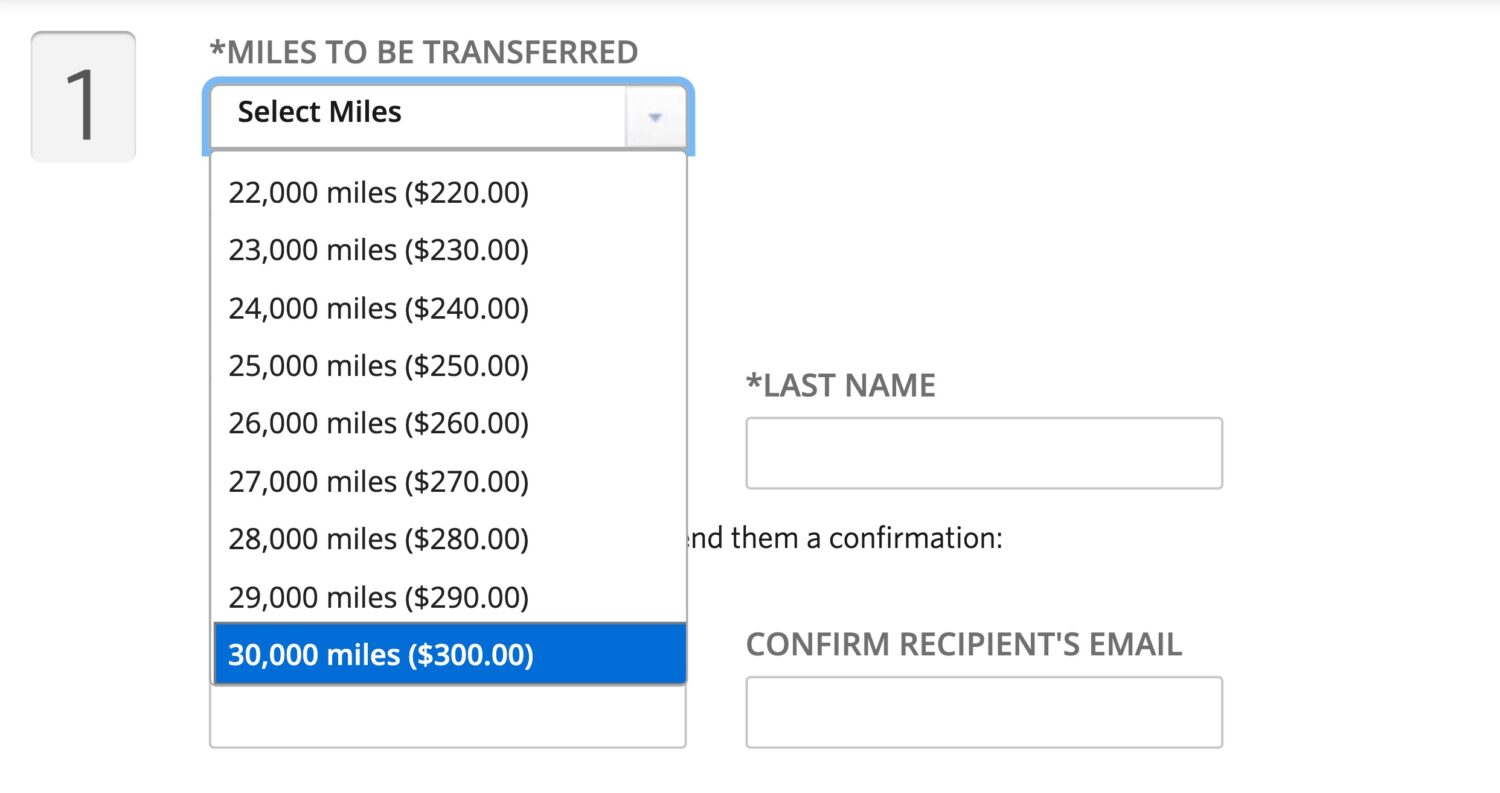
American Airlines, like many loyalty programs, charges a fee for transferring miles. This typically comprises two components: a processing fee per transaction and a per-mile fee. For instance, American Airlines often charges a base processing fee plus an additional cost for every 1,000 miles transferred. These fees can quickly add up. If you’re transferring a substantial number of miles, the total cost can become prohibitive, often amounting to more than what the miles would be worth if used for an award ticket. This makes the “cost” of each transferred mile incredibly high, frequently exceeding the 1 to 2 cents per mile valuation often used for premium redemptions.
Calculating the Break-Even Point
Before initiating any transfer, a savvy financial move is to calculate the break-even point. Determine the total cost of the transfer (processing fee + per-mile fee). Then, compare this total cost to the cash price of the flight the recipient intends to book with the transferred miles. In many cases, you’ll find that the transfer fees approach or even exceed the cost of simply purchasing the flight outright, or purchasing the necessary miles directly from American Airlines (which itself is often an expensive proposition). Furthermore, consider the opportunity cost: what else could that money, spent on transfer fees, be used for? Could it cover baggage fees, seat upgrades, or even part of a future cash booking?
The Diminished Return on Investment
Loyalty miles are a reward for past spending or travel, effectively a discount or added value. Paying substantial fees to transfer them fundamentally alters this equation. The “free” aspect of the miles is eroded by the transfer cost, turning a loyalty benefit into a purchased commodity at an unfavorable rate. This diminished return on investment is a crucial financial consideration. For most scenarios, the value received from a transferred mile, once fees are factored in, falls well below its potential redemption value, making it a poor financial transaction.
When Does it Make Financial Sense?
There are rare, highly specific scenarios where a direct mile transfer might present a marginal financial advantage. These usually involve topping off an account for an immediate, high-value award redemption that would otherwise be unattainable. For example, if a recipient is just a few thousand miles short of a lucrative international business class award that would cost thousands of dollars cash, and there’s no other way to quickly acquire those specific miles, the transfer fee might be a calculated expense to unlock a much larger saving. Another consideration might be preventing the expiration of a very large, valuable mile balance for a recipient who has had no account activity, though other, less costly methods of activity are usually available. These situations are exceptions, not the rule, and require meticulous financial modeling to justify the expense.
The Mechanics of Initiating a Mile Transfer
While the financial implications are paramount, understanding the practical steps for transferring miles is also necessary. This process is typically handled online through your AAdvantage account, but even here, financial checkpoints are critical.
Step-by-Step Process with Financial Checkpoints
- Log In to Your AAdvantage Account: Access the official American Airlines website and log into your personal AAdvantage profile.
- Navigate to the “Buy/Transfer Miles” Section: This is usually found under the AAdvantage program menu.
- Select “Transfer Miles”: Ensure you choose the transfer option, not “buy miles” or “gift miles,” as these are different transactions with different fee structures.
- Enter Recipient Details: You’ll need the recipient’s AAdvantage number and their last name. This is a critical point: double-check this information meticulously. An incorrect AAdvantage number could lead to lost miles and, by extension, wasted transfer fees. Consider it akin to wiring money – accuracy is paramount.
- Specify the Number of Miles to Transfer: Input the exact amount. As you do, the system will automatically calculate the associated fees. This is your immediate financial checkpoint: scrutinize this total fee. Is it acceptable? Does it align with your pre-transfer financial analysis?
- Provide Payment Information: You’ll need a credit card to pay the transfer fees.
- Review and Confirm: Before clicking the final “transfer” button, review all details: recipient, number of miles, and most importantly, the total cost. Most transfer fees are non-refundable, so a mistake here means a financial loss.
Required Information and Transaction Limits
American Airlines imposes limits on mile transfers. There’s often a minimum number of miles you can transfer, and a maximum number that can be transferred out of an account or into an account within a calendar year. These limits are important for financial planning, especially if you’re attempting to consolidate a large number of miles for a high-value redemption. Be aware that these limits can affect the feasibility of your overall strategy.
Payment Methods and Security
Transfer fees are typically paid via credit card. While this offers the potential to earn credit card rewards on the transaction, the relatively high cost of the transfer often overshadows any incidental rewards earned. Prioritize a secure internet connection for the transaction to protect your financial information. Remember, the primary financial burden here is the direct transfer fee, not the small amount of rewards earned from paying it.
Strategic Considerations for Transferring Miles
Beyond the immediate mechanics and costs, a financially astute approach to mile transfers involves strategic thinking about asset utilization and long-term financial benefits.
Consolidating for High-Value Redemptions
The most compelling financial argument for transferring miles often lies in consolidating disparate mile balances to reach a threshold for a truly high-value redemption. Imagine a scenario where two individuals each have insufficient miles for a specific aspirational award flight (e.g., first class to Japan), but combined, they would have enough. If that award flight would cost $10,000 in cash and the transfer fees are, say, $500, then the $9,500 in savings could justify the transfer. However, this relies on the absolute certainty of the high-value redemption being available after the transfer. Always confirm award availability first.
Avoiding Mile Expiration
AAdvantage miles generally expire after 24 months of inactivity. Transferring miles, or even receiving them, constitutes account activity and can reset the expiration clock for the recipient. If a significant, valuable mile balance is at risk of expiring for another person, and they have no other means of generating activity (e.g., flying, using an AAdvantage credit card, shopping through the portal), a small mile transfer might be viewed as a cost-effective way to preserve a much larger financial asset. However, this should be a last resort, as other, free methods of activity (e.g., shopping portals, partner transactions) are usually available.
Gift-Giving vs. Direct Transfer
If your intention is to gift travel to someone, transferring miles is almost never the most financially efficient option. Consider the alternatives: booking an award flight directly from your account for the recipient (which incurs no transfer fees), or simply giving them cash or a gift card to cover their travel expenses. The latter options offer far greater flexibility and often represent a better financial gift, as they avoid the inflated cost of transferred miles.
Tax Implications (Briefly)
While loyalty program points and miles are generally not considered taxable income for the recipient or the transferor in most personal use cases, extremely large transfers that could be perceived as compensation for services might, in rare and specific instances, attract scrutiny from tax authorities. For standard personal transfers between family or friends, however, this is rarely a concern.
Alternatives to Direct Mile Transfers for Financial Optimization
Given the high cost of direct mile transfers, a financially savvy individual will almost always explore superior alternatives that achieve the same goal with significantly less expenditure. These strategies prioritize asset optimization and cost avoidance.
Booking a Flight for Someone Else
This is, hands down, the most financially prudent and common alternative. As an AAdvantage member, you can use your miles to book an award flight for anyone. There are no additional fees beyond the standard award taxes and carrier-imposed charges (which apply regardless of who flies). This method allows you to utilize your miles to benefit another person without incurring the punitive transfer fees, preserving the full value of your loyalty currency. This should always be the first consideration when wanting to share the benefit of your miles.
Authorized Users on Credit Cards
For couples, families, or close business partners, adding someone as an authorized user to your American Airlines co-branded credit card is an excellent way to consolidate mile earning. All spending by authorized users contributes to the primary account holder’s mile balance, effectively pooling miles without any transfer fees. This is a proactive, long-term financial planning strategy to accumulate miles efficiently within a shared financial ecosystem.
Household Accounts (If applicable/similar to AA’s policies)
While American Airlines does not currently offer a traditional “household account” feature like some other airline programs, where family members can pool miles for free, the existence of such programs elsewhere highlights the desirability of fee-free mile sharing. The absence of this feature at AA reinforces the need to utilize alternatives like booking for someone else or joint credit card earning.
Sharing Miles through Other Programs
If your travel plans involve partners of American Airlines (e.g., Oneworld alliance members), it’s worth investigating their respective loyalty program policies. Some partner airlines might have more flexible or cost-effective mile sharing or family account options, though this would involve converting miles, which has its own financial implications. However, sticking to AA’s direct transfer is rarely the best financial decision.
Common Pitfalls and Best Practices for Maximizing Value
Navigating the world of loyalty miles requires diligence, especially when contemplating transactions that involve direct costs. Avoiding common pitfalls and adhering to best practices can save significant money and ensure your AAdvantage miles remain a valuable asset.
The High Cost Trap
The single biggest pitfall is falling into the high cost trap. Many individuals, seeing “transfer miles” as an option, don’t fully grasp the financial implications until they see the final fee. Always assume direct transfers are expensive and actively seek alternatives. The cost-per-mile for a transfer often makes it the least efficient way to utilize your miles.
Verifying Redemption Availability First
Never transfer miles without first verifying that the desired award flight or upgrade is actually available for booking. Award availability is dynamic and limited, especially for premium cabins. Transferring miles and then discovering the intended redemption is unavailable means you’ve incurred substantial fees for miles that can’t be used as planned, effectively wasting your money. Always “hold” or confirm availability before committing to the transfer.
Exploring All Alternatives
Make it a strict personal finance rule to exhaust all other options before even considering a direct mile transfer. Can you book the flight for the person from your own account? Can they earn the few extra miles they need through a shopping portal or a small flight? Is buying a small number of miles directly from AA, despite being expensive, still cheaper than the transfer fees? Thoroughly evaluate these questions to protect your financial resources.
Read the Fine Print
Loyalty program terms and conditions are crucial financial documents. Pay close attention to the rules regarding transfer fees, minimum/maximum transfer amounts, processing times, and especially, refund policies. Most mile transfer fees are non-refundable, meaning any error or change of plans after confirmation results in a direct financial loss. Understand what you are agreeing to before you click that final button, ensuring you’re making a fully informed financial decision.
aViewFromTheCave is a participant in the Amazon Services LLC Associates Program, an affiliate advertising program designed to provide a means for sites to earn advertising fees by advertising and linking to Amazon.com. Amazon, the Amazon logo, AmazonSupply, and the AmazonSupply logo are trademarks of Amazon.com, Inc. or its affiliates. As an Amazon Associate we earn affiliate commissions from qualifying purchases.