
Strategizing Your Purchase for Optimal Savings
Acquiring a plane ticket is more than a simple transaction; it’s a financial strategy session where timing, flexibility, and leveraging market tools play crucial roles in dictating the final cost. For the savvy traveler or business professional, understanding these dynamics can translate into significant savings, freeing up capital for other aspects of a trip or investment.
The Art of Timing: When to Click “Buy”
The price of a plane ticket is a notoriously volatile commodity, fluctuating based on demand, season, fuel costs, and airline algorithms. While there’s no single magic bullet for the absolute lowest price, data-driven insights offer a strong financial advantage. For domestic flights, the “sweet spot” often falls between one to three months before departure. Beyond this window, prices tend to creep up as fewer seats are available, and airlines capitalize on last-minute demand from business travelers. International flights, with their typically higher price tags, warrant an even earlier booking window – usually two to eight months out. This longer lead time allows for greater price comparisons and the chance to catch early bird deals.
The persistent myth of “Tuesday bookings” for the cheapest fares has largely been debunked by sophisticated pricing models that update continuously. However, flying on Tuesdays, Wednesdays, or Saturdays can often be cheaper than peak travel days like Fridays and Sundays. Similarly, early morning or late-night flights, while less convenient, typically come at a lower financial premium due to reduced demand. Seasonality profoundly impacts prices; holidays, school breaks, and major events (e.g., sporting championships, festivals) invariably drive costs sky-high. If your schedule allows, avoiding these peak periods can lead to substantial financial benefits. Financial prudence dictates researching these patterns for your desired destination well in advance.
Leveraging Comparison Tools and Price Alerts
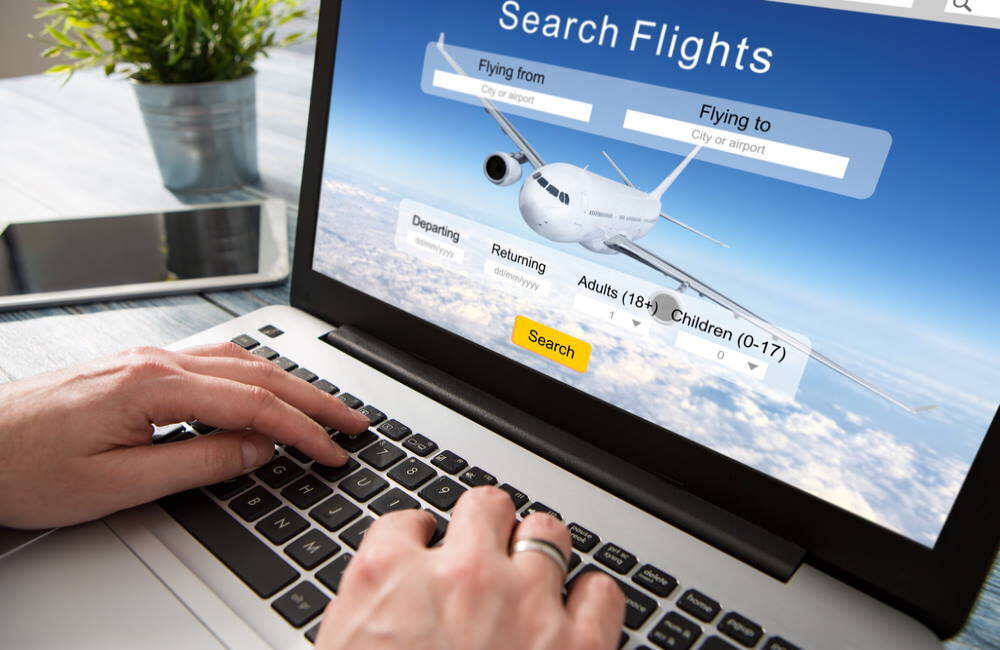
In the digital age, a multitude of online aggregators have emerged as indispensable financial tools for flight shopping. Platforms like Google Flights, Skyscanner, Kayak, and Expedia allow consumers to compare prices across hundreds of airlines and online travel agencies (OTAs) simultaneously. These tools are invaluable for quickly identifying the cheapest routes and dates. However, their utility extends beyond simple comparisons; many offer robust features like “price alerts.” Setting an alert for your desired route and dates allows the system to monitor price fluctuations on your behalf, notifying you when the fare drops to a pre-set threshold or simply when it changes significantly. This passive monitoring ensures you don’t miss a good deal without constantly checking manually, saving both time and potential money.
While aggregators are excellent for initial research, it’s often financially wise to cross-reference prices directly on the airline’s website before making a final decision. Occasionally, airlines offer exclusive deals or package bundles not available through third-party sites. Furthermore, booking directly with the airline can sometimes provide more flexibility in terms of changes or cancellations, and simplify customer service issues, which can become a financial headache if dealing with an intermediary. OTAs, conversely, might offer slightly lower prices due to bulk purchasing or special promotions, but often come with more rigid terms and conditions. A careful financial assessment of the trade-offs between cost, flexibility, and customer service is essential here.
Flexibility as Your Financial Friend
When it comes to purchasing plane tickets, flexibility is perhaps the most powerful financial lever at your disposal. Being rigid about travel dates, times, or even departure/arrival airports can significantly inflate costs. Shifting your travel by just a day or two can sometimes unlock hundreds of dollars in savings, especially for international routes. Many flight comparison sites now include “flexible date” search options, displaying a calendar view of prices over an entire month, making it easy to spot the cheapest days to fly.
Considering alternative airports, even if they require a slightly longer commute, can also yield substantial financial benefits. Major hubs often have higher landing fees and attract more demand, leading to higher ticket prices compared to smaller, regional airports in the vicinity. For instance, flying into a secondary airport near a major city could save you a considerable sum, which can then be offset against any additional ground transportation costs. Similarly, being open to connecting flights instead of insisting on a direct route almost invariably results in a lower fare. While sacrificing some convenience and adding travel time, the financial upside can be compelling, particularly for budget-conscious travelers. Each of these flexible approaches empowers you to align your travel plans with the market’s lowest prices, rather than being beholden to inflated costs.
Decoding Fare Classes and Their Financial Implications
Beyond the basic decision of when and where to fly, understanding the nuances of fare classes is crucial for a financially astute ticket purchase. Airlines segment their cabins into various fare types, each carrying specific inclusions, restrictions, and, critically, price points that cater to different traveler needs and budgets.
Understanding the Spectrum of Economy Fares
At the lowest end of the price spectrum for standard economy travel lies “Basic Economy.” Introduced by many airlines to compete with ultra-low-cost carriers, Basic Economy tickets offer the lowest possible fare but come with significant financial and practical restrictions. Typically, these tickets do not allow for advance seat selection (seats are assigned at check-in, often in middle seats), are non-changeable and non-refundable, and often restrict carry-on bag sizes or prohibit them entirely, forcing passengers to pay for checked luggage. For a solo traveler with minimal baggage and no specific seating preference, this can be a viable cost-saving option. However, for families, travelers with specific needs, or those who value flexibility, the potential added costs for bags, or the inability to change plans without financial penalty, often negate the initial savings. It requires a careful calculation of the true cost once all potential fees are factored in.
“Standard Economy” fares offer a more balanced proposition. While still budget-focused, they typically include advance seat selection (or at least the option to purchase it), allow a standard carry-on bag, and offer more lenient change policies (though often with a fee). The price difference between Basic and Standard Economy can sometimes be marginal, making the slightly higher cost a worthwhile investment for the added flexibility and comfort. For many, this represents the sweet spot between affordability and reasonable amenities.
The Value Proposition of Premium Economy, Business, and First Class
Moving up the financial ladder, “Premium Economy” offers a distinct value proposition that bridges the gap between standard economy and business class. Passengers typically benefit from more legroom, wider seats, better recline, enhanced meal service, and sometimes priority boarding. For longer international flights, the added comfort can significantly improve the travel experience, reducing fatigue and making the journey more productive for business travelers. From a financial perspective, Premium Economy is a strategic investment for those who prioritize comfort and space but cannot justify the significantly higher cost of Business Class. It’s an evaluation of personal comfort versus the incremental cost, with many finding it a good return on investment for journeys exceeding five or six hours.
“Business Class” and “First Class” represent the pinnacle of air travel luxury and come with substantial price tags. Business Class offers lie-flat seats on long-haul flights, gourmet dining, extensive entertainment options, lounge access, and dedicated service. First Class takes this further with even more space, personalized attention, and often exclusive ground services. For corporate travelers, these fares are often justified by the need for productivity, rest, and client impressions, making it a business investment. For leisure travelers, it’s a significant financial splurge, often reserved for special occasions or when leveraging loyalty points for upgrades. A critical financial analysis here involves weighing the significant cost against the perceived value in terms of comfort, privacy, and expedited travel processes. Understanding the actual amenities and services offered by different airlines within these premium categories is crucial, as the value proposition can vary widely.

Harnessing Financial Tools and Loyalty Programs
Smart money management in air travel extends beyond finding the lowest fare; it involves strategically using financial products and loyalty programs to maximize value, minimize out-of-pocket expenses, and secure additional benefits.
Maximizing Credit Card Rewards and Airline Miles
One of the most powerful financial tools for frequent travelers is the strategic use of credit cards. Co-branded airline credit cards, offered in partnership with specific carriers, are designed to reward loyalty. They often come with substantial sign-up bonuses (tens of thousands of miles or points) that can be redeemed for free flights, complimentary checked bags, priority boarding, and sometimes even lounge access. The ongoing earning rates for purchases, especially on airline-specific spending, further accelerate mile accumulation. Before committing to a card, a careful analysis of the annual fee versus the value of the perks and earning potential is essential. For example, a card with a $95 annual fee that offers a free checked bag on every flight (a $30-$50 value per bag, per flight) can quickly pay for itself, particularly for couples or families.
Beyond airline-specific cards, general travel rewards credit cards offer greater flexibility. These cards accrue points that can be redeemed for travel expenses through the card issuer’s portal, transferred to various airline or hotel partners, or even used as statement credits against travel purchases. The flexibility of transferring points to the airline offering the best value at the time can be a significant financial advantage. Understanding “sweet spots” for point redemption—where a relatively small number of points can yield a high-value flight—is key to maximizing the financial return on your spending. This requires research into various airline loyalty programs and their redemption charts.
Navigating Loyalty Programs and Status Tiers
Airline loyalty programs are designed to incentivize repeat business, offering tiered benefits to frequent flyers. Earning elite status (e.g., Silver, Gold, Platinum) through a combination of flying a certain number of miles/segments or spending a certain amount with the airline can unlock a host of financially valuable perks. These include complimentary upgrades to premium cabins (a significant financial benefit), waived baggage fees, expedited security and boarding, lounge access, and bonus mileage earnings on future flights. For business travelers, the time savings and comfort benefits from status can indirectly contribute to productivity and well-being.
Financial planning for status involves understanding the qualification requirements and evaluating whether the benefits outweigh any potential “status chase” costs (e.g., flying extra segments just to qualify). Many co-branded credit cards also offer pathways to elite status or provide a boost towards qualification, further blurring the lines between credit card strategy and loyalty program participation. Furthermore, understanding airline alliances (e.g., Star Alliance, SkyTeam, Oneworld) allows you to leverage status benefits across partner airlines, extending your financial advantages even when flying carriers other than your primary airline.
Payment Methods and Financial Security
The choice of payment method for a plane ticket also carries financial implications. Credit cards are generally recommended due to their robust consumer protection features. In the event of airline bankruptcy, fraud, or service non-delivery, credit card companies often offer chargeback rights, providing a layer of financial security that debit cards typically lack. Many premium credit cards also include inherent travel insurance benefits, such as trip cancellation/interruption coverage, baggage delay insurance, and rental car collision damage waiver. These embedded benefits can negate the need to purchase separate travel insurance policies, representing a direct financial saving.
While debit cards offer immediate payment and avoid credit card interest, they offer fewer protections. Funds are drawn directly from your bank account, and recovery in case of issues can be more challenging. Emerging payment options, such as digital wallets or “buy now, pay later” (BNPL) services, are gaining traction. While BNPL can make expensive tickets more accessible by breaking them into installments, it’s crucial to understand the interest rates, fees, and potential impact on your credit score if payments are missed. For any payment method, ensuring the transaction is secure (e.g., looking for “https://” and a padlock icon in the browser) is a fundamental financial security measure.
Guarding Against Hidden Costs and Protecting Your Investment
The sticker price of a plane ticket is rarely the final financial outlay. A truly astute financial approach to air travel involves anticipating and mitigating a myriad of potential hidden costs and strategically protecting your investment against unforeseen circumstances.
Unmasking Ancillary Fees
Airlines have become increasingly adept at unbundling services, turning what were once included amenities into separate revenue streams. “Ancillary fees” are a significant factor in the true cost of air travel. Baggage fees are perhaps the most common: carefully review airline policies for both carry-on and checked luggage regarding size, weight, and quantity. Many basic economy fares now charge for a standard carry-on bag, and checked bag fees can range from $30-$50 per bag, each way, for the first bag, increasing substantially for additional or overweight bags. Pre-paying for checked bags online, rather than at the airport, almost always results in a financial saving.
Seat selection fees are another prevalent cost. While some airlines still allow free seat selection at check-in (or for specific fare classes), many now charge for choosing a preferred seat, especially for aisle or window seats, or those with extra legroom. For travelers who prioritize comfort or traveling together, this becomes an additional, often unavoidable, expense. Understanding the airline’s policy on changes and cancellations is paramount. While some premium fares offer free changes, most economy tickets will incur a significant change fee (e.g., $75-$200 for domestic flights) plus any fare difference. Opting for “flexible” tickets, if offered, can be a worthwhile financial investment if your travel plans are prone to change, as the upfront cost can be less than a last-minute change fee. Finally, be vigilant for credit card surcharges, though less common in many regions, some smaller airlines or OTAs may add a percentage fee for credit card payments.
The Financial Prudence of Travel Insurance
For many, travel insurance is an overlooked financial protection. While it represents an upfront cost, it can provide invaluable financial peace of mind, especially for expensive trips, international travel, or for individuals with pre-existing medical conditions. Trip cancellation or interruption insurance can reimburse non-refundable flight costs if you have to cancel or cut short your trip due to covered reasons (e.g., illness, death in the family, natural disaster). Medical emergency coverage is crucial for international travel where your domestic health insurance may not apply or may have limited coverage, potentially saving you from crippling medical bills abroad. Baggage loss or delay coverage can provide funds for essential items if your luggage goes astray.
A careful financial analysis involves evaluating the cost of the policy against the potential financial losses if something goes wrong. Some premium credit cards offer robust travel insurance as a benefit, so checking your card’s terms is the first step, as this can negate the need for a separate purchase. If credit card coverage is insufficient, comparing policies from reputable third-party providers is recommended. Understand the exclusions and coverage limits before purchasing. For those with significant financial outlays on flights and other non-refundable travel components, travel insurance moves from an optional expense to a vital component of financial risk management.

The Role of Budgeting in Air Travel
Finally, comprehensive budgeting forms the bedrock of financially responsible air travel. Before even searching for tickets, establish a realistic flight budget that accounts for not just the ticket price, but also potential ancillary fees (baggage, seat selection), ground transportation to and from airports, and any visa or entry fees. Adhering to this budget prevents overspending and ensures your travel is financially sustainable. Post-purchase, it’s prudent to continue monitoring flight prices. While most economy tickets don’t allow for rebooking at a lower fare without penalty, some airlines occasionally offer credit for the difference, or if the price drops significantly, the savings might outweigh the change fee, especially if you have a flexible fare. A proactive and informed financial approach to purchasing plane tickets transforms what could be a simple expense into a strategic investment in your travel experience.
aViewFromTheCave is a participant in the Amazon Services LLC Associates Program, an affiliate advertising program designed to provide a means for sites to earn advertising fees by advertising and linking to Amazon.com. Amazon, the Amazon logo, AmazonSupply, and the AmazonSupply logo are trademarks of Amazon.com, Inc. or its affiliates. As an Amazon Associate we earn affiliate commissions from qualifying purchases.