
Flying with a beloved pet can be one of the most rewarding yet daunting experiences for any animal owner. The labyrinth of airline regulations, health certifications, specialized equipment, and the sheer emotional stress for both pet and human can often deter even the most determined travelers. However, in an increasingly connected world, technology offers a comprehensive suite of solutions to demystify, streamline, and ultimately enhance the process of pet travel. From sophisticated apps that guide you through compliance checklists to smart gadgets that monitor your pet’s well-being in real-time, leveraging technology is no longer a luxury but a fundamental strategy for a successful journey. This guide delves into how digital tools, software, and smart devices are transforming the way we approach pet air travel, making it safer, smoother, and significantly less stressful for everyone involved.
Navigating Pre-Flight Preparations with Digital Tools
The journey of flying with a pet often begins long before you reach the airport. The preparatory phase is critical, involving meticulous planning, health checks, and understanding a myriad of rules. Technology has emerged as an indispensable ally in organizing these complex requirements, transforming what was once a paperwork nightmare into a manageable digital workflow.
Streamlining Health Documentation & Vet Appointments
One of the most significant hurdles in international or even domestic pet travel is the array of health certificates, vaccination records, and veterinary endorsements required. Gone are the days of shuffling through stacks of paper. Modern pet health management apps and digital veterinary platforms are revolutionizing this process. These applications allow pet owners to upload and securely store all critical health information – vaccinations, microchip details, medication history, and past travel clearances – in a centralized, accessible location. Many even offer direct integration with veterinary clinics, enabling seamless sharing of records for health certificate completion or pre-travel consultations. Some platforms provide automated reminders for upcoming vet appointments or vaccination boosters, ensuring your pet is always compliant with travel requirements. Furthermore, telehealth platforms for veterinarians have gained traction, allowing for initial consultations or follow-ups without the need for a physical visit, saving time and reducing stress for both pet and owner in the busy pre-travel period. These digital systems drastically cut down on administrative errors and ensure all necessary documentation is meticulously prepared and readily available, often in formats accepted by airlines and border control.
Choosing the Right Carrier: Smart Solutions & Digital Guides
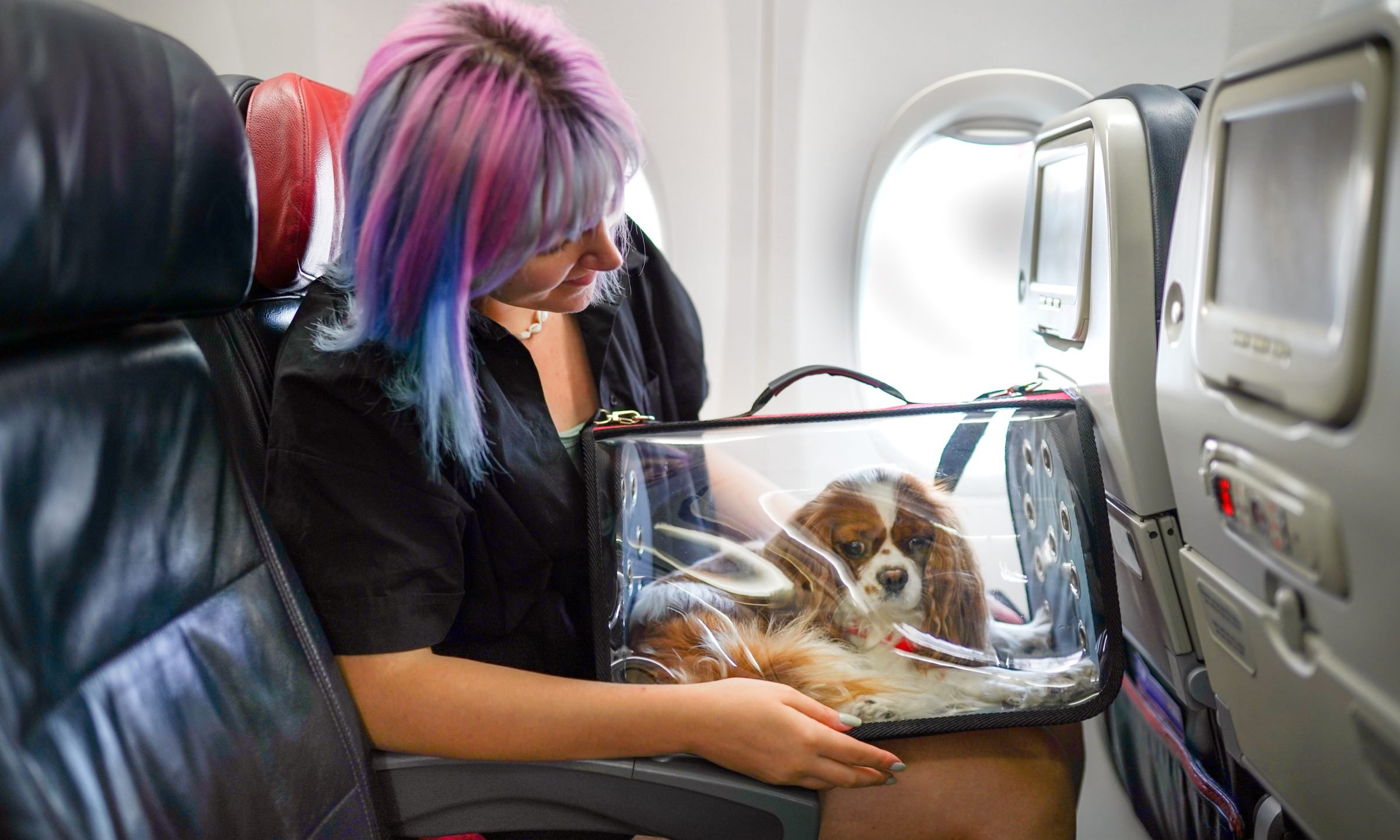
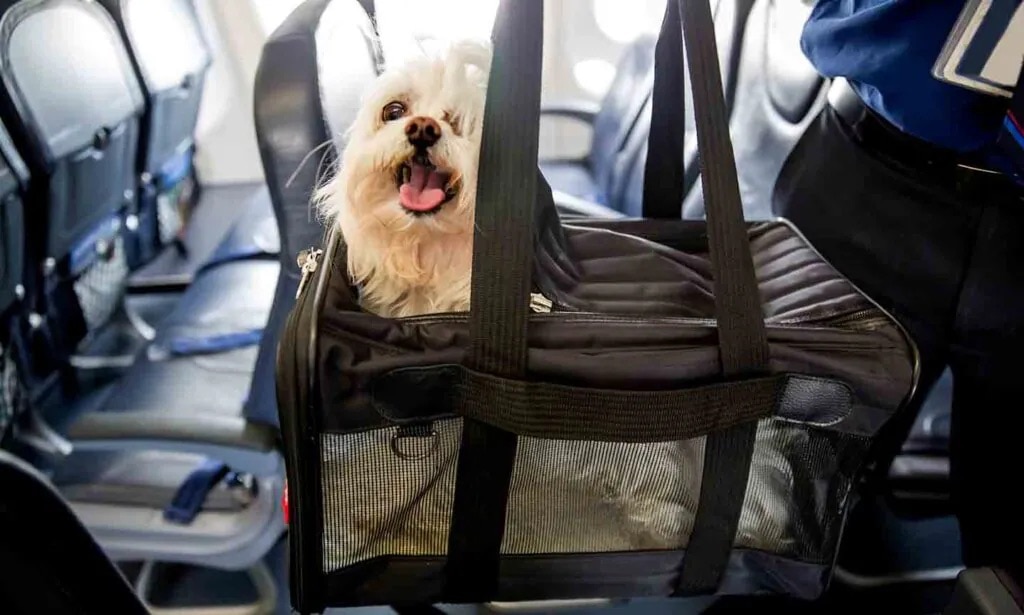
The pet carrier is more than just a box; it’s your pet’s temporary home in the sky, and selecting the right one is paramount for their safety and comfort. Technology now plays a pivotal role in this selection process. E-commerce platforms offer detailed filters and comparison tools, allowing owners to sort carriers by IATA compliance, airline-specific dimensions, pet weight limits, and material specifications. Beyond basic shopping, augmented reality (AR) apps are emerging, enabling users to virtually “place” a carrier in their living room to assess its size and how their pet might fit, ensuring compliance with both pet comfort and airline regulations.
Moreover, the innovation of “smart” pet carriers is transforming the travel experience. These advanced carriers come equipped with built-in sensors that monitor internal temperature, humidity, and even air quality, providing real-time data directly to a synced smartphone app. Some models feature integrated scales for accurate weight measurement, preventing last-minute surprises at check-in. Others include small, low-light cameras that allow owners to check on their pet visually during long layovers, offering invaluable peace of mind. These technological enhancements not only help meet stringent airline requirements but also prioritize the pet’s well-being throughout the journey.
Understanding Regulations: App-Based Compliance Checklists
The sheer volume and variability of pet travel regulations across airlines, states, and countries can be overwhelming. Each airline has its own specific rules regarding pet size, breed restrictions, carrier type, in-cabin vs. cargo policies, and health document validity. This is where dedicated pet travel planning apps become indispensable. These applications centralize vast databases of airline policies and destination country import requirements, often updated in real-time. By inputting your origin, destination, pet’s details, and travel dates, these apps generate personalized, step-by-step checklists. They can highlight breed-specific restrictions, quarantine requirements, required vaccinations, microchip standards, and necessary permits. Some even provide direct links to official government websites or specific airline pet policies, saving countless hours of research. These digital compliance tools act as a virtual travel agent for your pet, ensuring no critical step is missed and mitigating the risk of being turned away at the airport due to regulatory oversight.
Enhancing the Travel Day Experience with Smart Gadgets & Apps
Once the rigorous preparations are complete, the day of travel presents its own set of challenges. Managing anxiety, navigating airports, and ensuring continuous comfort for your pet are crucial. Technology provides a suite of tools to make the actual travel day smoother and less stressful for both pet and owner.
Real-time Pet Tracking & Monitoring Systems
For pets traveling in the cargo hold, a major source of owner anxiety is the inability to monitor their pet directly. GPS pet trackers and smart carrier sensors offer a revolutionary solution. While pure GPS trackers are typically not allowed inside the cargo hold due to battery and signal interference concerns, technological advancements are addressing this. Some smart carriers integrate non-GPS based tracking using low-frequency radio or cellular signals that are compliant with airline regulations, allowing owners to monitor the carrier’s location within airport facilities. More commonly, sensors within smart carriers monitor vital environmental conditions like temperature and humidity, transmitting data to a companion app. These systems can alert owners if conditions become unsafe, providing crucial peace of mind and, in extreme cases, enabling swift intervention by airline staff. For pets traveling in-cabin, discreet wearable health monitors for pets can track heart rate, respiration, and activity levels, giving owners insight into their pet’s stress levels and overall comfort during the flight.
Communication & Entertainment Onboard (for humans managing pets)
While pets themselves can’t use gadgets, technology vastly improves the owner’s ability to manage them during travel. For in-cabin pets, noise-canceling headphones for owners can create a calmer environment, reducing owner stress and making them more attuned to their pet’s needs rather than ambient aircraft noise. Tablets or smartphones loaded with calming pet sounds or white noise apps (played subtly through headphones) can potentially soothe anxious pets, though this should be tested beforehand to ensure it doesn’t cause further distress. Moreover, e-readers or tablets allow owners to access pet care guides, airline policies, or even light entertainment to keep themselves relaxed, which in turn can positively affect the pet’s demeanor. Keeping the human calm and prepared is a significant, if indirect, tech-driven benefit for the pet’s journey.
Pet-Friendly Travel Apps for Airport Navigation

Navigating a bustling airport with a pet, especially during layovers, can be challenging. Pet-friendly travel apps are invaluable here. Many general travel apps now integrate filters to find “pet relief areas” within airports, complete with directions. Dedicated pet travel apps go further, providing detailed maps of pet-friendly zones, designated security lanes (if applicable), and even lists of nearby pet services like emergency vets or pet stores at the destination airport. Some apps can even help identify pet-friendly accommodation options near layover cities, crucial for longer stops. The ability to quickly locate crucial facilities like relief stations, often under time pressure, dramatically reduces stress for both pet and owner, ensuring comfort breaks are timely and efficient.
Post-Arrival & Pet Wellbeing Tech
The journey doesn’t end when the plane lands. The post-arrival phase is critical for helping your pet adjust and ensuring their continued health and safety in a new environment. Technology continues to offer support, from acclimation tools to ongoing health management.
Digital Adaptation & Stress Reduction Tools
Pets, much like humans, can experience disorientation and stress in new surroundings. Technology provides several avenues to aid in their adaptation. Smart home devices that can be set up in temporary accommodation (like smart diffusers for calming pheromones, activated remotely, or smart speakers playing familiar sounds) can help create a comforting environment. For pets that suffer from separation anxiety, two-way pet cameras with treat dispensers can allow owners to check in on their pet, speak to them, and offer positive reinforcement even when they’re out exploring the new location. There are also apps specifically designed to track your pet’s behavior (e.g., eating habits, sleep patterns, bathroom breaks) to help identify signs of stress or illness early on, providing data that can be shared with a local vet if concerns arise. These tools help maintain a sense of normalcy and provide early detection for potential post-travel issues.
Locating Pet Services with Geo-Targeted Apps
Upon arrival, you might need to find a local vet, a pet supply store, or even a dog park for exercise. Geo-targeted pet service apps are incredibly useful for this. Platforms like Yelp or Google Maps, with specific pet-friendly filters, can quickly identify nearby veterinary clinics, groomers, pet supply stores, and parks, complete with reviews, opening hours, and contact information. Specialized apps dedicated solely to pet services often offer more granular details, such as emergency vet availability, exotic pet care, or even pet-friendly dining options. This digital accessibility to local pet infrastructure ensures that any immediate needs, from a quick meal for your pet to an unexpected health concern, can be addressed efficiently and effectively, minimizing further stress after a long journey.
Maintaining Digital Health Records for Future Travel
After a successful trip, the accumulated health and travel documentation becomes invaluable for future adventures. Storing these records digitally is not just convenient but also a proactive step for future travel. Using cloud-based storage services (like Google Drive, Dropbox, or dedicated pet passport apps) ensures that all health certificates, vaccination records, and microchip details are securely backed up and accessible from any device, anywhere in the world. Many pet health apps allow you to create a comprehensive digital “pet passport” that can be easily updated after each vet visit or vaccination. This meticulous digital record-keeping simplifies subsequent travel preparations, as much of the necessary information is already consolidated and ready for review or submission, making recurrent flights significantly less cumbersome.
The Future of Pet Travel: AI & Advanced Tech
As technology continues to evolve at an unprecedented pace, the future of flying with pets promises even more sophisticated and integrated solutions, driven largely by advancements in Artificial Intelligence and predictive analytics.
Predictive Analytics for Stress-Free Routes
Imagine an AI system that, based on historical data, your pet’s breed, temperament, and past travel experiences, could recommend the least stressful travel route, airline, and even time of day for your flight. This is the promise of predictive analytics in pet travel. By analyzing factors like typical flight delays on certain routes, the average temperature fluctuations in cargo holds for specific aircraft types, and known stress triggers for different breeds, AI could provide hyper-personalized travel itineraries. It could suggest airports with historically shorter wait times for pet processing, or recommend airlines with proven excellent pet handling records, moving beyond basic compliance to true welfare optimization. Such systems could also integrate weather forecasts to advise against travel during extreme heat or cold, dynamically rerouting or rescheduling for optimal safety.
AI-Powered Language Translation for International Pet Care
For international pet travel, communication barriers can complicate seeking local veterinary care or purchasing specific pet supplies. AI-powered language translation tools, already prevalent for human communication, will become increasingly specialized for pet care. Imagine an app that not only translates your symptoms description to a foreign vet but also understands and translates veterinary terminology back to you, ensuring precise communication regarding your pet’s health. Future applications could even integrate visual recognition AI to help identify specific pet product brands or types in foreign stores, overcoming label language barriers. This technology would make accessing quality pet care and necessities in unfamiliar countries far less daunting, bridging cultural and linguistic gaps for globetrotting pet owners.
Virtual Reality for Pre-Travel Acclimation
One of the biggest sources of stress for pets during travel is the unfamiliarity of the sights, sounds, and sensations. Virtual Reality (VR) technology offers a groundbreaking solution for pre-travel acclimation. Imagine exposing your pet to VR simulations of an airport environment – the sounds of planes, announcements, the sight of busy terminals, and even the feeling of being in a carrier – all in a controlled, safe home environment. While direct VR headsets for pets are still nascent, projection-based VR experiences in a dedicated room could help desensitize pets to these stimuli. For humans, VR could offer immersive tutorials on securing carriers or navigating specific airport layouts, allowing them to practice and feel more confident, which would indirectly reduce their pet’s anxiety on travel day. This innovative approach could significantly reduce travel-related stress for pets long before they even leave the house.
Conclusion
Flying with your pet is undeniably a complex undertaking, fraught with potential challenges and anxieties. However, the rapid advancements in technology have provided an unprecedented array of tools and solutions that fundamentally transform this experience. From digital platforms that streamline pre-flight documentation and smart carriers that monitor pet welfare in real-time, to geo-targeted apps for on-the-ground support and futuristic AI systems promising optimized journeys, technology is reshaping every facet of pet air travel. By embracing these innovative gadgets, software, and digital services, pet owners can not only navigate the logistical intricacies with greater ease but also ensure their furry companions experience a journey that is as safe, comfortable, and stress-free as possible. As we look to the horizon, the continued integration of AI, IoT, and advanced analytics promises an even more seamless and intuitive future for pet travel, truly enabling us to explore the world with our cherished animal companions by our side.
aViewFromTheCave is a participant in the Amazon Services LLC Associates Program, an affiliate advertising program designed to provide a means for sites to earn advertising fees by advertising and linking to Amazon.com. Amazon, the Amazon logo, AmazonSupply, and the AmazonSupply logo are trademarks of Amazon.com, Inc. or its affiliates. As an Amazon Associate we earn affiliate commissions from qualifying purchases.