
In the dynamic world of air travel, plans can shift in an instant. Whether it’s an unexpected business meeting, a change in personal circumstances, or simply a desire for a different departure time, the need to alter a booked flight is a common reality for travelers. For those flying with American Airlines, understanding the financial intricacies of changing a flight is paramount to making informed decisions and avoiding unnecessary costs. This guide delves into the economic landscape of American Airlines’ flight change policies, offering strategic insights to navigate fees, fare differences, and various options with a keen eye on your personal finances.

Understanding American Airlines’ Change Fee Policies
The first step in financially savvy flight management is to comprehend the underlying fee structures. American Airlines, like most major carriers, has evolved its policies significantly over recent years, moving towards greater flexibility, particularly for certain fare types. However, a nuanced understanding is still essential to protect your wallet.
The Evolution of Change Fees: From Strict Penalties to Greater Flexibility
For decades, changing a flight often meant incurring substantial penalties, sometimes exceeding the cost of a new ticket. These fees served as a significant revenue stream for airlines and a deterrent for last-minute alterations. However, the global pandemic catalyzed a seismic shift in airline policies. American Airlines, alongside its competitors, largely eliminated change fees for most domestic and short-haul international flights (to the Caribbean, Mexico, and Canada) on most Main Cabin and above fares. This monumental change, introduced in 2020, has dramatically reduced the financial burden for many travelers.
However, it’s crucial to understand that this waiver is not universal. Basic Economy fares, for instance, generally remain non-changeable and non-refundable, unless you cancel within the 24-hour grace period. Furthermore, certain long-haul international flights may still be subject to change fees, depending on the route and specific fare rules. The core takeaway is that while flexibility has increased, vigilance regarding your specific ticket’s terms and conditions is still your best financial defense. Always review the fare rules at the time of purchase, as these dictate your options if plans change.
Identifying Your Fare Type: The Key to Predictable Costs
The type of ticket you purchase is the single most important factor dictating the financial implications of a flight change. American Airlines offers several fare classes, each with distinct rules:
- Basic Economy: This is the most restrictive and often the lowest-priced fare. Generally, Basic Economy tickets are non-changeable and non-refundable. If you need to change your plans, you’ll likely forfeit the ticket’s value unless American issues a waiver due to operational issues. The only financial flexibility here is often the 24-hour rule (discussed later).
- Main Cabin (Economy): For most domestic and many international routes, Main Cabin fares no longer incur a change fee. If you change your flight, you will only be responsible for any fare difference between your original ticket and the new flight. This represents a significant financial improvement for travelers valuing flexibility.
- Premium Economy, Business, and First Class: These premium fares typically come with even greater flexibility than Main Cabin, often including no change fees and sometimes more lenient refund policies, depending on the specific fare bucket. The trade-off is the higher upfront cost, which implicitly includes the value of this added flexibility.
Understanding which category your ticket falls into is critical. Before initiating any change, locate your reservation and review the fare conditions. This information is usually available in your booking confirmation email or within the “Manage Trip” section on the American Airlines website or app. Doing so prevents unwelcome financial surprises.
When Are Change Fees Waived? Exceptions and Special Circumstances
Beyond the general policy shifts, several scenarios can lead to a change fee waiver, providing unexpected financial relief:
- Airline-Initiated Changes: If American Airlines makes a significant schedule change (e.g., changing your departure time by a certain threshold, typically 90 minutes or more, or canceling your flight outright), you are usually entitled to a full refund or a free change to an alternative flight, even on Basic Economy tickets. This is a crucial consumer protection that can save you substantial money.
- Medical Emergencies/Bereavement: While not universally guaranteed, American Airlines may offer waivers in cases of documented severe illness, injury, or death in the immediate family. These are often handled on a case-by-case basis and require supporting documentation. It’s a compassionate policy that can offer financial relief during difficult times.
- Same-Day Confirmed/Standby Options: For a modest fee (or sometimes free for elite members), you might be able to change to an earlier or later flight on the same day to the same destination. This is distinct from a full flight change and is generally for minor adjustments to your travel day.
- Travel Insurance: A comprehensive travel insurance policy can be a significant financial tool, covering non-refundable expenses, including flight change fees or the cost of new tickets, under specific covered reasons (e.g., illness, job loss). Investing in insurance, especially for complex or expensive trips, can be a prudent financial decision.
Always check American Airlines’ official website for the most current policies, as they can be subject to change. When in doubt, a direct call to customer service can provide clarity on your specific situation.
Navigating Fare Differences and Upsells
Even without a direct change fee, altering your flight often comes with a new financial consideration: the fare difference. This is where strategic decision-making and a keen eye on pricing become essential.
Deciphering the Cost of a New Itinerary
When you change your flight, American Airlines calculates the difference between the price of your original ticket and the current price of the new flight you wish to book.
- If the new flight is more expensive: You will be required to pay the difference. This is the most common scenario, especially if you’re changing to a popular flight time, a different day, or a higher demand season.
- If the new flight is less expensive: This is where it gets tricky. For Main Cabin and premium fares, American Airlines typically issues a travel credit for the residual value. This credit usually expires one year from the original ticket’s issue date. For Basic Economy, as noted, there is generally no credit issued. It’s important to understand the terms of these credits, including their validity and transferability, as they represent a financial asset.
The best way to understand the potential fare difference is to test various new itineraries online before confirming any changes. The American Airlines website’s “Manage Trip” section usually allows you to browse alternative flights and see the exact fare difference (or credit) before finalizing the change.
Strategic Considerations for Upgrading or Downgrading
A flight change presents an opportunity to re-evaluate your travel experience. You might consider upgrading to a higher class of service (e.g., from Main Cabin to Premium Economy or Business Class) or, conversely, downgrading if your new priorities warrant it.
- Upgrading: If you choose to upgrade, you’ll pay the difference between your original fare and the current price of the upgraded fare. This can be a strategic move if your original flight was on a restrictive fare but your new travel plans demand more comfort or amenities. Evaluate the cost-benefit: is the added comfort, extra luggage allowance, or improved service worth the additional expense?
- Downgrading: While less common, you might consider downgrading if the only available alternative flights are in a lower class, or if financial constraints suddenly become paramount. If you downgrade from a Premium Economy to a Main Cabin ticket, for example, the fare difference (if positive) would typically be issued as a travel credit, subject to the usual terms. Ensure you understand the specific fare rules associated with downgrading, as policies can vary.
Always compare the cost of upgrading via a flight change versus purchasing a separate upgrade offer directly from American Airlines, as pricing can differ.
The Hidden Costs of Route and Time Adjustments
Beyond the direct fare difference, consider the broader financial impact of route or time adjustments:
- Connecting Flights: Changing one segment of a multi-leg journey can sometimes trigger repricing for the entire itinerary. This can lead to surprisingly high fare differences, as the system recalculates the entire journey from scratch.
- Peak vs. Off-Peak: Moving your flight from an off-peak day/time to a peak travel period (e.g., Friday evening, Sunday afternoon, or holidays) almost invariably results in a significant fare increase. Be mindful of these demand-driven price fluctuations.
- Accommodation and Ground Transportation: A flight change can necessitate rebooking hotels, rental cars, or other ground transportation, potentially incurring cancellation fees or higher rates for last-minute bookings. Factor these auxiliary costs into your decision-making process.
- Lost Opportunity: If you have to take an extra day off work due to a flight change, there’s an associated loss of income. While not a direct fee from American, it’s a real financial cost to consider.
A holistic view of all potential costs, direct and indirect, is crucial for making the most financially sound decision when altering your travel plans.
Smart Strategies for Minimizing Financial Impact

While flight changes often come with costs, there are several proactive strategies and policy nuances that financially astute travelers can leverage to minimize their expenditure.
Leveraging Same-Day Confirmed and Standby Options
For minor adjustments on the day of travel, American Airlines offers two specific financially advantageous options:
- Same-Day Confirmed: If you need to fly earlier or later on the same calendar day as your original departure, to the same destination, you may be able to confirm a seat on an alternative flight for a fixed fee (typically around $75 for domestic flights, though this can vary and is often waived for certain elite members). This is a great value if the alternative flight’s full fare difference would be much higher. The key is that it must be within 24 hours of your original flight, and a seat must be available in the same booking class or a higher one within the same cabin.
- Same-Day Standby: This is a more cost-effective, albeit riskier, option. For a lower fee (often $25-$50, or waived for elite members), you can list yourself for standby on an earlier or later flight on the same day. You will only be assigned a seat if one becomes available shortly before departure. This is financially appealing as you only pay if you get a seat, but it lacks certainty.
Both options offer flexibility at a significantly lower cost than a full flight change, making them excellent financial tools for last-minute adjustments. Always check the eligibility requirements and current fees on American’s website or app.
The Power of Elite Status: Unlocking Enhanced Flexibility
Loyalty programs, particularly elite tiers, offer substantial financial benefits when it comes to flight changes. American Airlines AAdvantage elite members (Gold, Platinum, Platinum Pro, Executive Platinum) often receive:
- Waived Same-Day Confirmed Fees: Many elite tiers can utilize the same-day confirmed option for free, saving $75 or more per instance.
- Waived Same-Day Standby Fees: Similarly, standby fees are often waived for elite members.
- Priority for Standby Lists: Elite status typically places you higher on standby lists, increasing your chances of securing a seat.
- More Lenient Customer Service: While not explicitly a policy, elite members often receive more flexibility and understanding from customer service agents when navigating complex change scenarios, potentially leading to fee waivers in extenuating circumstances.
For frequent travelers, the financial value of these elite benefits can quickly outweigh the costs of achieving status, especially considering the savings on flight changes alone.
Utilizing Travel Insurance for Unexpected Changes
Travel insurance is a critical financial safety net for mitigating the costs associated with unforeseen flight changes. A comprehensive policy can cover:
- Trip Cancellation/Interruption: If you have to cancel or cut short your trip due to a covered reason (e.g., sudden illness, severe weather, job loss), the insurance can reimburse non-refundable expenses, including the cost of your flight.
- Flight Change Fees/New Ticket Costs: Some policies specifically cover the cost of changing a flight or purchasing a new ticket if the original trip is disrupted for a covered reason.
- “Cancel For Any Reason” (CFAR) Coverage: This optional add-on, though more expensive, provides the ultimate flexibility. It allows you to cancel your trip for any reason not covered by the standard policy and typically recover a significant portion (e.g., 50-75%) of your non-refundable costs. For high-value trips or those with significant uncertainty, CFAR can be a wise financial investment.
Always read the policy’s fine print to understand what is and isn’t covered, and consider purchasing insurance from a reputable third party rather than directly from the airline, as third-party policies often offer broader coverage.
Understanding the 24-Hour Rule and Voluntary Waivers
Two final financial lifelines exist for travelers:
- The 24-Hour Rule: Under U.S. Department of Transportation regulations, airlines must allow passengers to hold a reservation at the quoted fare for 24 hours without payment, or cancel a reservation without penalty within 24 hours of booking, provided the reservation was made at least seven days prior to the flight’s departure. This rule is a financial superpower for travelers who book impulsively or find a better deal shortly after booking. It allows for a full refund without any cost.
- Voluntary Waivers: Occasionally, American Airlines may issue system-wide waivers due to widespread operational disruptions like severe weather at major hubs, air traffic control issues, or other extraordinary circumstances. These waivers typically allow passengers to change their flight without a fee, and sometimes even waive fare differences, for a specific period and route. Always check American’s website for “Travel Alerts” or “Travel Notices” if you suspect your travel might be impacted, as this can offer significant financial relief.
Tools and Resources for Informed Decision-Making
Making financially sound flight change decisions requires access to the right information and the ability to act efficiently. American Airlines provides several tools and resources to empower travelers.
American Airlines’ Online Portal: Your Self-Service Financial Hub
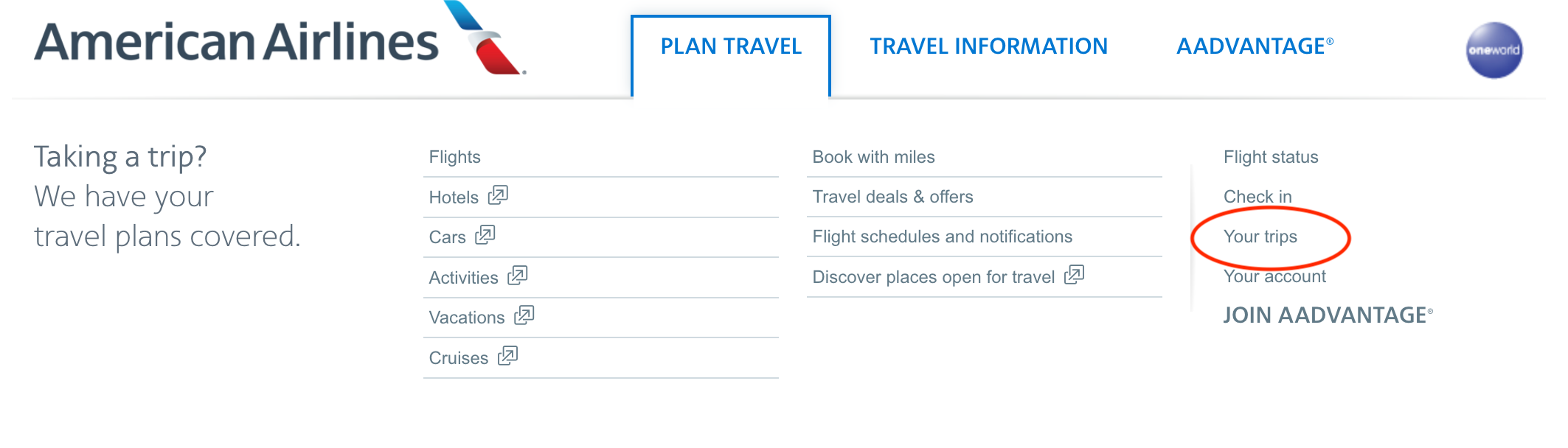
The “Manage Trip” section on American Airlines’ website and their mobile app are your primary financial management tools for flight changes. Through these platforms, you can:
- View Current Itinerary and Fare Rules: Access your booking details, including the original fare paid and the associated fare rules, which dictate change eligibility and potential costs.
- Initiate Changes and See Costs: Experiment with different flight options and see the exact fare difference (or credit) before committing to a change. This transparency allows you to budget and compare alternatives without penalty.
- Access Travel Credits: If you have residual value from a previous cancellation or change, the online portal often allows you to view and apply these credits to new bookings.
- Check for Waivers: The website prominently displays any active travel alerts or waivers that might apply to your itinerary, potentially saving you a change fee or fare difference.
Familiarizing yourself with these digital tools can save you time, effort, and money by providing immediate access to critical financial information and options.
Consulting with Customer Service: Beyond the Digital Interface
While online tools are powerful, sometimes a direct conversation with American Airlines customer service is necessary, especially for complex situations:
- Complex Itineraries: If you have a multi-leg, international, or codeshare itinerary, online systems can sometimes struggle with accurate repricing. A representative can often manually review and provide clearer options.
- Extenuating Circumstances: For medical emergencies, bereavement, or other unique situations that might warrant a fee waiver, a phone call is often the only way to explain your case and request an exception. Be prepared with any necessary documentation.
- Clarification on Policies: If you’re unsure about specific fare rules or how a waiver applies to your situation, a customer service agent can provide definitive answers.
While wait times can be a factor, a polite and well-prepared conversation with customer service can sometimes yield financial benefits not available through automated systems.
Financial Planning for Travel Flexibility: A Proactive Approach
The most financially responsible approach to flight changes is to plan for flexibility from the outset.
- Budget for Contingencies: When budgeting for travel, consider setting aside a small percentage for potential flight change fees or fare differences, especially for trips booked far in advance or during volatile times.
- Choose the Right Fare: If flexibility is a high priority, consider paying slightly more for a Main Cabin fare over a Basic Economy fare. The upfront cost might be marginally higher, but the financial risk of needing a change is significantly reduced.
- Monitor Flight Prices: If you anticipate needing to change your flight, keep an eye on alternative flight prices. Sometimes, purchasing a new ticket entirely and forfeiting the original (especially a cheap Basic Economy ticket) can be cheaper than paying a substantial fare difference on your original booking.
- Understand Your Employer’s Policies: If traveling for business, be aware of your company’s policies regarding flight changes and who bears the cost.
By understanding American Airlines’ policies, leveraging available tools, and adopting a proactive financial mindset, travelers can confidently navigate the complexities of flight changes, ensuring their travel plans remain adaptable without breaking the bank. Flexibility, when managed wisely, is a valuable asset in today’s travel landscape.
aViewFromTheCave is a participant in the Amazon Services LLC Associates Program, an affiliate advertising program designed to provide a means for sites to earn advertising fees by advertising and linking to Amazon.com. Amazon, the Amazon logo, AmazonSupply, and the AmazonSupply logo are trademarks of Amazon.com, Inc. or its affiliates. As an Amazon Associate we earn affiliate commissions from qualifying purchases.