
The allure of a “free flight” is a powerful motivator for travelers diligently accumulating airline loyalty points. For members of American Airlines’ AAdvantage program, the question “how many miles for a free flight?” is central to maximizing the value of their hard-earned rewards. However, the answer is rarely a simple, fixed number. In the realm of personal finance and savvy travel, understanding AAdvantage mile redemption requires a nuanced approach, acknowledging dynamic pricing, strategic planning, and a keen eye for value. This guide delves into the financial intricacies of using AAdvantage miles, helping you unlock the true savings potential of your loyalty currency.
Understanding AAdvantage Miles and Their Intrinsic Value
At its core, AAdvantage miles represent a form of alternative currency, earned through flying, co-branded credit card spending, and various partner activities. While seemingly straightforward, their value isn’t static, fluctuating based on numerous market conditions and your redemption strategy.
What Are AAdvantage Miles?
AAdvantage is the frequent flyer program of American Airlines, one of the world’s largest airlines. Members earn miles by flying with American Airlines and its Oneworld alliance partners, using AAdvantage credit cards, shopping through the AAdvantage eShopping portal, dining through AAdvantage Dining, and engaging with other program partners like hotels and rental car companies. These miles are ultimately intended to be redeemed for flights, upgrades, or other travel-related benefits, transforming accumulated points into tangible financial savings on travel expenses.
The Dynamic Nature of Mile Redemption
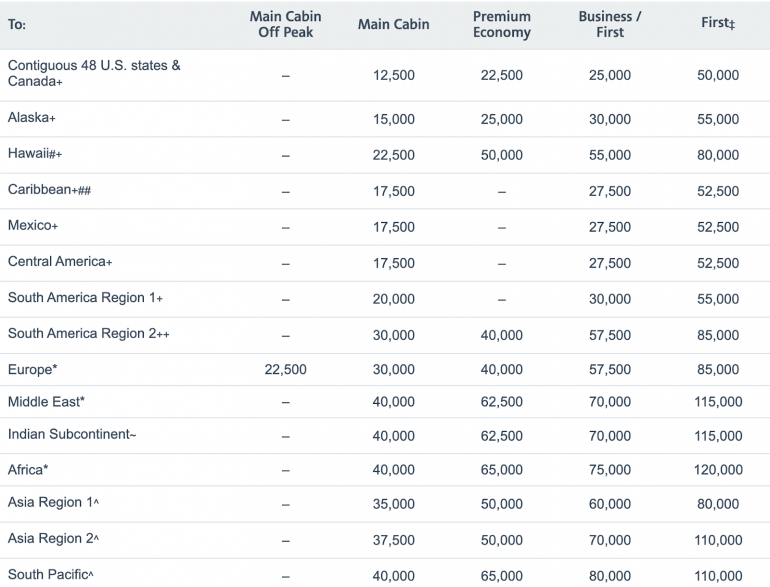
Gone are the days of simple, fixed award charts that clearly delineated the mile cost for specific routes. Like many major airlines, American Airlines has largely adopted a dynamic pricing model for its award flights. This means the number of miles required for a flight can vary significantly based on factors such as demand, time of booking, specific route, and even the time of day. This shift from static charts to dynamic pricing necessitates a more analytical and financially astute approach to redemption. Instead of simply aiming for a specific mile target, travelers must now assess the cost-benefit of each potential redemption in real-time.
Calculating the Value of Your Miles (CPM)
A crucial financial metric for any points enthusiast is “Cents Per Mile” (CPM). This calculation helps you determine the monetary value you’re receiving for each mile you redeem. To calculate CPM, you take the cash price of a flight, subtract any taxes and fees that would still be payable on an award ticket, and then divide that by the number of miles required for the award ticket. Multiply the result by 100 to get the value in cents.
CPM = [(Cash Price of Flight – Taxes & Fees on Award Ticket) / Number of Miles] * 100
For example, if a flight costs $500 cash, but you can book it for 25,000 miles + $50 in taxes/fees, your CPM would be:
[($500 - $50) / 25,000] * 100 = ($450 / 25,000) * 100 = 0.018 * 100 = 1.8 cents per mile.
A general benchmark for AAdvantage miles considers anything above 1.5-2.0 CPM to be a good redemption, indicating you’re getting solid financial value from your miles. Below 1.0 CPM, it’s often more financially prudent to pay cash for the ticket and save your miles for a better opportunity. This rigorous financial evaluation is key to ensuring you’re not simply “spending” miles but rather “investing” them wisely for maximum savings.
Factors Influencing Mile Requirements
The number of AAdvantage miles needed for a free flight is a moving target, shaped by a confluence of variables. Understanding these factors is paramount for strategic financial planning and successful award booking.
Destination and Route Popularity
Just as cash prices fluctuate, so do mile requirements based on the popularity and demand of a route. Highly sought-after destinations, especially during peak travel periods, will invariably command more miles. A flight from a major hub to a popular tourist destination like Orlando or Cancun during school holidays will almost certainly require more miles than a flight to a less trafficked regional airport during the off-season. International long-haul flights, particularly to premium destinations in Europe or Asia, will naturally require a significantly higher mile outlay than short domestic hops.
Travel Class and Aircraft Type
The class of service is arguably the most significant determinant of mile cost. An economy class ticket will always be the most economical in terms of miles. Business class and first class, offering enhanced comfort, service, and amenities, come at a substantial premium in mile requirements. While these premium redemptions can offer exceptionally high CPM values, they also require a far greater accumulation of miles. The specific aircraft type (e.g., whether it offers lie-flat seats in business class) can also subtly influence demand and, consequently, mile pricing, though this is often secondary to the fundamental class of service.
Date and Time of Travel
Flexibility in travel dates is a financial superpower when it comes to award travel. Peak seasons, major holidays (Christmas, Thanksgiving, Easter), and popular event dates (e.g., Super Bowl, major festivals) will see mile costs soar. Conversely, traveling during the off-season, on weekdays instead of weekends, or at less convenient times (e.g., red-eye flights) can lead to substantial mile savings. Booking well in advance often, but not always, yields better mile rates, as airlines release their most competitive award space early. Last-minute bookings can be a gamble, sometimes offering incredible deals if award space goes unbooked, but more often resulting in inflated mile requirements.

AAdvantage Status and Co-Branded Cards
While not directly reducing the published mile requirement for a flight, AAdvantage elite status (Gold, Platinum, Platinum Pro, Executive Platinum) can indirectly enhance your award travel experience and value. Elite members often receive complimentary upgrades on cash tickets, access to better award inventory, and sometimes reduced change/cancellation fees for award tickets, all of which contribute to the overall financial benefit of the program. Similarly, holding certain co-branded American Airlines credit cards can offer benefits like priority boarding, free checked bags (saving baggage fees), or even companion tickets, further improving the financial equation of your travel. Some cards may also offer discounts on award redemptions or give access to better award availability.
Strategies for Maximizing Your Mile Redemptions
Strategic redemption is where your financial acumen truly shines. It’s not just about spending miles; it’s about making financially intelligent decisions that yield the highest return on your loyalty investment.
Flexibility is Key
The single most impactful strategy for finding cheap award flights is flexibility. If your travel dates are rigid, you’ll be at the mercy of the airline’s dynamic pricing. However, if you can shift your departure or return by a few days, or consider flying on a Tuesday instead of a Friday, you dramatically increase your chances of finding lower mile requirements. American Airlines’ website often features a flexible date search calendar, which is an invaluable tool for identifying days with lower mile costs. Being flexible with your destination can also lead to significant savings; sometimes flying into a nearby alternative airport and driving the rest of the way can be more mile-efficient.
Searching for “Sweet Spots”
Despite dynamic pricing, “sweet spots” still exist. These are routes or travel periods where the mile cost is disproportionately low compared to the cash price, resulting in a high CPM. These often include off-peak international routes, specific domestic routes during shoulder seasons, or partner airline redemptions where award charts might still offer good value. Regularly checking American Airlines’ award calendar and being vigilant for promotional award sales (e.g., Web Specials) can uncover these financially advantageous opportunities. These promotional sales often offer some of the best redemption values, though they might come with stricter terms regarding changes or cancellations.
Considering Taxes and Fees
It’s a common misconception that award tickets are entirely “free.” While your miles cover the base fare, you are still responsible for government-imposed taxes and fees. For domestic flights within the U.S., these are usually minimal (e.g., $5.60 per one-way segment). However, for international flights, especially those originating outside the U.S. or involving partner airlines, these taxes and fees can be substantial, sometimes hundreds of dollars, particularly if fuel surcharges are imposed. Always factor these out-of-pocket costs into your CPM calculation. If the taxes and fees are very high, it might diminish the overall financial benefit of using miles.
When to Use Miles vs. Cash
This is perhaps the most critical financial decision in mile redemption. You should always compare the cash price of a ticket with the mile cost plus associated taxes and fees. If your calculated CPM is low (e.g., less than 1 cent per mile), it’s generally a poor financial decision to use miles. In such cases, paying cash for the flight and saving your miles for a redemption that offers a higher CPM will yield greater overall financial savings. Conversely, if the cash price is extraordinarily high (e.g., last-minute business class tickets) and the mile requirement is reasonable, you could achieve an exceptionally high CPM, making it an excellent opportunity to deploy your miles for significant savings. Treat your miles like a valuable financial asset, deploying them only when they offer superior value compared to alternative payment methods.
The AAdvantage Redemption Process: A Financial Perspective
Navigating the AAdvantage redemption process efficiently can further enhance your financial returns by saving time and avoiding costly mistakes.
Navigating the American Airlines Website
American Airlines’ website (AA.com) is your primary tool for finding and booking award flights. Utilize the “Redeem Miles” option and experiment with different dates and destinations using the flexible date calendar. Be diligent in checking various itineraries, as direct flights might not always be the cheapest in miles, and connecting flights could offer better value. Pay close attention to the taxes and fees displayed before confirming your booking, ensuring no unexpected charges diminish your financial gain.
Understanding Different Award Tiers
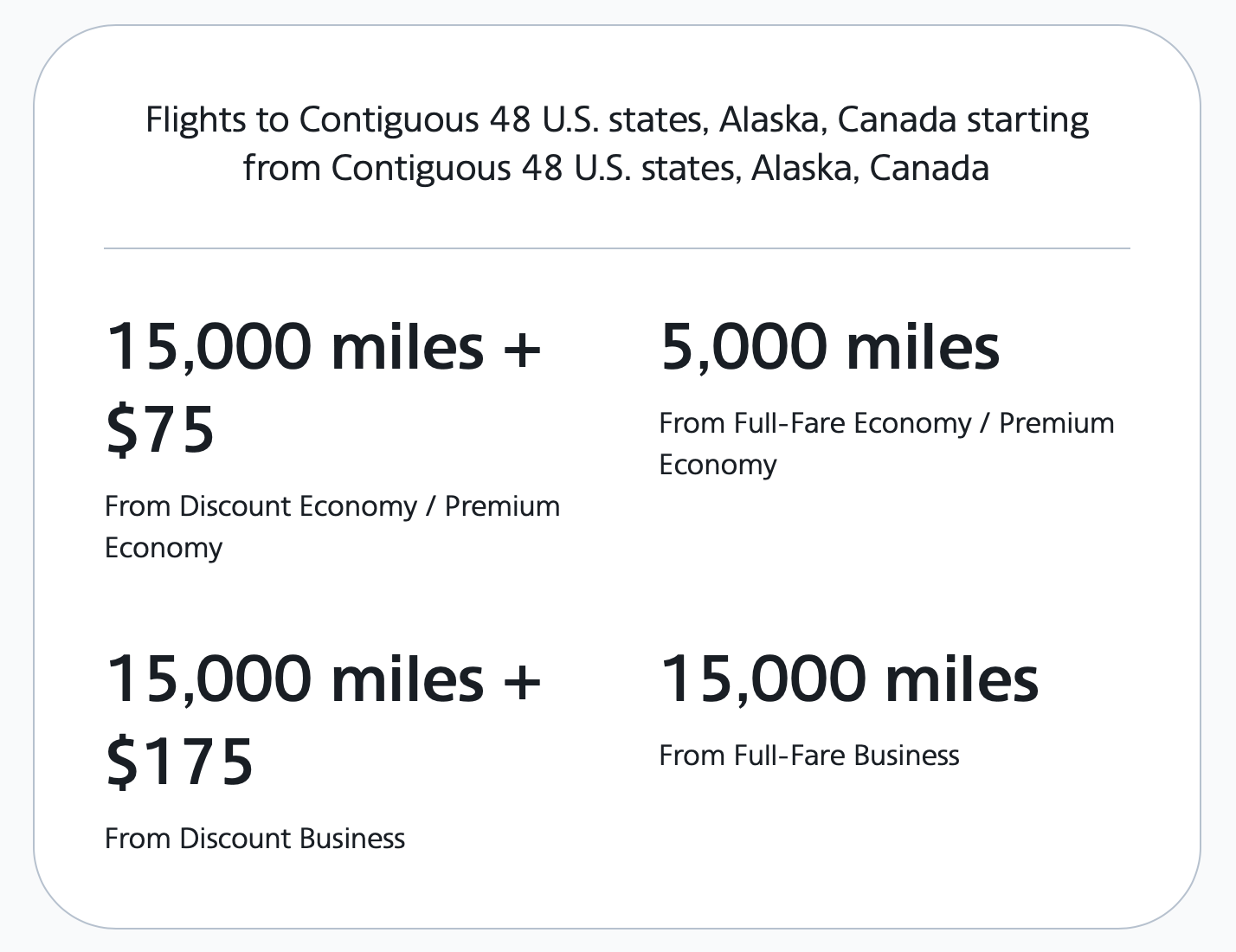
While a rigid award chart is mostly gone, American Airlines still distinguishes between “MileSAAver” and “AAnytime” awards. MileSAAver awards represent the lowest mile price for a given route and class, often with limited availability, requiring flexibility. AAnytime awards are typically available on almost any flight, but they demand significantly more miles. From a financial perspective, always prioritize MileSAAver awards. AAnytime awards often offer a very low CPM, making them a financially suboptimal choice unless absolutely no other option exists and travel is imperative. Identifying and securing MileSAAver availability is a cornerstone of intelligent award travel.
Potential Pitfalls and Hidden Costs
Beyond direct taxes and fees, be aware of other potential costs. Changing or canceling an award ticket can incur fees, though these are often waived for elite status members. If you book an award flight with a partner airline, sometimes additional fuel surcharges or carrier-imposed fees can be passed on, which can significantly inflate the out-of-pocket cost. Always confirm the total cash outlay required during the booking process. Another pitfall is letting miles expire; while AAdvantage miles typically expire after 24 months of inactivity, a qualifying activity (earning or redeeming miles) will reset the clock. Ensuring your miles remain active protects your accrued financial asset.
Conclusion
The question “how many AAdvantage miles for a free flight?” doesn’t have a single, static answer. Instead, it invites a deeper dive into personal finance strategy, dynamic pricing, and value optimization. By understanding the factors that influence mile requirements, calculating your cents-per-mile value, and employing strategic booking tactics, you transform a loyalty program into a powerful tool for reducing your travel budget. Treat your AAdvantage miles as a valuable financial asset, deploy them judiciously when they offer superior value, and always remain flexible and informed. This financially savvy approach ensures that your “free” flights truly represent intelligent savings and maximized value, making your travel dreams more attainable and your financial planning more robust.
aViewFromTheCave is a participant in the Amazon Services LLC Associates Program, an affiliate advertising program designed to provide a means for sites to earn advertising fees by advertising and linking to Amazon.com. Amazon, the Amazon logo, AmazonSupply, and the AmazonSupply logo are trademarks of Amazon.com, Inc. or its affiliates. As an Amazon Associate we earn affiliate commissions from qualifying purchases.