
In the increasingly digital world of finance, the concept of purchasing a cutting-edge digital asset like Bitcoin with traditional physical cash might seem anachronistic. Yet, for various reasons ranging from privacy concerns to accessibility for the unbanked, acquiring Bitcoin with cash remains a sought-after method. This guide delves into the practicalities, implications, and strategic considerations of converting your fiat currency into the world’s leading cryptocurrency, all within the strict confines of financial insight and personal investment wisdom.
Bitcoin, since its inception, has captivated investors, technologists, and financial enthusiasts alike. While mainstream methods typically involve bank transfers or debit/credit card payments on regulated exchanges, the cash route offers a distinct set of advantages and challenges that demand careful navigation. This article will unpack the “how-to” while simultaneously evaluating the financial prudence, risks, and regulatory landscape associated with cash-based Bitcoin purchases, ensuring you make informed decisions that align with your broader financial goals.
Understanding the Appeal and Challenges of Cash Purchases
The decision to buy Bitcoin with cash is often driven by a specific set of motivations, yet it comes with its own unique set of complexities and risks. From a financial planning perspective, it’s crucial to weigh these factors carefully before proceeding.
Why Opt for Cash?
The primary allure of using cash for Bitcoin purchases stems from a desire for enhanced privacy and, in some cases, greater accessibility. For individuals who prefer to keep their financial transactions discreet, cash offers a perception of anonymity that digital transfers often lack. This doesn’t necessarily equate to illegal activity; rather, it can be a personal choice for financial sovereignty. Moreover, for the unbanked or underbanked populations, who may not have access to traditional banking services or credit cards, cash provides a viable gateway into the cryptocurrency market, offering a path to participate in the digital economy that would otherwise be inaccessible. Speed can also be a factor; in some direct peer-to-peer (P2P) transactions, a cash exchange can be nearly instantaneous once trust is established.
The Hurdles of Cash-Based Bitcoin Acquisition
Despite its attractions, buying Bitcoin with cash is far from straightforward. The most significant hurdle is often the premium charged. Cash transactions typically incur higher fees compared to bank transfers or card payments on centralized exchanges. This premium reflects the added risk, liquidity challenges, and operational costs for sellers or service providers. Scams are another pervasive risk; the nature of cash transactions, especially in person, can make individuals vulnerable to fraud if not executed with extreme caution and due diligence. The limited availability of cash-to-Bitcoin services, such as ATMs or reliable P2P sellers in certain regions, also presents a practical barrier. Furthermore, while the perceived anonymity is a draw, many services, even those accepting cash, are increasingly subject to Know Your Customer (KYC) and Anti-Money Laundering (AML) regulations, requiring identity verification for transactions above a certain threshold, thus eroding some of the privacy benefits.
A Word on Security and Anonymity
It’s vital for investors to understand that “anonymity” in the context of Bitcoin is often misunderstood. While a cash transaction might obscure the immediate link between your identity and the purchase, Bitcoin’s blockchain is a public ledger. Every transaction is recorded permanently and transparently. If your Bitcoin eventually moves to an exchange that requires KYC, or if you use services that log your wallet addresses, a link back to your identity could potentially be established. Therefore, while cash might offer a layer of initial privacy, it doesn’t guarantee complete or enduring anonymity, especially for significant sums. Security, in this context, extends beyond identity to the physical safety during cash exchanges and the digital security of your purchased Bitcoin once it’s in your wallet.
Navigating the Primary Channels for Cash-to-Bitcoin Conversion
When it comes to purchasing Bitcoin with physical cash, there are typically two main avenues available to the average investor, each with its own operational mechanics, financial implications, and risk profile.
Bitcoin ATMs: Convenience at a Cost
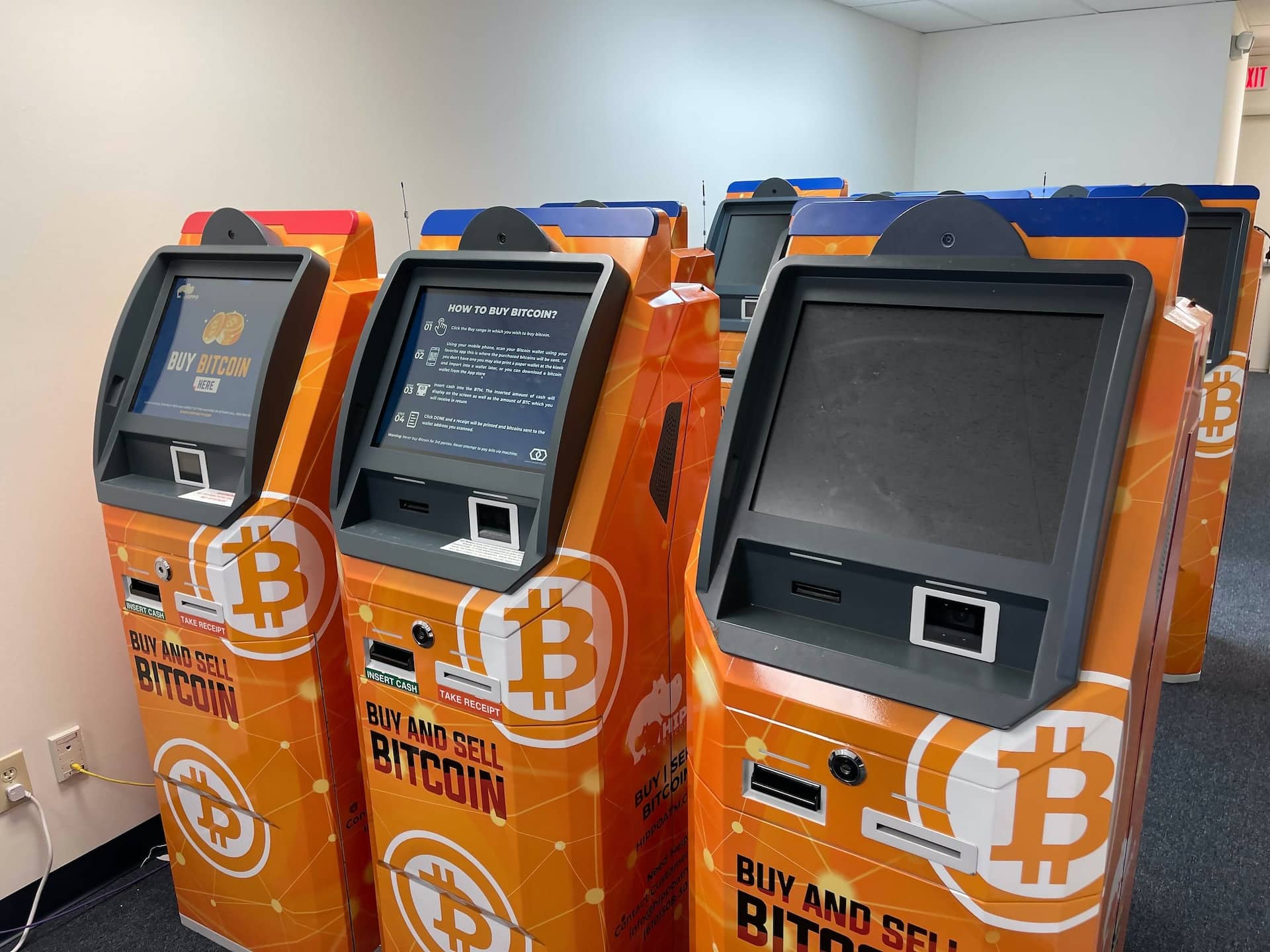
Bitcoin ATMs operate much like traditional ATMs but instead of dispensing cash, they facilitate the purchase (and sometimes sale) of cryptocurrencies using cash. Their appeal lies in their convenience and relative simplicity. You typically input your Bitcoin wallet address (often by scanning a QR code), insert cash, and the machine sends the equivalent amount of Bitcoin to your specified wallet.
Pros:
- Ease of Use: Generally user-friendly interfaces, making the process accessible even for beginners.
- Speed: Transactions are often completed quickly, with Bitcoin typically sent to your wallet within minutes (though network confirmation times vary).
- Accessibility: Growing number of ATMs in urban centers.
Cons:
- High Fees: ATM operators typically charge significant premiums, often ranging from 5% to 15% or even higher, cutting into your investment.
- Lower Limits: Many ATMs have daily transaction limits, especially for unverified users, which can be restrictive for larger purchases.
- KYC Requirements: Increasing numbers of ATMs require ID verification (e.g., phone number, driver’s license scan) for transactions, particularly above small thresholds, diminishing privacy.
- Spread: The exchange rate offered might be less favorable than market rates.
Finding Them: Websites like Coin ATM Radar can help you locate Bitcoin ATMs near you and check their operating hours, supported cryptocurrencies, and reported fees.
Peer-to-Peer (P2P) Exchanges: Direct Transactions
P2P exchanges connect buyers and sellers directly, allowing individuals to trade Bitcoin for cash. Platforms like LocalBitcoins, Paxful, and Bisq act as intermediaries, providing an escrow service to secure the Bitcoin until the cash payment is confirmed. This method offers more flexibility in terms of pricing and location but demands greater caution and due diligence from both parties.
How it Works:
- Listing/Offer: A seller posts an offer to sell Bitcoin for cash, or a buyer posts an offer to buy.
- Agreement: Buyer and seller agree on a price and method of cash exchange (e.g., in-person meeting, cash deposit at a bank).
- Escrow: The seller’s Bitcoin is locked in an escrow service managed by the P2P platform.
- Cash Exchange: The buyer makes the cash payment as agreed.
- Confirmation: Once the seller confirms receipt of cash, the escrow releases the Bitcoin to the buyer’s wallet.
Pros:
- Flexibility: More negotiation room on price and payment methods.
- Potentially Lower Fees: Platform fees for P2P transactions can sometimes be lower than ATM fees, though individual sellers might add their own markups.
- Wider Geographic Reach: Can connect buyers with sellers in more remote areas.
Cons:
- Higher Risk of Scams: Despite escrow services, physical cash meetups carry inherent risks of theft or fraud. Online cash deposit methods can also be risky if the seller disputes receiving payment.
- Variable Liquidity: Availability depends on the number of active traders in your area.
- Reputation Dependence: Trust is built on seller ratings and history; new users might struggle to find reputable traders.
- KYC Varies: While some P2P platforms offer more privacy-focused options, many reputable sellers will still request ID, especially for larger sums, to protect themselves from legal issues.
Due Diligence: Always choose sellers with high ratings and a long history of successful trades. For in-person meetings, choose public, well-lit places and consider bringing a friend. Always verify the Bitcoin transaction on the blockchain before leaving.
In-Person Meetups and OTC Desks (Less Common for Small Amounts)
While P2P platforms facilitate online agreements for in-person cash exchanges, some individuals might opt for purely direct, unmediated in-person meetups, especially within trusted circles. Over-the-counter (OTC) desks are another option, typically for very large transactions (high-net-worth individuals or institutional buyers) that require personalized service and guaranteed liquidity. These generally involve significant KYC/AML procedures and are not relevant for most retail cash buyers. For small-to-medium cash purchases, P2P platforms offer a more structured and safer framework than entirely unmediated direct meetings.
Step-by-Step Guide to a Cash Bitcoin Purchase
Executing a Bitcoin purchase with cash requires careful preparation and adherence to best practices to protect your investment and ensure a smooth transaction.
Preparing for Your Purchase: Wallets and Research
Before you even think about handing over cash, you need a secure place to receive your Bitcoin.
- Set Up a Bitcoin Wallet: This is paramount. Download a reputable mobile wallet (e.g., BlueWallet, Samourai Wallet, Electrum) or consider a hardware wallet for larger investments. Familiarize yourself with how to generate a receive address and how to send Bitcoin. Never share your private keys or seed phrase.
- Research Local Options: Use tools like Coin ATM Radar to find nearby Bitcoin ATMs or browse P2P platforms (LocalBitcoins, Paxful) for cash-based offers in your area.
- Understand Market Rates and Fees: Check the current Bitcoin price on a reliable exchange (e.g., CoinGecko, CoinMarketCap) and compare it against the rates offered by ATMs or P2P sellers. Factor in their fees or premiums to calculate the effective price you’ll be paying. This financial due diligence is crucial for understanding your true cost basis.
Executing the Transaction: Best Practices
The process varies significantly depending on whether you use an ATM or a P2P exchange.
Bitcoin ATM Process:
- Locate ATM: Find an ATM using Coin ATM Radar.
- Start Transaction: Select “Buy Bitcoin” on the ATM screen.
- Scan Wallet Address: The ATM will prompt you to scan your Bitcoin wallet’s QR code to provide the receive address. Double-check the address visually to prevent errors.
- Insert Cash: Insert the desired amount of cash into the ATM. The screen will typically update with the corresponding Bitcoin amount you will receive, including fees.
- Verify & Confirm: Review the transaction details (amount, fees, receive address) carefully.
- Complete Transaction: Confirm the purchase. The Bitcoin will then be sent to your wallet. Wait for the transaction to appear in your wallet and for a few network confirmations before considering the transaction complete. Keep any receipts the ATM provides.
P2P Exchange Process (Cash Deposit or In-Person):
- Select a Seller: On a P2P platform, choose a seller with good ratings, a high number of trades, and clear terms for cash payments.
- Initiate Trade: Open a trade with the seller, specifying the amount of Bitcoin you wish to buy and confirming the cash payment method.
- Escrow Activation: The seller will place the Bitcoin into the platform’s escrow service.
- Perform Cash Payment:
- Cash Deposit: The seller will provide bank details for a cash deposit. Go to the bank, deposit the cash, and keep the receipt. Take a photo of the receipt with a visible timestamp and transaction details.
- In-Person Meetup: Arrange a safe, public location. Verify the seller’s identity if required by the platform or if you deem it necessary for security. Count the cash carefully before handing it over.
- Confirm Payment: Notify the seller on the platform that you have made the payment, providing proof if applicable (e.g., photo of deposit slip).
- Release Bitcoin: Once the seller confirms they received the cash, they will release the Bitcoin from escrow to your wallet. Verify the transaction on the blockchain.
Post-Purchase Security: Protecting Your Investment
Acquiring Bitcoin is only the first step; securing it is paramount.
- Move to Secure Storage: For larger amounts, consider moving your Bitcoin from a hot wallet (connected to the internet) to a cold wallet (e.g., hardware wallet, paper wallet) that is offline. This significantly reduces the risk of hacking.
- Backup Your Wallet: Always back up your wallet’s seed phrase (recovery phrase) and store it in multiple secure, offline locations. This phrase is the key to recovering your funds if your device is lost or damaged.
- Be Wary of Scams: Never share your private keys or seed phrase with anyone. Be suspicious of unsolicited offers or requests for Bitcoin.
Evaluating Risks, Fees, and Compliance
From a financial perspective, understanding the costs, regulatory implications, and potential pitfalls associated with cash Bitcoin purchases is as important as knowing the mechanics of the transaction.
Understanding Transaction Costs and Premiums
One of the most significant financial considerations when buying Bitcoin with cash is the cost. Bitcoin ATMs often charge substantial fees, commonly ranging from 5% to 15% on top of the market rate. This premium covers the operator’s costs, risks, and profit margin. Similarly, P2P sellers might offer Bitcoin at a premium (above the current market price) to compensate for the effort, risk, and lack of anonymity in cash transactions. These premiums directly impact your effective purchase price, meaning you acquire less Bitcoin for the same amount of cash compared to using a traditional exchange. Savvy investors must always calculate the all-in cost to understand the true value of their investment. Network fees (miner fees) for processing the transaction on the blockchain are an additional, albeit usually smaller, cost.
Regulatory Landscape and KYC/AML
The perception of anonymity with cash transactions can be misleading, especially in the evolving regulatory environment. Globally, financial authorities are increasingly focused on combating money laundering and terrorist financing through cryptocurrencies. Consequently, many Bitcoin ATM operators and P2P platforms, even those facilitating cash transactions, are legally obligated to implement Know Your Customer (KYC) and Anti-Money Laundering (AML) policies. This means that for transactions above certain thresholds (which vary by jurisdiction and service provider), you will likely be required to provide identification, such as a phone number, email, or a government-issued ID. Failing to comply can lead to transaction refusal or, in extreme cases, legal repercussions. For personal finance planning, it’s crucial to acknowledge that while cash offers some level of initial privacy, it does not exempt you from potential regulatory scrutiny, particularly for larger or frequent transactions. It’s advisable to research the specific KYC/AML policies of the service provider you intend to use.
Mitigating Fraud and Scams
The inherent nature of cash transactions, particularly in-person, makes them a higher target for fraud and scams. From a financial security standpoint, this is a critical risk to manage.
- Common Scams: Be aware of schemes like fake escrow services, overpayment scams (where a fraudulent check is issued and later bounces), or outright robbery during in-person meetings. Some scammers might also try to manipulate exchange rates or provide invalid Bitcoin addresses.
- Red Flags: High-pressure tactics, offers that seem “too good to be true,” requests to use obscure payment methods, or unwillingness to meet in public places are all major red flags. Be wary of sellers with poor or no reputation on P2P platforms.
- Safe Trading Practices:
- For ATMs: Only use reputable machines, verify the Bitcoin address displayed on the screen with your wallet, and keep receipts.
- For P2P: Always use the escrow service of a reputable P2P platform. For in-person meetings, choose well-lit, public places, consider bringing a witness, and verify the transaction on the blockchain before handing over cash. For cash deposits, ensure you have undeniable proof of deposit (e.g., bank-stamped receipt, video). Never release your Bitcoin (if you were a seller) until the cash is fully confirmed in your account.
The Financial Rationale: Is Cash the Right Choice for You?
Ultimately, the decision to buy Bitcoin with cash should align with your broader financial strategy and risk tolerance. It’s not merely a transactional choice but an investment decision with specific financial implications.
Weighing Privacy Against Convenience and Cost
The primary financial trade-off when purchasing Bitcoin with cash is the balance between perceived privacy/accessibility and the increased costs/inconvenience. While cash offers a degree of detachment from your digital financial footprint, it often comes at a significant premium in terms of fees and a higher risk profile for fraud or physical danger. For many investors, especially those making smaller or more frequent purchases, the convenience, lower fees, and enhanced security protocols of regulated online exchanges (which typically require stringent KYC) might represent a more financially sound and less risky approach. Evaluating these trade-offs is crucial for any prudent financial decision-making.
Integrating Bitcoin into a Broader Financial Strategy
For those considering Bitcoin as part of a diversified investment portfolio, the method of acquisition is secondary to the strategic allocation and long-term outlook. Buying with cash should be viewed as just one of several acquisition methods. Whether you buy with cash or through an exchange, the fundamental principles of investing apply:
- Risk Management: Only invest what you can afford to lose. Bitcoin is volatile.
- Diversification: Don’t put all your eggs in one basket.
- Long-Term vs. Short-Term: Decide if you’re buying for long-term holding (HODLing) or short-term speculation. This influences your entry and exit strategies.
- Tax Implications: Regardless of how you acquire Bitcoin, capital gains (or losses) from its sale or use are generally taxable events in many jurisdictions. It’s crucial to keep accurate records of your purchase price and date to correctly calculate your tax obligations.
The Evolving Landscape of Crypto Acquisition
The methods for buying Bitcoin are constantly evolving. As cryptocurrencies gain more mainstream acceptance, new, more efficient, and potentially less costly methods for cash-to-crypto conversion might emerge. However, increased regulation is also likely to continue. Staying informed about these changes, and understanding how they impact the financial viability and legality of cash purchases, is an ongoing responsibility for any crypto investor. For now, cash remains a niche but viable option, often favored for specific reasons related to privacy or accessibility, but always with a higher associated financial cost and risk.

Conclusion
Buying Bitcoin with cash is a distinct method available to those who prioritize privacy, lack access to traditional banking, or simply prefer physical transactions. While it offers unique advantages, it is imperative to approach this method with a clear understanding of its financial implications. The higher fees, increased risk of fraud, and evolving regulatory landscape demand meticulous due diligence and a cautious approach.
For any investor, regardless of the preferred purchasing method, the bedrock of successful financial engagement with Bitcoin lies in security, informed decision-making, and a comprehensive understanding of the associated costs and risks. Ensure your Bitcoin wallet is secure, verify every transaction meticulously, and never compromise your personal safety for a deal. By carefully weighing the pros and cons, and integrating this method into a broader, well-thought-out financial strategy, you can navigate the process of buying Bitcoin with cash effectively and responsibly.
aViewFromTheCave is a participant in the Amazon Services LLC Associates Program, an affiliate advertising program designed to provide a means for sites to earn advertising fees by advertising and linking to Amazon.com. Amazon, the Amazon logo, AmazonSupply, and the AmazonSupply logo are trademarks of Amazon.com, Inc. or its affiliates. As an Amazon Associate we earn affiliate commissions from qualifying purchases.