
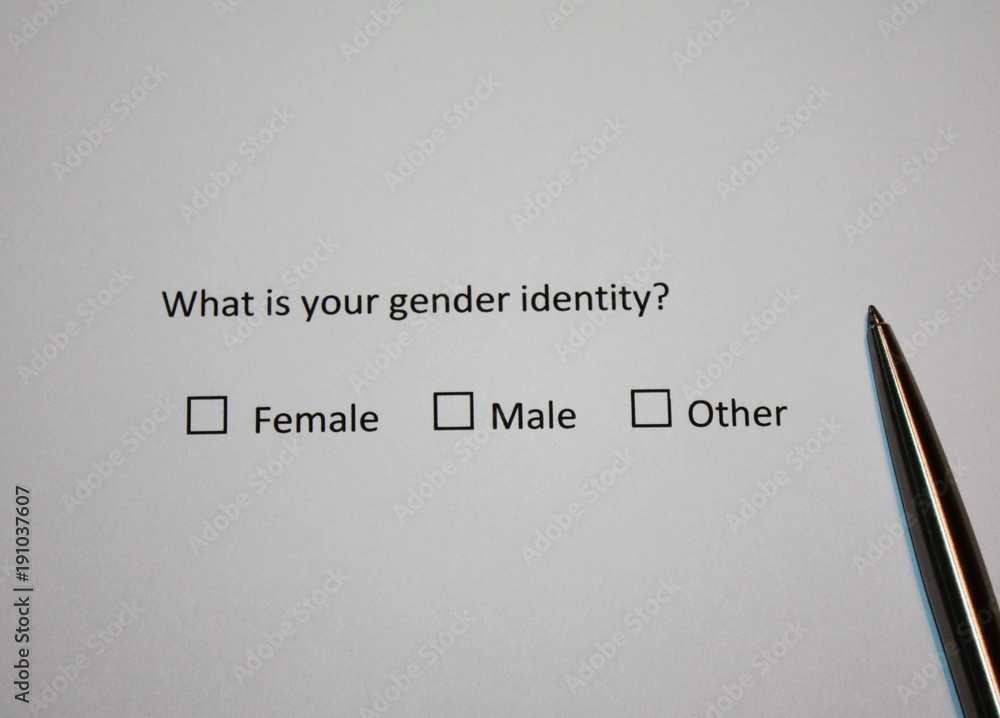
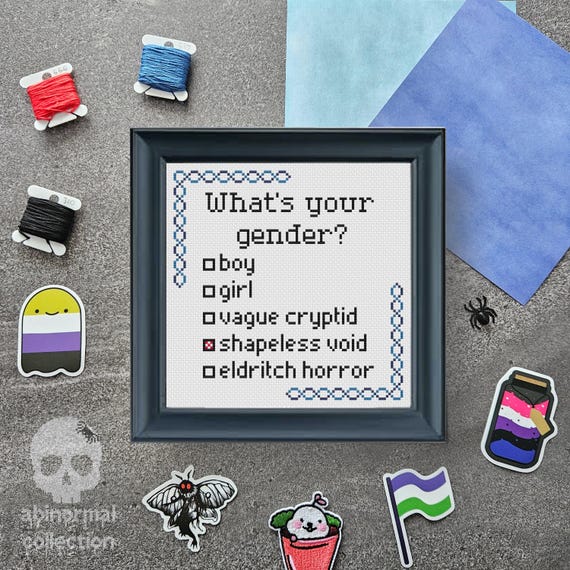
The question “What’s your gender?” has historically been a seemingly straightforward binary, a simple selection on a form, a social identifier. Yet, in today’s rapidly evolving world, it has become a far more nuanced and complex inquiry, intertwined with the very fabric of our digital lives, our personal and corporate identities, and our financial well-being. As we navigate a landscape dominated by technological advancements, the strategic cultivation of brands, and an ever-present focus on money, understanding and expressing gender becomes a personal journey with far-reaching implications. This exploration delves into how our gender identity intersects with these core areas, shaping our experiences, opportunities, and self-perception.
The Digital Canvas: Technology and the Shifting Sands of Identity
Technology, the omnipresent force shaping our modern existence, has become both a tool for self-expression and a mirror reflecting societal attitudes towards gender. From the interfaces we interact with daily to the algorithms that personalize our experiences, the digital realm is not a neutral space; it’s a landscape imbued with the biases and assumptions of its creators and users.
The Interface of Self: How Tech Shapes Gender Expression
The way we present ourselves online is a primary form of gender expression. Social media platforms, gaming environments, and online communities offer spaces where individuals can curate their digital personas. The ability to choose avatars, select pronouns, and define personal descriptions allows for a fluidity and exploration of identity that may not always be possible in physical spaces. For many, these digital canvases are where they first feel empowered to express a gender identity that differs from societal expectations or their assigned sex at birth.
However, this digital freedom isn’t without its challenges. The very platforms that enable expression can also be breeding grounds for harassment, misinformation, and the perpetuation of harmful stereotypes. The algorithms that drive our online experiences can inadvertently reinforce existing gender biases, serving content that aligns with traditional notions of gender rather than embracing diversity. The design of user interfaces themselves, from the default options presented to the language used, can subtly (or not so subtly) reinforce binary gender norms.
AI and the Echo Chamber: Bias in the Algorithmic Age
The rise of Artificial Intelligence (AI) presents a particularly potent area where gender intersects with technology. AI systems are trained on vast datasets, and if these datasets reflect societal biases, the AI will inevitably learn and perpetuate them. This can manifest in various ways:
- Facial Recognition: Early facial recognition systems notoriously performed worse on women and individuals with darker skin tones, highlighting biases in the data used for training. This has implications for everything from law enforcement to personalized advertising.
- Hiring Tools: AI-powered recruitment tools, designed to streamline hiring, can inadvertently discriminate against certain genders if they are trained on historical hiring data that favors a particular gender for certain roles.
- Content Moderation: AI models used to flag and remove inappropriate content on online platforms can sometimes misinterpret or disproportionately flag content created by or pertaining to marginalized gender identities.
- Generative AI: As AI becomes more sophisticated in generating text and images, questions arise about the gendered representations it produces. Will AI chatbots default to gendered language or portrayals? Will AI image generators perpetuate stereotypes when asked to depict certain professions or roles?
The development of ethical AI, which actively seeks to mitigate bias and promote inclusivity, is crucial. This involves diverse development teams, careful data curation, and ongoing auditing of AI systems to ensure they are fair and equitable for all gender identities.
Digital Security and Privacy: Protecting Vulnerable Identities
For individuals who are marginalized or whose gender identity is not widely understood or accepted, digital security and privacy take on an even greater significance. Online harassment, doxing (the public release of private information), and cyberbullying can have devastating real-world consequences. Understanding and utilizing digital security tools and best practices is not just about protecting personal data; it’s about safeguarding one’s safety and mental well-being. This includes being aware of privacy settings on social media, using strong passwords, understanding the risks of sharing personal information online, and knowing how to report and block abusive users.
The Brand of You: Personal and Corporate Identity in a Gendered World
In an era where perception is often paramount, the concept of “brand” extends beyond corporations to encompass individuals. Our personal brands are meticulously crafted, influencing how we are perceived in our careers, social circles, and even online. The question of gender is inextricably linked to how we build, present, and are understood within these brand narratives.
Personal Branding: Authenticity and Visibility
Building a personal brand is an exercise in self-definition. It involves identifying your strengths, values, and unique selling propositions. For many, aligning their personal brand with their authentic gender identity is a crucial step in this process. This might involve openly discussing one’s pronouns, challenging traditional gender roles within their profession, or showcasing a personal style that reflects their gender expression.
However, societal expectations can create friction. Individuals may feel pressure to conform to gendered stereotypes associated with their chosen field, leading to a disconnect between their authentic selves and the brand they feel they should project. Conversely, some may find that embracing their gender identity as a core part of their personal brand can be a source of strength and differentiation, resonating with specific audiences and opening up unique opportunities.
Corporate Identity: Inclusion and Representation
For businesses, the concept of corporate identity is paramount. This encompasses everything from a company’s mission and values to its visual branding and marketing campaigns. In today’s socially conscious world, how a company acknowledges and embraces gender diversity is a significant aspect of its corporate identity.
- Inclusive Marketing: Brands that feature diverse gender representations in their advertising and marketing efforts are often seen as more progressive and relatable. This goes beyond tokenism; it requires authentic understanding and celebration of diverse gender experiences.
- Workplace Culture: A company’s internal culture plays a massive role in its brand reputation. Creating an inclusive workplace where all gender identities are respected and feel safe is no longer just a matter of HR policy; it’s a fundamental aspect of a positive corporate brand. This includes offering gender-neutral restrooms, providing diversity and inclusion training, and ensuring equitable opportunities for career advancement regardless of gender.
- Product Design and Development: Even the products and services a company offers can reflect its understanding of gender. Are products designed with diverse needs and preferences in mind? Are marketing materials accessible and inclusive?
Companies that actively work to dismantle gender bias within their operations and marketing are not only building a more ethical brand but also tapping into a wider, more engaged customer base.
Reputation Management: Navigating the Storm of Public Opinion
In the digital age, reputation management is a constant endeavor. A single misstep, a poorly worded statement, or an insensitive campaign can quickly damage a personal or corporate brand. When it comes to gender, this is particularly true. Public discourse around gender identity can be highly polarized, and navigating this terrain requires sensitivity, awareness, and a commitment to inclusivity.
For individuals, managing their reputation often involves curating their online presence and carefully considering how they engage in discussions about gender. For businesses, it means proactively addressing issues of gender equality, responding thoughtfully to criticism, and demonstrating a genuine commitment to diversity and inclusion. Case studies of companies that have successfully embraced gender diversity often highlight their authenticity, their willingness to listen and learn, and their long-term commitment to creating equitable environments.
The Currency of Self: Money, Gender, and Economic Empowerment
The pursuit of financial well-being is a universal human endeavor. However, the ways in which gender intersects with economic opportunities, financial decision-making, and wealth accumulation are complex and often unequal.
Personal Finance and Gendered Expectations
When it comes to personal finance, societal gender roles can subtly influence financial behaviors and attitudes. Historically, men have been more often associated with aggressive investing and financial risk-taking, while women have been encouraged to be more conservative savers. These stereotypes, while evolving, can still impact how individuals approach budgeting, investing, and financial planning.
Understanding one’s personal financial situation requires honest self-assessment, free from these ingrained biases. Whether it’s planning for retirement, managing debt, or saving for major life events, individuals of all gender identities need access to unbiased financial education and tools. The development of financial tools that are inclusive and cater to diverse financial needs and goals is crucial.
Online Income and Side Hustles: New Avenues for Empowerment
The digital economy has opened up new avenues for income generation, offering greater flexibility and accessibility. This can be particularly empowering for individuals who may face traditional barriers to employment based on their gender. Online income streams, from freelance work and e-commerce to content creation and online courses, can provide opportunities for financial independence and economic empowerment.
When exploring online income and side hustles, it’s important to consider how gender might influence these opportunities. Are certain platforms or industries more welcoming to specific gender identities? Are there unique challenges or advantages to consider? Empowering individuals to leverage their skills and passions, regardless of their gender, is a key aspect of fostering economic inclusivity in the digital age.
Business Finance and Entrepreneurship: Bridging the Gender Gap
The world of business finance and entrepreneurship has long been characterized by a gender gap. Women, in particular, have historically faced greater challenges in securing funding for their businesses, accessing mentorship, and navigating male-dominated industries.
Efforts to bridge this gap are crucial. This includes:
- Venture Capital and Funding: Initiatives aimed at increasing investment in female-founded and gender-diverse businesses are gaining momentum.
- Mentorship and Networking: Creating supportive networks and mentorship programs can provide invaluable guidance and connections for entrepreneurs of all genders.
- Challenging Biases in Financial Institutions: Financial institutions play a vital role in providing capital and support to businesses. Ensuring that lending practices and investment decisions are free from gender bias is essential.
The financial success of businesses is not solely determined by the gender of their founders, but systemic biases can create uneven playing fields. Addressing these issues is not only about fairness but also about unlocking the full potential of a diverse entrepreneurial landscape.
Ultimately, the question “What’s your gender?” is more than a demographic marker; it’s an invitation to understand the multifaceted ways in which our identities shape and are shaped by the world around us. As technology continues to advance, brands evolve, and financial landscapes shift, a deeper, more inclusive understanding of gender will be essential for fostering a society where everyone can thrive.
aViewFromTheCave is a participant in the Amazon Services LLC Associates Program, an affiliate advertising program designed to provide a means for sites to earn advertising fees by advertising and linking to Amazon.com. Amazon, the Amazon logo, AmazonSupply, and the AmazonSupply logo are trademarks of Amazon.com, Inc. or its affiliates. As an Amazon Associate we earn affiliate commissions from qualifying purchases.