
In the dynamic and often tumultuous world of digital assets, few cryptocurrencies command as much attention and debate as XRP. Designed with the ambitious goal of revolutionizing global payments, XRP has traversed a complex path marked by groundbreaking technological aspirations, significant financial partnerships, and an unprecedented legal battle. For investors, financial institutions, and enthusiasts alike, understanding “what’s going on with XRP” is less about a single snapshot and more about grasping a continuous narrative of innovation, litigation, and evolving market perception. This article delves into the financial underpinnings, regulatory challenges, and strategic direction defining XRP’s current standing and future trajectory within the global financial system.
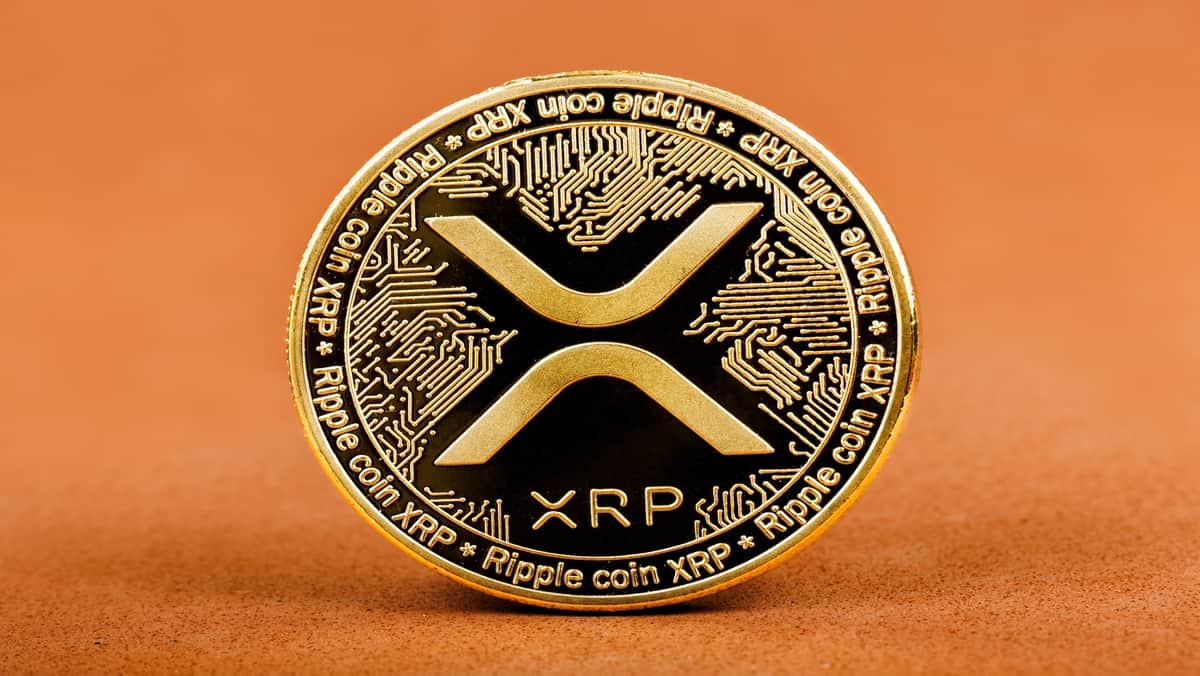
The Evolving Landscape of a Digital Asset
XRP’s journey began with a clear mission: to facilitate fast, reliable, and low-cost cross-border transactions, a critical need in an increasingly interconnected global economy. Its evolution reflects both the inherent potential of blockchain-like technologies and the myriad hurdles faced by digital assets striving for mainstream financial integration.
A Brief History and Purpose of XRP
XRP is the native digital asset on the XRP Ledger, an open-source, permissionless, and decentralized blockchain technology. Created in 2012 by Jed McCaleb, Arthur Britto, and David Schwartz, the XRP Ledger was designed to be a superior alternative to traditional banking systems like SWIFT, particularly for international remittances. Ripple Labs, Inc. (now simply Ripple) emerged as a key player, leveraging the XRP Ledger to offer various products and services, most notably RippleNet.
RippleNet is a network of institutional payment providers that use Ripple’s solutions, which include xCurrent, xRapid (now On-Demand Liquidity or ODL), and xVia. While xCurrent enables real-time messaging and settlement between banks, it is ODL that utilizes XRP directly. ODL allows financial institutions to instantly source liquidity for cross-border payments without needing to pre-fund nostro/vostro accounts in destination currencies, thus significantly reducing operational costs and improving transaction speed. XRP, in this context, acts as a bridge currency, enabling conversion between different fiat currencies almost instantaneously and at a fraction of the cost of traditional methods. This core utility positions XRP not merely as a speculative asset but as a critical financial tool for business finance and international commerce.
Market Dynamics and Volatility
Like most cryptocurrencies, XRP’s market value is subject to significant volatility, influenced by a confluence of factors ranging from global macroeconomic trends to specific developments within the crypto ecosystem. Its market capitalization fluctuates, often mirroring broader market sentiment towards digital assets. However, XRP’s price action has also been uniquely tied to its fundamental utility and, more prominently, its regulatory standing.
Investor sentiment plays a crucial role. Positive news regarding institutional adoption, new partnerships for RippleNet, or favorable regulatory developments can trigger upward price movements. Conversely, negative news, such as regulatory crackdowns, unfavorable court rulings, or a general downturn in the crypto market, can lead to sharp declines. The speculative nature of the cryptocurrency market means that even rumors can have a substantial impact, making XRP an asset that demands careful consideration for any financial portfolio. Its financial performance, therefore, is not solely a function of supply and demand but a complex interplay of its technological capabilities, market perception, and, critically, legal interpretations.
The Shadow of Regulation: The SEC vs. Ripple Lawsuit
Perhaps no single event has shaped the “what’s going on with XRP” narrative more profoundly than the ongoing legal battle between the U.S. Securities and Exchange Commission (SEC) and Ripple Labs. This lawsuit has cast a long shadow over XRP, impacting its market accessibility, trading status, and the perception of its financial nature.
Understanding the Core of the Legal Battle
In December 2020, the SEC filed a lawsuit against Ripple Labs and two of its executives, alleging that XRP was an unregistered security and that Ripple had conducted an unregistered, ongoing digital asset securities offering since 2013. The SEC contended that XRP, when sold by Ripple, constituted an investment contract under the Howey Test, a long-standing Supreme Court precedent used to determine if an asset is a security.
Ripple has vehemently denied these claims, asserting that XRP is a currency, not a security, and that its sales were not investment contracts. They argue that XRP is decentralized, has utility beyond speculative investment, and that the SEC’s application of securities law to a digital asset like XRP is an overreach and lacks regulatory clarity. The core of the legal debate revolves around the fundamental classification of XRP – a debate with massive implications for its financial future and the broader cryptocurrency market. If XRP is deemed a security, it would subject it to stringent SEC regulations, potentially limiting its trading avenues and institutional adoption within the United States.
Key Rulings and Their Impact on the Market
The lawsuit has seen several pivotal moments, each sending ripples (no pun intended) through the crypto market. In July 2023, a significant partial victory for Ripple occurred when Judge Analisa Torres ruled that XRP, when sold on exchanges to retail investors, was not an investment contract and thus not a security. However, the judge also ruled that XRP sold directly to institutional investors by Ripple did constitute an unregistered securities offering.
This mixed ruling had an immediate and dramatic impact. XRP’s price surged, and several exchanges that had delisted or suspended trading of XRP for U.S. customers began to reconsider. The ruling provided a degree of clarity for secondary market trading, offering a distinction between how an asset is offered to institutional buyers versus retail buyers. From a personal finance perspective, this meant renewed accessibility for many U.S. investors and a potential reduction in regulatory risk for holding XRP. However, the legal battle is not fully resolved, with potential appeals and ongoing deliberations on other aspects of the case.
Future Implications for XRP and the Broader Crypto Market
The SEC v. Ripple lawsuit is seen as a landmark case that could set precedents for how other digital assets are regulated in the U.S. The outcome will profoundly influence the financial operating environment for blockchain companies and the investment landscape for cryptocurrencies. If the “retail sales are not securities” aspect of the ruling stands, it could provide a template for other tokens seeking clarity. Conversely, if the institutional sales ruling is reinforced, it could lead to stricter scrutiny of initial token offerings and how projects raise capital.
For XRP, a definitive and favorable resolution would likely unlock significant institutional investment, expand its presence on regulated exchanges, and boost its utility as a bridge currency for financial institutions globally. Conversely, an unfavorable final outcome could severely restrict its utility and trading in the U.S., hindering its growth as a mainstream financial tool. The ongoing legal saga underscores the critical importance of regulatory clarity for the maturation and widespread adoption of digital assets within the traditional financial system.
XRP’s Utility and Adoption in the Financial Sector
Beyond the legal headlines, XRP’s value proposition as a financial technology solution remains central to its long-term potential. Its design caters directly to some of the most pressing inefficiencies in global finance.
RippleNet and On-Demand Liquidity (ODL)

RippleNet, and specifically its On-Demand Liquidity (ODL) service, represents the pinnacle of XRP’s utility. Traditional cross-border payments often involve multiple intermediary banks, resulting in high fees, slow settlement times (days, not seconds), and the need for financial institutions to pre-fund accounts in various currencies across the globe. This pre-funding (nostro/vostro accounts) ties up significant capital, creating inefficiencies and opportunity costs for banks and payment providers.
ODL solves this by leveraging XRP as an instant, on-demand liquidity solution. When a payment provider wants to send money from, say, USD to MXN, they convert USD to XRP, send the XRP across the XRP Ledger (which settles in 3-5 seconds), and then convert XRP to MXN at the destination. This process bypasses traditional correspondent banking entirely, significantly reducing costs and settlement times. For businesses engaging in international trade or remittances, this means faster access to funds, lower transaction costs, and greater operational efficiency—tangible benefits in the realm of business finance.
Strategic Partnerships and Global Expansion
Ripple has aggressively pursued partnerships with financial institutions and payment providers worldwide. These partners range from large banks to remittance companies, all seeking to leverage RippleNet and ODL for more efficient cross-border transactions. Key regions for expansion include Asia-Pacific, Latin America, and the Middle East, where the demand for efficient remittance corridors is particularly high.
These partnerships are vital because they demonstrate real-world adoption and utility for XRP, moving it beyond a purely speculative asset. Each new partnership means more transaction volume potentially flowing through ODL, increasing the demand for XRP as a bridge currency. Such integration into established financial infrastructure is a powerful indicator of XRP’s long-term viability as a financial tool and its potential to disrupt traditional payment rails.
Beyond Payments: Emerging Use Cases
While cross-border payments remain XRP’s primary use case, its underlying technology on the XRP Ledger offers potential for broader applications. The ledger’s speed, low transaction costs, and scalability make it suitable for various financial innovations. This includes the potential for Central Bank Digital Currencies (CBDCs), where a public ledger could facilitate efficient digital currency issuance and distribution. Ripple has been actively engaging with central banks on this front, demonstrating its expertise in digital payment infrastructure.
Furthermore, developers are exploring the use of the XRP Ledger for tokenization of assets, decentralized finance (DeFi) applications, and even non-fungible tokens (NFTs). While these applications are still nascent compared to ODL, they highlight the versatility of the underlying technology and could expand XRP’s ecosystem and financial relevance beyond its core payment functionality in the future.
Investing in XRP: Risks, Rewards, and Considerations
For individuals considering XRP as part of their investment portfolio, a balanced understanding of its unique position within the crypto market is essential. The potential for reward must be weighed against inherent risks, particularly those stemming from its regulatory environment.
Assessing the Investment Thesis
Investors are often drawn to XRP for several reasons. Its established utility in facilitating fast, low-cost cross-border payments through ODL presents a compelling fundamental use case, suggesting a demand driven by real-world financial services rather than pure speculation. The company behind XRP, Ripple, has robust financial backing, significant institutional partnerships, and a clear vision for integrating digital assets into traditional finance. Should the legal and regulatory clarity improve significantly, XRP could see increased adoption by financial institutions, potentially leading to higher demand and price appreciation.
Moreover, the XRP Ledger’s technical specifications—fast transaction finality (3-5 seconds), high throughput (1,500 transactions per second, scalable to tens of thousands), and extremely low transaction fees (fractions of a cent)—position it as a highly efficient digital asset infrastructure. These attributes make it attractive for high-volume financial operations, which can be a strong long-term driver for its value.
Navigating Regulatory Uncertainty
Despite the positive partial ruling, the SEC lawsuit against Ripple is not fully resolved and continues to be a primary source of risk for XRP investors. The possibility of appeals, further legal battles, or even new regulatory actions from other jurisdictions means that XRP’s financial future remains somewhat tethered to legal outcomes. Investors must acknowledge that regulatory decisions can significantly impact XRP’s market accessibility, institutional adoption, and overall price. This necessitates a higher degree of due diligence and risk assessment than typically found in more established asset classes. Understanding the potential legal scenarios and their implications for XRP’s trading status and utility is crucial for informed investment decisions.
Portfolio Diversification and Risk Management
As with any cryptocurrency, investing in XRP should be approached with a clear understanding of its inherent volatility and speculative nature. It is generally advisable for individuals to allocate only a small, manageable portion of their overall investment portfolio to high-risk assets like cryptocurrencies. Diversifying one’s crypto holdings, rather than concentrating solely on XRP, can help mitigate specific project risks. Employing sound risk management strategies, such as setting stop-loss orders, taking profits at predefined targets, and investing only what one can afford to lose, are paramount. Regular monitoring of market news, regulatory developments, and Ripple’s progress is also essential for investors seeking to navigate the evolving landscape of XRP.
The Road Ahead: XRP’s Future in the Global Financial System
The trajectory of XRP is intertwined with the broader evolution of digital finance. Its ability to fulfill its promise hinges on a combination of legal clarity, continued technological innovation, and expanding market adoption.
Potential Scenarios Post-Lawsuit
The conclusion of the SEC v. Ripple lawsuit will undoubtedly mark a watershed moment for XRP. In a best-case scenario, a definitive ruling in Ripple’s favor, particularly regarding XRP not being a security in most contexts, could lead to a “re-listing” across all U.S. exchanges and a significant boost in institutional confidence. This could unlock substantial investment capital and accelerate ODL adoption, solidifying XRP’s role as a mainstream financial instrument. Conversely, an unfavorable outcome, while less likely given previous rulings, could severely restrict its operations in the U.S., forcing Ripple to focus primarily on international markets. Regardless of the precise outcome, the clarity it provides will allow Ripple and the broader XRP ecosystem to move forward with greater certainty.
The Role of Institutional Adoption
The long-term success of XRP as a financial tool is heavily dependent on its continued and expanded adoption by financial institutions. While retail interest drives much of the immediate price action in crypto, it is the integration into banks, payment processors, and other financial services firms that will provide the sustained utility and demand necessary for its enduring value. Ripple’s strategy is explicitly B2B, focusing on enterprise solutions. As more institutions seek to modernize their payment infrastructure, XRP’s efficiency and cost-effectiveness could become an undeniable competitive advantage. This institutional embrace will validate its utility as a core component of future global payment rails.
XRP’s Place in a Digitized Global Economy
As the world moves towards a more digitized and interconnected financial ecosystem, the demand for fast, efficient, and low-cost cross-border payments will only intensify. XRP, with its unique technological design and established network, is well-positioned to meet this demand. It represents a bridge between the traditional financial system and the emerging digital economy, offering a tangible solution to real-world financial problems. While challenges remain—from regulatory hurdles to competitive pressures from other digital assets and traditional financial innovations—XRP’s journey is a compelling case study in the intersection of technology, finance, and law, defining its significant role in shaping the future of global money movement. Its ultimate destiny will be a testament to its intrinsic utility and the enduring power of innovation in finance.
aViewFromTheCave is a participant in the Amazon Services LLC Associates Program, an affiliate advertising program designed to provide a means for sites to earn advertising fees by advertising and linking to Amazon.com. Amazon, the Amazon logo, AmazonSupply, and the AmazonSupply logo are trademarks of Amazon.com, Inc. or its affiliates. As an Amazon Associate we earn affiliate commissions from qualifying purchases.