
In the ever-expanding universe of streaming devices, two names consistently surface at the top: Roku and Amazon Fire Stick. For anyone looking to cut the cord and embrace the convenience of on-demand entertainment, the question inevitably arises: which one is right for you? While both devices serve a similar fundamental purpose – transforming your regular TV into a smart hub for streaming – their underlying philosophies, user experiences, and even their integration with broader tech ecosystems present distinct differences. This article dives deep into the nuances of Roku and Fire Stick, examining them through the lens of technology, brand strategy, and their impact on your digital life.
The Core Technology: How Roku and Fire Stick Deliver Your Content
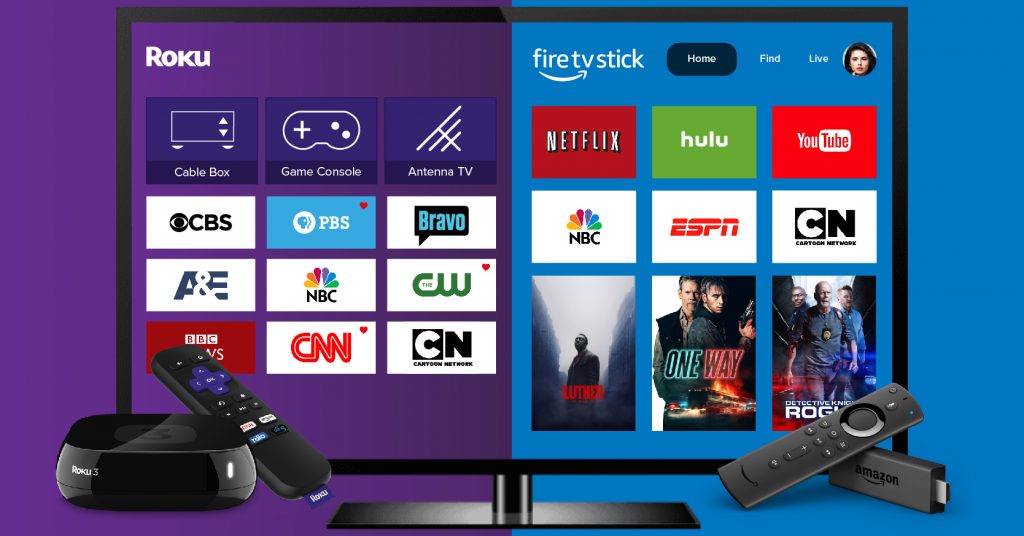
At their heart, both Roku and Fire Stick are compact media players that plug into your TV’s HDMI port. They connect to your home Wi-Fi network, allowing you to access a vast array of streaming services, from giants like Netflix, Hulu, and Disney+ to niche channels and apps. However, the way they achieve this, and the underlying hardware and software architectures, reveal significant divergences.
Roku: The “Just Stream” Simplicity Champion
Roku’s approach is often characterized by its dedication to a streamlined, user-centric experience. Their operating system, Roku OS, is designed with simplicity and accessibility at its forefront. You won’t find a deeply integrated storefront pushing Amazon’s own products or services with the same intensity as on Fire Stick. Instead, Roku prioritizes a clean interface that makes it easy to navigate between your installed apps and discover new content.
- Hardware Diversity: A key differentiator for Roku is its broad range of hardware. From the budget-friendly Roku Express to the premium Roku Ultra, there are devices tailored to various price points and performance needs. This allows consumers to choose a device that precisely fits their budget and desired features, whether it’s 4K HDR support, faster processing for smoother navigation, or enhanced audio capabilities.
- Open Ecosystem Approach: Roku OS is more of an open platform. While it hosts all the major streaming apps, it doesn’t favor one particular retailer or ecosystem as strongly as Amazon does with its own devices. This can be appealing to users who prefer a neutral platform and don’t want to be tied to a single company’s product offerings.
- Search Functionality: Roku’s universal search is a standout feature. It allows you to search for content across multiple streaming services simultaneously, often displaying where a particular movie or show is available to stream for free, rent, or subscribe. This “lean-back” discoverability is a significant advantage for users who aren’t sure where to start.
- Ad Integration: It’s worth noting that Roku does incorporate some advertising, particularly on its home screen and within its own curated content channels. While this is a common practice in the streaming world, some users find it more intrusive than others.
Fire Stick: The Amazon Ecosystem Extender
Amazon Fire Stick, on the other hand, is intrinsically linked to the Amazon ecosystem. While it offers access to a wide range of streaming apps, its interface and features are subtly, and sometimes overtly, designed to promote Amazon’s own services and products.
- Amazon’s Dominance: From the moment you power on a Fire Stick, you’re greeted with content recommendations that often highlight Amazon Prime Video, Amazon Music, and other Amazon-branded offerings. The interface is more visually driven, with large tiles and promotional banners.
- Alexa Integration: The most significant technological advantage of the Fire Stick is its deep integration with Amazon’s Alexa voice assistant. This allows for seamless voice control of your TV, the ability to ask Alexa questions, control smart home devices, and even make purchases directly through Amazon using your voice. For existing Alexa users, this offers unparalleled convenience and a cohesive smart home experience.
- Prime Video First: If you’re a heavy user of Amazon Prime Video, the Fire Stick provides the most optimized experience for accessing and navigating its vast library. The app is usually front and center, and search results often prioritize Prime content.
- Curated Content and App Store: While Fire Stick offers a robust app store, the curation can sometimes feel more directed towards Amazon’s preferences. However, it still hosts all the essential streaming applications.
- “Find My Remote” Feature: A small but appreciated technological detail is the “Find My Remote” feature available on some higher-end Fire TV devices, which can help you locate a misplaced remote.
Brand Strategy: The Philosophy Behind the Pixels
Beyond the technical specifications, the brand strategies of Roku and Amazon have a profound impact on how these devices are perceived and utilized. Their core values and target audiences subtly shape the user experience and the overall value proposition.
Roku: The Independent Enabler
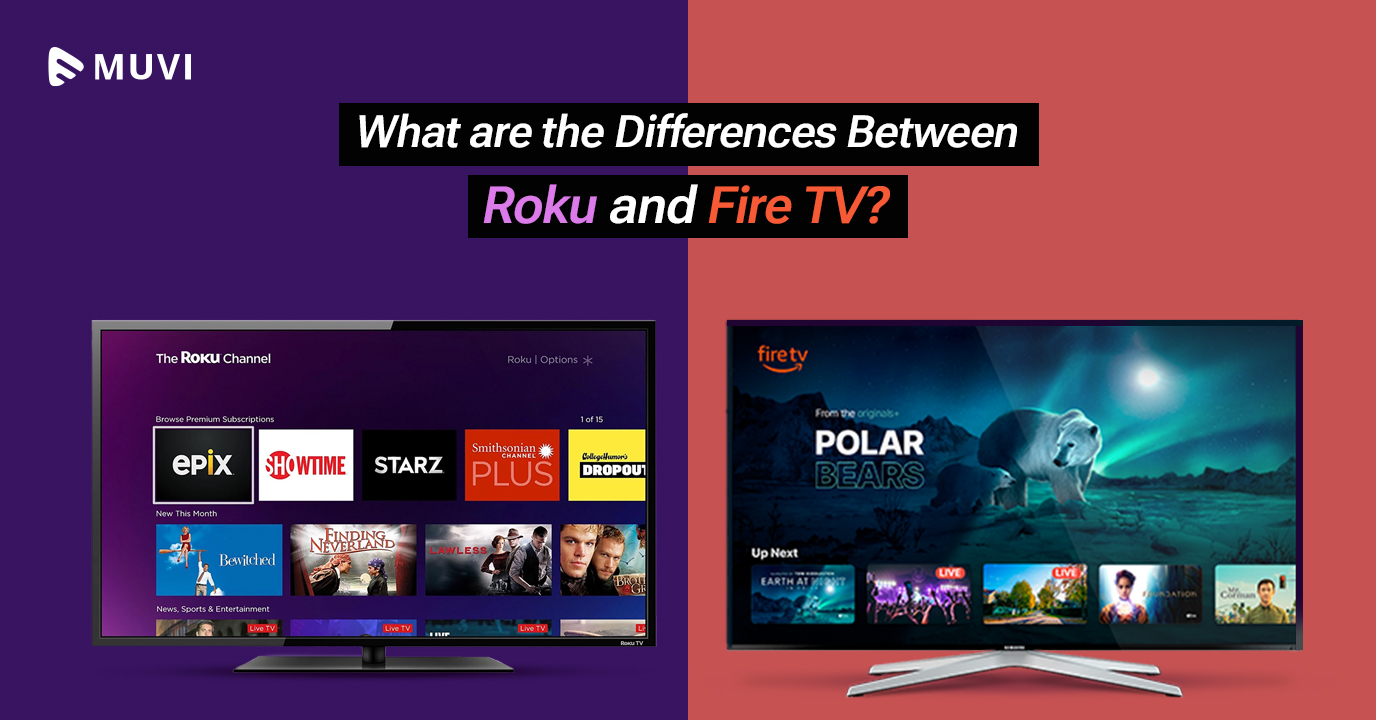
Roku has cultivated a brand identity centered around independence and user empowerment. Their strategy isn’t about locking users into a particular service but rather about providing a versatile platform that allows consumers to access whatever content they desire.
- Neutrality and Choice: Roku positions itself as a neutral facilitator of entertainment. This appeals to consumers who value choice and don’t want to feel beholden to a single tech giant. Their marketing often emphasizes the breadth of content available and the ease with which users can switch between services.
- Focus on the “Pure Streaming” Experience: The brand narrative for Roku often revolves around the core act of streaming – making it as simple and friction-free as possible. This resonates with users who are primarily looking for a device to watch their favorite shows and movies without unnecessary complexities or aggressive upselling.
- Partnerships as Key: Roku’s success is built on strong partnerships with content providers. Their brand strength comes from being the platform that aggregates content, rather than being the primary content producer. This allows them to maintain a broader appeal.
- Value for Money: Roku devices are often perceived as offering excellent value for money, especially their entry-level models. This aligns with a brand that aims to make smart TV accessible to a wider audience.
Amazon Fire Stick: The Ecosystem Integrator
Amazon’s brand strategy for Fire Stick is intrinsically tied to its overarching mission of being “Earth’s most customer-centric company.” For Fire Stick, this translates into building a seamless extension of the Amazon universe into your living room.
- Ecosystem Lock-in (Subtle and Overt): Amazon’s brand leverages its existing customer base and the loyalty built through services like Prime. The Fire Stick is designed to deepen engagement within this ecosystem, making it more convenient to use Prime Video, shop on Amazon, and utilize Alexa.
- Convenience Through Integration: The primary selling point from a brand perspective is the unparalleled convenience offered to existing Amazon users. The integration of Alexa and Amazon shopping transforms the TV into an interactive portal for more than just entertainment.
- Promotional Powerhouse: Amazon’s brand is synonymous with deals and promotions. Fire Stick devices are frequently on sale, especially during major shopping events like Prime Day and Black Friday, reinforcing their brand image as offering great value.
- Data-Driven Personalization: Amazon’s extensive data on consumer behavior allows for highly personalized content recommendations and shopping experiences on Fire Stick. This is a core tenet of their brand – to anticipate and meet customer needs, often through sophisticated algorithms.
Financial Considerations and Brand Loyalty: Investing in Your Entertainment
When deciding between Roku and Fire Stick, financial considerations play a crucial role. This isn’t just about the upfront cost of the device; it also extends to the ongoing costs of subscriptions, the potential for future purchases, and how brand loyalty influences spending.
The Cost of Access: Device Pricing and Subscription Models
Both Roku and Fire Stick offer a range of devices at different price points, making them accessible to a wide spectrum of consumers.
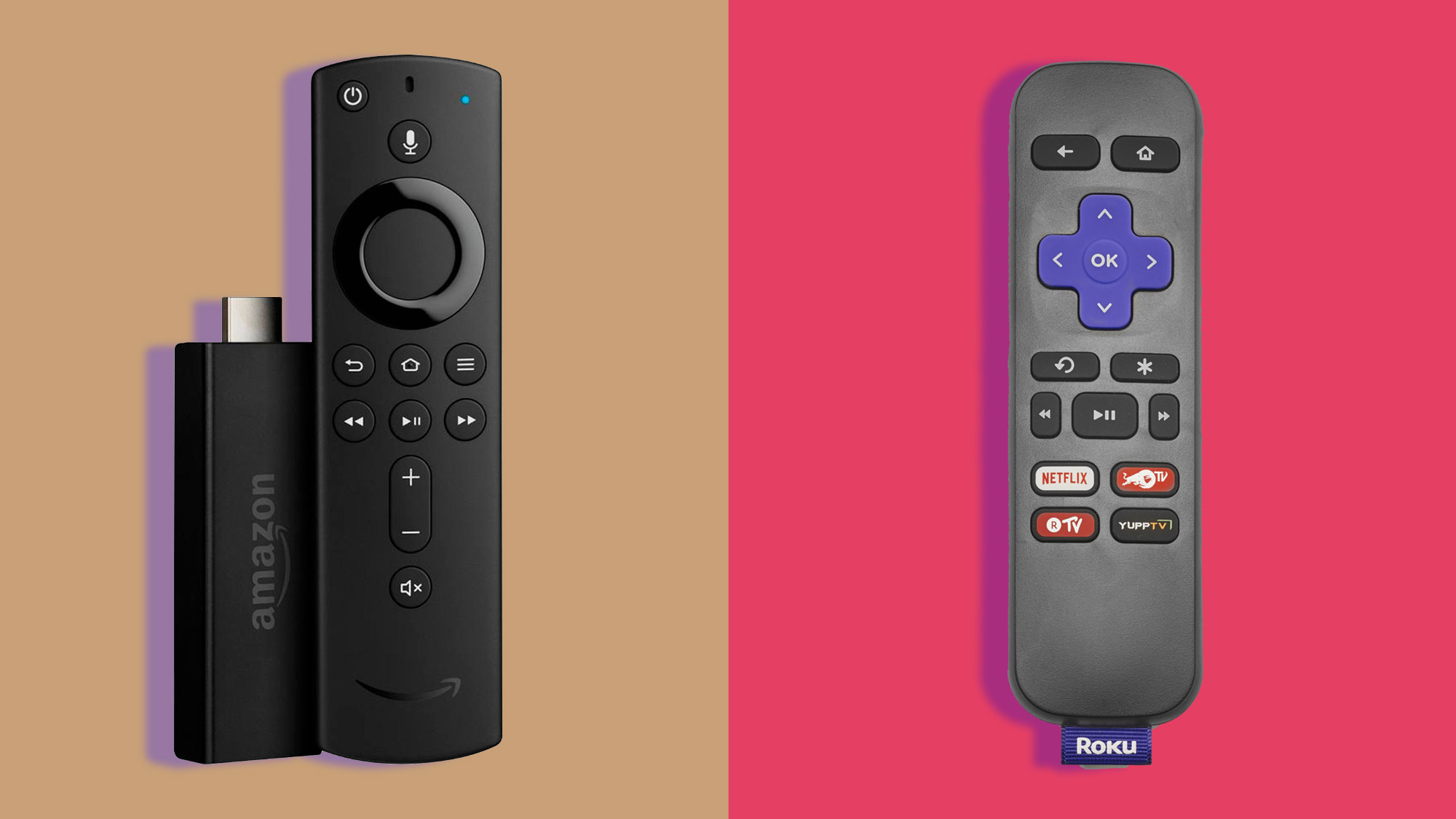
- Roku’s Price Spectrum: Roku devices typically start at very competitive price points, making them an excellent entry point for those new to streaming. The Roku Express is often one of the most affordable streaming sticks on the market. As you move up the line to devices like the Roku Streaming Stick+ or Roku Ultra, you’ll find more advanced features like 4K HDR, faster Wi-Fi, and more robust remote controls, with corresponding price increases. Roku’s business model relies heavily on content provider partnerships and advertising revenue, meaning the upfront hardware cost is often kept lower.
- Fire Stick’s Competitive Pricing and Bundling: Amazon also offers a tiered approach to Fire Stick devices, from the basic Fire TV Stick to the Fire TV Stick 4K Max and the Fire TV Cube. Amazon frequently engages in aggressive pricing strategies, often discounting Fire Stick devices significantly, particularly during sales events. This is a deliberate tactic to encourage adoption of their ecosystem. Furthermore, Amazon sometimes bundles Fire Stick devices with other services or offers attractive trade-in deals for older devices.
Brand Loyalty and Ecosystem Benefits: The Long-Term View
The choice between Roku and Fire Stick can also be influenced by existing brand loyalty and the perceived benefits of aligning with a particular ecosystem.
- For Roku Users: If you’re someone who values a diverse range of content from various providers and prefers not to be overly tied to a single company’s services, Roku’s brand of neutrality and choice is likely more appealing. You might already be invested in a diverse set of streaming subscriptions, and Roku offers a seamless way to access them all.
- For Amazon Ecosystem Enthusiasts: If you’re already a Prime subscriber, an Alexa user, or frequently shop on Amazon, the Fire Stick offers a compelling proposition for deeper integration. The convenience of using Alexa to control your TV, manage your shopping lists, or even make purchases can be a significant draw. The perceived value of a Fire Stick can be amplified by existing Amazon Prime benefits, such as access to Prime Video and other exclusive content. The brand loyalty to Amazon often translates into a preference for its hardware.
- The “Free” Illusion: It’s important to look beyond the initial purchase price. While both devices offer access to free streaming content through services like Pluto TV or Tubi, the vast majority of popular content requires a paid subscription. The “free” streaming aspect is a draw, but the core cost is often in the monthly bills from Netflix, Disney+, HBO Max, etc.
In conclusion, both Roku and Fire Stick are powerful tools for modern entertainment. Roku champions simplicity and broad content access through a neutral platform, while Amazon Fire Stick leverages its powerful ecosystem and Alexa integration to provide a more connected and convenience-driven experience for its users. Ultimately, the “better” device depends on your individual needs, your existing digital footprint, and your priorities when it comes to streaming. By understanding the technological differences, the underlying brand strategies, and the financial implications, you can make an informed decision that best suits your entertainment desires.
aViewFromTheCave is a participant in the Amazon Services LLC Associates Program, an affiliate advertising program designed to provide a means for sites to earn advertising fees by advertising and linking to Amazon.com. Amazon, the Amazon logo, AmazonSupply, and the AmazonSupply logo are trademarks of Amazon.com, Inc. or its affiliates. As an Amazon Associate we earn affiliate commissions from qualifying purchases.