
The terms “road” and “street” are often used interchangeably in everyday conversation, and in many contexts, this casual usage causes no real confusion. However, in urban planning, civil engineering, and even in discussions about brand development and digital infrastructure, a distinction exists, subtle yet significant. Understanding this difference can shed light on how we design, build, and interact with both our physical and digital environments, and how these concepts can even influence our perception of brands and the flow of digital “traffic.”
While the physical form of a road and a street might seem similar – both are pathways for movement – their fundamental purpose, design considerations, and the experience they offer diverge. Think of it this way: a road is primarily about getting from point A to point B, often over longer distances and at higher speeds, while a street is more about facilitating interaction and access within a community. This distinction has ripple effects that extend beyond just asphalt and traffic lights, touching upon the very fabric of our cities and, by extension, the way we consume information and engage with brands in the digital realm.
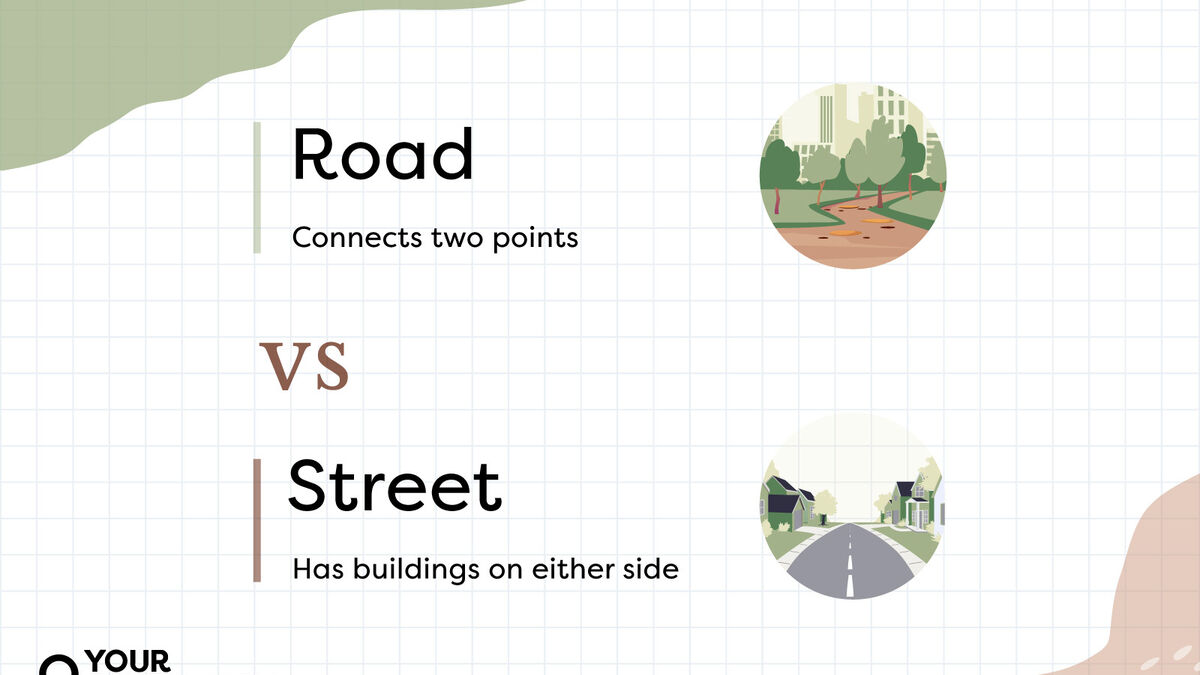
Let’s delve into the core differences, exploring how these concepts manifest in our physical world and drawing parallels to the evolving landscape of technology, branding, and finance.
The Functional Divide: Purpose and Flow
The most fundamental difference between a road and a street lies in their primary function and the way they facilitate movement.
Roads: The Arteries of Connection
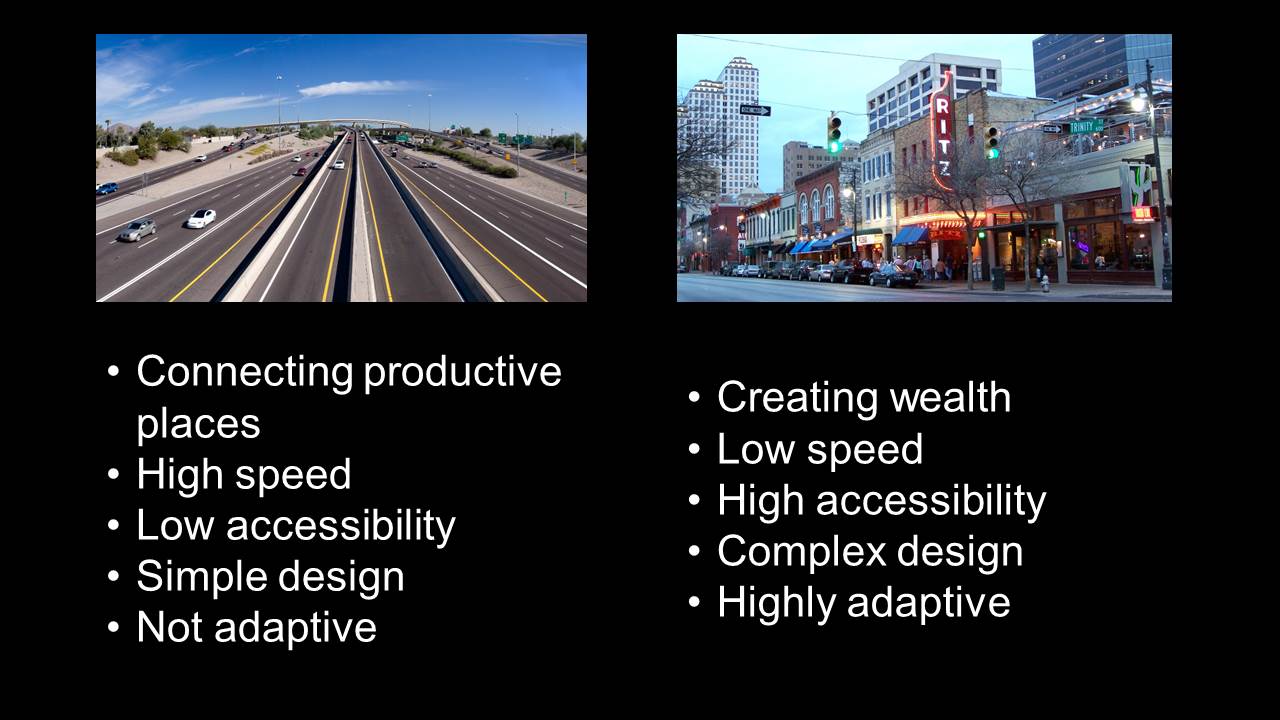
Roads are the conduits that connect larger geographical areas. Their design prioritizes efficient and often high-speed transit between towns, cities, or even countries. Think of highways, interstates, or major arterial routes. Their defining characteristics include:
- Purpose: Long-distance travel, connecting disparate locations, and facilitating the movement of goods and people across significant distances.
- Design: Typically wider with multiple lanes, designed for higher speeds, minimal points of access or egress, and often separated from adjacent land uses by shoulders or barriers. Entrances and exits are controlled and designed to maintain traffic flow.
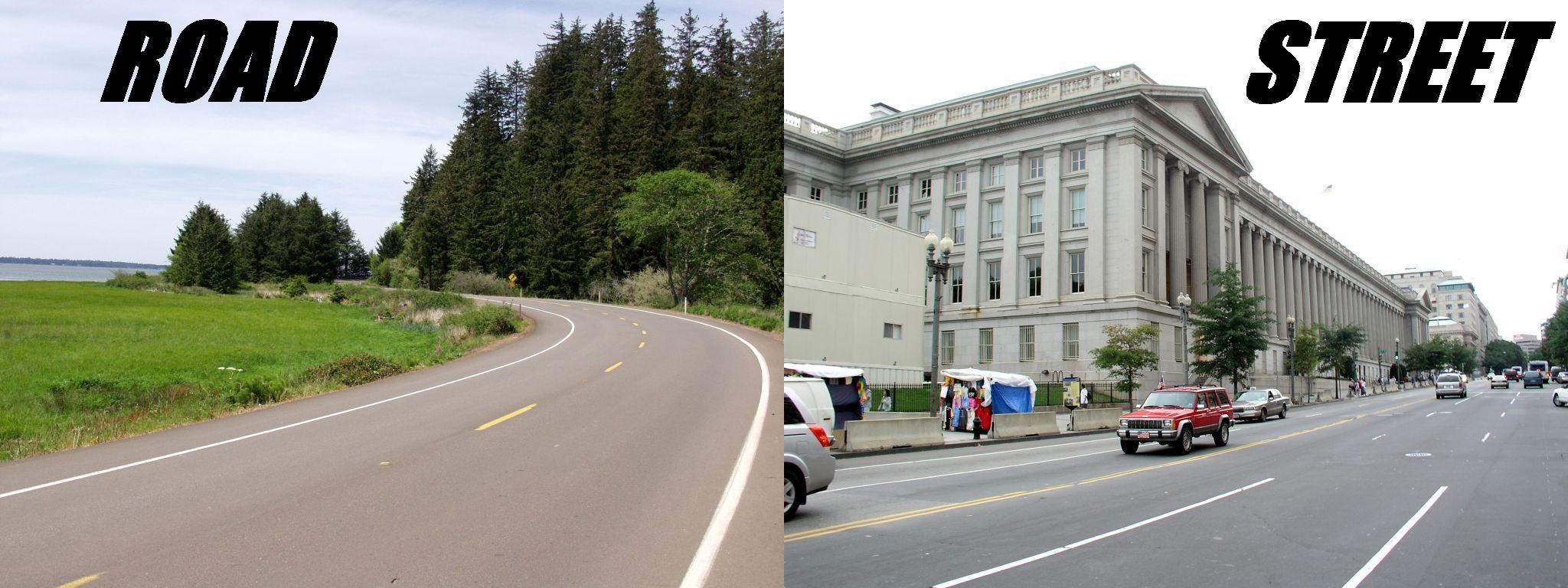
- Experience: The experience of being on a road is often one of transit. The focus is on the journey, not the destination’s immediate surroundings. Views are often of passing landscapes or other vehicles, with limited opportunities for pedestrian interaction or engagement with businesses directly fronting the road.
- Safety Considerations: Primarily focused on vehicular safety, accident prevention through speed control, clear signage, and separation from opposing traffic.
Analogy in Tech: In the realm of technology, roads can be likened to high-speed internet backbone networks or major data transfer protocols. They are the essential infrastructure that enables the rapid movement of vast amounts of information between servers, data centers, and major hubs. Like highways, they are built for efficiency and capacity, designed to handle immense volumes of data with minimal latency. Think of the fiber optic cables stretching across continents, the protocols that govern how your data packet hops from one server to another – these are the digital roads.
Analogy in Branding: From a branding perspective, a road represents a company’s core distribution channels or its primary marketing reach. These are the large-scale platforms or campaigns designed to broadcast a message widely and efficiently, connecting with a broad audience. For instance, a national television advertising campaign or a widespread e-commerce platform acts as the “road” for a brand to reach consumers across vast geographical areas. The focus is on broad accessibility and delivering the brand message effectively to a large, often undifferentiated, audience.
Streets: The Veins of Community
Streets, on the other hand, are integral to the urban fabric. They are the pathways that run through neighborhoods, towns, and cities, providing direct access to properties, businesses, and public spaces. Their design prioritizes accessibility, community interaction, and a more human-paced experience. Consider a bustling city avenue, a quiet residential lane, or a charming town square’s perimeter. Their defining characteristics include:
- Purpose: Providing access to adjacent buildings and properties, facilitating local movement, encouraging social interaction, and creating a sense of place.
- Design: Often narrower than roads, with lower speed limits, sidewalks for pedestrians, and direct frontage for businesses and residences. They are designed to integrate with the surrounding environment, encouraging walking, cycling, and chance encounters.
- Experience: The street experience is often about destination and engagement. It’s where you walk to your local shop, meet friends at a cafe, or stroll through a park. It’s a place for social interaction, a stage for community life.
- Safety Considerations: A broader focus on safety, including pedestrian, cyclist, and vehicular safety, often with traffic calming measures, crosswalks, and clear visibility of surrounding activity.
Analogy in Tech: In the digital landscape, streets can be seen as the user interfaces of applications, social media feeds, or community forums. These are the platforms where direct interaction occurs, where users engage with content, with each other, and with brands on a more personal level. Think of your social media feed, a dedicated app for a specific service, or an online community discussion board. These are the “streets” of the internet where information is consumed, shared, and where relationships are built.
Analogy in Branding: For a brand, streets represent the direct touchpoints with consumers – the storefronts, customer service interactions, personalized email campaigns, or the experience of using a product or app. These are the intimate, localized engagements that build relationships and foster loyalty. A brand’s social media engagement, its in-store experience, or its customer support chatbot are its “streets,” offering direct access and fostering a more personal connection.
Design and Development: Intentionality in Urban Planning and Digital Architecture
The divergence in purpose between roads and streets naturally leads to different design and development considerations. This applies not only to physical infrastructure but also to the architecture of our digital platforms and the strategic planning of brands.
The Geometry of Movement and Interaction
Road Design Principles
The design of roads is heavily influenced by principles of traffic engineering. The goal is to optimize flow, minimize congestion, and ensure safety for vehicles traveling at speed.
- Right-of-Way: Roads typically have a wider “right-of-way,” which is the total land area dedicated to the road, including lanes, shoulders, and drainage. This space is primarily for the movement of vehicles.
- Intersections: Intersections are carefully designed to manage traffic flow, often with traffic signals, roundabouts, or grade separations (overpasses and underpasses) to minimize disruptions. Access points are limited and controlled.
- Sightlines: Maximizing sightlines is crucial for high-speed roads to allow drivers adequate time to react to potential hazards.
- Connectivity: Roads are designed to connect different zones and facilitate movement between them efficiently, often bypassing populated areas.
Analogy in Tech: In the digital world, road design principles can be seen in the optimization of network infrastructure and data routing algorithms. The “right-of-way” could be analogous to bandwidth allocation and network capacity. Optimized routing protocols are like traffic signals and grade separations, ensuring data packets reach their destination efficiently without bottlenecks. The focus is on speed, throughput, and minimizing latency across the network.
Street Design Principles
Street design is a more holistic endeavor, balancing the needs of vehicles with those of pedestrians, cyclists, and the surrounding community.
- Multi-modal Integration: Streets are designed to accommodate various modes of transport, including walking, cycling, public transit, and driving. This involves dedicated bike lanes, wider sidewalks, and accessible public transport stops.
- Human Scale: Street design often emphasizes a human scale, with buildings at street level that engage pedestrians, street furniture, and landscaping that create a pleasant and inviting environment.
- Connectivity within Neighborhoods: Streets are designed to create a connected network within a neighborhood, making it easy to walk or bike to local amenities.
- Public Realm: Streets are considered part of the public realm, fostering social interaction and providing space for community events.
Analogy in Tech: Street design principles in technology are evident in the development of user-friendly interfaces, accessible design, and the creation of engaging digital experiences. The “human scale” translates to intuitive navigation, clear calls to action, and content that is easily digestible. Multi-modal integration is about ensuring that digital platforms are accessible and usable across various devices and for people with different abilities. The “public realm” in digital spaces is represented by community features, interactive elements, and spaces for user-generated content.
The Impact on Experience and Value: From Transit to Transactions
The fundamental differences in purpose and design translate into vastly different experiences and, consequently, different forms of value creation.
The Roadside Experience: Transit and Transactional Value
Being on a road is primarily about reaching a destination. The experience is often functional and transient.
- Transactional Focus: Businesses located directly on major roads often cater to a passing traffic – think of highway service stations, fast-food drive-thrus, or large retail outlets with ample parking. The interaction is often transactional and time-sensitive.
- Limited Engagement: The opportunity for deep engagement or relationship building with customers is limited. The emphasis is on quick service and efficient transactions.
- Brand Visibility: Brands on roads often rely on high visibility and clear signage to attract the attention of passing motorists. The brand message needs to be immediate and easily understood.
Analogy in Tech: In the digital world, this translates to advertisements on websites or pop-up banners. These are designed to capture attention quickly as users navigate between content or move through different digital “locations.” The value is often in immediate clicks or brief engagements, rather than sustained interaction. E-commerce platforms with a focus on rapid checkout and impulse buys also embody this transactional road-like experience.
The Streetscape Experience: Community and Relational Value
Streets offer a richer, more engaging experience that fosters community and builds relational value.
- Experiential Focus: Businesses on streets often focus on creating an experience that draws people in – a cozy cafe, a boutique shop with curated displays, a restaurant with outdoor seating. The interaction is about more than just a transaction; it’s about atmosphere, service, and building a connection.
- Community Building: Streets are where businesses can cultivate a loyal customer base through personalized service and a sense of belonging. They are spaces for serendipitous encounters and word-of-mouth marketing.
- Brand Immersion: Brands on streets can immerse customers in their identity. The physical space, the decor, the staff, and the overall ambiance all contribute to the brand experience.
Analogy in Tech: This is mirrored in well-designed applications with intuitive user interfaces, engaging content, and features that encourage interaction and community building. Think of a social media platform that fosters connections, a learning app that provides a guided and supportive experience, or a gaming platform with strong community elements. The value lies in sustained engagement, loyalty, and the building of relationships between users and the platform, or between users themselves. For brands, this is about creating digital spaces where customers feel valued and connected.
The Interplay: Roads and Streets Working Together
It’s important to note that roads and streets are not mutually exclusive. They work in tandem to create functional and vibrant urban environments. Major roads often connect to networks of streets, allowing people to transition from high-speed transit to local exploration. Similarly, in the digital realm, the high-speed data highways of the internet (roads) are essential for delivering the rich, interactive experiences found within applications and social platforms (streets).
The Brand’s Journey: For a brand, the distinction between roads and streets highlights a strategic imperative. A brand needs to master both its broad reach (roads) and its intimate connections (streets). This means having a strong presence on major digital platforms and advertising channels, while also investing in creating compelling user experiences within its own applications, websites, and customer service touchpoints. The ability to seamlessly transition a customer from a broad awareness campaign to a personalized engagement demonstrates a sophisticated understanding of both digital “roads” and “streets.”
Financial Parallels: Even in the world of finance, these concepts offer insight. High-frequency trading platforms and the underlying infrastructure for global financial transactions are akin to digital roads, facilitating rapid movement of capital. Conversely, personalized financial advisory services, community investment groups, or the user experience of a budgeting app are the digital streets, where individuals manage their personal finances and build financial well-being through interaction and guidance.
In conclusion, while the terms “road” and “street” might seem synonymous at first glance, their distinct purposes, designs, and the experiences they afford reveal a deeper understanding of how we navigate our world – both physically and digitally. By recognizing these differences, we can better design our urban environments, develop more effective technologies, and build stronger, more meaningful brands that connect with people at every level of their journey.
aViewFromTheCave is a participant in the Amazon Services LLC Associates Program, an affiliate advertising program designed to provide a means for sites to earn advertising fees by advertising and linking to Amazon.com. Amazon, the Amazon logo, AmazonSupply, and the AmazonSupply logo are trademarks of Amazon.com, Inc. or its affiliates. As an Amazon Associate we earn affiliate commissions from qualifying purchases.