
Jacksonville, Florida, often dubbed the “Bold City of the South,” is a vibrant metropolis constantly evolving. Beyond its sprawling urban landscape, beautiful beaches, and burgeoning arts scene, Jacksonville is a significant economic engine in the southeastern United States. For residents, potential investors, and businesses alike, understanding the current economic and financial pulse of the city is paramount. “What’s going on in Jacksonville today” from a financial perspective reveals a city experiencing robust growth, navigating new challenges, and presenting diverse opportunities. This article delves into the latest economic trends, key industry performance, real estate dynamics, and the overall financial landscape that defines Jacksonville’s present and shapes its future.
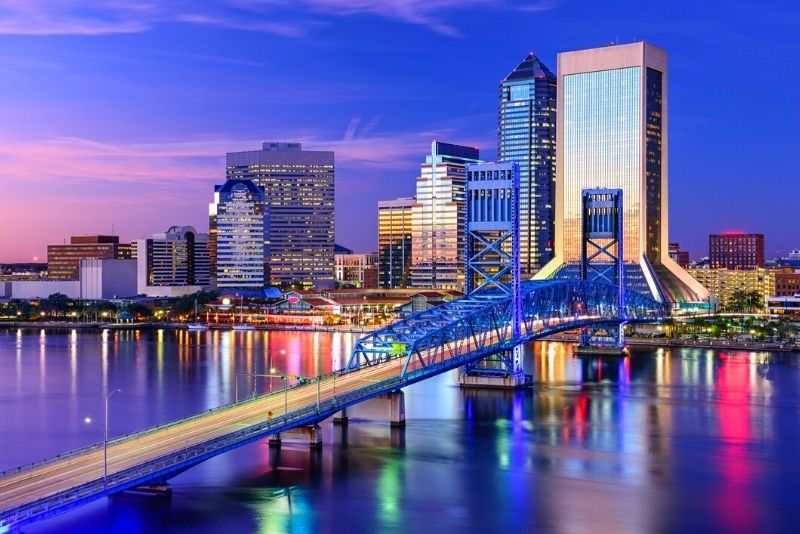
Jacksonville’s Economic Engine: Current Trends and Growth Drivers
Jacksonville’s economy is characterized by its diversity and resilience. Recent indicators point to a city that has not only recovered from global economic fluctuations but is actively forging a path of sustainable growth. The strategic location, deep-water port, and a pro-business environment have historically attracted significant investment, and this trend continues today.
A Macroeconomic Overview: Resilience and Expansion
The city’s Gross Domestic Product (GDP) has shown consistent upward trajectories, reflecting increased economic output across various sectors. Unemployment rates have generally remained below the national average, signaling a healthy labor market. Consumer spending, a critical component of local economies, continues to be robust, supported by a growing population and rising median incomes. This expansion isn’t merely a post-pandemic rebound; it’s a testament to long-term strategic planning and diversification efforts that have broadened Jacksonville’s economic base beyond traditional sectors. The city benefits from its status as a major logistics hub, a strong military presence (Naval Air Station Jacksonville, Naval Station Mayport), and a growing healthcare sector, all contributing to its economic stability. The steady influx of corporate relocations and expansions further solidifies Jacksonville’s position as an economic powerhouse, drawing capital and talent from across the nation.
Population Growth and its Economic Impact
Jacksonville consistently ranks among the fastest-growing cities in the U.S., attracting new residents from across the country. This influx isn’t just a demographic shift; it’s a powerful economic stimulus. A growing population drives demand for housing, services, infrastructure, and consumer goods, creating a self-reinforcing cycle of economic activity. New residents often bring diverse skill sets, contributing to the labor force and fostering innovation. This demographic dividend enhances local consumption, stimulates entrepreneurship, and broadens the tax base, providing more resources for public services and future investments. However, this growth also presents challenges, such as the need for continuous infrastructure development and managing the affordability of housing, which will be discussed further. The city government and private sector are actively collaborating on projects to ensure that growth is managed effectively, maintaining Jacksonville’s appeal as a place to live and do business while ensuring equitable access to opportunities.
Key Industries Fueling Jacksonville’s Financial Landscape
While historically known for its logistics and port operations, Jacksonville’s economic portfolio has diversified significantly, creating new avenues for business growth, employment, and investment. This diversification strategy has proven crucial in building a resilient economy less susceptible to downturns in any single sector.
Logistics, Distribution, and the Port of Jacksonville (JAXPORT)
JAXPORT remains a cornerstone of Jacksonville’s economy. As one of the busiest seaports in Florida, it facilitates vast amounts of cargo traffic, connecting the region to global markets. Ongoing investments in port infrastructure, including deeper shipping channels, expanded terminal capacity, and modernized equipment, underscore its strategic importance. The logistics sector, encompassing warehousing, transportation, and supply chain management, thrives around the port, creating thousands of jobs and attracting major distribution centers for national and international companies such as Amazon, Mercedes-Benz USA, and Fanatics. This sector’s financial health is critical, impacting numerous ancillary businesses and the regional supply chain. Recent trends indicate an increase in container traffic and a strategic focus on expanding cold chain capabilities, further solidifying Jacksonville’s role as a multimodal logistics hub and a gateway for international trade, generating significant revenue and investment.
Healthcare and Life Sciences: A Growing Powerhouse
Jacksonville has emerged as a significant hub for healthcare and life sciences. Major institutions like Mayo Clinic, Baptist Health, UF Health Jacksonville, and Ascension St. Vincent’s not only provide world-class medical services but also serve as massive employers and drivers of innovation. The presence of these institutions fosters a robust ecosystem for research and development, biotechnology firms, and medical device companies, creating a magnet for specialized talent and capital. This sector attracts substantial investment, creates high-paying jobs, and draws a skilled workforce, contributing significantly to the city’s financial stability and growth potential. The continuous expansion of medical facilities, the establishment of new research centers, and the development of cutting-edge treatments signal a continued trajectory of financial growth within this critical and recession-resilient industry, offering both direct employment and indirect economic benefits.
Financial Services and Insurance: A Longstanding Pillar
Jacksonville has a rich history as a financial services and insurance center, earning it the moniker “Insurance Capital of the South.” Large corporations such as Fidelity National Financial, Dun & Bradstreet, Citi, and various insurance giants like Florida Blue and Aetna maintain significant operations here. This sector provides stable, high-value employment and contributes significantly to the city’s tax base. The ongoing digital transformation in finance is also playing out in Jacksonville, with local companies investing heavily in FinTech solutions, cybersecurity, and data analytics, attracting a new wave of tech talent and innovation. The sector’s resilience and adaptability ensure its continued role as a major financial contributor to the city’s economy, with a strong focus on leveraging technology to enhance service delivery, improve efficiency, and expand into new markets, thereby securing its future relevance and financial impact.
Navigating Jacksonville’s Dynamic Real Estate Market
The real estate market in Jacksonville is a significant indicator of its economic vitality, reflecting both opportunities and challenges driven by population growth, investor interest, and evolving urban development strategies. Understanding its current state is crucial for both residents and potential investors.

Residential Market Trends: Demand Outpacing Supply
The residential real estate market in Jacksonville has experienced a period of unprecedented growth, fueled by strong demand from new residents, attractive affordability compared to other major Florida metros, and historically low-interest rates (though recently rising). Median home prices have seen significant appreciation over the past few years, making homeownership a substantial investment for many. While the market has shown signs of cooling from its peak frenetic pace, it remains competitive, with inventory levels still relatively low across most price points. For potential homebuyers, understanding the nuances of specific neighborhoods – from the historic charm of San Marco and Riverside to the rapid suburban expansion of Nocatee and eTown, or the vibrant beachside communities – is crucial. Investors continue to eye Jacksonville for its robust rental market potential, as the growing population sustains a healthy demand for single-family and multi-family rental properties, offering attractive yields and long-term appreciation prospects.
Commercial Real Estate: Downtown Revitalization and Industrial Expansion
Commercial real estate in Jacksonville presents a mixed but generally positive picture. Downtown Jacksonville is undergoing a transformative revitalization, with significant public and private investments leading to new residential towers, mixed-use developments, and public spaces aimed at attracting businesses and residents back to the urban core. This presents significant investment opportunities in hospitality, retail, and modern office spaces, reshaping the city’s skyline and economic heart. Industrial real estate, driven by the strong performance of the logistics and distribution sectors, remains exceptionally robust, characterized by low vacancy rates and a continuous pipeline of new construction projects to accommodate expanding companies and e-commerce demands. Office space, while facing national trends of hybrid work models, sees strong demand in suburban corridors and for modern, amenity-rich buildings designed to foster collaboration and employee well-being. Retail real estate is adapting to changing consumer habits, with experiential retail and convenience-based centers performing well, indicating a resilient and adaptive commercial landscape.
Personal Finance and Employment Landscape in Jax
Beyond the macro trends, the “what’s going on” question also touches directly on the financial well-being of Jacksonville’s residents, encompassing their employment prospects and the cost of living.
Employment Opportunities and Wage Growth
Jacksonville’s diverse economy translates into a broad spectrum of employment opportunities. From entry-level positions in hospitality, retail, and construction to highly skilled roles in healthcare, IT, finance, logistics, and advanced manufacturing, the job market is robust. Recent data indicates steady wage growth across many sectors, albeit varying by industry, skill level, and experience. For job seekers, the city offers a dynamic environment with numerous large employers, a burgeoning small business scene, and a supportive ecosystem for startups. Workforce development initiatives and partnerships between educational institutions (like UNF and FSCJ) and local industries are continually adapting curricula and training programs to ensure a pipeline of skilled talent meets employer demand. This focus on talent development helps sustain wage growth, enhance economic mobility, and ensures the city’s continued competitiveness in attracting and retaining a skilled workforce.
Cost of Living and Financial Planning
Compared to other major metropolitan areas in Florida (like Miami or Orlando) and across the U.S., Jacksonville traditionally boasts a relatively lower cost of living, particularly regarding housing affordability, which has long been a significant draw. However, rapid population growth and national inflationary pressures have put upward pressure on expenses across the board, from groceries and utilities to transportation and insurance. Residents need to engage in prudent financial planning, considering comprehensive budgeting, emergency savings, and strategic investment strategies. Financial literacy programs and local advisory services are vital resources for individuals and families looking to manage their finances effectively, plan for retirement, invest in their future, and navigate the complexities of Jacksonville’s evolving economic landscape. Understanding local tax structures, property taxes, and insurance costs (especially given Florida’s specific market conditions) is also crucial for sound financial management and maximizing personal economic well-being.
Looking Ahead: Future Financial Horizons for Jacksonville
Jacksonville’s economic trajectory appears promising, but future growth hinges on strategic foresight and proactively addressing emerging challenges to ensure sustainable and equitable prosperity.
Strategic Investments and Innovation Focus
The city’s leadership is committed to fostering innovation and attracting high-tech industries to further diversify its economic base. Investments in technology infrastructure, smart city initiatives, and robust support for startup incubators and accelerators (like JaxChamber’s Venture Services and PS27 Ventures) are designed to create high-paying jobs in emerging fields such as FinTech, MedTech, logistics tech, and cybersecurity. Renewable energy projects, advanced manufacturing, and further development in life sciences and biomedical research are also areas targeted for future growth and significant financial input. These strategic investments are crucial for ensuring Jacksonville remains competitive on a national and global scale and continues to attract capital and talent in the coming decades, driving the next wave of economic expansion and job creation. Public-private partnerships are pivotal in funding these large-scale projects, enhancing the city’s infrastructure, and stimulating diverse economic activity.
Addressing Challenges: Infrastructure, Affordability, and Sustainability
While growth is largely positive, it inevitably brings challenges that require thoughtful financial planning and significant investment. Ensuring that infrastructure — roads, public transit, water systems, wastewater treatment, and ubiquitous broadband internet — keeps pace with rapid population expansion is a monumental financial undertaking. Maintaining housing affordability while managing escalating demand and development pressures is another critical area, requiring innovative housing policies and increased supply across all income levels. Furthermore, as a coastal city, sustainability and resilience against environmental changes, including sea-level rise and extreme weather events, will necessitate substantial long-term financial commitments to protect assets, critical infrastructure, and ensure continued economic stability and livability. Addressing these challenges proactively through thoughtful financial planning, strategic public investment, and collaborative community engagement will be key to sustaining Jacksonville’s appeal and financial health for generations to come.

Conclusion
“What’s going on in Jacksonville today” from a financial lens reveals a city in motion – dynamic, growing, and strategically positioned for continued success. Its diversified economy, driven by robust sectors like logistics, healthcare, financial services, and a growing tech footprint, coupled with strong population growth, paints a picture of opportunity. While challenges related to infrastructure, housing affordability, and environmental sustainability require ongoing attention and significant investment, Jacksonville’s proactive approach to economic development and innovation signals a promising future. For anyone seeking to understand, invest in, or build a life in this thriving Floridian metropolis, Jacksonville’s financial narrative is one of resilience, ambition, and significant potential. The “Bold City” is indeed living up to its name, boldly charting a course for sustained economic prosperity.
aViewFromTheCave is a participant in the Amazon Services LLC Associates Program, an affiliate advertising program designed to provide a means for sites to earn advertising fees by advertising and linking to Amazon.com. Amazon, the Amazon logo, AmazonSupply, and the AmazonSupply logo are trademarks of Amazon.com, Inc. or its affiliates. As an Amazon Associate we earn affiliate commissions from qualifying purchases.