
Texas, the second-largest state in the United States, is a land of myth, legend, and an extraordinary tapestry of experiences. Far more than just a geographical expanse, Texas operates as a complex and compelling brand, meticulously built through its diverse attractions, vibrant culture, and enduring historical narratives. When visitors ponder “what to see in Texas,” they are, in essence, exploring the various facets of this powerful brand identity – from its iconic historical markers to its cutting-edge urban centers, vast natural landscapes, and distinctive culinary heritage. Understanding Texas through a branding lens reveals how each sight, sound, and flavor contributes to a cohesive yet multi-layered identity that draws millions worldwide.
The “Lone Star State” isn’t merely a nickname; it’s a potent brand slogan, evoking independence, resilience, and a pioneering spirit. This article delves into the strategic branding of Texas, examining how its key attractions and regions are positioned to create an unforgettable, multi-dimensional brand experience. We will explore how different “sights” act as brand pillars, reinforcing core values and attracting specific demographics, ultimately shaping the perception of Texas as a destination, an economy, and a cultural force.
The Alamo and Historical Brand Pillars: Fortifying Heritage
No discussion of Texas’s brand can begin without addressing The Alamo. More than just a former mission in San Antonio, The Alamo is the very cornerstone of Texas’s historical brand. It embodies the state’s enduring narrative of courage, sacrifice, and the fight for independence. Its brand equity is immense, transcending simple historical fact to become a powerful symbol.
Fortifying the Narrative: Heritage and Independence
The brand identity of The Alamo is deeply rooted in the concept of defiant heritage. Its slogan, “Remember the Alamo,” is not just a call to recall a past event but a strategic directive to internalize the values associated with it: unwavering determination in the face of overwhelming odds, a fierce love for freedom, and the birth of a distinct Texan identity. This narrative is meticulously preserved and amplified through educational programs, interactive exhibits, and memorial ceremonies. For tourists, “seeing” The Alamo isn’t just about witnessing an old building; it’s about connecting with a powerful national myth. The strategic positioning of The Alamo ensures it remains relevant, acting as a historical anchor that grounds the entire Texas brand in a foundation of resilience and unique origin. It speaks to a target audience that values history, patriotism, and stories of human endurance, positioning Texas as a place where significant events shaped the course of a nation.
Beyond the Battlefield: Marketing Historical Significance
The marketing of The Alamo goes beyond traditional tourism brochures. It’s about emotional resonance and shared cultural understanding. The site leverages its iconic status to create a sense of pilgrimage, attracting both domestic and international visitors who seek to experience a tangible piece of American history. Its visual identity – the mission’s distinctive façade – is instantly recognizable, often used in broader Texas tourism campaigns. Furthermore, the surrounding San Antonio area, particularly the Riverwalk, skillfully integrates The Alamo’s historical brand into a modern leisure experience, demonstrating how a singular historical landmark can elevate the entire regional brand. This integrated branding approach ensures that the historical significance is not confined to the site itself but permeates the entire visitor experience, making the “what to see” not just a visual but an emotional and intellectual journey.
Branding Natural Wonders: The Wild, Untamed Texas
Beyond its storied past, Texas boasts a spectacular array of natural landscapes that contribute significantly to its brand as a state of vastness and untamed beauty. These natural attractions are branded to appeal to adventurers, nature lovers, and those seeking an escape into the wild.
Big Bend’s Brand: A Testament to Raw Wilderness
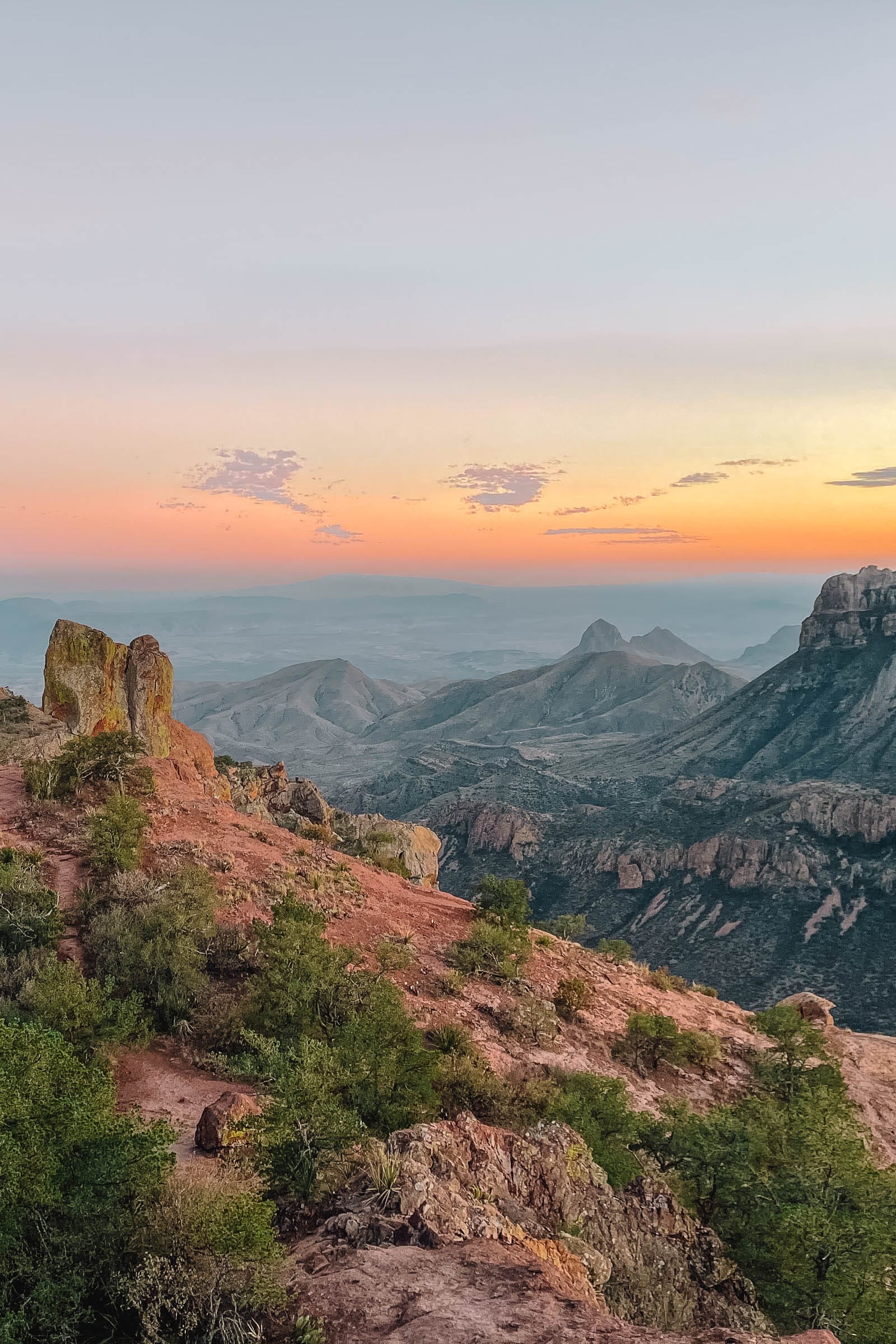
Big Bend National Park, located in Southwest Texas, is a prime example of strategic branding for raw wilderness. Its brand promise is one of unparalleled solitude, dramatic desert landscapes, and unique biodiversity. Unlike more accessible national parks, Big Bend cultivates an image of remoteness and rugged authenticity, appealing to a niche segment of travelers who actively seek out less-trodden paths. The park’s marketing emphasizes its vast, unspoiled nature – “three deserts in one,” with mountains, river canyons, and diverse ecosystems. The brand messaging often highlights opportunities for stargazing, hiking, and deep immersion in nature, positioning Big Bend as a destination for profound personal connection with the natural world. “Seeing” Big Bend is branded as an experience of awe and discovery, a testament to the sheer scale and diversity of the Texan landscape, reinforcing the state’s brand as a land of grand, unexpected beauty.
Coastal Brands: Galveston and the Gulf’s Appeal
In stark contrast to Big Bend’s rugged interior, Texas’s Gulf Coast regions offer a different natural brand identity: that of relaxed coastal charm and family-friendly recreation. Galveston, for instance, brands itself as a historic island city with beautiful beaches, Victorian architecture, and a vibrant arts scene. Its brand strategy combines historical elegance with modern leisure, offering attractions like Moody Gardens and the Pleasure Pier alongside its cultural heritage. The branding emphasizes accessibility, diverse entertainment options, and a laid-back atmosphere, contrasting with the high-energy brands of other coastal destinations. This demonstrates Texas’s ability to segment its natural brands, offering different “what to see” experiences to cater to various market demands, from adventurous solitude to leisurely seaside enjoyment, all contributing to the overarching brand of Texas as a diverse and comprehensive destination.
Urban Brands: Diversity in Modern Metropolises
Texas’s major cities are powerful brands in their own right, each meticulously crafted to project distinct identities that contribute to the state’s modern image. These urban centers showcase Texas’s evolution from its rugged past into a hub of innovation, culture, and economic prowess.
Austin: The “Live Music Capital” Brand Strategy
Austin’s brand identity is perhaps one of the most successfully executed urban brands in Texas, if not the entire U.S. “The Live Music Capital of the World” is a powerful, self-assigned slogan that has been vigorously upheld and marketed. This brand strategy isn’t just about promoting concerts; it’s about cultivating an entire lifestyle brand centered on creativity, eccentricity (“Keep Austin Weird”), and a vibrant, progressive culture. The “what to see” in Austin extends beyond music venues to include its burgeoning tech scene, outdoor activities on Lady Bird Lake, and a thriving food truck culture, all contributing to an image of a dynamic, forward-thinking city with a strong sense of community and individuality. Austin’s brand appeals to millennials, tech professionals, and artists, positioning Texas as a forward-looking state that embraces innovation and diverse lifestyles, skillfully balancing its traditional roots with modern aspirations.
Houston: Branding Global Ambition and Innovation
Houston, the most populous city in Texas, crafts a brand identity around global ambition, innovation, and diversity. Known as “Space City” and a global energy capital, Houston’s brand strategy highlights its leading role in aerospace, medicine (Texas Medical Center), and international trade. The “what to see” in Houston often includes NASA’s Johnson Space Center, world-class museums in the Museum District, and a vibrant culinary scene reflecting its immense cultural diversity. Houston’s brand narrative emphasizes its role as an economic powerhouse and a melting pot of cultures, positioning Texas not just as a regional leader but as a significant player on the global stage. This branding targets business travelers, international visitors, and those interested in cutting-edge industries and a cosmopolitan lifestyle, showcasing a modern, sophisticated facet of the Texas brand.
Dallas-Fort Worth: Dual City Branding – Modernity Meets Western Heritage
The Dallas-Fort Worth Metroplex represents a fascinating dual-city branding strategy that skillfully blends modernity with western heritage. Dallas brands itself as a sophisticated urban center of commerce, fashion, and arts, with a sleek skyline and upscale shopping districts. Its “what to see” includes the Dallas Arts District, upscale dining, and the Sixth Floor Museum. In contrast, Fort Worth maintains a strong brand identity rooted in its “Cowtown” heritage, emphasizing its western charm, rodeos, and the historic Stockyards National Historic District. The branding of Fort Worth often evokes authenticity, tradition, and a welcoming, family-friendly atmosphere. Together, DFW offers a comprehensive brand package, showcasing Texas’s ability to be both a cutting-edge economic hub and a proud guardian of its western roots. This dual branding caters to a broad audience, demonstrating the breadth of experiences available under the Texas brand umbrella.
The Culinary Brand of Texas: A Flavorful Identity
A crucial, often sensory, component of the Texas brand is its unique culinary identity. Food is not just sustenance; it’s an experience, a cultural marker, and a powerful branding tool that draws visitors and reinforces regional pride.
BBQ and Tex-Mex: Branding Iconic Flavors
The culinary brand of Texas is undeniably anchored by two iconic cuisines: Texas BBQ and Tex-Mex. Texas BBQ, particularly Central Texas style, has achieved global renown. Its brand is built on slow-smoked meats, simple rubs, and a reverence for tradition. Pitmasters are local celebrities, and BBQ joints often become pilgrimage sites, their “what to see” being the smoky pits themselves and the communal experience of sharing a plate of brisket. This cuisine brands Texas as authentic, hearty, and deeply connected to its land.
Similarly, Tex-Mex is more than just food; it’s a cultural phenomenon. Its brand identity is vibrant, flavorful, and distinctly border-infused, offering a unique blend of Mexican and American culinary traditions. From sizzling fajitas to cheesy enchiladas and refreshing margaritas, Tex-Mex brands Texas as a place of rich cultural fusion and celebratory dining. These culinary brands are meticulously cultivated through food festivals, media coverage, and word-of-mouth, creating powerful sensory associations with the Texas experience.
Crafting a Unique Gastronomic Experience
Beyond the classics, Texas’s culinary brand is evolving to include fine dining, farm-to-table movements, and diverse international cuisines, particularly in its major cities. This diversification allows Texas to brand itself as a sophisticated gastronomic destination, capable of offering world-class dining experiences alongside its rustic traditions. Craft breweries, distilleries, and wineries are also contributing to a burgeoning “artisanal Texas” brand, highlighting local ingredients and innovative culinary entrepreneurship. The “what to see” in Texas’s food scene is therefore not static but dynamic, reflecting a state that honors its culinary heritage while boldly innovating, continually enriching its overall brand appeal.
Crafting the Cohesive Texas Brand: Challenges and Opportunities
The challenge for Texas’s overall brand strategy lies in unifying these incredibly diverse “sights” and experiences into a coherent, compelling narrative. How does a state known for both dusty cowboys and astronauts, historic missions and high-tech startups, present a singular, yet inclusive, brand?
Unifying Diverse Narratives
The key to Texas’s successful brand management is its ability to embrace and celebrate diversity without losing sight of its core identity. The overarching Texas brand is one of “bigness” – big skies, big opportunities, big personalities, and big experiences. This “bigness” acts as an umbrella concept, allowing individual regional and thematic brands (like the historical brand of The Alamo, the wilderness brand of Big Bend, or the innovation brand of Houston) to flourish while still feeling authentically Texan. The communication strategy often emphasizes the idea that “everything is bigger in Texas,” which subtly conveys both scale and a breadth of experiences. The state leverages consistent visual motifs (the lone star, specific color palettes), emotional appeals (pride, freedom), and overarching themes (pioneering spirit, resilience) to tie together its disparate offerings.
Engaging Audiences: Digital and Experiential Branding
In the digital age, “what to see” is heavily influenced by online presence and user-generated content. Texas tourism boards and individual attractions are adept at digital branding, using social media, immersive websites, and virtual tours to showcase the state’s vast offerings. Experiential branding is also critical; it’s not enough to simply list attractions. The Texas brand seeks to create memorable, personal experiences for visitors, whether through interactive museum exhibits, engaging outdoor adventures, or authentic culinary encounters. Encouraging visitors to share their “Texas stories” online further amplifies the brand, turning individual experiences into collective testimonials. This focus on engagement ensures that the Texas brand remains dynamic, relevant, and continually reinforced by the very people who “see” it.

Conclusion
“What to see in Texas, USA” is a question that unravels a rich and strategically developed brand identity. From the hallowed grounds of The Alamo, fortifying its historical pillars, to the untamed wilderness of Big Bend, the innovative spirit of Houston, the musical soul of Austin, and the distinct flavors of its culinary landscape, every aspect contributes to a robust and multifaceted state brand. Texas’s success lies in its ability to market these diverse “sights” not as isolated attractions but as integral components of a larger, cohesive narrative – one that speaks of independence, resilience, progress, and a unique cultural heritage. For visitors, exploring Texas is an immersion into a masterfully crafted brand experience, where every stop reinforces the enduring power and appeal of the Lone Star State.
aViewFromTheCave is a participant in the Amazon Services LLC Associates Program, an affiliate advertising program designed to provide a means for sites to earn advertising fees by advertising and linking to Amazon.com. Amazon, the Amazon logo, AmazonSupply, and the AmazonSupply logo are trademarks of Amazon.com, Inc. or its affiliates. As an Amazon Associate we earn affiliate commissions from qualifying purchases.